- Category
- World
US House Votes 262–159 to Authorize Massive Tariffs on Buyers of Russian Fuel
 Prefer U24 Media on Google
- Authors

-72b63a4e0c8c475ad81fe3eed3f63729.jpeg "Photo of Cyril Barabaltchouk")
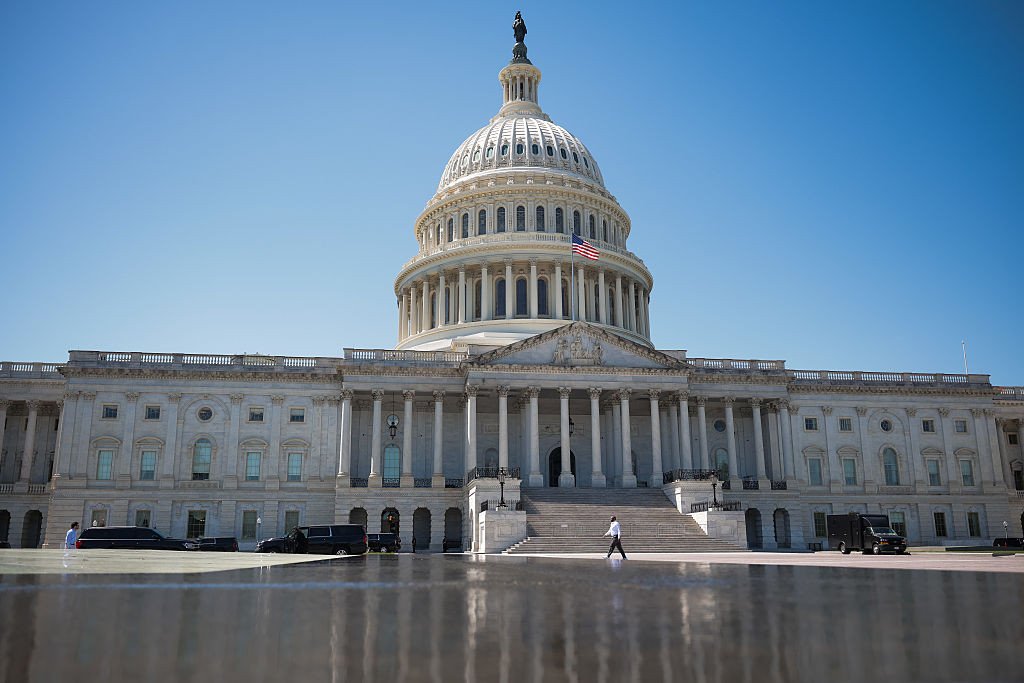
The US House of Representatives passed bipartisan legislation granting US President Donald Trump expanded authority to impose tariffs of up to 100% on the top importers of Russian oil and gas in an effort to squeeze Moscow’s war revenue, The Wall Street Journal reported on September 16.
Passing by a 262-to-159 margin, the measure now moves to President Trump’s desk, where White House officials confirmed he intends to sign it into law. The bill was originally championed by the late Senator Lindsey Graham and sponsored in the House by Representative Michael McCaul.
We bring you stories from the ground. Your support keeps our team in the field.
Formally designated as the Lindsey O. Graham Sanctioning Russia and Iran Act of 2026, this sweeping framework is widely known as the “Sanctions from hell” bill. In addition to penalizing foreign energy buyers, the legislation targets the Kremlin’s remaining lifelines by authorizing direct blockades against major Russian financial institutions and legally going after the shadow fleet of oil tankers Russia uses to evade global price caps.
The Senate had previously advanced the core of this aggressive economic strategy just hours after Graham’s funeral, culminating a years-long effort to treat Moscow’s trade partners as direct enablers of the war.
It specifically targets the five largest purchasers of Russian fossil fuels—with China accounting for 51% of Moscow’s energy revenues—while also extending existing sanctions on Iran through 2031, according to The Wall Street Journal.
Supporters emphasized that advancing the legislation before winter is crucial to increasing economic pressure on Russian leader Vladimir Putin before Moscow can escalate attacks on Ukrainian civilian energy and water infrastructure. Representative McCaul argued that targeting primary energy buyers provides vital leverage to force Moscow and its major economic partners to the negotiating table, The Wall Street Journal noted.
-e6131c15940441f3ea21303204e6bade.jpeg)
Key Senate backers, including Senator Richard Blumenthal, framed the passage as a direct effort to throttle Russia’s war economy alongside continued US support for Ukraine.
Despite bipartisan support, the bill faced pushback from some House Democrats and foreign policy analysts who expressed concern over granting the executive branch discretionary tariff authority. House Foreign Affairs Committee ranking member Gregory Meeks argued that the measure hands broad discretionary powers to the president while permitting him to waive the very sanctions proposed, The Wall Street Journal reported.
Similarly, foreign policy experts at the Brookings Institution cautioned that expanded tariff powers could be applied coercively across broader international trade contexts.
-0d314802454cddf27bc89c20b7283da0.jpg)
The legislative action coincides with intensified diplomatic activity, including visits by US envoys to Kyiv and Moscow alongside high-level consultations between Ukrainian officials and American lawmakers, according to The Wall Street Journal. As the war enters its fifth year, the measure aims to restrict Kremlin revenues as Russian forces maintain missile and drone strikes on Ukrainian targets while Ukrainian forces continue long-range operations against Russian energy infrastructure.
The House’s approval of the “Sanctions from Hell” package marks a breakthrough after stalling earlier this month, despite previously clearing the Senate in an 86–11 vote. The bill had previously faced heavy pushback from corporate lobbying groups like ExxonMobil and lawmakers worried that 100% tariffs on buyers like China and India would spike global oil prices.
Discuss this article:






-111f0e5095e02c02446ffed57bfb0ab1.jpeg "Photo of Roman Kohanets")