- Category
- World
Ukrainian Drone Strikes Wipe Out $4.7 Billion in Russian E-Commerce Revenue
 Prefer U24 Media on Google
- Authors

-72b63a4e0c8c475ad81fe3eed3f63729.jpeg "Photo of Cyril Barabaltchouk")
Russian e-commerce is projected to lose 400 million orders and 400 billion rubles ($4.74 billion) in revenue this year due to ongoing Ukrainian drone strikes targeting major marketplace warehouses, The Moscow Times reported on September 17, citing the research firm Data Insight .
The analytical company has slashed its market growth forecast by 20%. Market sales are now expected to reach 15 trillion rubles ($177.7 billion) rather than the initially projected 15.4 trillion rubles ($182.5 billion), with total volume capping at 9.6 billion orders instead of 10 billion.
We bring you stories from the ground. Your support keeps our team in the field.
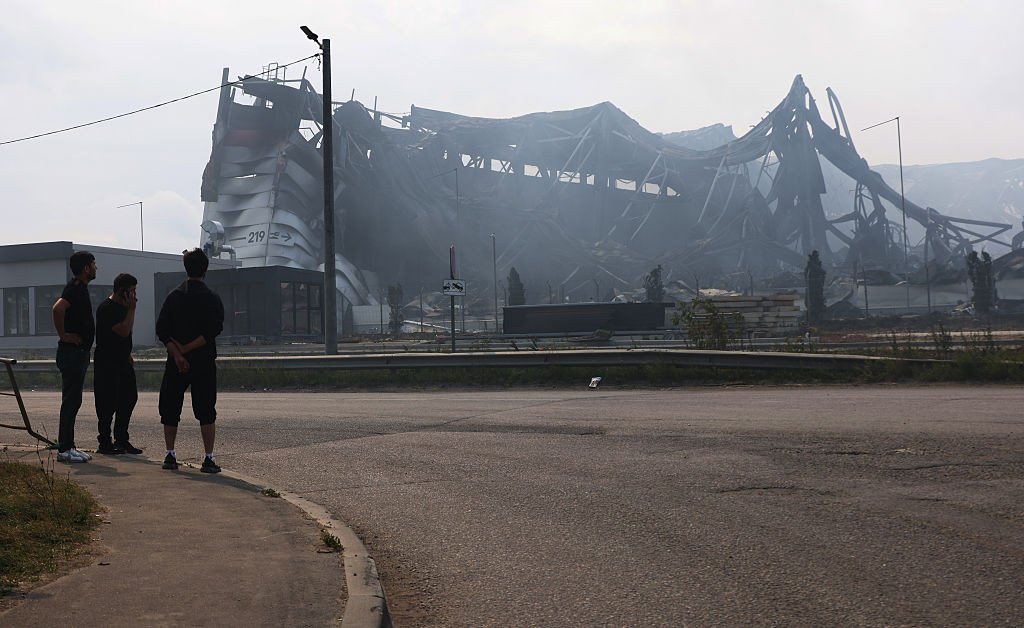
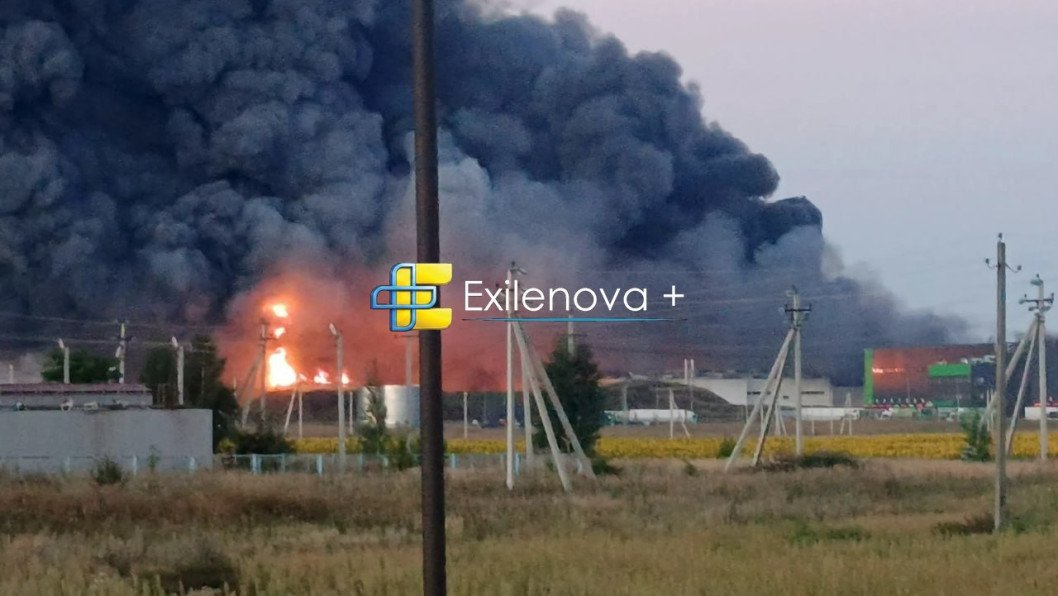
The financial losses are driven by the destruction of Wildberries' primary logistics hubs. Since mid-July, Ukrainian strikes have disabled eight of the company’s ten largest warehouses in Russia, including 250,000-square-meter complexes in the Moscow region.
This has eliminated over 81% of the marketplace’s top-tier storage capacity, severely disrupting its national delivery network.
Fedor Virin, founder of Data Insight, confirmed that this market contraction is exclusively the result of Ukrainian attacks on logistics hubs. The bulk of the damage has fallen on Russia’s largest online retailer, Wildberries, which saw its warehouses targeted beginning July 18, followed by strikes on its competitor Ozon starting August 25.
The Moscow Times wrote that the bombings have severely disrupted Wildberries' operations, causing critical assortment shortages and significantly extending delivery times as goods must be rerouted from distant facilities.
Consequently, consumer behavior has sharply pivoted. Approximately 30% of “stuck” orders or out-of-stock goods were canceled outright by buyers.
The remaining unfulfilled demand has shifted to alternative online platforms and physical retail. Offline stores, particularly those selling clothing, footwear, books, and home goods, experienced a sudden and unexpected resurgence in foot traffic this summer after a prolonged period of decline.
The logistical collapse has also triggered a severe crisis for marketplace sellers, compounded by mounting payout delays from Wildberries that began in mid-August. The Moscow Times noted that, while the company initially blamed a DDoS attack for failing to process withdrawals requested on August 17, widespread non-payment issues persist even after media pressure forced a temporary resolution.
Sellers are actively complaining in industry chats about missing weeks of revenue, with some reporting unpaid withdrawals dating back to August 31. This cash flow crisis is leaving entrepreneurs unable to pay upcoming October taxes, and because their specific goods were not physically destroyed in the fires, they do not qualify for state tax deferral programs.
In response, many merchants are planning to liquidate their remaining Wildberries inventory and migrate to other platforms, according to the publication.
The financial toll on the infrastructure and merchants is significant. Sergey Semko, lead analyst at Data Insight, estimates that RWB—the management company of Wildberries—faces infrastructural and operational losses between 147 billion and 280 billion rubles ($1.74 billion to $3.32 billion).
-8aa8ff51a04c5c23c8215c038b81d946.jpg)
Wildberries sellers have preliminarily lost between 445 billion and 507 billion rubles ($5.27 billion to $6.01 billion) worth of goods, as all of the marketplace’s key logistics complexes were impacted. Meanwhile, total losses for Ozon and its sellers are estimated at a much lower 100 billion rubles ($1.18 billion), as analysts from Alfa-Bank note that Ozon relies on a more decentralized, leased warehouse network, The Moscow Times reported.
In an attempt to shield its remaining infrastructure, Wildberries recently launched a massive procurement tender for 478,000 square meters of metal wire mesh to build anti-drone nets across eight Russian regions. The emergency effort follows reports that the retailer had already lost a staggering 43% of its total storage space—roughly 2.4 million square meters—to aerial strikes by mid-August.
This forced the e-commerce giant to adopt the same physical defense structures currently deployed around Russian oil refineries and power plants.
Discuss this article:



-c439b7bd9030ecf9d5a4287dc361ba31.jpg "Photo of Katherina Popilnichenko")


-111f0e5095e02c02446ffed57bfb0ab1.jpeg "Photo of Roman Kohanets")