- Category
- World
What the Election Results in Armenia Mean for Russia
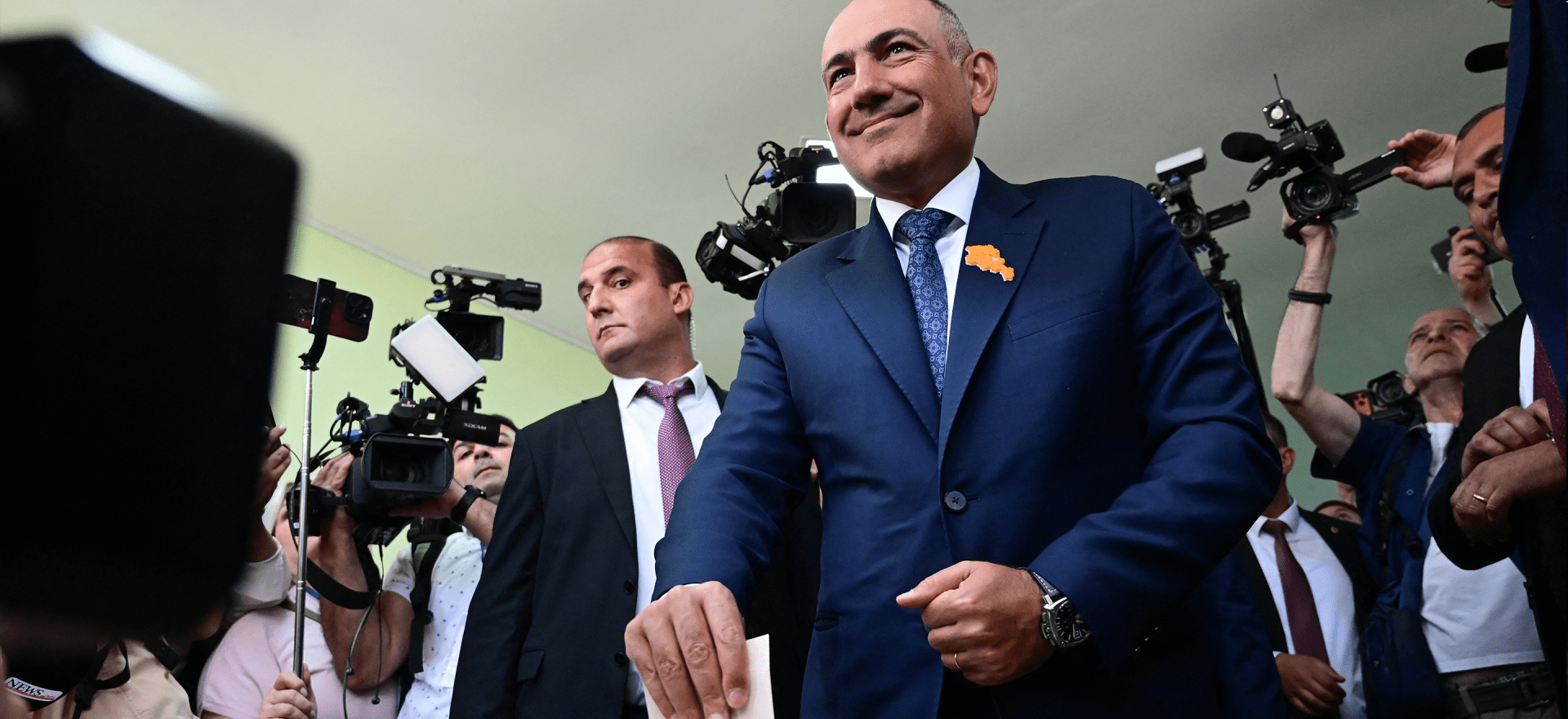
Armenian Prime Minister Nikol Pashinyan secured a narrow majority in the 2026 election in Armenia, showing that Russia’s influence in the country is declining. This victory is despite Russian pressure on the PM to abandon his European aspirations and to influence the election.
 Prefer U24 Media on Google
- Authors

-605be766de04ba3d21b67fb76a76786a.jpg "Joseph Place")
Election results in Armenia on June 8, 2026, showed that Pashinyan's Civil Contract Party won 49.8% of the vote, providing a sufficient majority over Strong Armenia, which received 23.2%, and other parties that received smaller shares. Civil Contract has sought closer ties with Europe and to reduce reliance on Moscow, whereas Strong Armenia advocates for restoring relations with Russia.
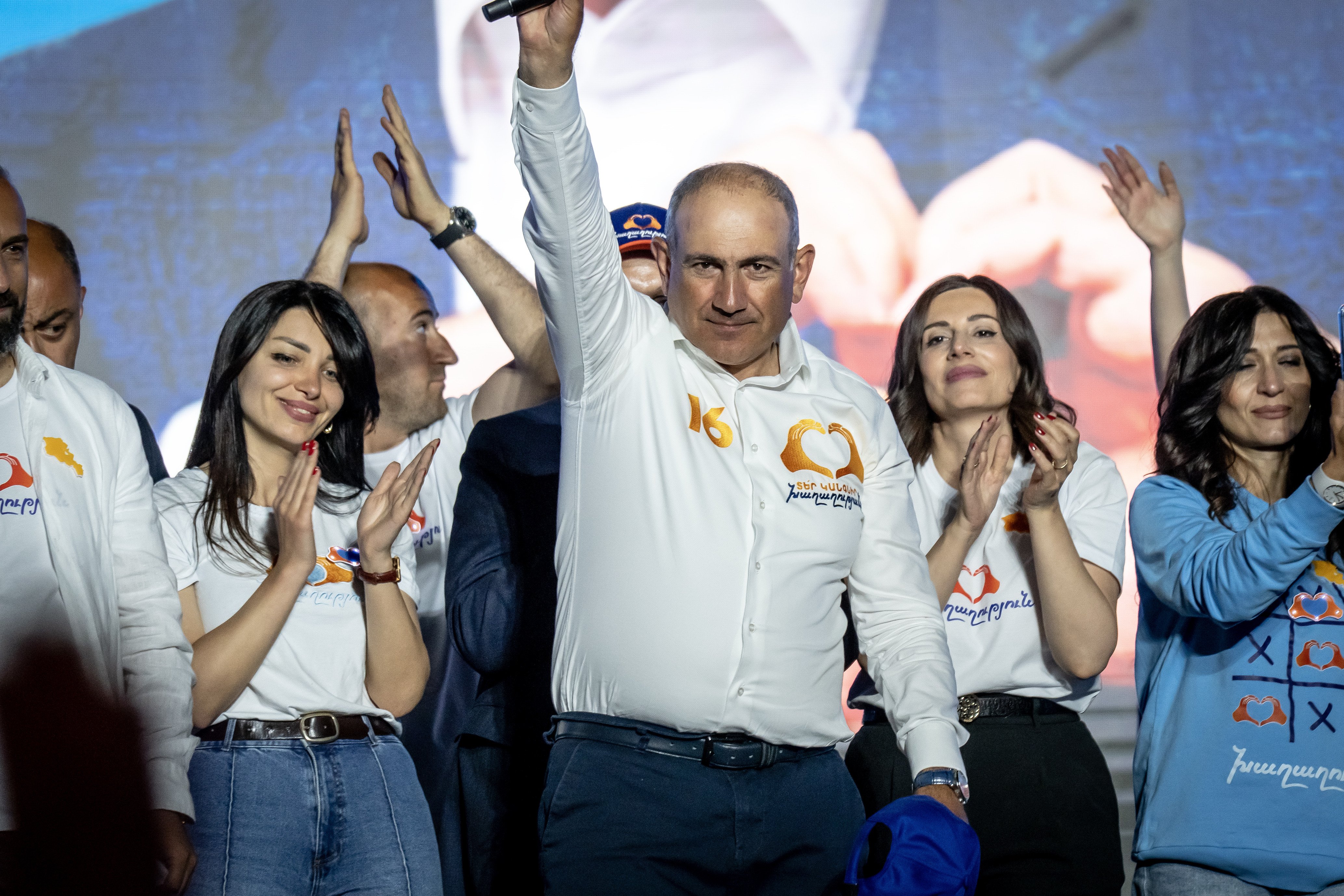
While support for the pro-Russian parties is not small in Armenia, Pashinyan's victory reduces Russia’s sway over the country. Pashinyan wants Armenia to obtain EU candidate status and supports getting closer to long-term adversaries Azerbaijan and Türkiye after the conflict over Nagorno-Karabakh/Artsakh.
We bring you stories from the ground. Your support keeps our team in the field.
Why Russia is losing influence in Armenia
Russia and Armenia had a close relationship until the second Nagorno-Karabakh conflict, where its “peacekeepers” failed to intervene as Azerbaijani forces entered the region and gained control. Russia tried to influence both countries, but Armenia and Russia had a particularly close geopolitical relationship, being part of the Russian-led military alliance CSTO for much longer than Azerbaijan, which had and has a much deeper relationship with Türkiye, and has increased cooperation with closer to Ukraine over time.
While it is still a member of the Russian-led Eurasian Customs Union and Russia maintains a military base in the country, Armenia suspended its CSTO membership in 2024 and has pursued diplomatic ties elsewhere.
Pashinyan is pursuing a reset with Azerbaijan after the conflict, as well as their close ally, Türkiye, which will reduce Russia’s influence in the region. After the election result, he said, "My message to Turkish and Azerbaijani societies: the people of Armenia voted for peace and regional cooperation," Pashinyan said. The two countries have been working out trade deals and reopening closed borders. Pashinyan also wants a peace treaty with Azerbaijan and better integration in trade and transport.
Russian pressure on Pashinyan
Putin demanded that Pashinyan hold a referendum regarding Armenia’s membership in the customs union if it wants to pursue closer ties with Europe, but the Prime Minister refused, saying it made no sense when it was not even a candidate for EU membership. In May 2026, Russia enacted a ban on fruit, vegetables, brandy, and herbs from Armenia and threatened to cut off gas supplies.
This not only harms relations but also demonstrates the sort of pressure Russia uses against those who seek allies elsewhere and, likely, to affect the elections. In response, the EU agreed to send €50 ($57.6 million) to Armenia to help with trade to support its economy, and Armenia and the US signed a trade deal.
The Russian media has compared Pashinyan to former Ukrainian President Poroshenko, painting him as an adversary to Russia, and Russian propagandists have also claimed Western interference in the election. Putin has also threatened Armenia, saying on May 9 that “attempting to join the EU” is what led to the Russian invasions of Ukraine in 2014 and 2022, and said that Armenia could face a “Ukraine scenario.”
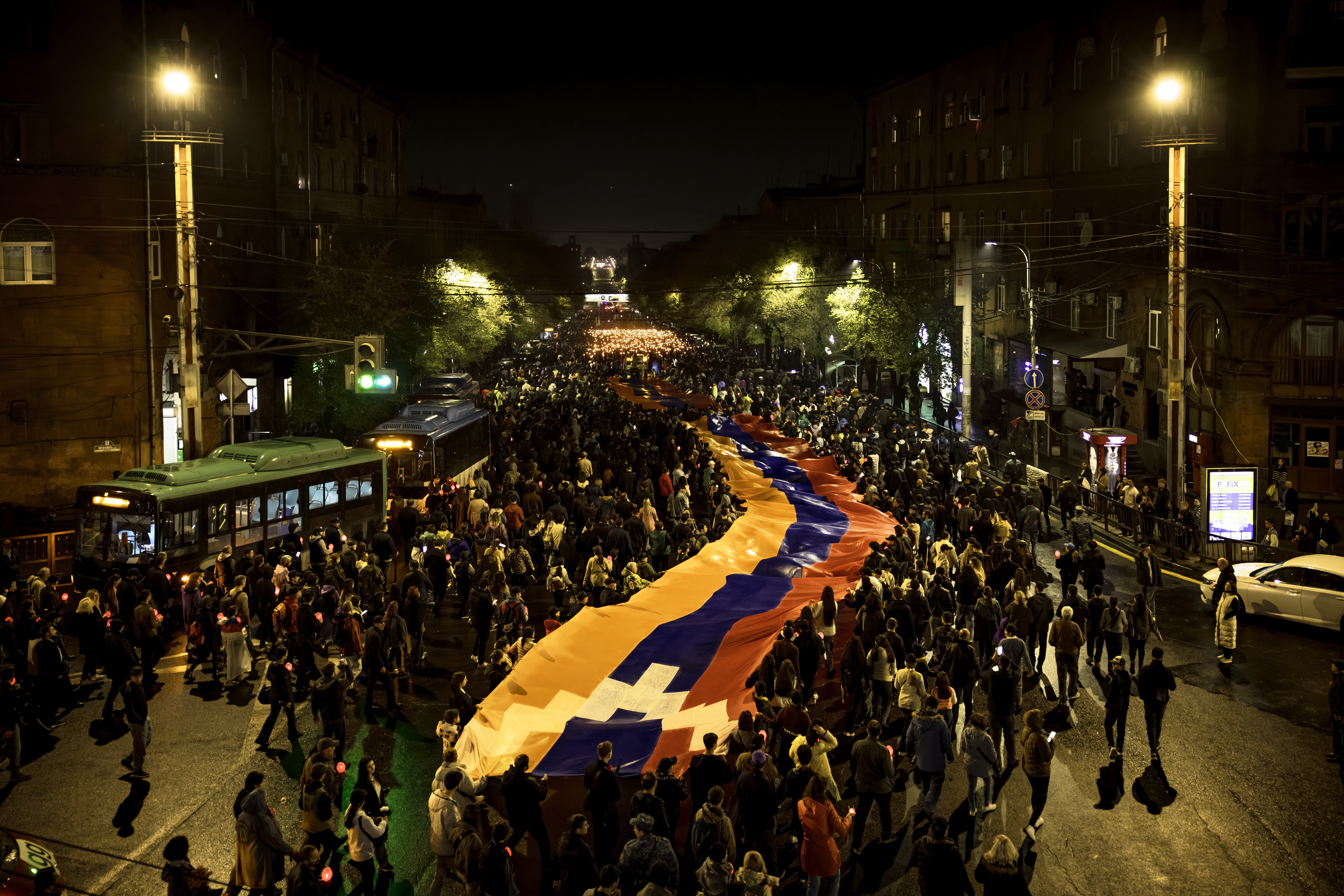
Russia also waged a hybrid campaign against Armenia in the run-up to the election, including spending millions on spreading disinformation on social media in the country to support the Russian-Armenian oligarch-led Strong Armenia party or at least fracture the government’s power. In addition, they sent Russian-Armenians, including those in the Russian army, to vote against the PM. However, it appears that these efforts were unsuccessful. It may still be possible that Russia continues to influence and threaten the country, although this will likely push America further away.
Russia is losing its power and influence over Azerbaijan and Armenia, leaving only the Georgian government, Georgian Dream, as Moscow’s most politically sympathetic partner in the South Caucasus. It is fast running out of allies in its former sphere of influence, as it continues to lose more credibility on the global stage amid mounting military and diplomatic setbacks stemming from its war against Ukraine.
FAQ
How do elections work in Armenia?
In Armenia, they have a parliamentary system since 2015, so voting only takes place regarding members of parliament rather than the president directly. Voters choose the political party they want, and they get seats proportional to their overall vote share. Whoever has the majority of seats forms a government. Parties need to pass a 5% threshold, while alliances (blocs) must pass 7% to be included in parliament. A party or bloc needs 50% to form the government, otherwise a second round of voting takes place. After a majority is formed, the President of the Armenia then assigns power to the Prime Minister, who is nominated by each party or bloc prior to the election. .
Who holds the most power in the Armenian political system?
The prime minister holds the power in Armenian politics, and the president is a largely symbolic role, whose main role is to uphold judicial laws and the constitution, whereas the Prime Minister enacts legislation and is essentially the commander in chief of the defense forces.
Who are the main political parties in Armenia?
Civil Contract is the current party who has been in government since 2018, created by Nikol Pashinyan in 2015. They acquired power after the “Velvet Revolution” — a non-violent civil uprising against the then prime minister due to concerns he would stay in power beyond his legal term. The party’s main goal is reform in the country, human rights, economic development, cleaning up corruption, and developing a closer relationship with the EU.
The second party is the Strong Armenia, part of the pro-Russian Armenian Alliance. This is led by a Russian-Armenian oligarch and advocates closer integration with the CSTO and Eurasian Customs Union.
Who is Nikol Pashinyan?
The current President of Armenia, a former journalist, who has been involved in politics since 2007. Ideologically, he has been described as a reformer, liberal, populist, centrist, and pro-Armenia (as opposed to purely pro-Russia or pro-West) though he claims he is post-ideology.
What were the main issues in the Armenian election in 2026?
The loss of control of Nagorno Karabakh has been a source of contention in the background of the election. Pashinyan wants to normalize relations with Azerbaijan and not instigate war over the territory, and remove mention of the claim over the region from the constitution. The goal is to move on and develop the country with positive relationships in its region. However, the relations with Russia and elsewhere have been a major divide in the election, with those seeking to make Armenia closer to the EU and move away from Russia voting for the government, and Russophiles voting for the parties of the Armenian Alliance.
Discuss this article:

-c439b7bd9030ecf9d5a4287dc361ba31.jpg "Photo of Katherina Popilnichenko")
-72b63a4e0c8c475ad81fe3eed3f63729.jpeg "Photo of Cyril Barabaltchouk")
-111f0e5095e02c02446ffed57bfb0ab1.jpeg "Photo of Roman Kohanets")