- Category
- Anti-Fake
As Russia Heads Into Parliamentary Elections, Meet the Foreign “Observers” Giving Them a Potemkin Veneer of Legitimacy
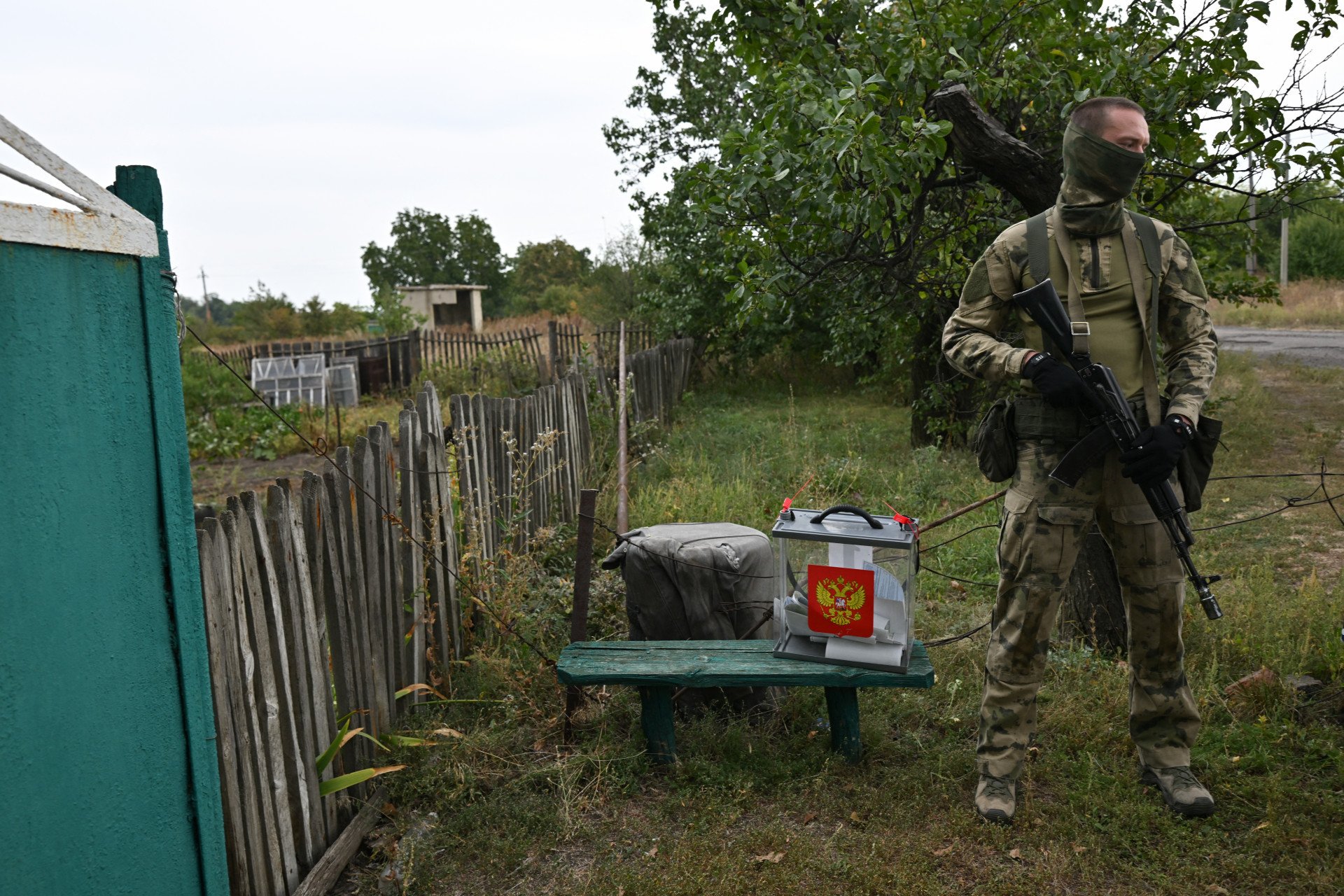
With OSCE observers absent and a CIS mission set to monitor Russia’s September 18–20 parliamentary election, previous votes offer clues as to how Moscow seeks to give the process an appearance of international legitimacy.
 Prefer U24 Media on Google
- Authors


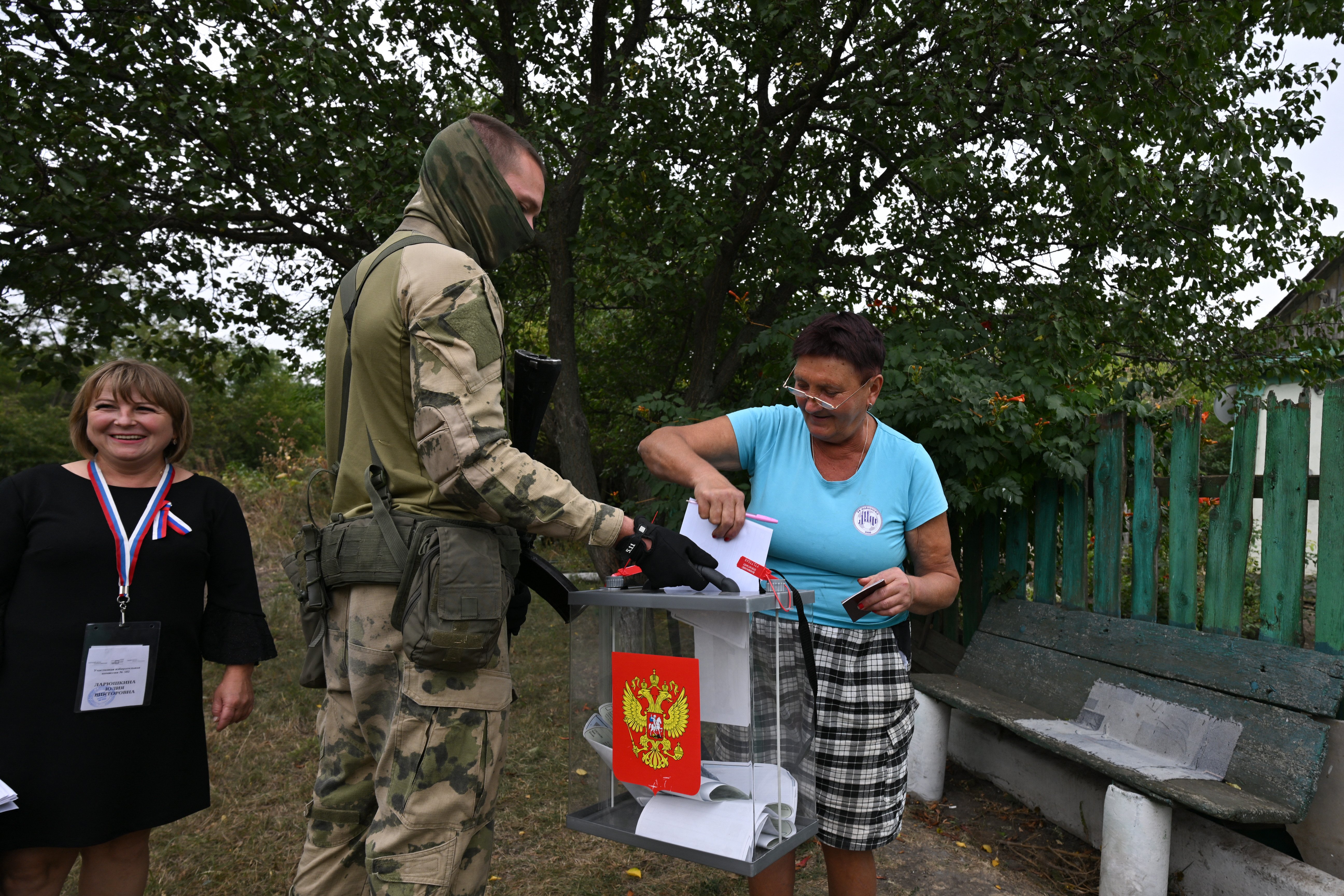
Russia’s parliamentary elections are underway, with Moscow claiming more than 1,000 foreign observers having arrived to monitor the vote. This is the country’s first vote for the State Duma since the full-scale invasion of Ukraine began in 2022. All 450 seats in the lower house of parliament are up for election, alongside a series of regional and local races. Russia also plans to conduct illegal voting in Ukrainian territories it temporarily occupies.
The election comes at a potentially consequential point in Russia’s war against Ukraine. Ukraine’s intelligence says Russian planning documents envision mobilizing around 300,000 people in 2026 and another 300,000 in 2027. The Kremlin has publicly maintained that another mobilization is unnecessary.
Russia did not invite observers from the Organization for Security and Co-operation in Europe (OSCE), whose election-monitoring arm regularly assesses elections across its participating states. Russia will, however, have observers from the Commonwealth of Independent States (CIS), a regional grouping in which Russia is the largest member.
Beyond such institutional missions, Moscow has previously presented individual foreign visitors as “international observers” or outside validators of Russian-organized votes. They include activists, bloggers, politicians, and self-described experts, some with longstanding ties to Russia or pro-Kremlin organizations and others with a record of promoting narratives aligned with Moscow’s positions. Several have returned repeatedly to observe Russian elections or Russian-organized votes in occupied Ukrainian territories.
Here are some of the foreign figures who have played that role.
German “humanitarian aid” and Russia’s war in Ukraine
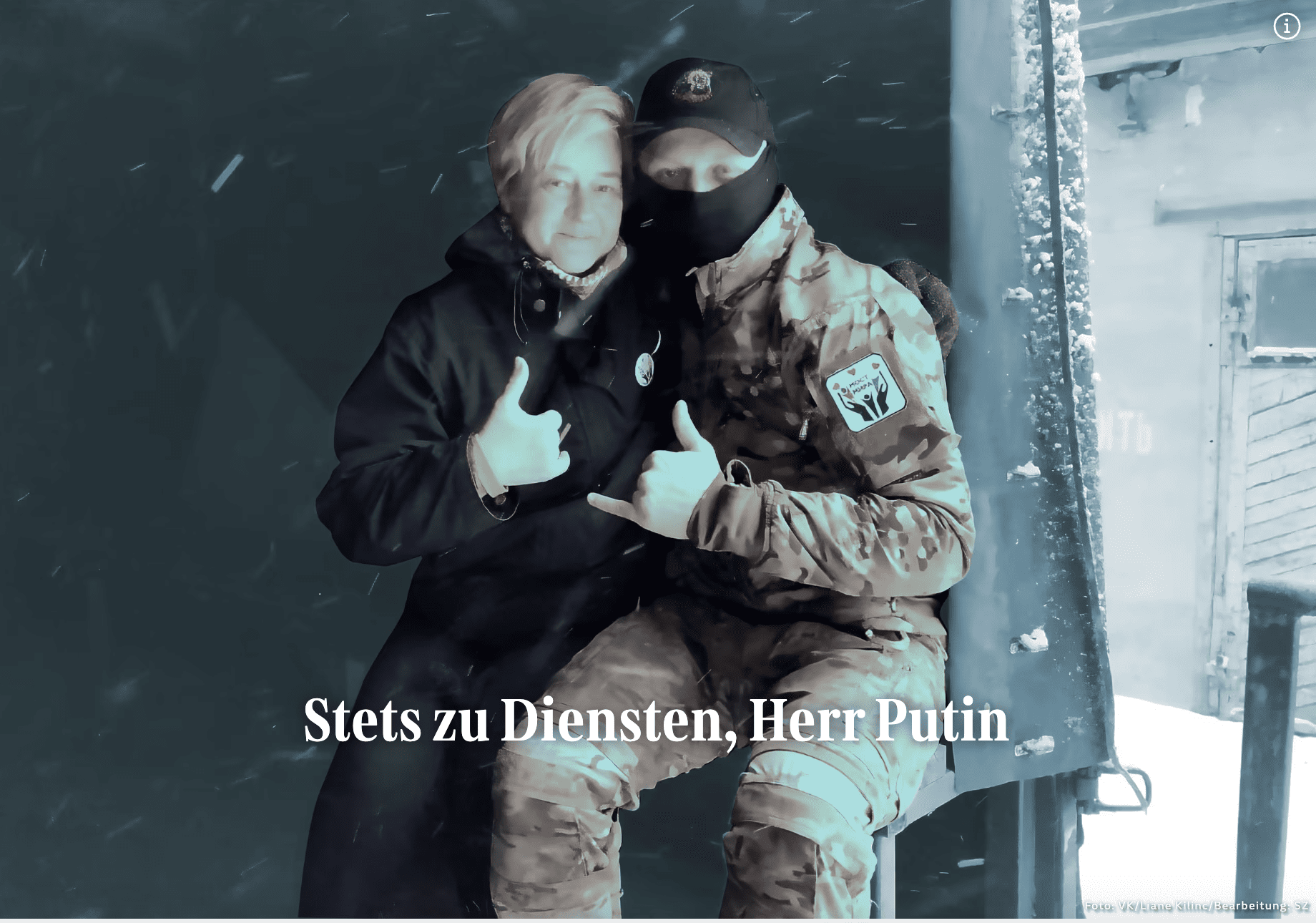
German national Liane Kilinc spent years heading Friedensbrücke—Kriegsopferhilfe, an organization that presented itself as a humanitarian group. But in May 2025, Germany’s Federal Prosecutor’s Office conducted searches as part of an investigation into suspected support for foreign terrorist organizations. According to German investigators, Kilinc’s organization had been providing aid to pro-Russian armed groups in eastern Ukraine since 2015. A joint investigation by WDR, NDR, Süddeutsche Zeitung, and ARD Monitor found that the assistance included not only food but also camouflage nets, communications equipment, and drone components. By then, the 54-year-old Kilinc was already in Russia.
That has not stopped her from presenting herself as a representative of “ordinary Europeans.” In 2022, she took part as an “international observer” in Russia’s sham referendum in occupied Ukrainian territory. Russia later granted her asylum and, in 2025, citizenship.
Her father worked for East Germany’s notorious Stasi secret police. German journalists published material about her contacts with an intermediary for Russia’s FSB security service, with whom Kilinc discussed content publication schedules and the political narratives it would promote. Her story illustrates how someone with a German passport can simultaneously provide material support to the Russian side and be used as evidence that “there are people in Europe who support Russia, too.”
Pro-Russian activism and an espionage investigation in France
Franco-Russian Anna Novikova founded SOS Donbass in France, an organization that collected aid for Russian-occupied territories of Ukraine and organized campaigns such as “La Russie n’est pas mon ennemi” — “Russia Is Not My Enemy.” Its activists protested with placards against French military assistance to Ukraine, and the organization eventually became part of the pro-Russian propaganda ecosystem in France. Reuters found that Novikova maintained contacts with structures linked to Russia’s ruling United Russia party and other pro-Kremlin organizations.
Her organization was also the source of a false story about French fighters allegedly killed in Ukraine. In January 2024, the French pro-Russian association SOS Donbass circulated a list of 13 names that was subsequently picked up by Russian propaganda outlets. French national television channel TF1 reported that the information was false.
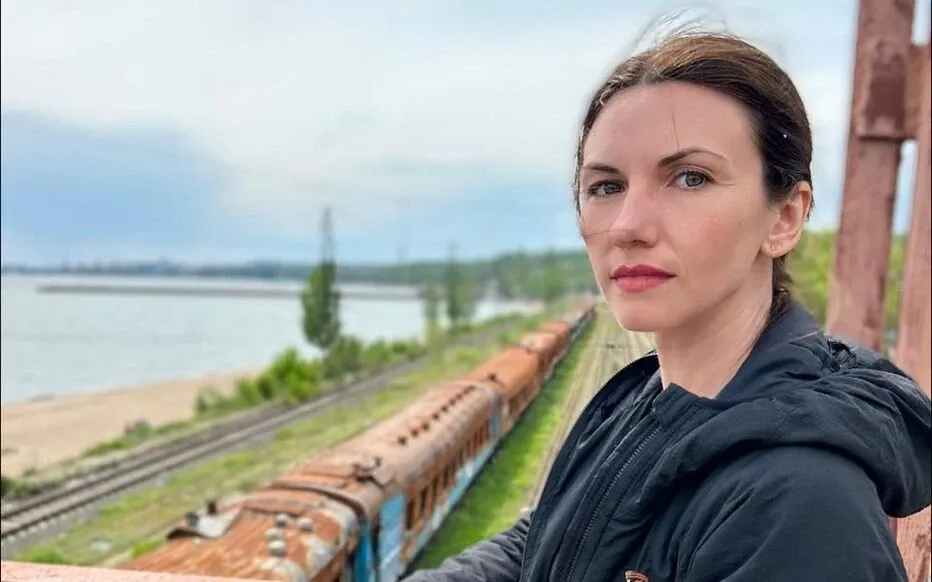
In 2025, the case went far beyond political activism. French law enforcement authorities detained Novikova, and prosecutors charged her with cooperating with a foreign state, criminal conspiracy, and collecting information about French economic interests on behalf of a foreign state.
A separate strand of the case involves an alleged attempt to work with Corsican nationalists. In July 2026, Le Parisien reported that investigators were examining whether people affiliated with SOS Donbass had, at the request of GRU representatives, sought contacts within Corsican separatist circles for potential “Russian-Corsican” operations.
When Brit’s conspiracy theories become Russian “expertise”
British blogger Vanessa Beeley became known well before Russia’s full-scale invasion of Ukraine. During the war in Syria, she was one of the most active critics of the White Helmets, a humanitarian organization made up of several thousand volunteers — including former teachers, engineers, and firefighters — who pulled people from the rubble as bombs, including Russian ones, fell on Syrian civilians. Beeley accused them of links to terrorists and of staging footage of civilian rescue operations.
Russian diplomacy eagerly seized on her claims: Russia presented Beeley’s material about the White Helmets at the United Nations as “evidence.” It is a standard propaganda formula: a conspiracy theorist publishes a claim; Russian propaganda outlets operating abroad amplify it; and the Kremlin then cites it as an independent Western source.
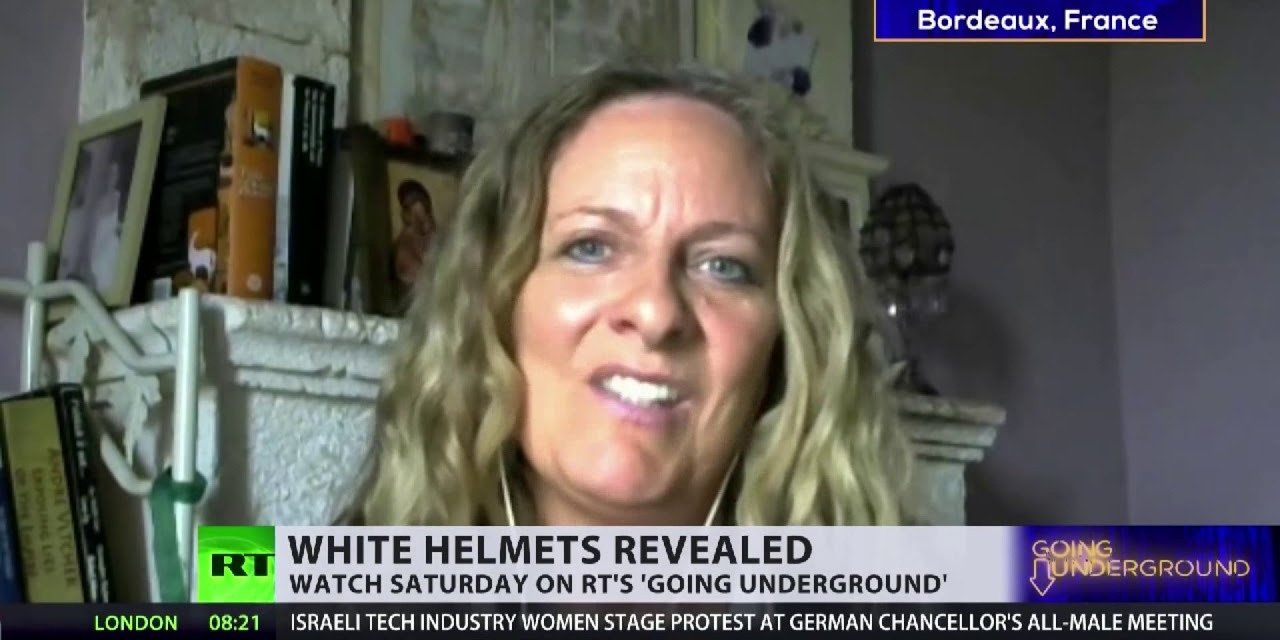
Beeley has also publicly promoted claims questioning the official account of the terrorist attack on the French magazine Charlie Hebdo; called the attack on Paris’s Bataclan concert hall, which killed 89 people, a false flag operation; claimed that al-Qaeda was not behind the September 11 attacks; and said that “Zionists control France.” Against this backdrop, Russian media RT (Russia Today) described her as an “independent journalist and researcher,” while Russian officials met with her during her visits to the country.
The influential organization Reporters Without Borders has included Beeley among foreign propagandists spreading Russian disinformation.
In 2022, Beeley appeared in yet another role—as an “international observer” at Russia’s sham referendum in the occupied part of the Donetsk region. She described the process as completely honest and transparent. In this way, a conspiracy theorist whose claims had been amplified by Russian propaganda for years also became a foreign voice enlisted to attest to the legitimacy of Russia’s annexation.
From sham observer to EU sanctions
French former military officer Xavier Moreau has for years presented himself as a geopolitical analyst and runs the website Stratpol. At the same time, he has systematically promoted pro-Kremlin interpretations of the war and participated in Russian political events designed to demonstrate supposed international legitimacy. Moreau was among the foreigners who appeared as “observers” at Russian-organized votes in occupied Ukrainian territories in 2014 and 2022.
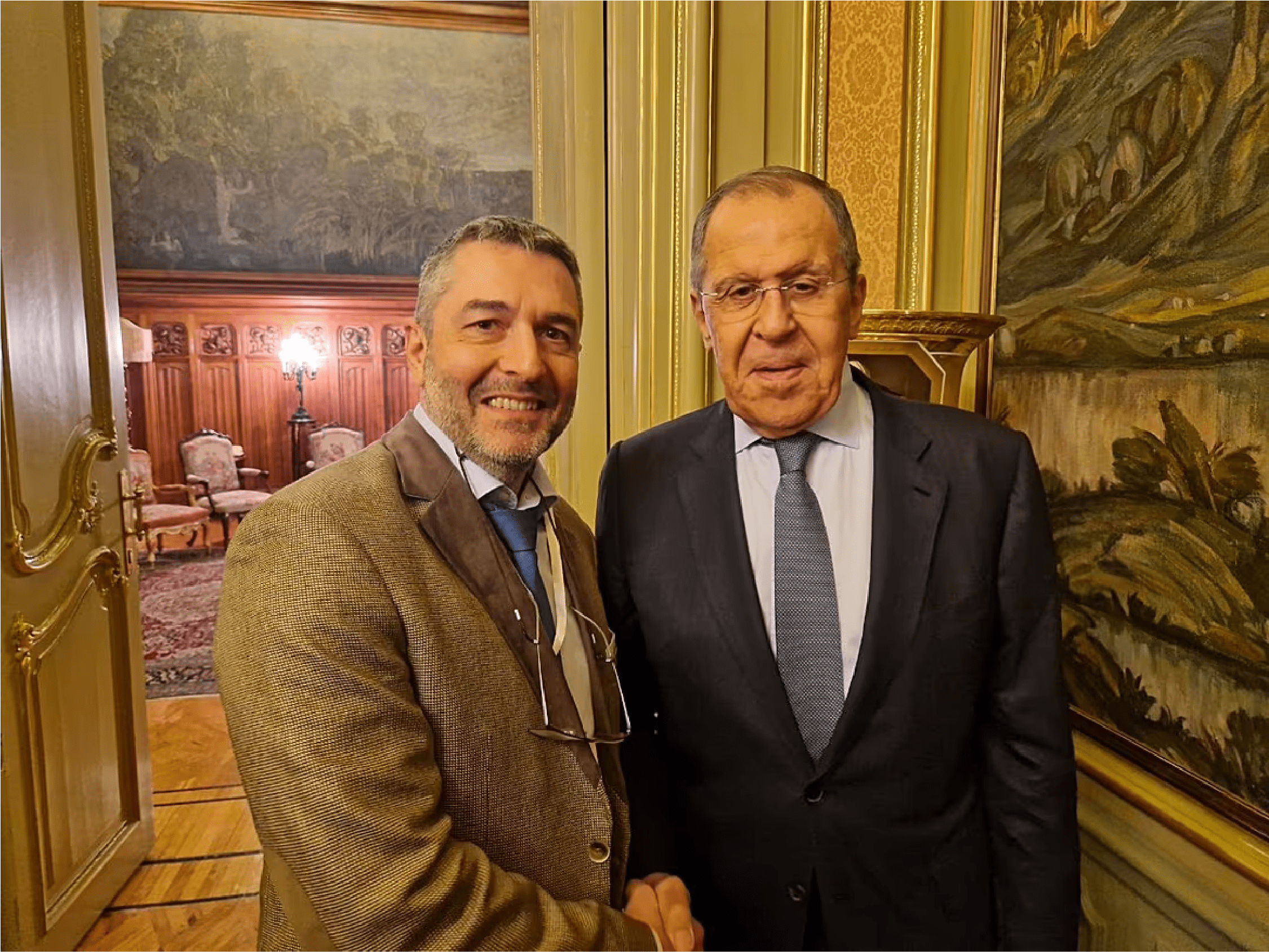
In December 2025, the European Union imposed individual sanctions on him. In its official justification, the EU explicitly described the 54-year-old Moreau as a mouthpiece for pro-Kremlin propaganda who spreads conspiracy theories about Russia’s invasion of Ukraine.
Among other things, Moreau has claimed that Ukraine orchestrated Russia’s attack on itself in order to join NATO. He has also blamed Ukraine for the downing of Malaysia Airlines Flight MH17—a claim that contradicts the findings of the international investigation.
More broadly, Moreau is presented to Russian audiences by the Russian Media not primarily as a Kremlin supporter, but as a “French expert”—effectively turning his nationality into part of the argument. Yet he has lived in Russia since 2000 and obtained Russian citizenship in 2013.
The Kremlin’s links to Europe’s far right
Another controversial Frenchman, Fabrice Sorlin, moved to Russia long ago and obtained Russian citizenship, yet Russian propaganda continues to present him as an example of supposed support from the European establishment.
Back in the 2000s, Sorlin headed Dies Irae, a Catholic traditionalist and nationalist movement. In 2007, he ran for parliament under the banner of the Front National. Le Monde has identified him as part of the French far-right milieu that increasingly looked to Moscow.
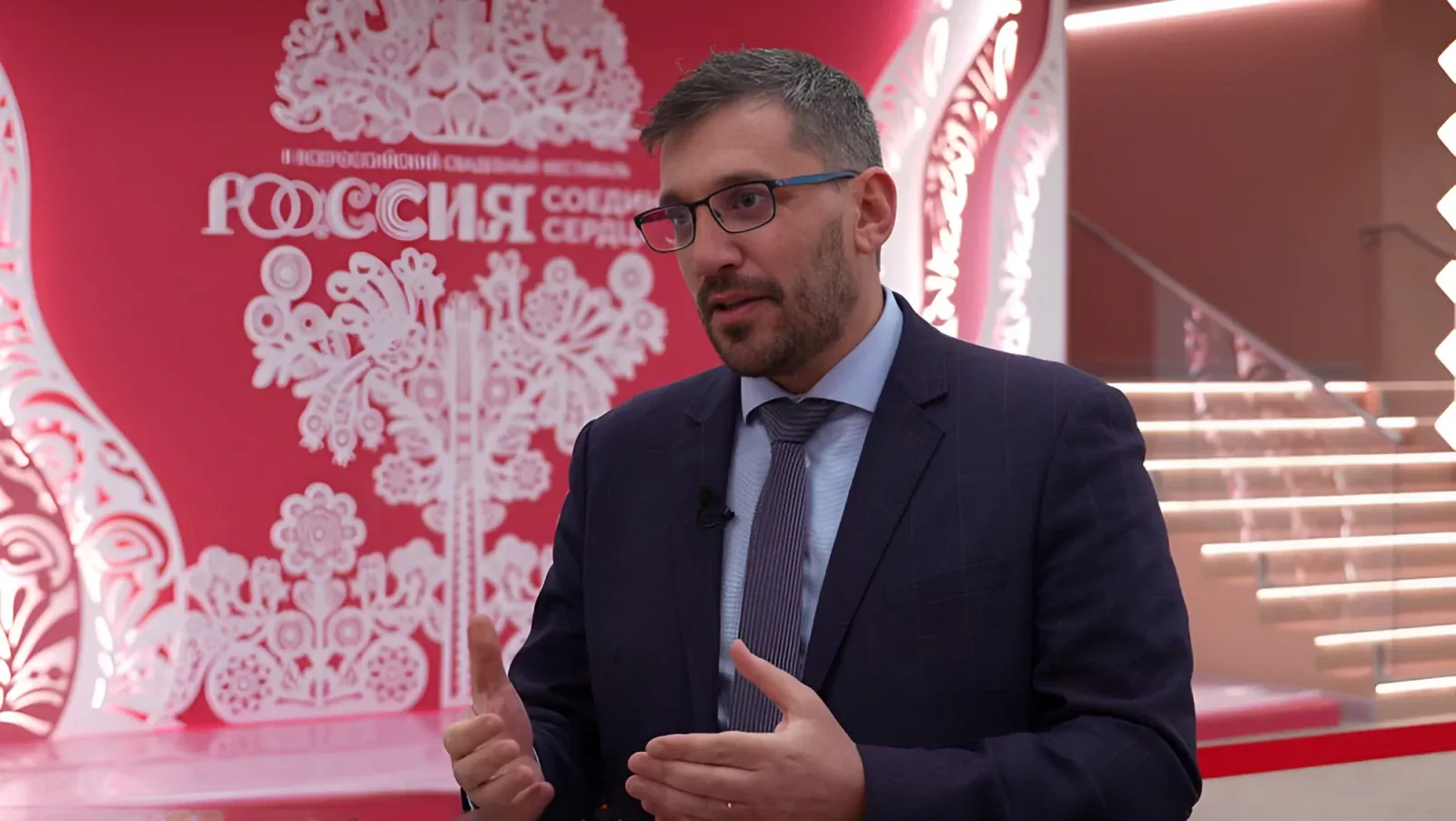
After 2012, he grew close to Konstantin Malofeev, a Russian Orthodox oligarch and ideologue who was later sanctioned by the EU for supporting separatists in the Donbas. According to the London-based investigative organization Dossier Center documents cited by the French newspaper JDD, Sorlin offered Malofeev his services for approximately €270,000 a year. He offered to help Malofeev navigate the French political landscape, build a support network there, and use his own connections to introduce him to figures from a range of different circles. Sorlin subsequently became, in effect, a bridge between Malofeev’s organizations and the French far right.
Today, the 46-year-old Sorlin is vice president of the International Russophile Movement, an organization that brings together foreign supporters of the Kremlin and has been described as a tool for consolidating Russian influence networks abroad. In December 2025, the EU placed the movement under sanctions, saying that it disseminates destabilizing narratives on behalf of the Russian authorities, maintains close ties with the Russian Foreign Ministry, leading Kremlin ideologue Alexander Dugin, and oligarch Konstantin Malofeev, and is used to influence public opinion in other countries.
Sorlin himself obtained Russian citizenship in 2024.
Russia’s repeat “international observers”
Spaniard Fernando Moragón illustrates another instrument of Russia’s external propaganda apparatus: foreign “observers.” In September 2022, he too was among the foreigners invited to attend the sham referendums on the annexation of occupied Ukrainian territories. His career as an observer did not end there: the European Platform for Democratic Elections documented his participation in Russia’s 2023 “local elections” in the occupied territories of Ukraine and in Russia’s 2024 presidential election.
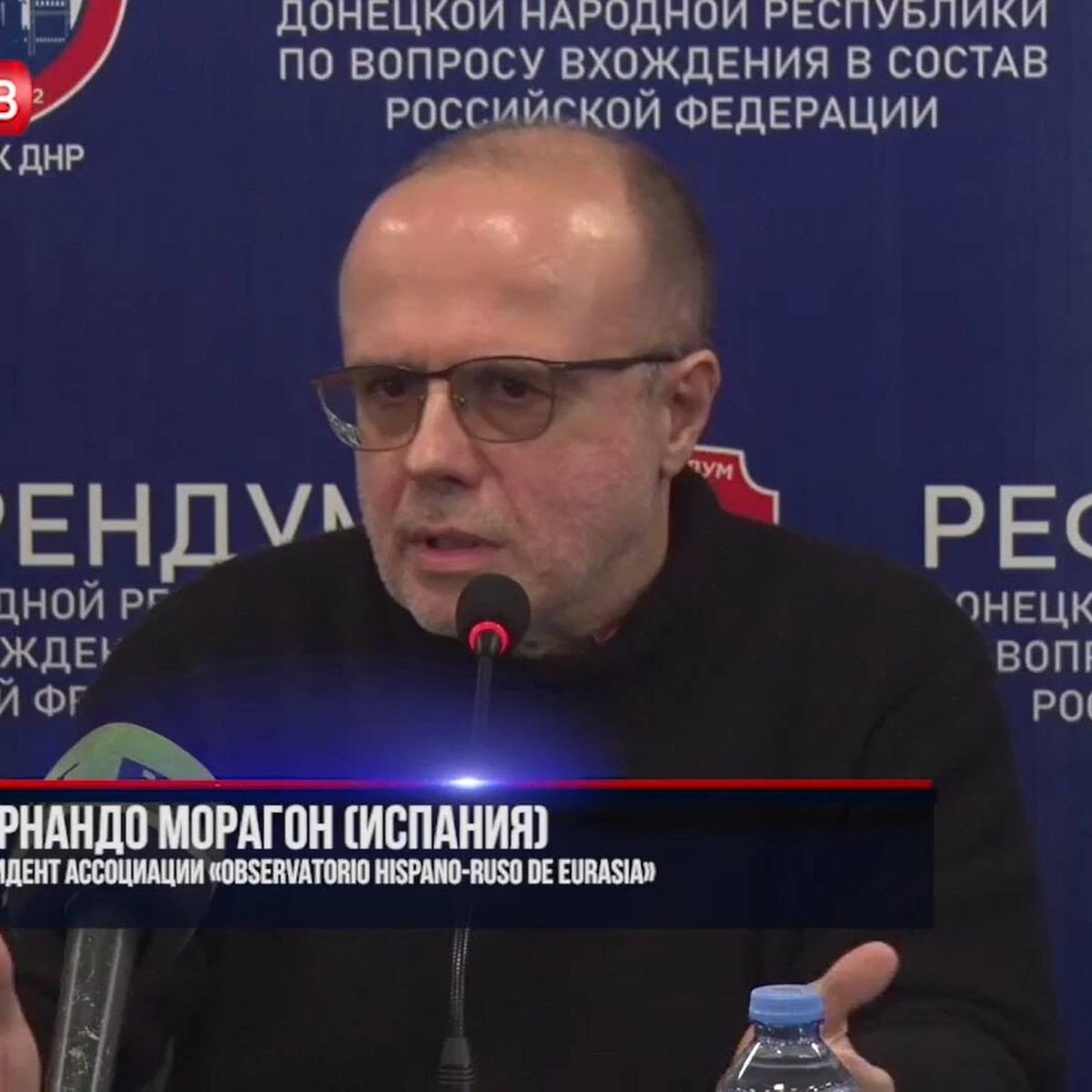
Moragón told Russian media that the voting was supposedly impeccably organized and transparent, and an example of how elections should be conducted. Instead of international missions operating under clearly defined monitoring standards, Russia’s information apparatus showcases individual loyal foreigners, labels them “experts” or “international observers,” and uses their statements as evidence of external recognition.
The European Platform for Democratic Elections has included Moragón in its database of Biased/Fake Observers.
How foreign voices give Russian elections an international face
The people profiled here have different backgrounds and varying degrees of connection to Russian institutions and pro-Kremlin networks. What they share is the role their nationality and public statements can play in Russian messaging. A favorable assessment carries a different weight when it comes not from a Russian official, but from someone introduced to audiences as a British journalist, French expert, German activist, or international observer.
Russian state and pro-Kremlin media can then amplify those statements as evidence of support or recognition from abroad, often while giving less prominence to the individuals’ political affiliations, previous activities, or connections to Russia. The result can create an impression of broader international validation than the credentials of those involved might suggest.
-55f21c7a1f82d98bd95d79ebc8b4ffdf.jpg)
The number of such figures need not be large. A handful of foreign voices can provide quotes, interviews, and television appearances in which nationality itself becomes part of the message: a “French expert,” a “British journalist,” or a “German observer” praising a Russian-organized vote can be presented as an outside assessment rather than another expression of Moscow’s own position.
Discuss this article:
-4a56a6b482ec132402c16ef6fcabf9a2.png)

-72b63a4e0c8c475ad81fe3eed3f63729.jpeg "Photo of Cyril Barabaltchouk")