- Category
- Business
Gazprom Returns to Profit as Russia Hikes Domestic Gas Tariffs to Offset Losses
 Prefer U24 Media on Google
- Authors

-72b63a4e0c8c475ad81fe3eed3f63729.jpeg "Photo of Cyril Barabaltchouk")
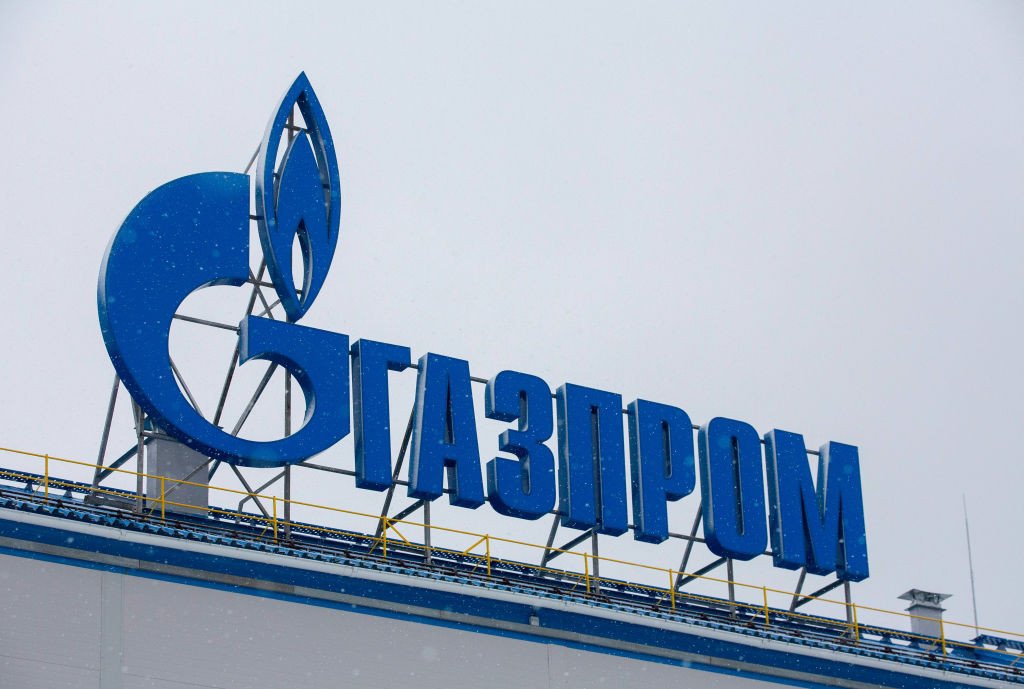
Gazprom’s core gas business returned to profitability in early 2026 as the Kremlin offset massive international losses by sharply increasing domestic utility bills for Russian citizens, The Moscow Times reported on April 30.
The gas giant’s headquarters reported a first-quarter net profit of 147.54 billion rubles ($1.97 billion) under Russian accounting standards.
We bring you stories from the ground. Your support keeps our team in the field.
This recovery follows a difficult 2024, during which the headquarters' gas business suffered a net loss of 1.076 trillion rubles ($14.37 billion). The rebound was largely triggered by domestic gas tariffs that increased by an average of 14.85% last year—the highest hike since 2014.
Government forecasts suggest the burden on Russian households will continue to grow, with utility rates expected to rise by an additional 27.9% through 2028.
Despite the jump in domestic profit, Gazprom’s international standing remains precarious. While the group’s total net profit under international standards (IFRS) reached 1.3 trillion rubles ($17.36 billion) for the previous year, its free cash flow dropped to 29 billion rubles ($387.3 million).
Analysis from Vector Capital, reviewed by The Moscow Times, says that the company’s business is “stagnating,” noting that even as volumes to China increase, they are sold at a 40% discount compared to former European rates.
-f9dfe5a91bdeceaca1da449afa83ddd6.png)
With European exports already collapsed and the Chinese market failing to replace the lost revenue, Russia has turned to domestic price indexation to sustain the state-owned monopoly. Vector Capital suggests that this practice will persist for years, effectively making Russian civilians the primary financiers for Gazprom’s survival amid its global isolation.
The financial pressure forcing Gazprom to hike domestic prices is mirrored by the permanent loss of its former European infrastructure. Germany had recently initiated the privatization of Securing Energy for Europe (Sefe, formerly Gazprom Germania ), the utility seized from Moscow following the 2022 full-scale invasion of Ukraine.
Sefe CEO Egbert Laege announced a capital increase of up to €2 billion ($2.34 billion) to dilute the German government’s stake, a move required by the European Commission to be finalized by 2028.
This transition strips Gazprom of its most critical storage and distribution assets in Europe, leaving the company with no path back to its former market and forcing it to rely almost entirely on “indexation” fees from Russian citizens to remain solvent.
Discuss this article:


-5f84711170d2769c4cda67ca2bebf5d2.jpg "Carpathian 8 Summit: Ukraine Leads Push for Security & Regional Growth")

-111f0e5095e02c02446ffed57bfb0ab1.jpeg "Photo of Roman Kohanets")
-4258f90da45ed571f27851d158610665.jpeg "Photo of Valeriya Ionan")
-92cc3cc3704a042ef4f32eb51a51081d.png "Activitis Builds Fintech Infrastructure for Ukrainian Business During Wartime")
-29a1a43aba23f9bb779a1ac8b98d2121.jpeg "Photo of Illia Kabachynskyi")