- Category
- Culture
Russia Looted Ukrainian Artist’s Masterpieces and Then Killed His Great-Grandson
 Prefer U24 Media on Google
- Authors

-f88628fa403b11af0b72ec7b062ce954.jpeg "Photo of Amira Barkhush")
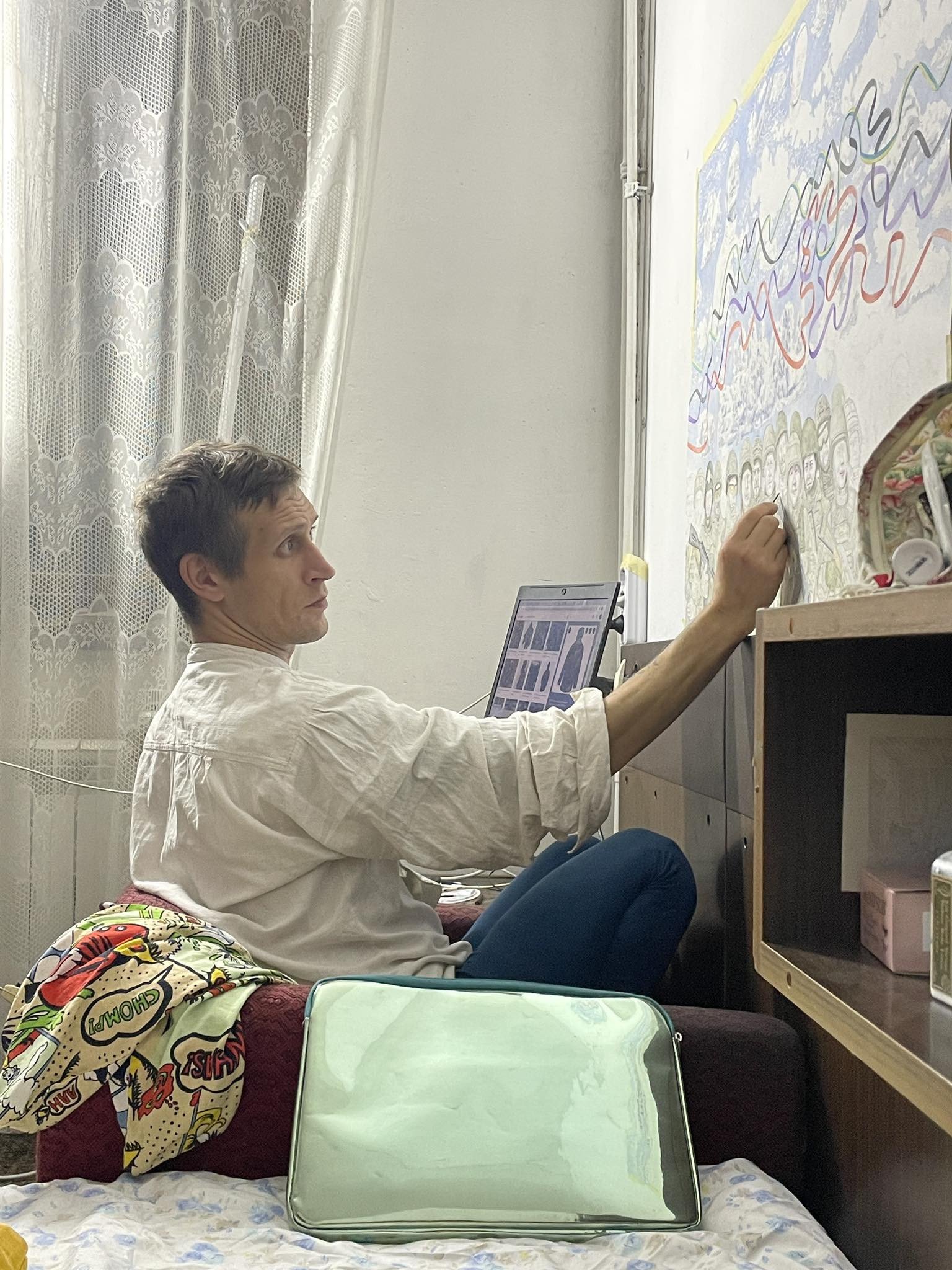
Russia stole the works of Ukraine’s renowned 20th-century painter Leonid Chichkan in 2022. Three years later, it claimed the life of his great-grandson, David Chichkan, an artist, anarchist, and soldier.
The tragic death of David Chichkan in action on August 10, 2025, has deeply affected Ukraine’s artistic community. At just 39 years old, his passing is a profound loss not only to his family and friends but also to Ukrainian culture, which continues its fight for identity and independence.
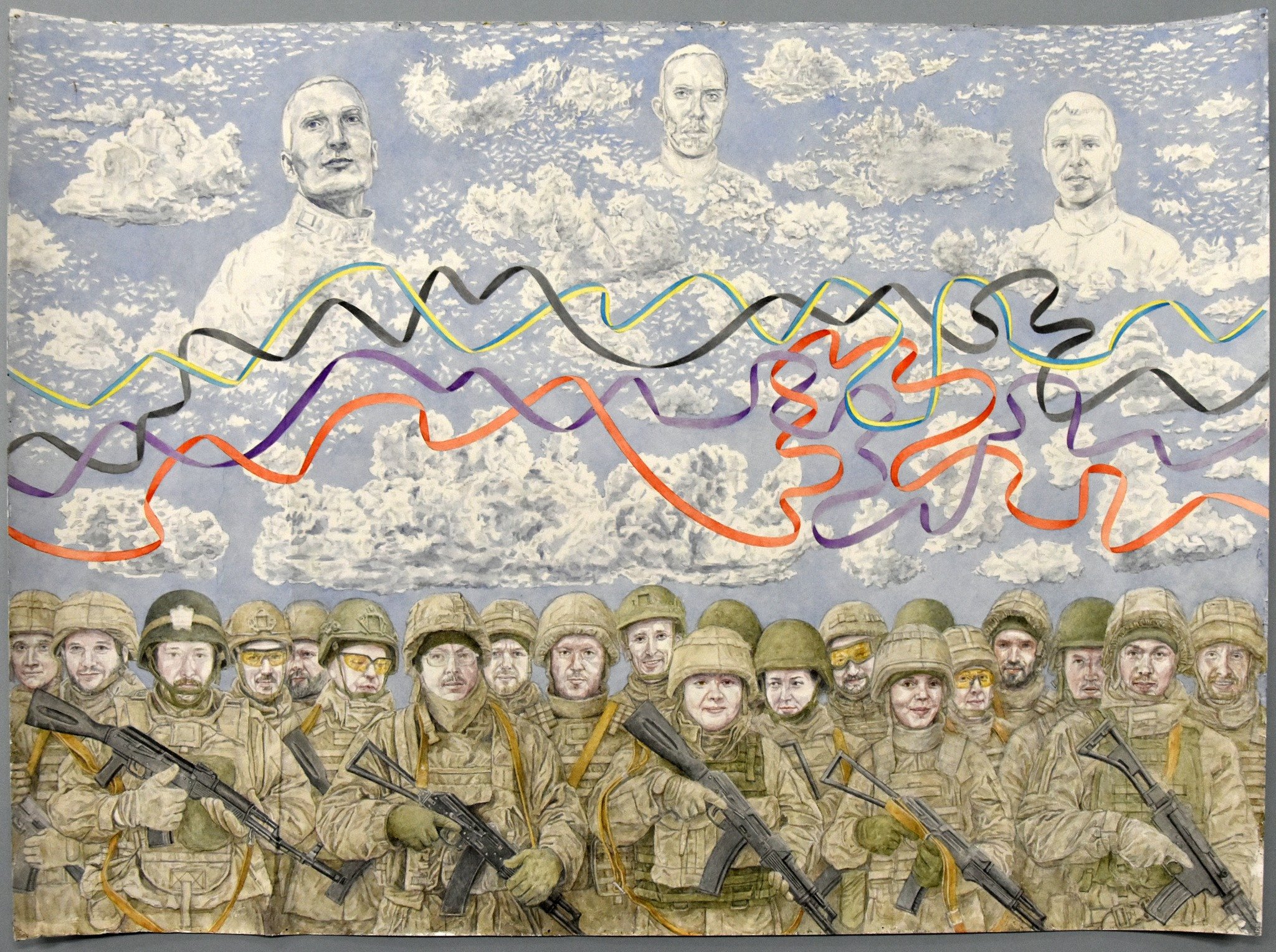
The life and work of David Chichkan
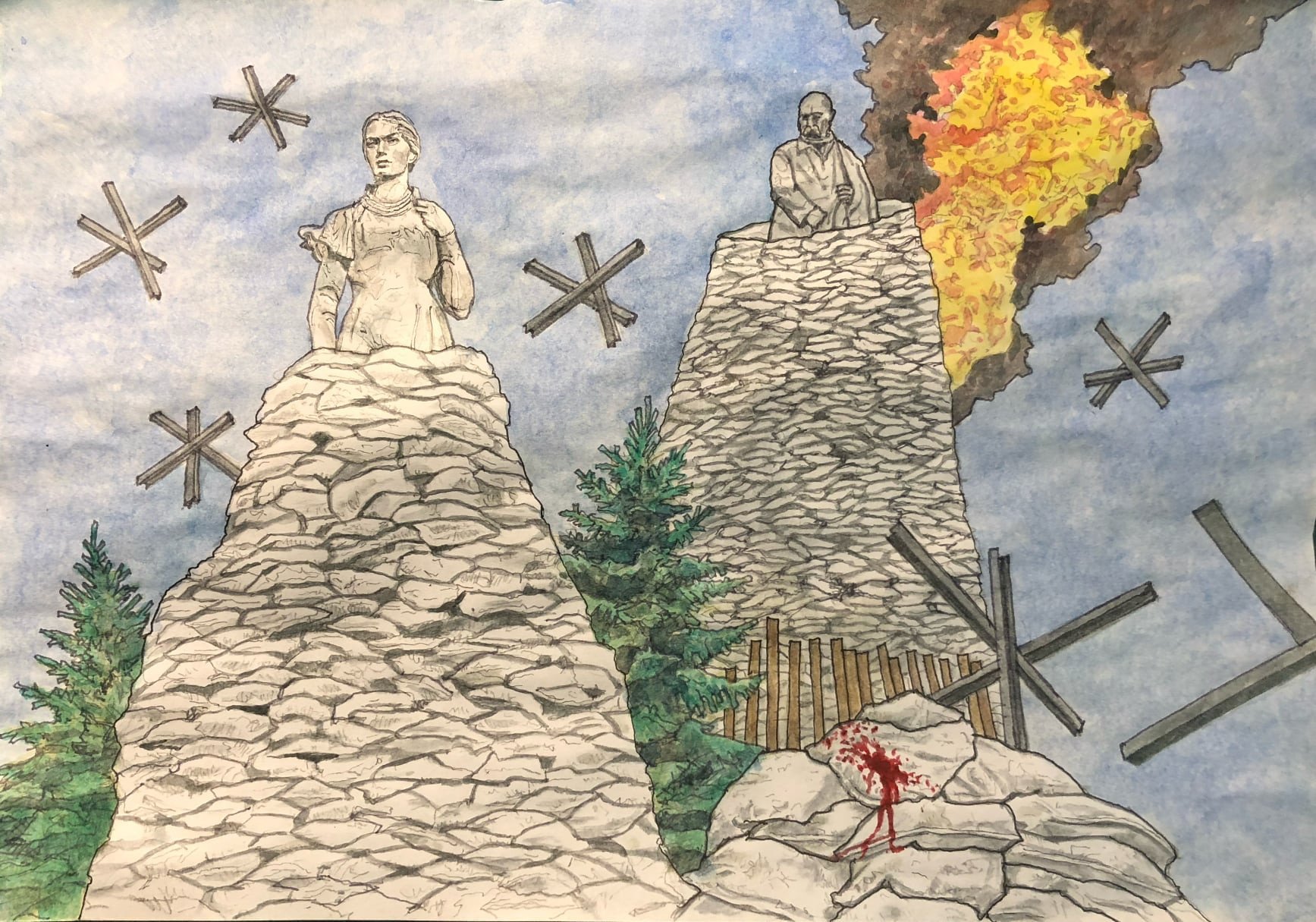
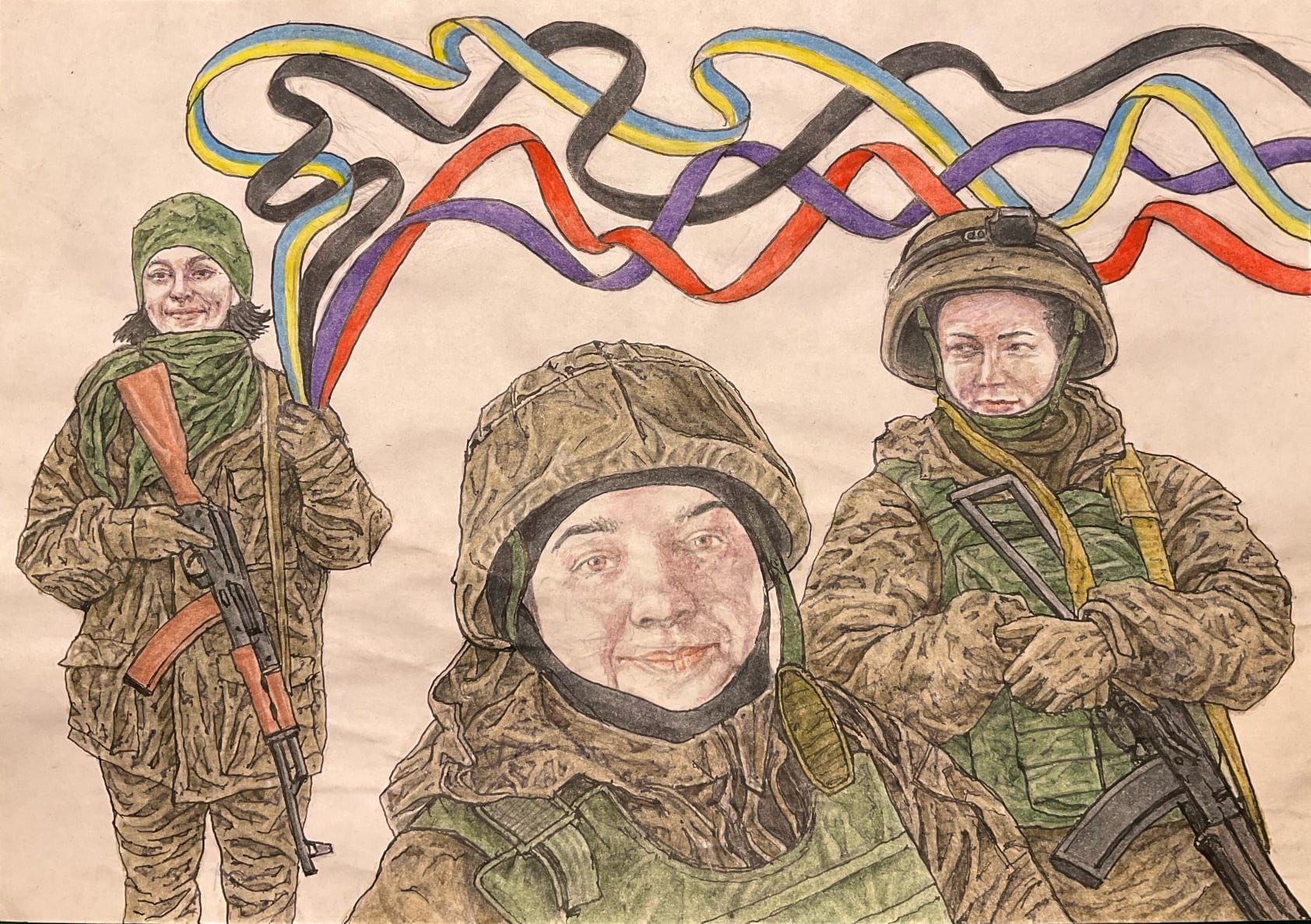
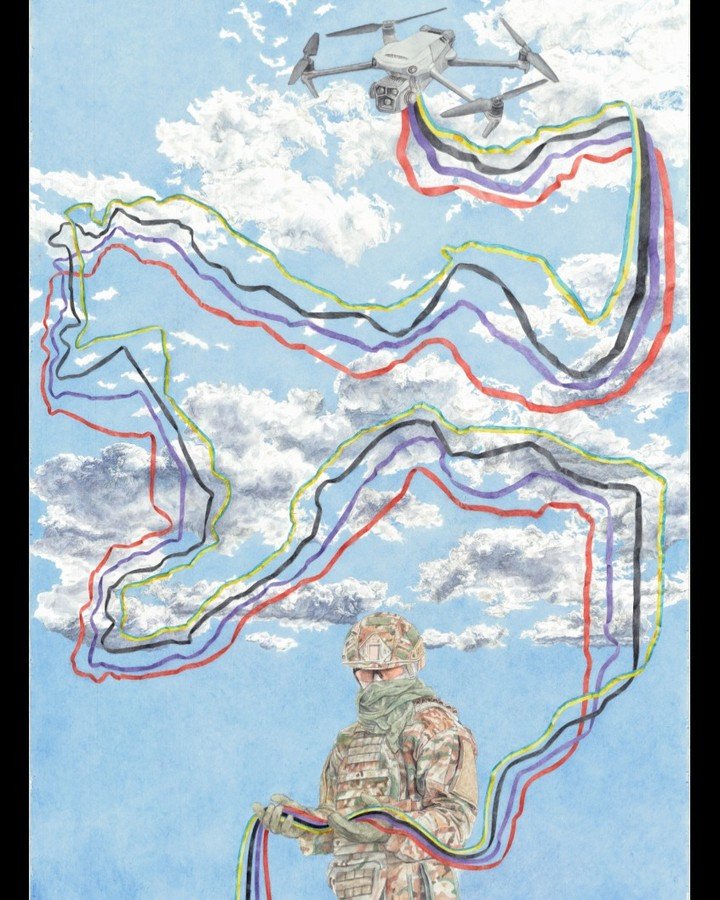
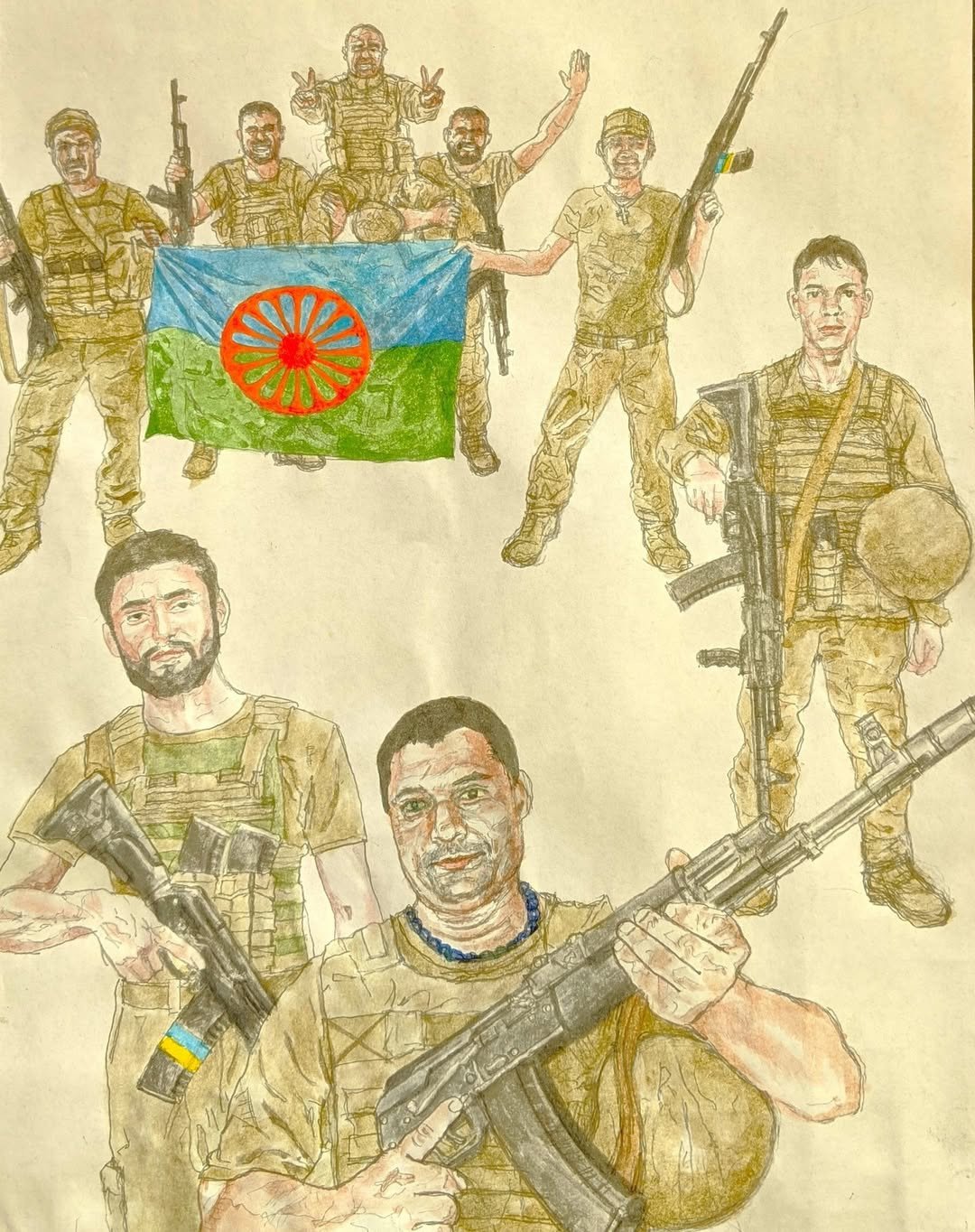
Coming from a family of renowned artists, David Chichkan’s artistic practice spans multiple media, including watercolor graphics, installations, street art, and performance. Activism was an inseparable part of his art.
“I create images to produce numerous copies and reproductions,” David said in one of his interviews. “They are not meant for galleries, but for street walls, fences, entryways, and social media spaces, reaching the broad masses of workers. Only a limited number of people visit galleries, and for the most part, they are not the ones who would be interested in, disturbed by, or enraged by my work.”
An anarchist joins the fight
David’s joining the fight against Russian aggression was a continuation of his art and his political beliefs.
“He believed that true anarchists must share in the greatest hardships their people endure,” David’s comrades from the Resistance Committee—a Ukrainian detachment composed of anarchist and anti-fascist volunteers—wrote.
When Russia started bombing Ukrainian cities in 2022, David’s friend Nikita Kozachynskyi shared that European institutions offered Chichkan several thousand euros monthly to leave Ukraine and work for them. However, according to Kozachynskyi, Chichkan refused, believing that “making art about the war while being outside Ukraine is low behavior.”
Final battle and farewell
Chichkan had been injured while repelling a Russian assault in the Zaporizhzhia region, the Resistance Committee reported on August 9. He passed away from his injuries shortly after.
“He always approached any task that needed to be done with dedication, never hiding behind others or relying on his social capital,” the Resistance Committee wrote. “He was always genuine with people, sharing his deep thoughts on politics, ethics, and social justice with his comrades.”
David created a unique atmosphere around him, they said. He quickly found common ground with people of all beliefs while remaining true to his own convictions.
“He believed that true anarchists must share in the greatest hardships their people endure,” said the Committee. “His death is a tremendous loss for us.”
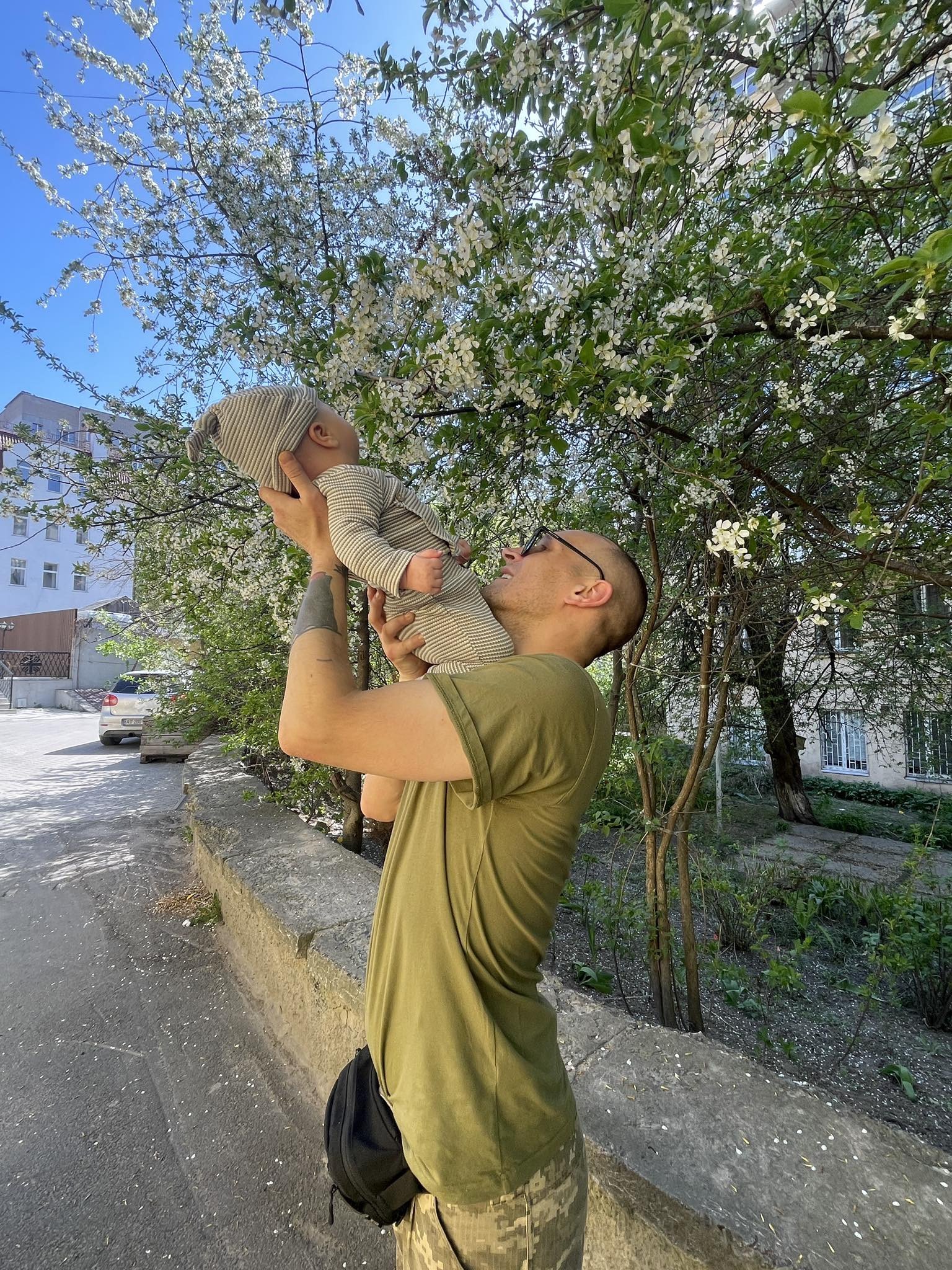
David’s death left his wife and young son to carry on without him.
“I can’t believe I’ll never see him grow old,” his wife, Anya Wtikenwneider, wrote on Facebook. “I had hoped that when his hair turned grey and he let his long mustache grow, like Ivan Marchuk, Ukrainian society would finally give him his due, call him a master, accept his elderly musings as truth, as it should be, and hold museum exhibitions and retrospectives.”
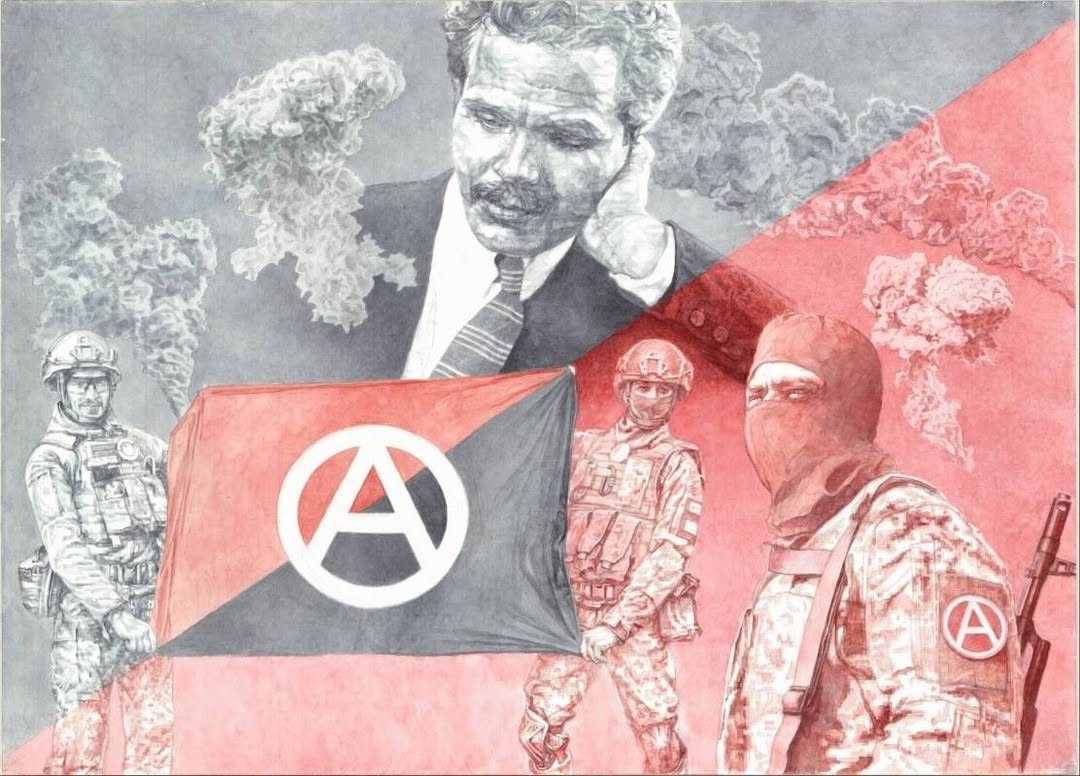
Journalist Yekaterina Sergatskova, co-founder of the publication Zaborona noted that David’s works often sought to highlight diversity”: “He incorporated symbols of minorities into his art, dedicating works to the Roma, LGBTQ community, political prisoners, outsiders, and underdogs.”
The loss of Chichkan’s legacy
The Kherson Regional Art Museum reminded on August 11 that Russia stole the collection of paintings by Leonid Chichkan—a prominent Ukrainian artist and David’s great-grandfather—when retreating from Kherson in November 2022 after Ukraine’s Armed Forces’ successful counteroffensive.
Three stolen paintings by the Ukrainian master, Gladioluses, Transcarpathian Motif, and Fish, were identified in occupied Crimea at the Central Museum of Taurida. The whereabouts of the rest of his works remain unknown.
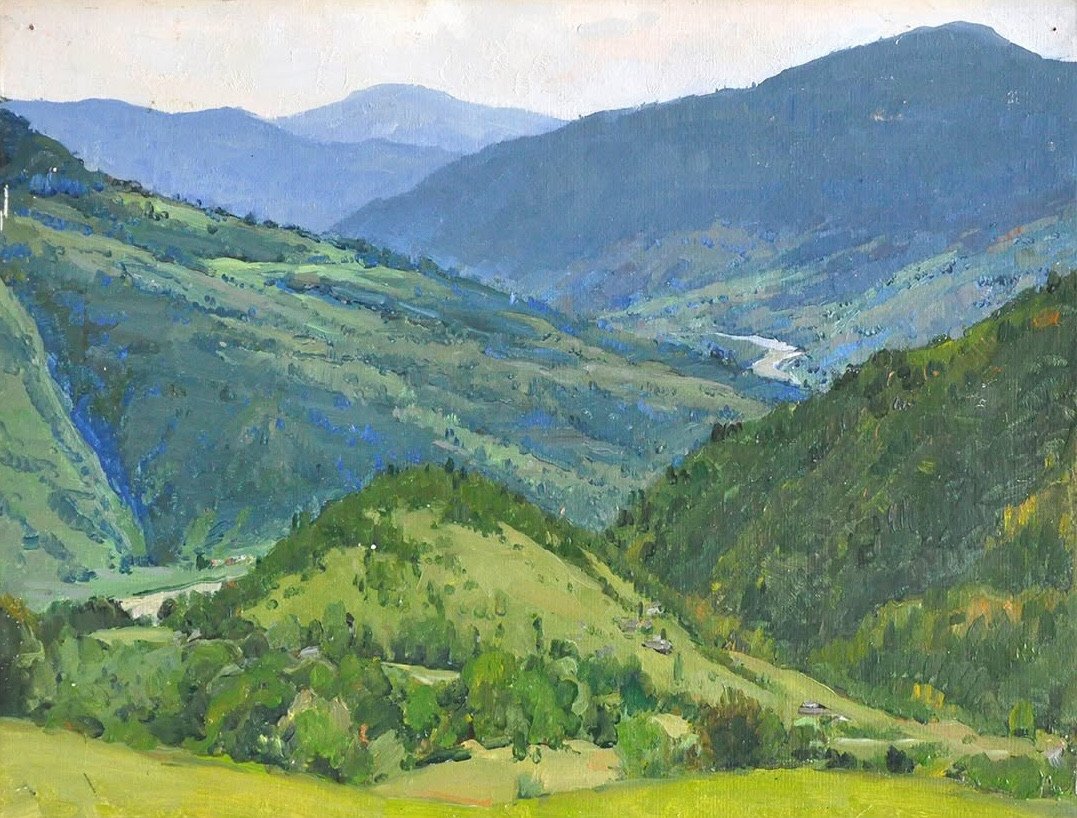
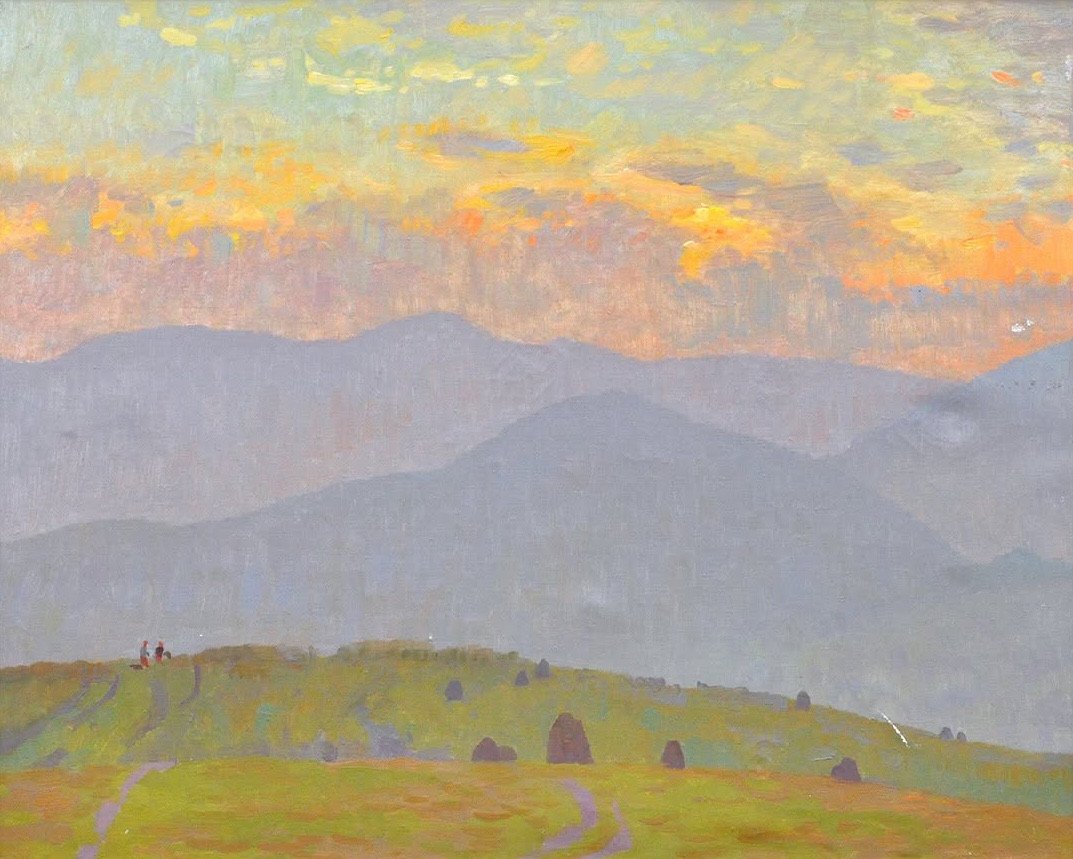
The Kherson Art Museum drew a poignant parallel: “The death of David Chichkan and the theft of his great-grandfather’s works are not two separate tragedies, but links in the same chain. David Chichkan died defending Ukraine from those who cynically stole his great-grandfather’s works from the Kherson Art Museum.”
Russia’s war on Ukraine’s culture
Generations of Ukrainian artists have been executed, subjected to sham trials, and forced into exile. From the Executed Renaissance—a flourishing of literature, theater, and art in the 1920s–30s, crushed by Soviet purges that killed over a thousand cultural figures—to the wave of repression in the 1960s that targeted the Shistdesiatnyky (Sixtiers) and claimed the life of poet Vasyl Stus in a labor camp, Russia has pursued a relentless mission to erase Ukraine’s culture.
Over a decade into Russia’s war against Ukraine, the death toll within Ukraine’s literary community as of August 2025 has risen to at least 248, reported Ukraine’s “Unwritten” project that documents the lives of literary figures.
The list includes well-known writers such as Hlib Babich, Victoria Amelina, Vasyl Palamarchuk, and Volodymyr Vakulenko, as well as those who were just beginning their creative journeys before the war.
Looting Ukrainian museums
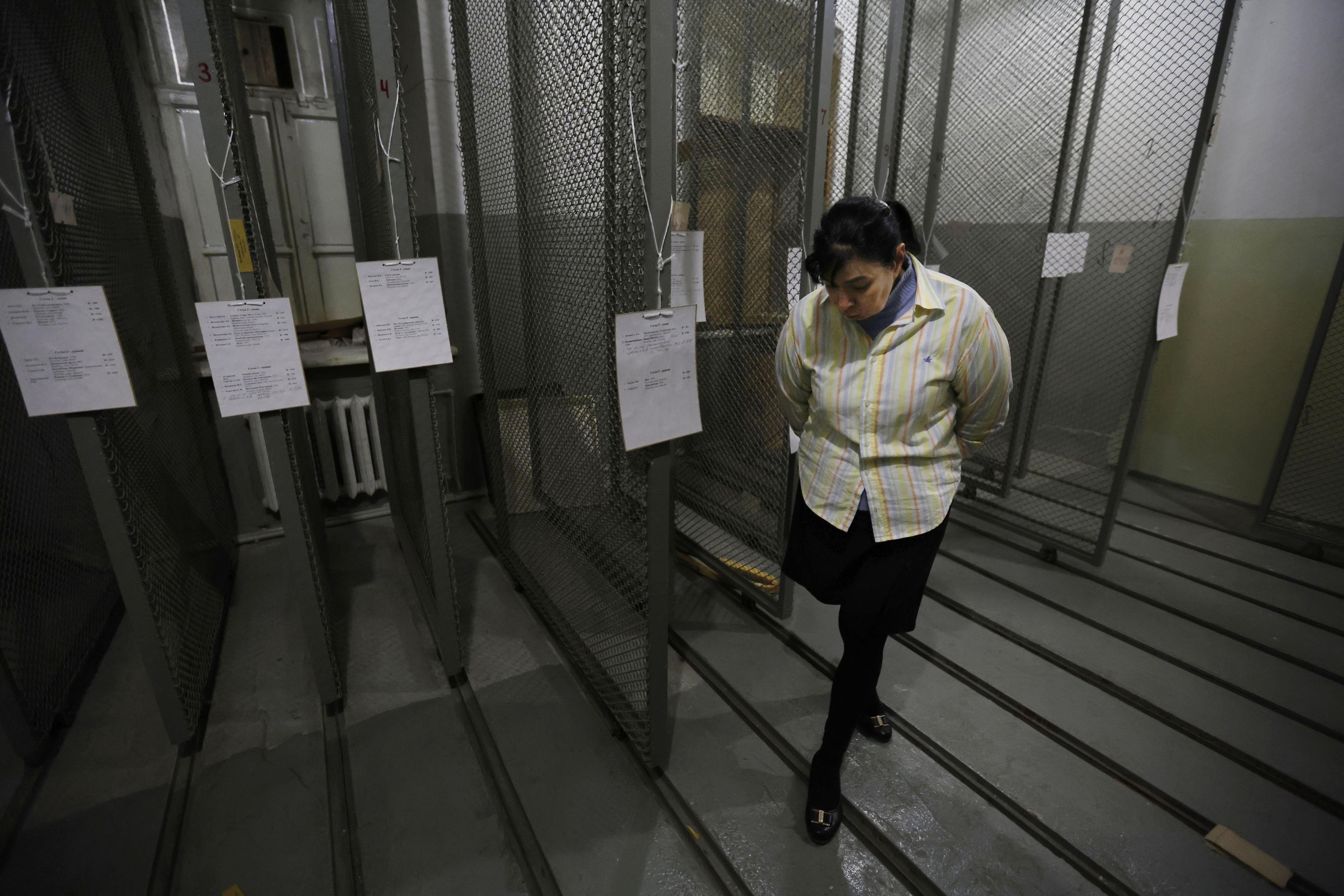
Russia’s theft of Leonid Chichkan’s paintings is not an isolated incident. The looting of Ukrainian artifacts and museums is part of a broader, systematic effort to erase Ukraine’s cultural heritage.
At least 33,000 pieces of art and historical artifacts were looted in Kherson alone during the Russian retreat from the city. Investigative journalist Yevheniya Motorevska discovered that leaders of Crimean museums selected the art to be taken from Kherson, while Black Sea Fleet officer Dmitry Lipov oversaw the security of the collections and personally sealed the trucks transporting the artifacts.
Overall, Russia has stolen more than 1.7 million items of Ukrainian cultural heritage from temporarily occupied territories and is trafficking many of them on the black market, former Ukraine’s Minister of Culture and Strategic Communications, Mykola Tochytskyi, revealed in an interview on April 11.
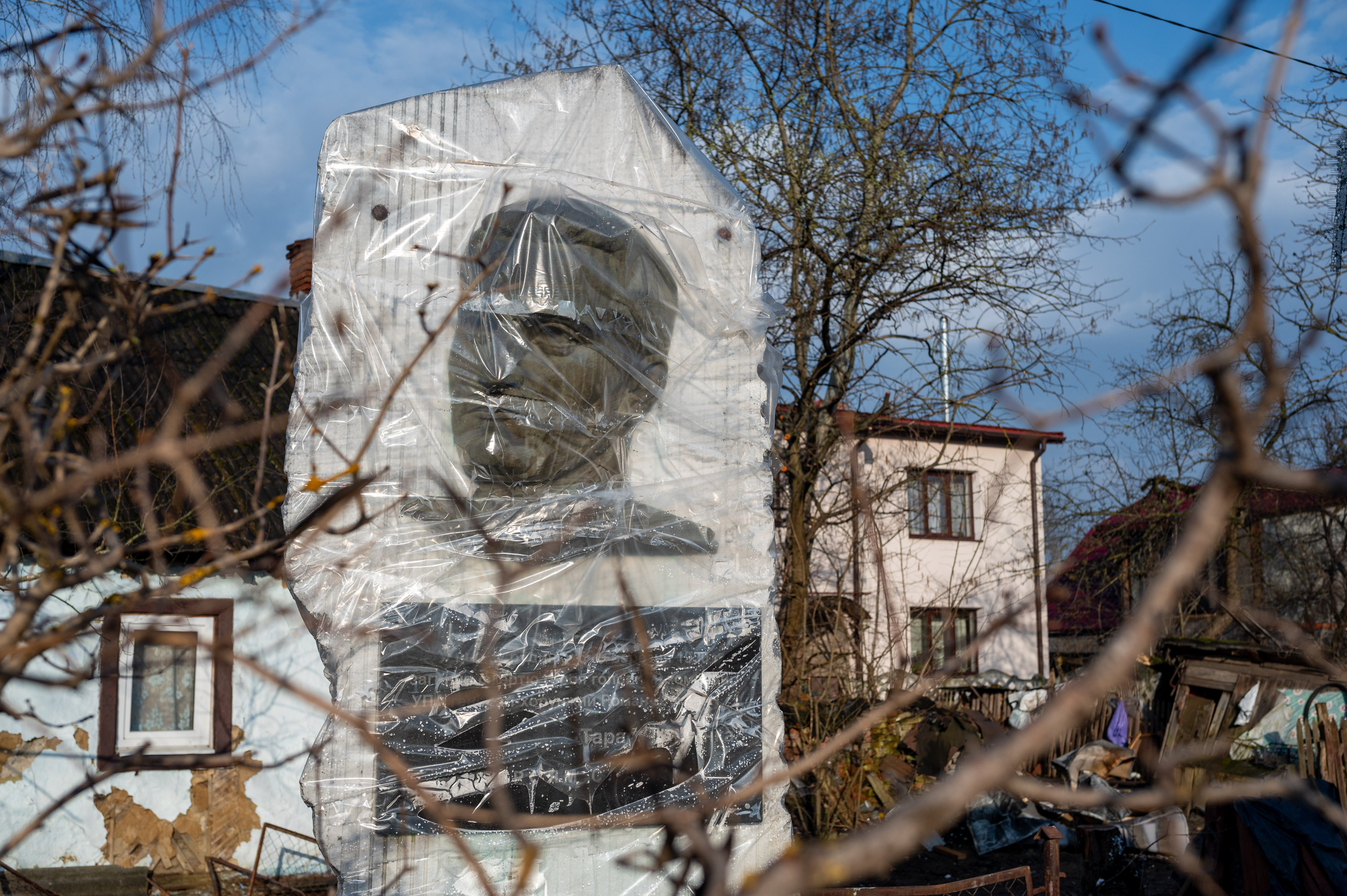
“In earlier times, when Russia stole our name and our history, they moved exhibits to the Hermitage or Moscow museums,” the minister said. “Today, they are openly selling them on the black market.”
On a separate occasion, Ukraine’s Defense Intelligence (HUR) unveiled the names of 14 Russian museum officials accused of facilitating the theft of Ukrainian cultural treasures from Russian-occupied Crimea. At least 164 archaeological artifacts have been illegally removed from the peninsula, taken from the excavation sites of the ancient cities of Nymphaion and Panticapaeum, the agency reported.
The staggering toll
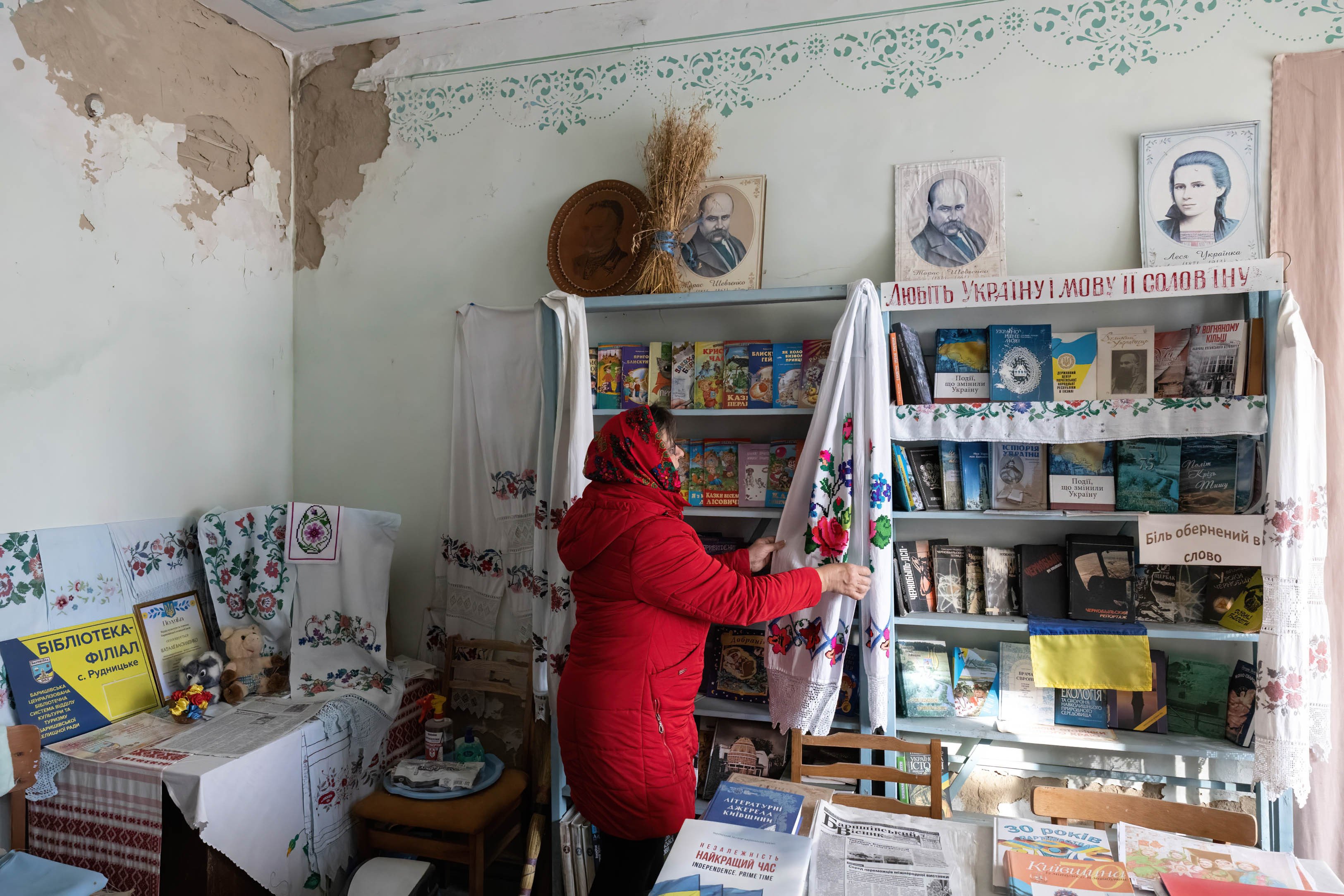
UNESCO has confirmed damage to 501 sites as of June 25, 2025, since Russia’s invasion on February 24, 2022. This includes 151 religious sites, 262 buildings of historical and artistic significance, 34 museums, 33 monuments, 18 libraries, 1 archive, and 2 archaeological sites.
At the same time, Tochytskyi stated in April 2025 that Russia’s aggression damaged 1,419 cultural heritage sites and 2,233 cultural infrastructure objects in Ukraine.
“History and culture are paying a heavy toll for the war,” Tochytskyi said. “It is no coincidence that they are being attacked because it is Ukraine’s very identity and nature that are being attacked through them.”
The loss of David Chichkan, like the loss of so many artists before him, is a stark reminder of the ongoing battle for Ukrainian cultural survival. His legacy, like the stolen art of his great-grandfather, is part of the larger effort to erase Ukraine’s cultural and intellectual identity through violence and repression.
“My worst fear is coming true: I’m inside a new Executed Renaissance,” novelist and war crimes researcher Victoria Amelina wrote in the foreword to the published diary of another Ukrainian author, Volodymyr Vakulenko. “As in the 1930s, Ukrainian artists are killed, their manuscripts disappear, and their memory is erased,”
Both Amelina and Vakulenko were killed by Russian forces during their ongoing aggression against Ukraine.
Discuss this article:

-32d15505fc2972c43cc64011a4cf60cd.jpg "Sir Paul McCartney performs during a concert at Estadio BBVA on November 8, 2024 in Monterrey, Mexico. (Source: Getty Images)")

-58027ba3c731b844e3279bf1086a8d0b.jpg "Ukrainian DJ KOROLOVA. (Source: @korolova.dj/Instagram)")