- Category
- Culture
Ukraine’s Odesa Film Festival Relocates, Showcasing Decisive Ukrainian and International Voices
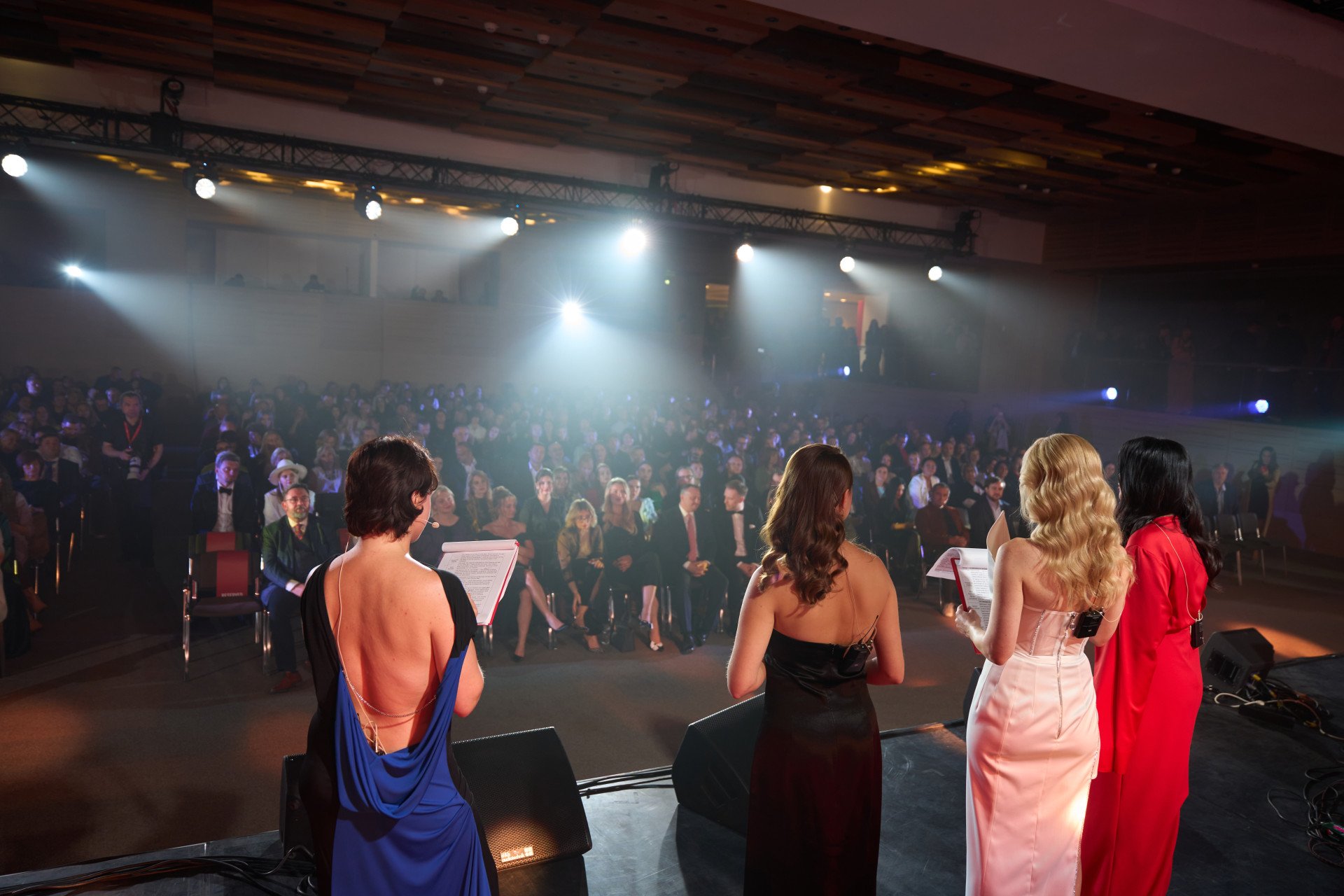
The seaside festival opened without the sea—in Kyiv instead of Odesa—with a program stretching from choreography to the front line, for a public that needs a breather as much as the truth.
 Prefer U24 Media on Google
- Authors

-554f0711f15a880af68b2550a739eee4.jpg "Photo of Lucile Brizard")
In the darkened hall, glimpses of glitter, taffeta, and shiny black dress shoes become discernible. The Odesa International Film Festival is opening, the 16th edition now held in the Parkovyi Congress Center in Kyiv.
Different from any other film festival, it begins with a minute of silence. As the hall stands up, the gesture feels less ceremonial than defiant: a recognition of those lost to Russia’s war, and of the festival itself, displaced from its Black Sea home to the capital because Odesa had become too dangerous.
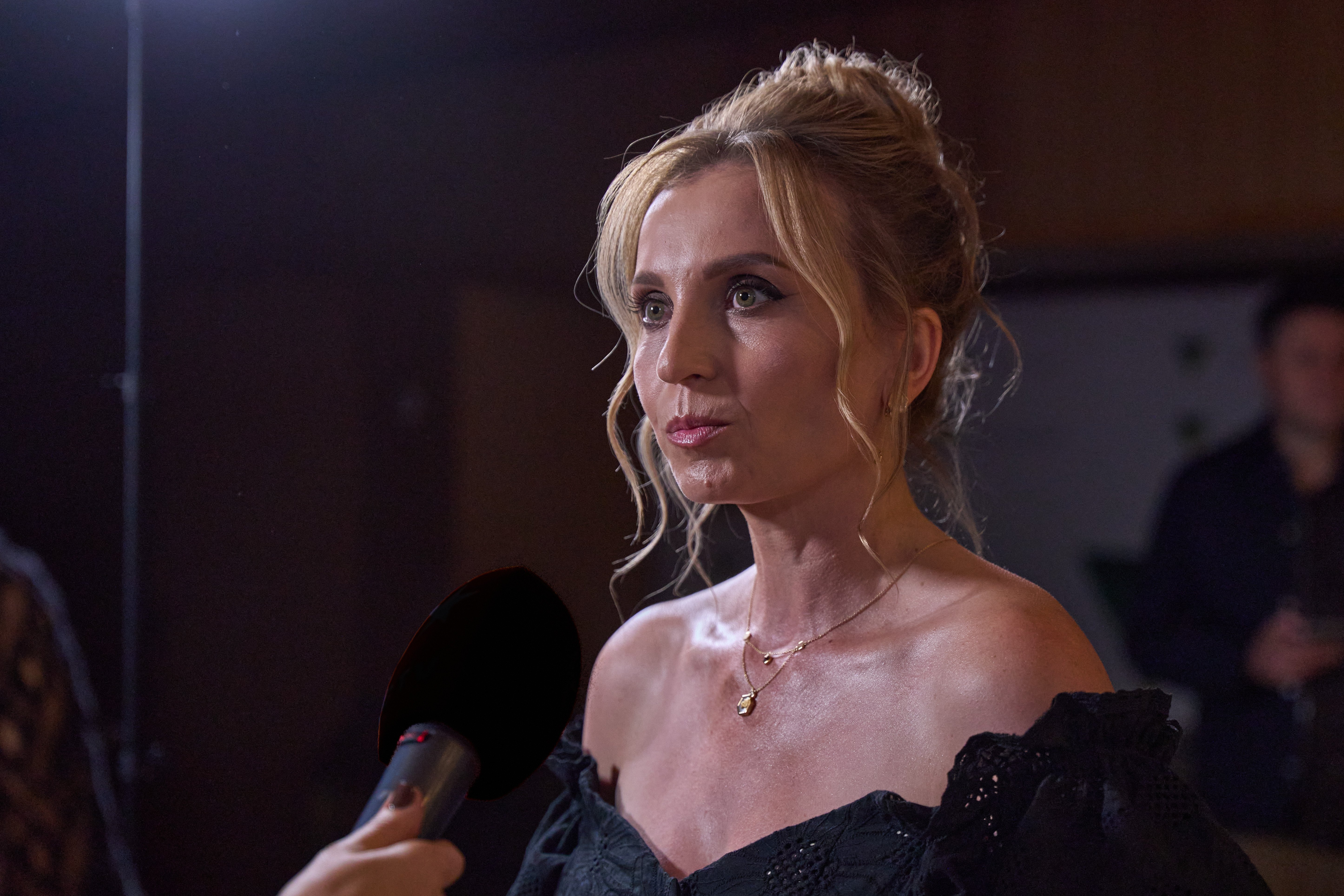
“In 2023, we came back to Ukraine,” festival director Anna Machukh tells me. In a black dress, perched on heels, she meets my gaze, “That edition was in Chernivtsi. We believed the war would finish in one week, two weeks, one month. But the war was continuing and continuing. And that’s why we had to make a decision on how to conduct the Odesa Film Festival.”
Machukh pauses, searching for words. “Festivals, concerts, all these events, it’s a part of our normal life. Because their mission—Putin’s mission—is to take it from us. When we are conducting a festival, it’s our type of fight with Putin.”
From seaside to shelter
For a decade, Odesa’s festival built its reputation on sun-drenched screenings, late-night parties on the beach, and open-air projections on the famed Potemkin Steps. Its inaugural edition in 2010 brought Rutger Hauer, Federico Fellini retrospectives, and films from across the world.
That Odesa, bohemian and cosmopolitan, feels distant. In 2022, the program was moved to Warsaw. In 2023, Chernivtsi. And in 2024, Kyiv became its permanent refuge.
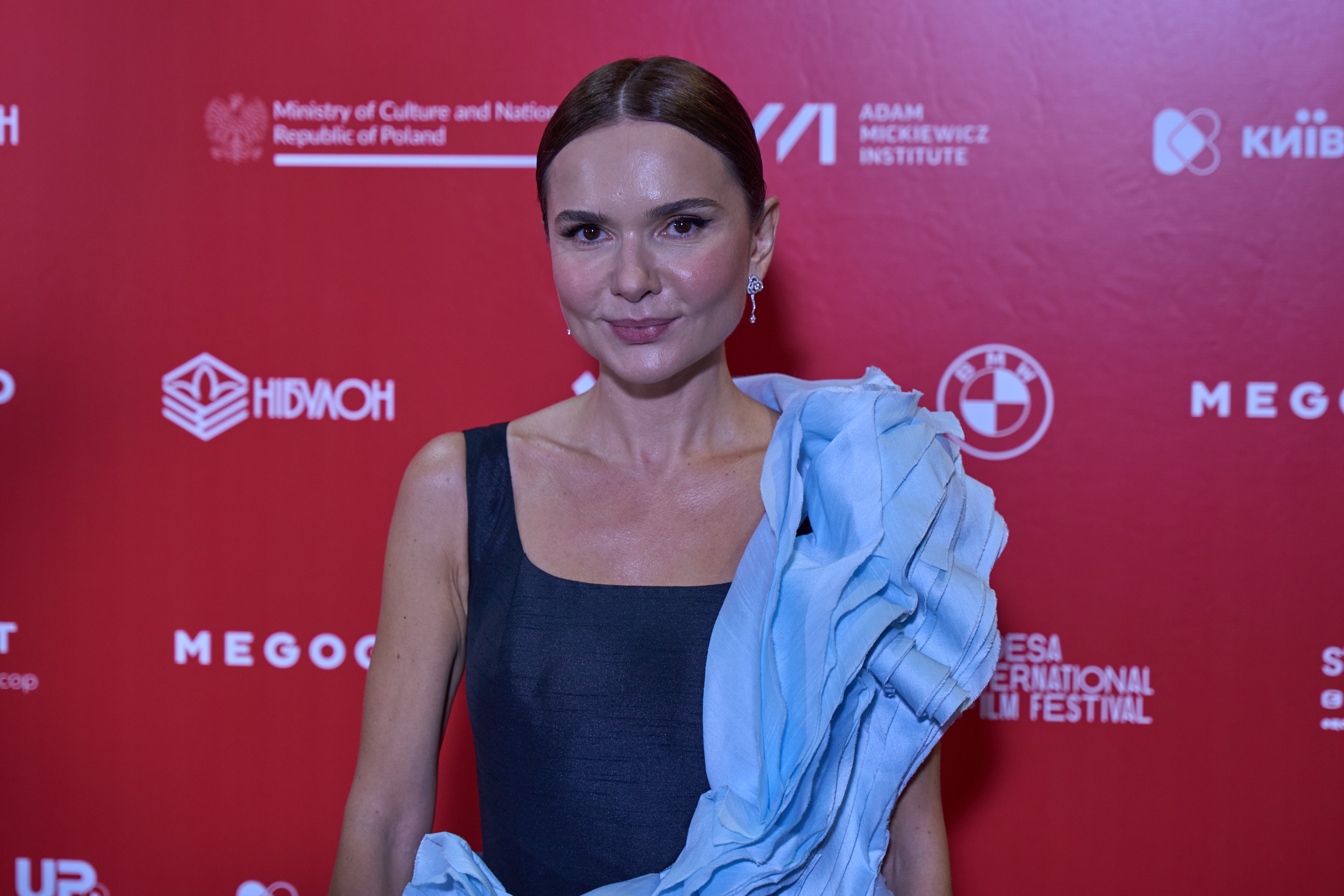
“Of course, we all dream of the day when the festival returns to its home, to Odesa,” Machukh declared onstage at Parkovy Convention Center. “But tonight, I declare the 60th Odesa International Film Festival open, with 113 films in the program.”
A film industry under strain
Upstairs, at the gala, Ukrainian critic Andriy Alferov, host of the Underground Empire project on the 1+1 TV channel, pulled no punches about the state of cinema in Ukraine.
He’s in a leather jacket, slightly punk, sporting a small earring. “Everything works according to a triangular formula: filmmaker, screen, and audience,” he told me. “Right now, the audience has dropped out, leaving only a big idea. This is why cinema is in a kind of crisis, films are being made and shown without a clear audience.”
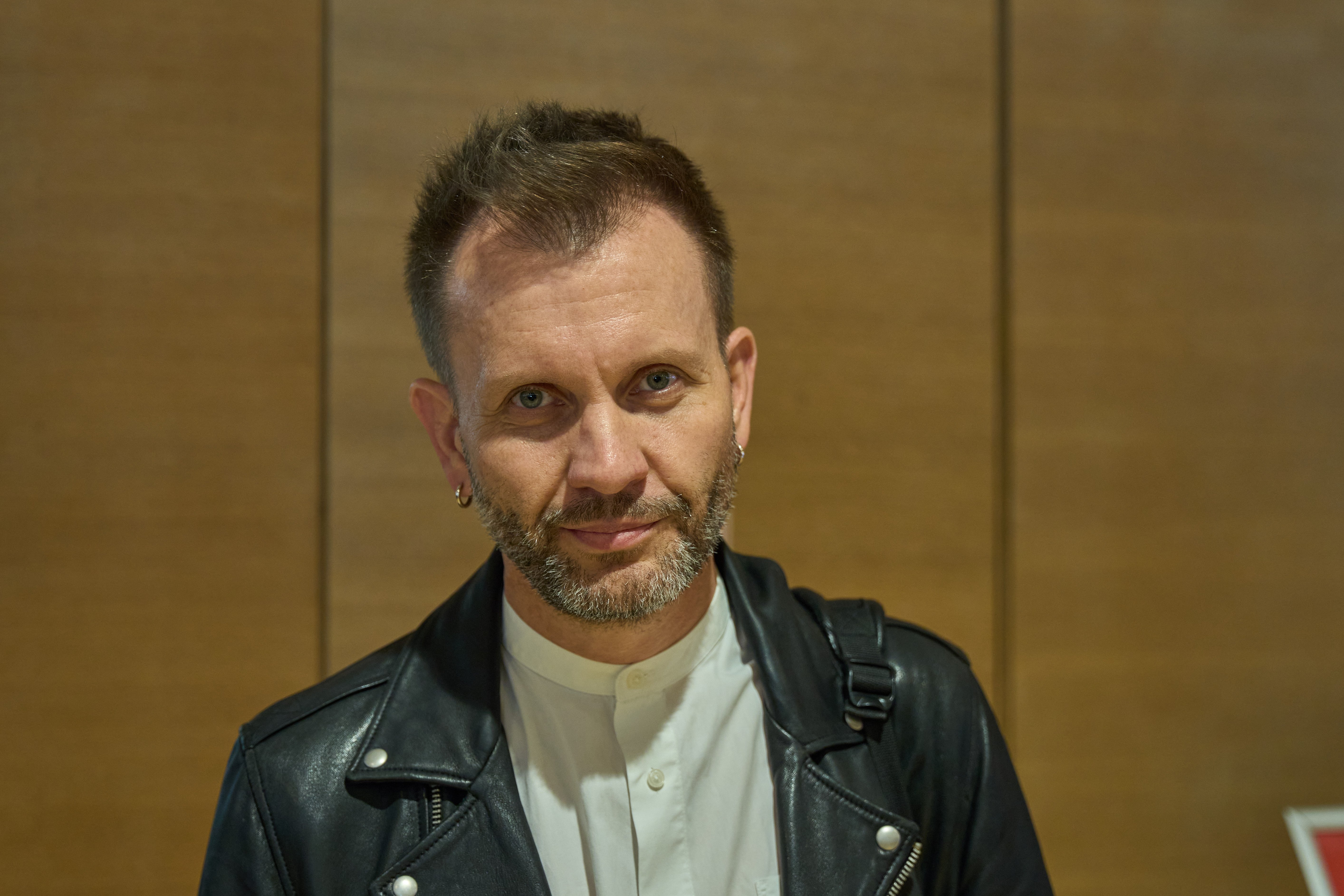
He gestured toward the crowded hall below and continued. “Filmmakers are making the films that interest them. They make films about the war, but audiences are avoiding war films. The usual conditions for a functioning film market—where some people make films and others pay for them—simply don’t exist right now.”
The frankness was sobering. But others insisted the very existence of the festival was the necessary pull. The Ukrainian director and producer Oleksiy Komarovskyi, down in the lobby, said: “In its 23rd year, the festival was held in my native Chernivtsi. The Odesa Film Festival inspires the film industry to continue to create films. It pulls us along, leads us along. But this is a very difficult task at this time.”
International guests in the room, despite the war
The international presence was unmistakable. Joe Hill, a New York-based director and five-time Emmy winner, spoke about his documentary feature Match in a Haystack.
“At Vice, I felt like I only ever made the historical record of death and destruction,” Hill told me.
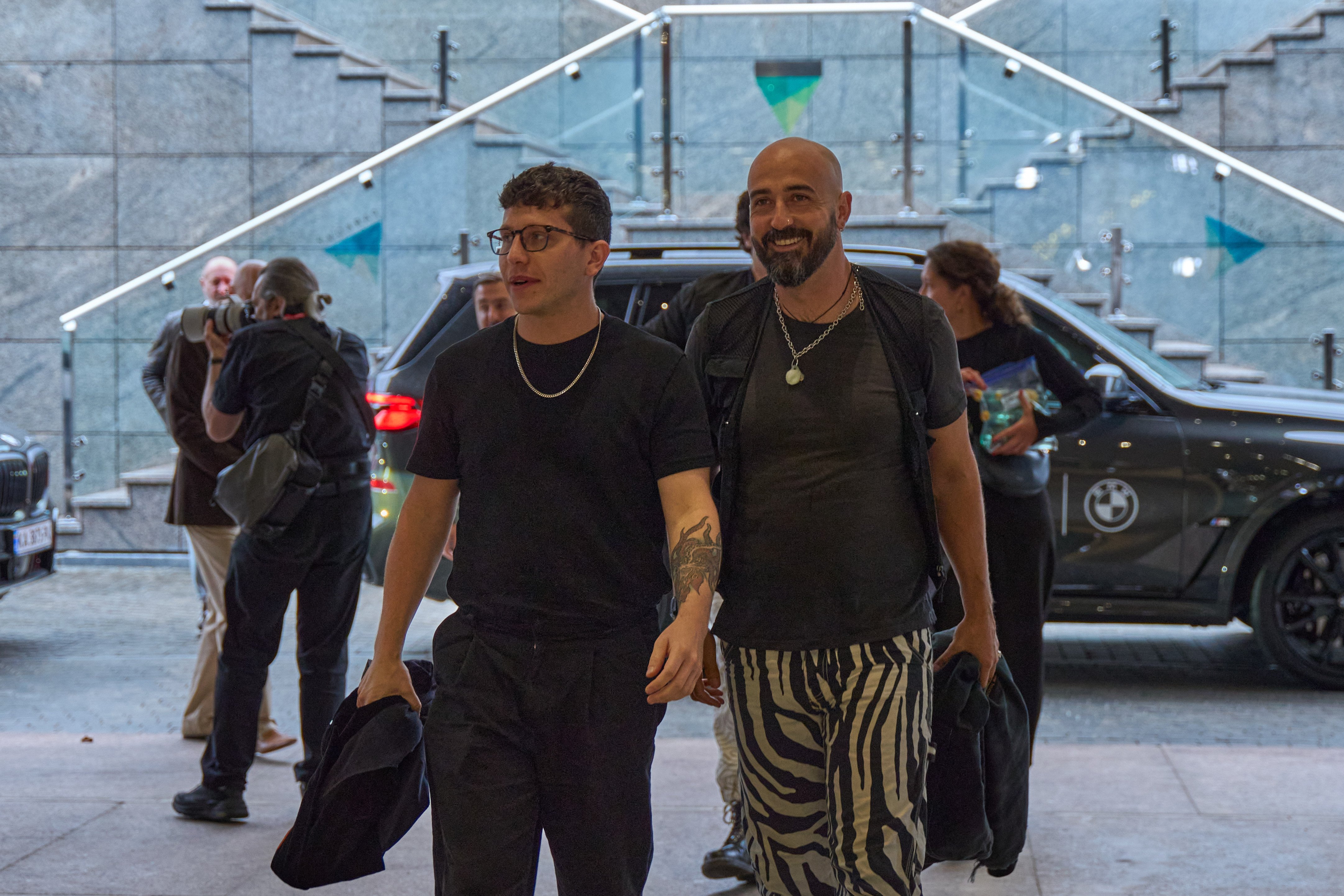
His film follows dancers in Ukraine from 2022 onward, using movement itself as testimony: “Sometimes I think they’re used to expressing themselves through movement. So we figured out a way that dance could be a form of interview. It’s definitely the most visceral interview I’ve ever done as a journalist. There’s nothing choreographed.”
Hill’s hope is long-term: “Twenty years from now, to look back and have the record of the act of creation instead of destruction. The act of finding purpose instead of losing it.”
Between escapism and witness
That tension—between documenting war and escaping it—runs through the festival. Egor Olesov, a confident, soberly dressed Ukrainian producer and director, pointed to a surprising highlight: a new Ukrainian sci-fi feature, U Are the Universe.
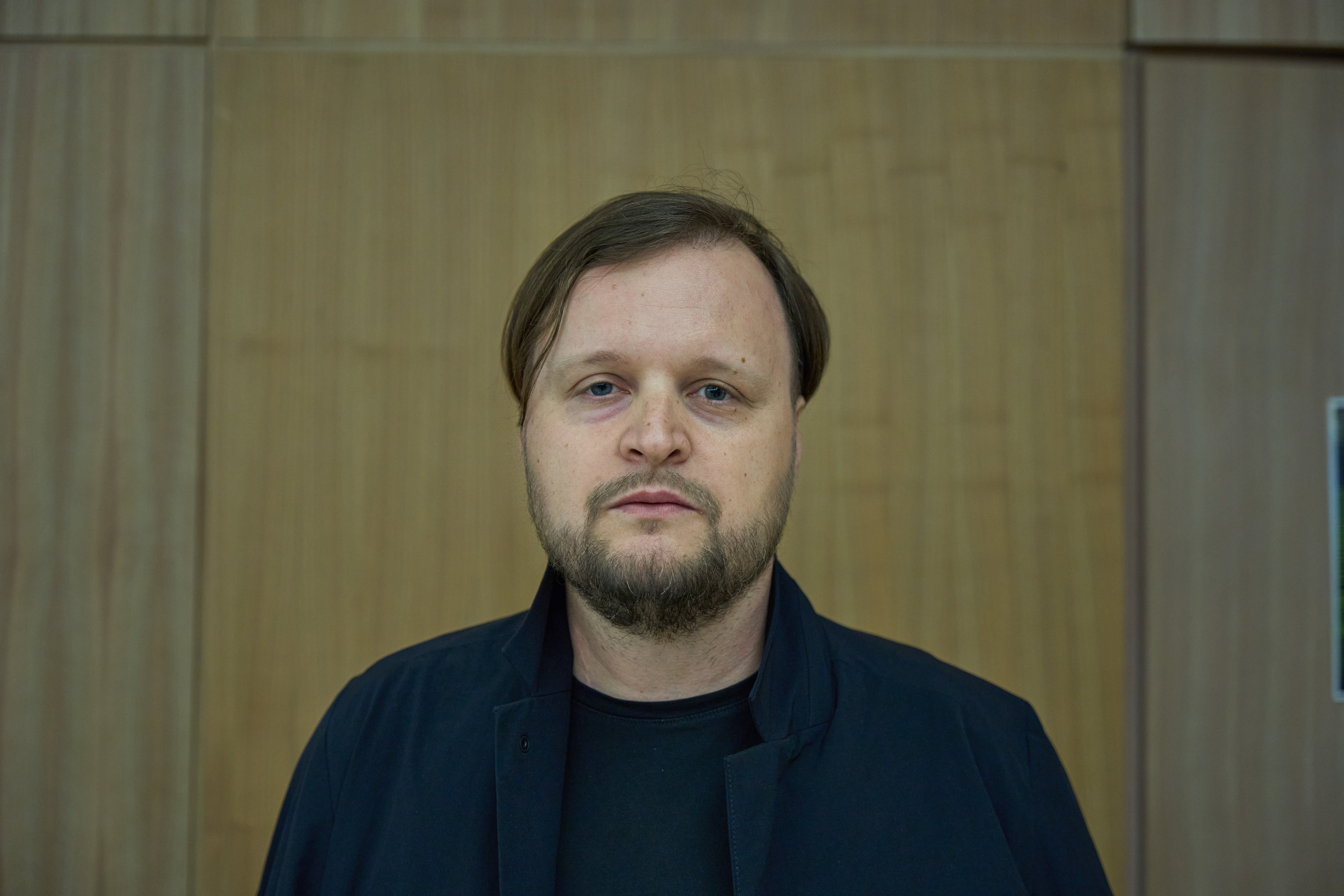
“I think that’s important,” he said. “There are a lot of documentaries covering different topics at the front line, war-related topics. That’s important as a delivery of information to the foreign audience. But now the Ukrainian audience needs some kind of escapism, because it’s too much drama, too much dark news. We need positive blue-sky stories somehow.”
The audience’s exhaustion with war films, coupled with filmmakers’ need to document, has left Ukrainian cinema in an uneasy place. Yet the festival presses on, threading these contradictions into its program.
A symbol beyond cinema
The night’s ceremony was both glittering and grounded. A bandurist merged folk strings with electronic distortion. But the mood was defined by what was absent: the sea, the Odesa Opera House, the open terraces where previous editions unfolded.
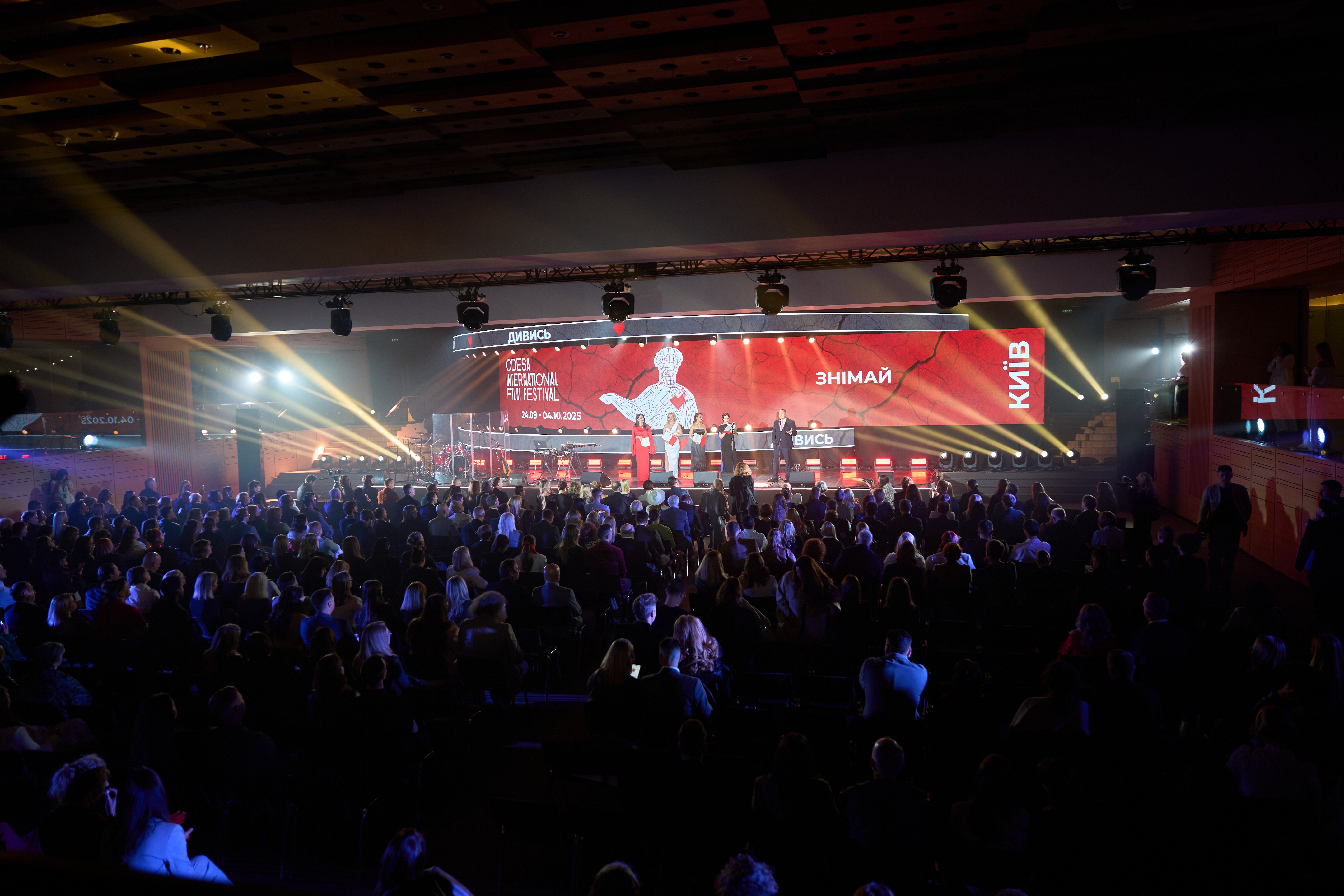
Instead, Kyiv now bears the weight. As Anna Machukh put it, “We have all dreamed of the day when Odesa is peaceful again. But until then, we continue. This is our type of war.”
The Odesa International Film Festival has been forced into exile, yet it remains a barometer of Ukrainian resilience. Filmmakers, producers, and critics agree–cinema is fragile, audiences are scattered, and the market is broken. And yet, films are still being made, shown, argued over.
In that sense, the festival is no longer just about cinema. A reminder, in the critic’s words, that “everything depends on communication between filmmakers and audiences.”
Odesa Film Festival program: https://new.oiff.com.ua/programme
Discuss this article:


-24deccd511006ba79cfc4d798c6c2ef5.jpeg "Photo of Louis Beaudemont")