- Category
- Latest news
As Ukrainian Strikes Cripple Refineries, Russian Officials Blame Citizens for Gasoline Shortages
 Prefer U24 Media on Google
- Authors


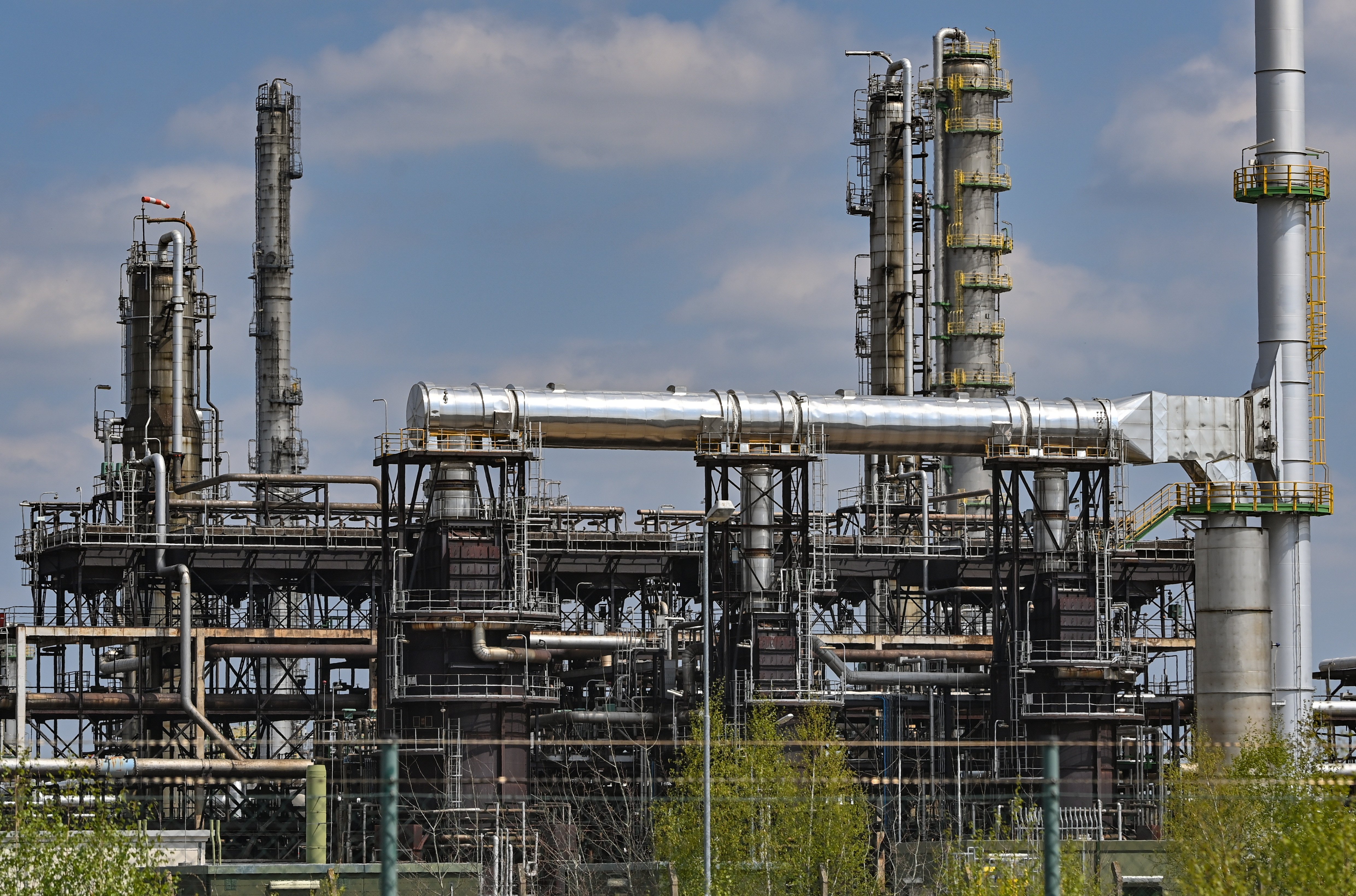
Ukrainian strikes on Russian oil refineries have disabled a significant share of processing capacity, leaving the country grappling with a gasoline shortage, the Financial Times reported on August 21.
Wholesale fuel prices in Russia have hit record highs. On August 20, the cost of A-95 gasoline on the exchange was 55% higher than at the start of the year and 8% higher than in early August.
Shortages are being recorded across several regions following Ukrainian drone attacks on refineries. In response, Moscow suspended gasoline exports in an attempt to keep fuel on the domestic market. The measure, however, has failed to contain soaring prices or alleviate the deficit, Financial Times reported.
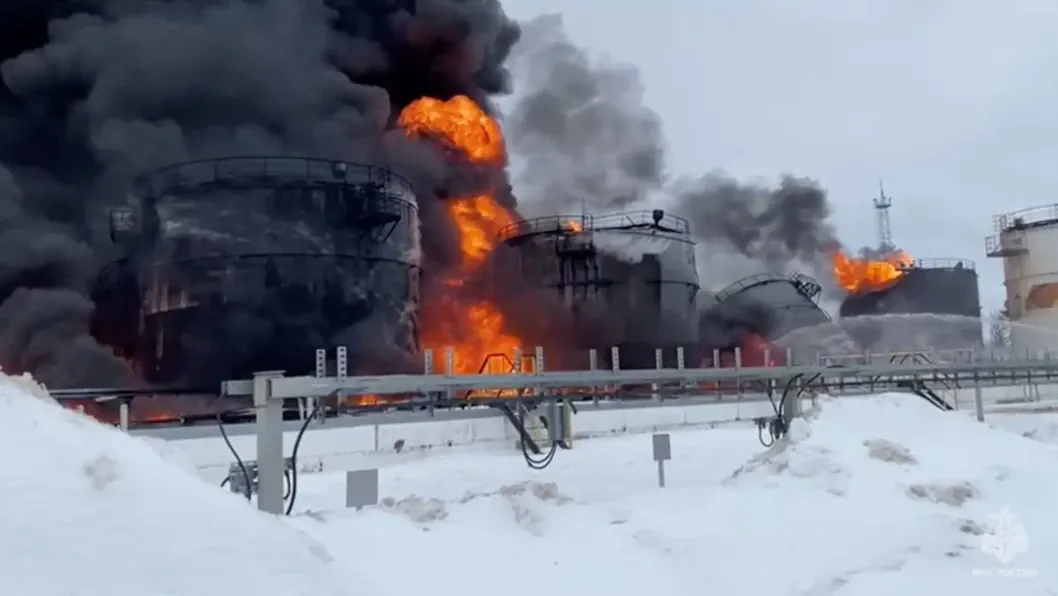
Since July, Ukraine has struck at least four major refineries in Russia. Analysts note that the current campaign differs from previous ones, targeting facilities in strategic regions that may be disabled for an extended period or “even permanently.”
“In 2024, the attacks were numerous but scattered, usually limited to a single refinery at a time, and the damage was typically repaired fairly quickly,” said Sergiy Vakulenko, senior fellow at the Carnegie Endowment for International Peace.
According Financial Times, citing a Finam broker, at least 10% of Russia’s refining capacity is now offline. Strikes on railway infrastructure in central Russia have deepened the crisis, causing train delays and fuel delivery disruptions.
On July 28, Russian authorities imposed a blanket ban on gasoline exports to stabilize the market, but this has not been enough to meet domestic demand.
Retail gasoline prices in Russia have risen by 9% over the past year and more than 5% since January. The most severe shortages are being reported in remote regions, including Zabaykalsky Krai and annexed Crimea, where local authorities have acknowledged interruptions in A-95 supplies.
Meanwhile, public frustration is also mounting. “What’s this madness with petrol? Did we suddenly get rich?!!” one resident of Chita wrote in a local chat.
Analysts expect prices to keep climbing at least through September, while supply problems persist in hard-to-reach areas. Still, experts say a systemic crisis is not imminent: diesel, crucial for the military and agriculture, remains available.
“A full-scale fuel supply crunch—one affecting the army, transport and agriculture, and capable of disrupting the economy—is still distant,” Vakulenko concluded.
At the same time in Primorsky Krai, officials have attributed shortages to local residents. According to The Moscow Times on August 21, Regional Energy and Gas Supply Minister Elena Shish claimed that people were stockpiling fuel by filling canisters as well as their vehicles. She said the hardest hit was the NNK-Primornefteprodukt network, which operates nearly half of the region’s 295 stations.
“We have seen since early August that private gas stations have been limiting gasoline sales or setting prices up to 12 rubles higher per liter compared to NNK-Primornefteprodukt stations. Naturally, people go to the stations where fuel is cheaper,” Shish explained, according to the regional government’s press service. She called on residents to “act responsibly” and “get through this short-term difficulty.”
Earlier, it was reported that Russia’s oil refining capacity dropped by over 13% in August after a wave of Ukrainian drone strikes on critical facilities forced several major plants offline.
Discuss this article:


-c439b7bd9030ecf9d5a4287dc361ba31.jpg "Photo of Katherina Popilnichenko")