- Category
- Latest news
Belarus’s Polonez Missiles Could Go Nuclear—And Russia Is Doing the Work
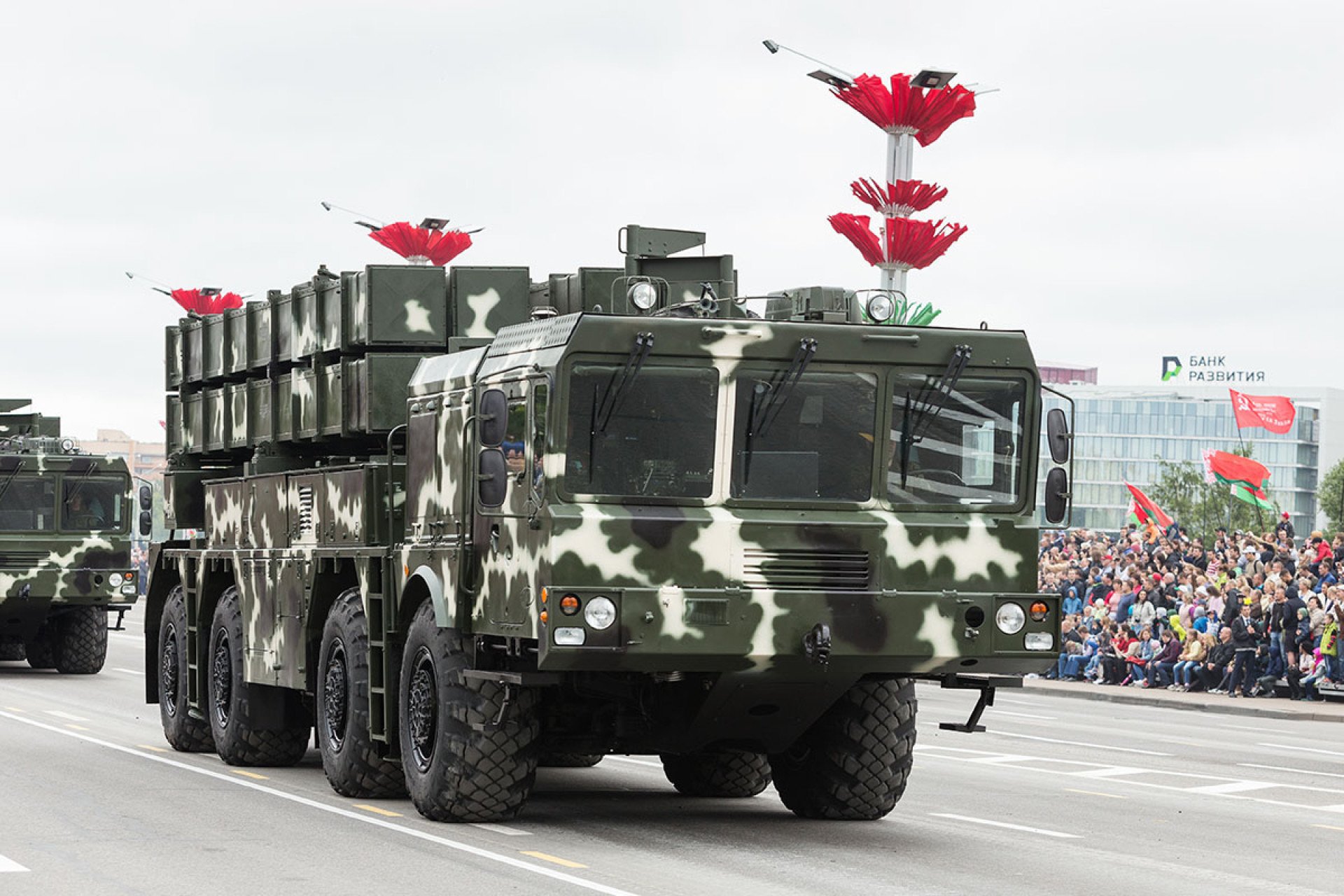
Belarus’s domestically produced Polonez missile system may soon cross a dangerous new threshold, as officials in Minsk openly acknowledge work—led by Russian specialists—toward equipping the platform with a nuclear warhead, raising fresh concerns about Moscow’s expanding nuclear footprint on NATO’s eastern flank.
 Prefer U24 Media on Google
- Authors


Belarus may be moving toward equipping its domestically operated Polonez missile system with a nuclear warhead, a development that would significantly escalate security risks in Eastern Europe, Ukrainian defense outlet Militarnyi reported on January 1.
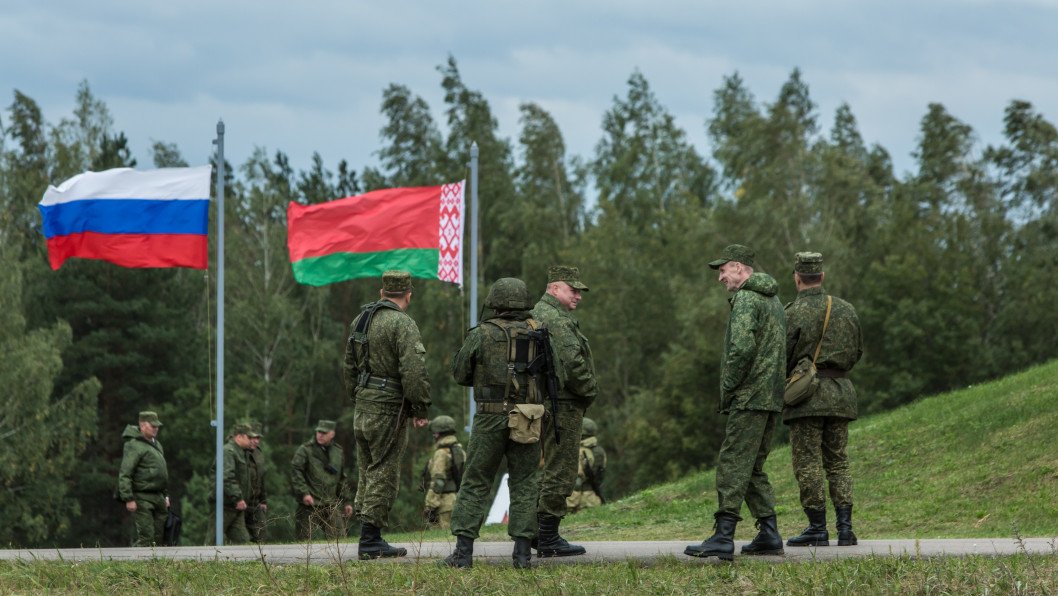
According to Militarnyi, the claim was made by Gennady Lepeshko, head of the National Security Commission of Belarus’s lower house of parliament, during an interview with the Belarusian branch of the Russian state-linked outlet Sputnik. Lepeshko said Russian specialists are currently involved in work that could allow the Polonez operational-tactical missile system to carry a nuclear payload.
We bring you stories from the ground. Your support keeps our team in the field.
He also confirmed that Belarusian forces practiced nuclear employment scenarios during the recent Zapad military exercises, involving both aviation and missile platforms considered potential nuclear delivery systems.
“I have also heard that Russia and Belarus are jointly developing capabilities to enable the use of nuclear weapons, including from Polonez systems,” Lepeshko said.
The Belarusian Armed Forces have announced that the 336th Rocket Artillery Brigade equipped with “Polonez” Multiple-Rocket Launchers and the 465th Missile Brigade equipped with OTR-21 Tochka-U Ballistic Missiles have been Deployed in “Combat Status” to its Western Border. pic.twitter.com/l78phuh1dm
— OSINTdefender (@sentdefender) May 14, 2023
What is the Polonez missile system?
As Militarnyi notes, the Polonez system is based on China’s GATSS multiple-launch rocket system and adapted for Belarus’s domestically produced MZKT-7930 “Astrolog” wheeled chassis.
First unveiled publicly during a military parade in Minsk in 2015, the system completed state trials in 2016 and entered service with the Belarusian armed forces shortly afterward.
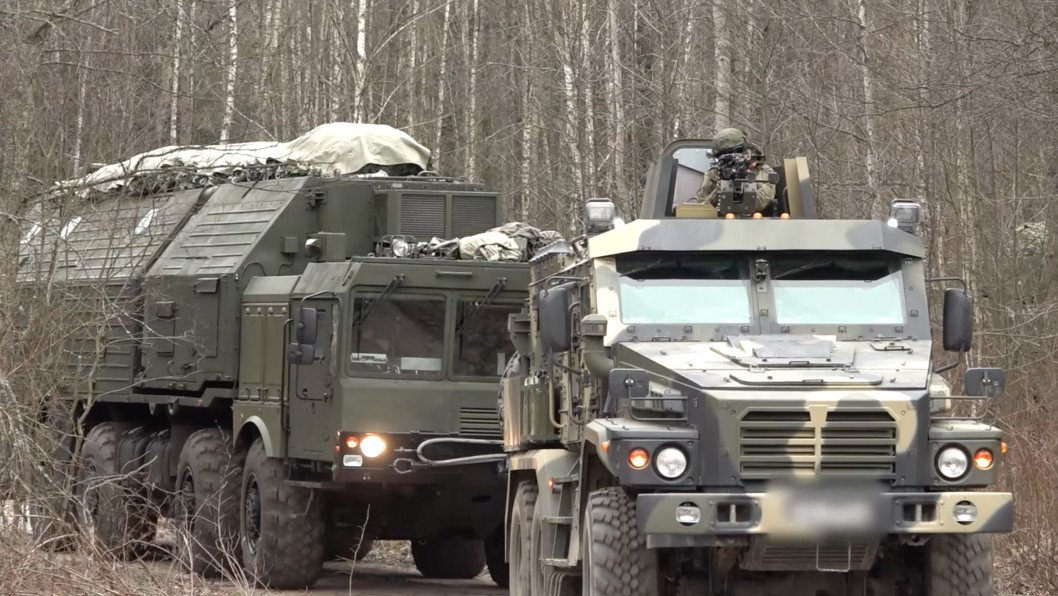
Key specifications cited by Militarnyi include:
caliber: 301 mm;
range: up to 200 km (A200 missile), up to 290 km (A300 missile);
guidance: Inertial + GPS;
accuracy: Circular error probable (CEP) of 15–30 meters;
primary operator: Belarus’s 336th Rocket Artillery Brigade;
export user: Azerbaijan (since 2018).
In 2023, Belarus officially introduced an upgraded variant known as Polonez-M, featuring a domestically produced missile with an extended range reportedly approaching 300 km, Militarnyi reported earlier.
Polonez missile system, based on the Chinese A200:
— Marek Reszka (@marek_reszka) May 10, 2025
▪️W-200MBU Command Post
▪️W-200BM launcher
▪️W-200TZM transport and load vehicle pic.twitter.com/0KPIjGh2y1
A pattern of nuclear signaling
Militarnyi also recalls that in 2022, Belarusian leader Alexander Lukashenko openly threatened Kyiv, claiming that Polonez missiles had Ukrainian “decision-making centers” within range.
He later stated that Belarus had shifted from Chinese missile technologies to Russian ones in pursuit of what he described as a “serious missile.”
Belarus has already taken delivery of Russian Iskander-M and Iskander-K missile systems, which are known to be compatible with nuclear warheads of up to 50 kilotons.
As Militarnyi has previously documented, footage released by Belarus’s Ministry of Defense showed launcher cabins partially blurred—later interpreted as an attempt to obscure markings indicating possible Russian operational control.
Why this matters
Defense analysts cited by Militarnyi warn that the identical support vehicles and infrastructure shared between Polonez and Russia’s Yars intercontinental ballistic missile system reinforce suspicions that Polonez may be derived from Russian designs—potentially by removing a missile stage to create a medium-range platform.
If confirmed, nuclear integration of Polonez would further entrench Belarus as a forward operating base for Russia’s strategic forces, dramatically narrowing warning times for NATO states and Ukraine alike.
Earlier, Russia began the deployment of its nuclear-capable intermediate-range ballistic missile system, known as Oreshnik, to Belarusian territory.
Discuss this article:





-80134f2dc17b4a887d01513a1c7bc929.png "Illustration of Russian military infrastructure targeted by Ukrainian strikes in temporarily occupied eastern Ukraine. (Source: General Staff of the Armed Forces of Ukraine)")