- Category
- Latest news
EU Environmental Tax Threatens Ukrainian Steel Industry Survival
 Prefer U24 Media on Google
- Authors

-c439b7bd9030ecf9d5a4287dc361ba31.jpg "Photo of Katherina Popilnichenko")
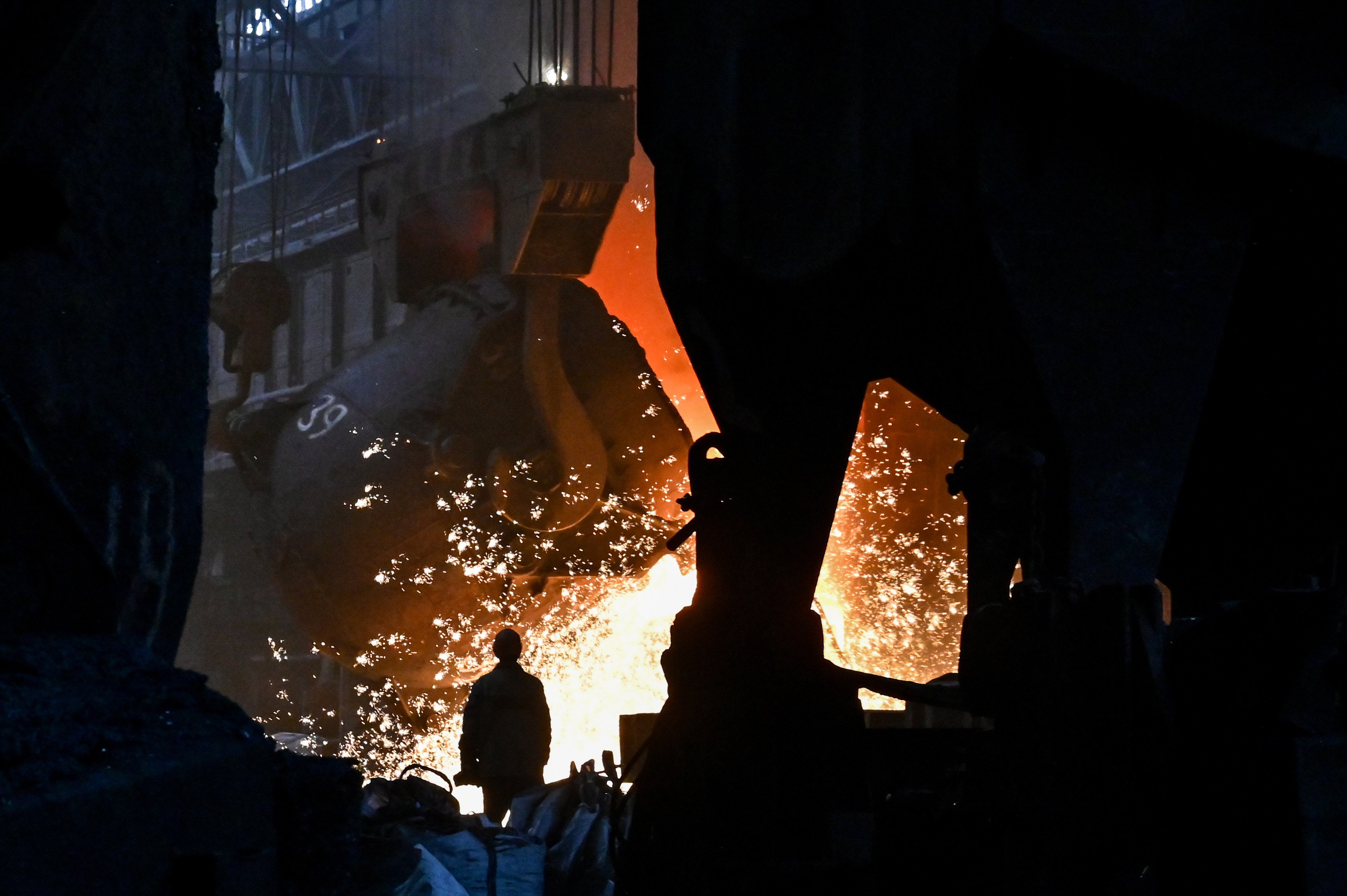
European steel buyers are canceling orders for Ukrainian products due to the implementation of the European Union’s new Carbon Border Adjustment Mechanism (CBAM).
This environmental tax has led to immediate job losses and the reduction of production capacities within Ukraine’s metallurgical sector. Industry leaders are now warning that the impact on one of the country's most vital economic branches is becoming severe, according to POLITICO on April 15.
We bring you stories from the ground. Your support keeps our team in the field.
The CBAM functions as a tax on imported goods that have a high carbon footprint. Effective since January, the policy requires importers to pay a carbon fee on specific industrial goods, including steel.
The initiative aims to reduce global warming by encouraging industries to move away from fossil fuels. However, major Ukrainian steel producers are requesting a temporary exemption from these rules to prevent further economic decline.
"As soon as customers learned about the additional duty ranging from 60 to 90 dollars per ton, they canceled all orders for the first quarter of 2026 — approximately 300,000 tons," stated Mauro Longobardo, the CEO of ArcelorMittal Kryvyi Rih .
This resulted in a loss of approximately 300,000 tons of steel orders. Consequently, the company has shut down one of its plants and reported the loss of at least 3,400 jobs because there are no alternative markets available to replace the EU.
Metinvest, another major player in the Ukrainian mining and metal sector, is also facing significant difficulties. A company representative noted that while the EU is the primary market for Ukrainian steelmakers, these companies are operating under much more difficult conditions than their competitors.
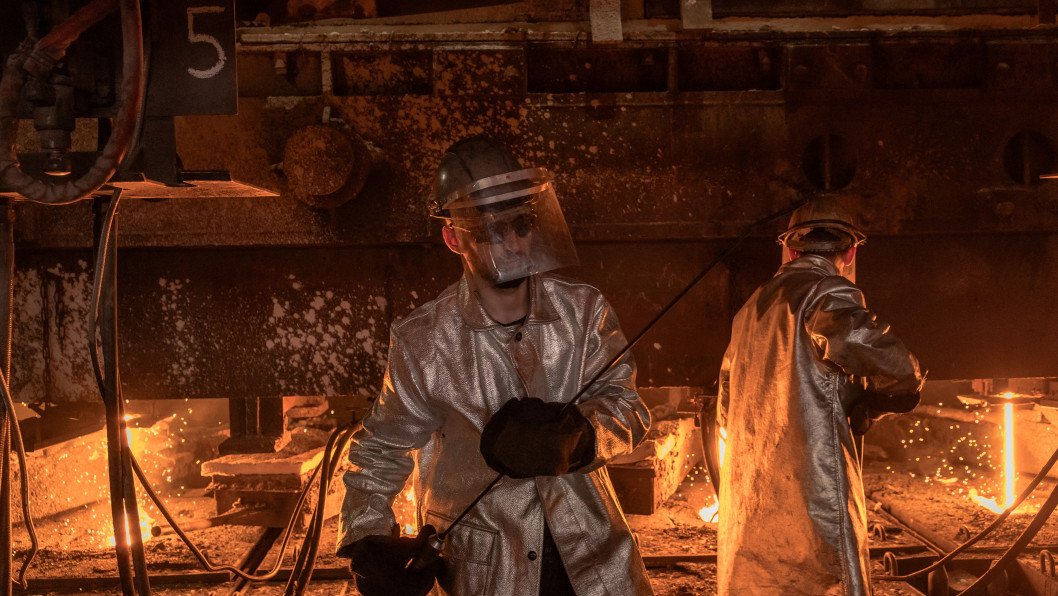
The representative stated that although CBAM has environmental goals, in practice, it also serves to protect the European market.
European steel producers generally support the carbon tax. They believe it creates a level playing field by preventing foreign competitors, who may operate under weaker environmental standards, from selling cheaper and more polluting products within the EU.
Ukrainian companies have suggested that the EU could instead direct the carbon payments from Ukrainian steel into special accounts. These funds could then be used to modernize Ukrainian facilities and increase the demand for European green technologies.
Last year, Ukraine remained a top steel exporter to the EU, alongside India and China. Under the current carbon pricing rules, European producers are encouraged to adopt greener methods while selling their products within the internal market.
Metallurgy remains a cornerstone of the Ukrainian economy, with the World Bank reporting its export value at nearly $4 billion in 2023.
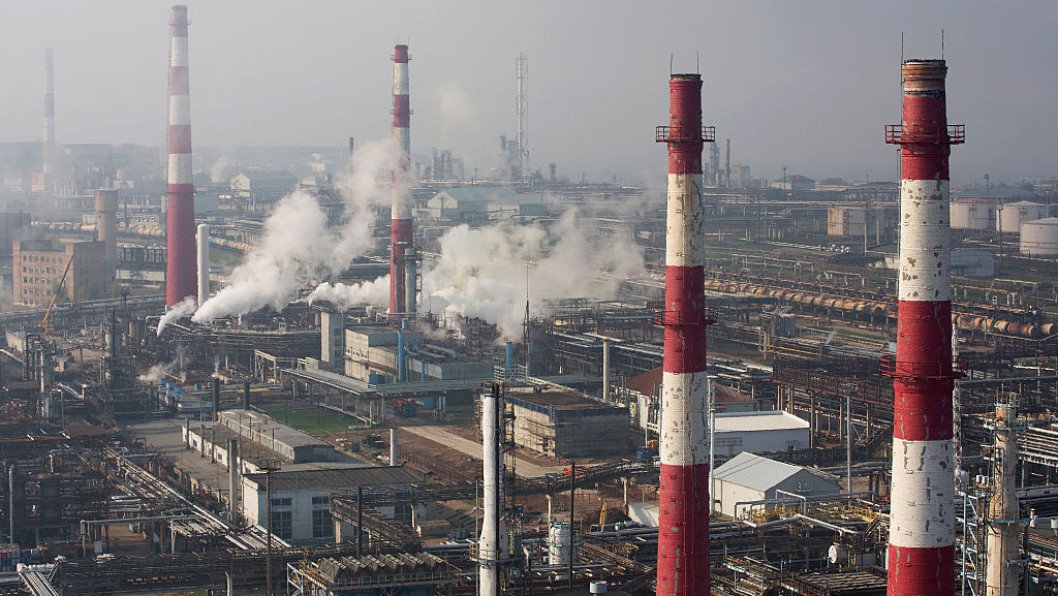
Ukraine has already begun implementing its own systems for monitoring and reporting greenhouse gas emissions. The national strategy is being designed to align with European standards, which could potentially allow for reduced payments if a national carbon pricing mechanism is established.
Currently, Ukraine maintains a tax on carbon dioxide emissions and is working toward a national emissions trading system.
In July 2025, Russian titanium remained a critical component for Moscow’s military-industrial complex, despite the ongoing full-scale invasion of Ukraine.
The investigation revealed that the Chepetsk Mechanical Plant, a subsidiary of Rosatom, significantly expanded its production of titanium tubes for aviation and received multiple licenses to manufacture military equipment.
Although the metal was essential for the production of fighter jets and warships, the plant and its leadership faced sanctions only from Ukraine, while continuing to access Western markets through front companies in Germany and Turkey.
Discuss this article:
-9a7b3a98ed5c506e0b77a6663f5727c5.png)