- Category
- Latest news
EU Plans to Use Frozen Russian Assets for $180 Billion in Reparations Loans to Ukraine
 Prefer U24 Media on Google
- Authors


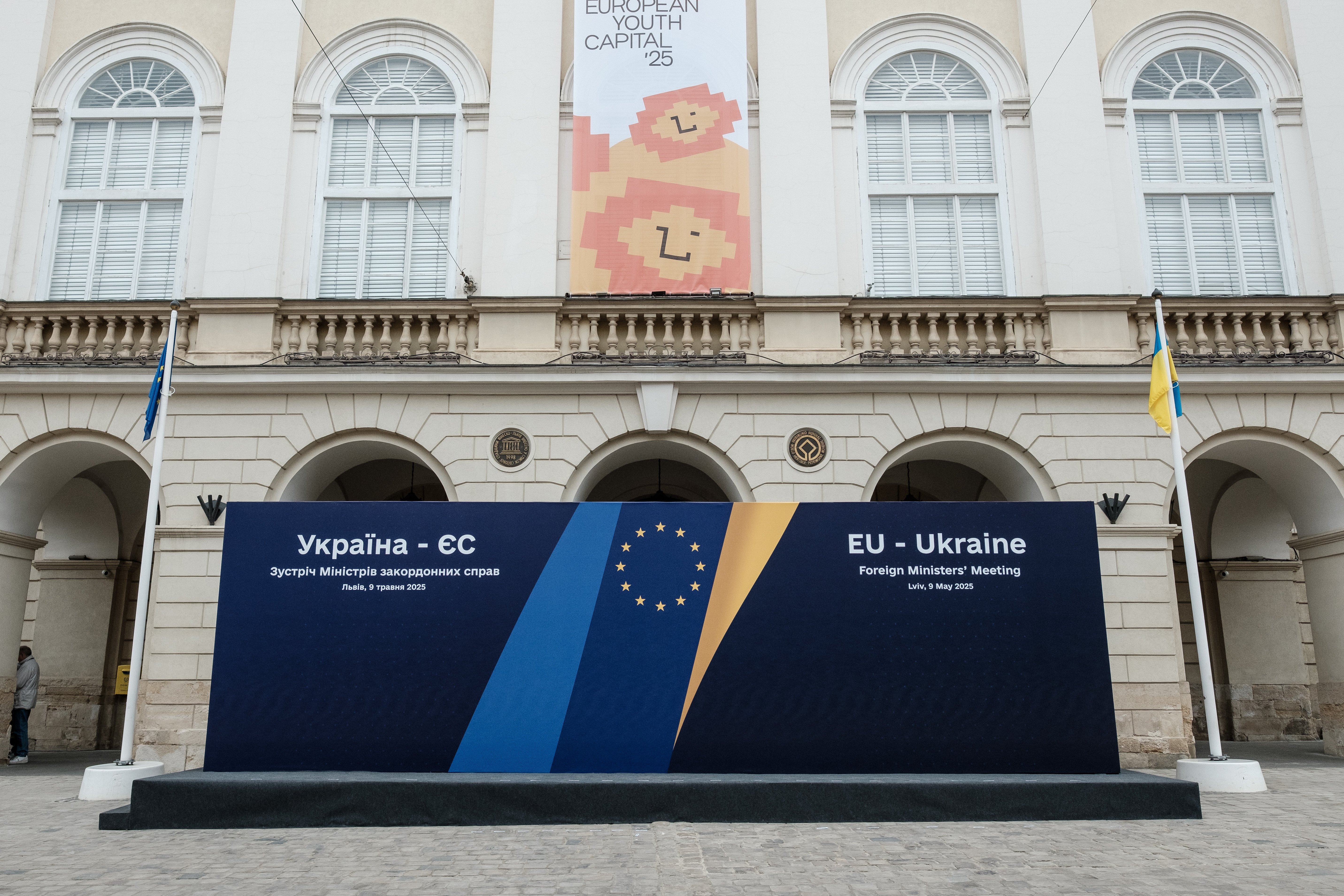
Brussels is drawing up plans to channel frozen Russian assets into Ukraine through a new system of “reparation loans,” worth as much as $180 billion, the Financial Times (FT) reported on September 17.
Officials told FT that the European Commission is exploring how to use Russian central bank assets, which are currently under sanctions, without formally seizing them. One option involves using Russian cash balances held at Euroclear, the Belgium-based central securities depository, to purchase zero-interest EU bonds. The funds raised would then be transferred to Ukraine in tranches.
Around $170 billion of the $194 billion in Russian assets at Euroclear have already matured and are sitting as cash. A second option being considered would use a special purpose vehicle to manage the funding, potentially allowing non-EU countries to participate.
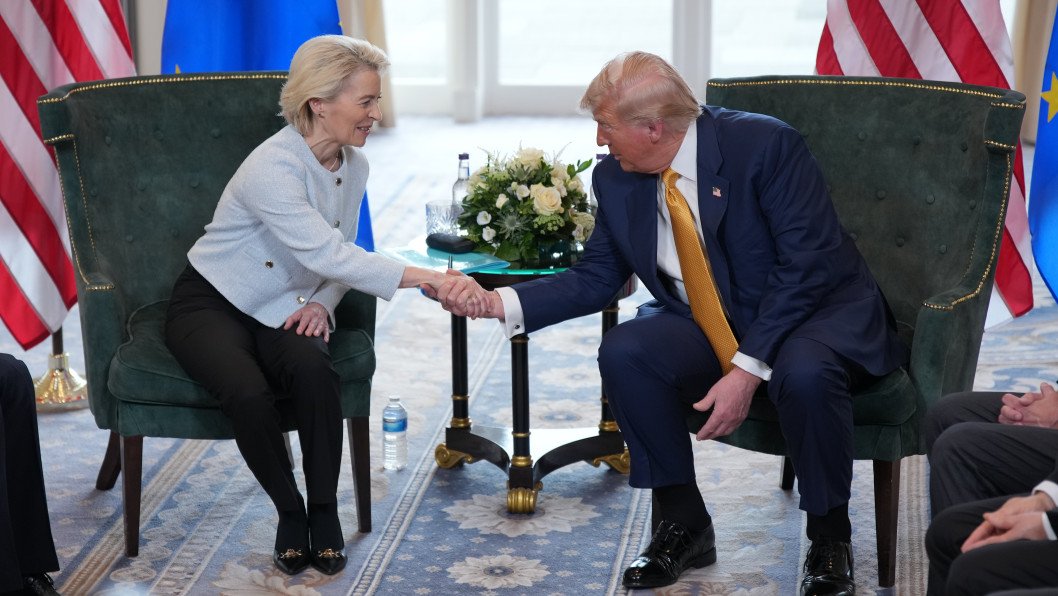
European Commission President Ursula von der Leyen has expressed support for the idea, noting that repayment would only be required if Russia agrees to compensate Ukraine for war damage. She also stated that “the risk will have to be carried collectively,” addressing concerns in Belgium about potential liability if Russia takes legal action.
The United States has urged allies to consider using the principal of Russia’s frozen assets, not just the profits, to fund Ukraine’s defense. A note circulated to G7 members called for “innovative” use of these sovereign assets.
FT reports that EU finance ministers are set to discuss the proposal this week in Denmark. Several countries, including Belgium, Germany, and France, have raised concerns about the legality of using the principal rather than just the profits.
However, German Chancellor Friedrich Merz has become more open to the idea, given the EU’s limited fiscal resources. His adviser, Günther Sautter, said the debate is moving “in a certain direction,” with a proposal now on the table to use assets more proactively.

Ukraine is expected to need $50 billion in budget support next year, in addition to military assistance, with Europe likely to cover most of the cost as the US resists further economic pressure on Moscow. “The Ukrainians need the money, and there’s not so many options,” a German official said.
According to FT, there are still uncertainties, particularly regarding the extension of sanctions on Russian assets, which requires unanimous EU support every six months. Kremlin spokesperson Dmitry Peskov warned that the use of Russian assets “will not go unanswered.”
The Commission has pledged to move quickly, saying any new initiative will be designed around “Ukraine’s most urgent needs” and coordinated closely with member states and international partners, according to the Financial Times.
Previously, it was reported that the United States and Ukraine are operationalizing a joint investment fund to support projects in natural gas, critical minerals, energy, technology and infrastructure.
Discuss this article:
-6c7b568bf1f65853b7afd9dc1c3ca1fe.jpeg)

-c439b7bd9030ecf9d5a4287dc361ba31.jpg "Photo of Katherina Popilnichenko")