- Category
- Latest news
Europe Dismantles Russian Soyuz Launch Site in French Guiana to Launch Its Own Rocket Future
 Prefer U24 Media on Google
- Authors


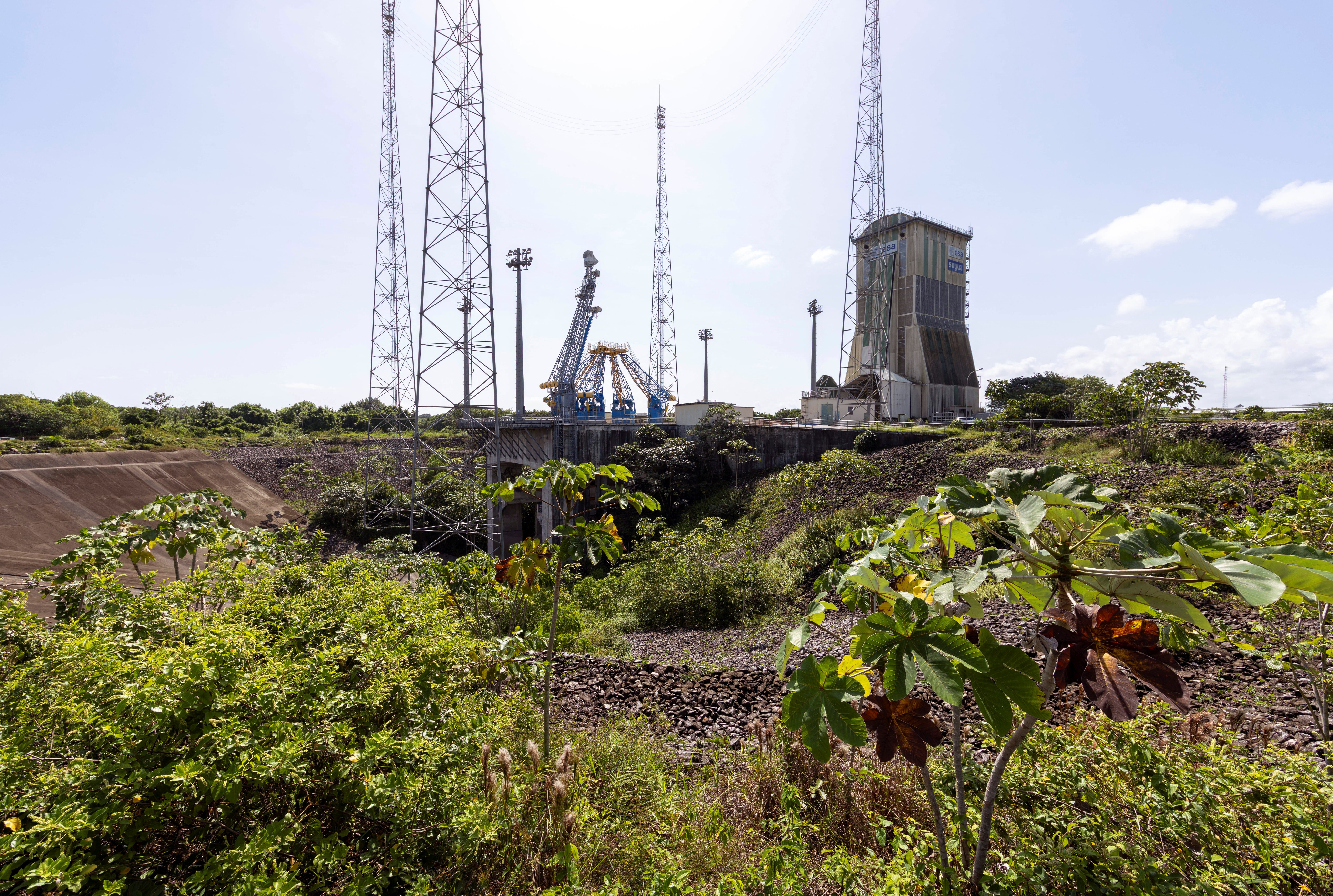
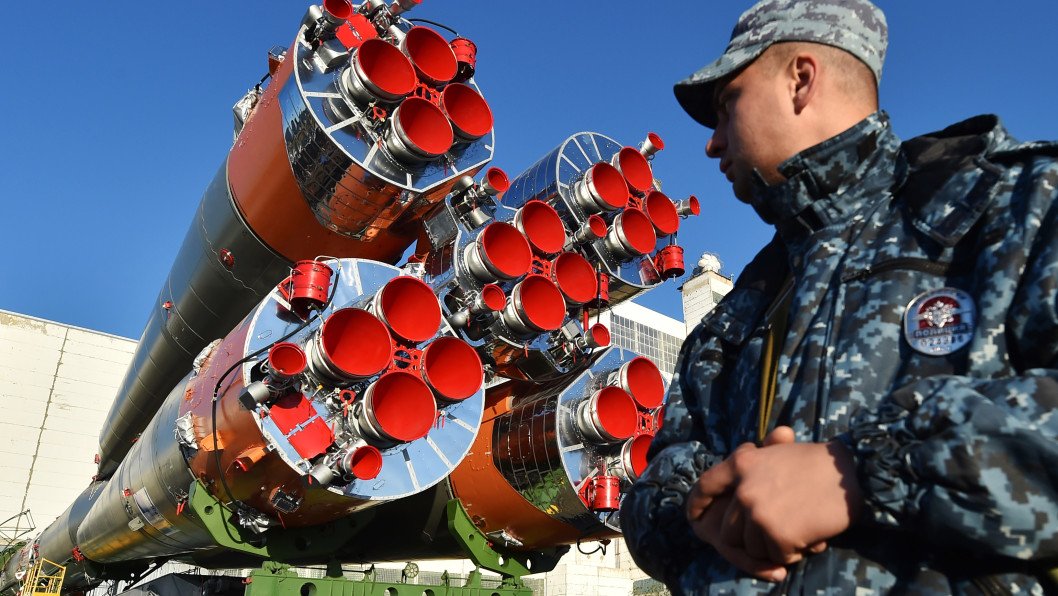
Europe has begun dismantling infrastructure once used for Russian Soyuz-ST rocket launches at the Guiana Space Center in Kourou, marking a symbolic and practical shift away from past cooperation with Moscow, Ukrainian defense outlet Militarnyi reported on April 24.
The work, led by the company MaiaSpace, is part of preparations to convert the site for launches of its own two-stage Maia rocket, according to reporting by European Spaceflight.
We bring you stories from the ground. Your support keeps our team in the field.
The transformation includes the removal of key elements of the former launch complex. Engineers have already cut through four structural supports that once held rockets in place before liftoff, along with associated cable towers. A service tower at the site has also been demolished, according to reports circulating in Russian space-focused communities.
The launch facility has remained unused since 2022, when the European Space Agency ended its cooperation with Russia following the full-scale invasion of Ukraine.
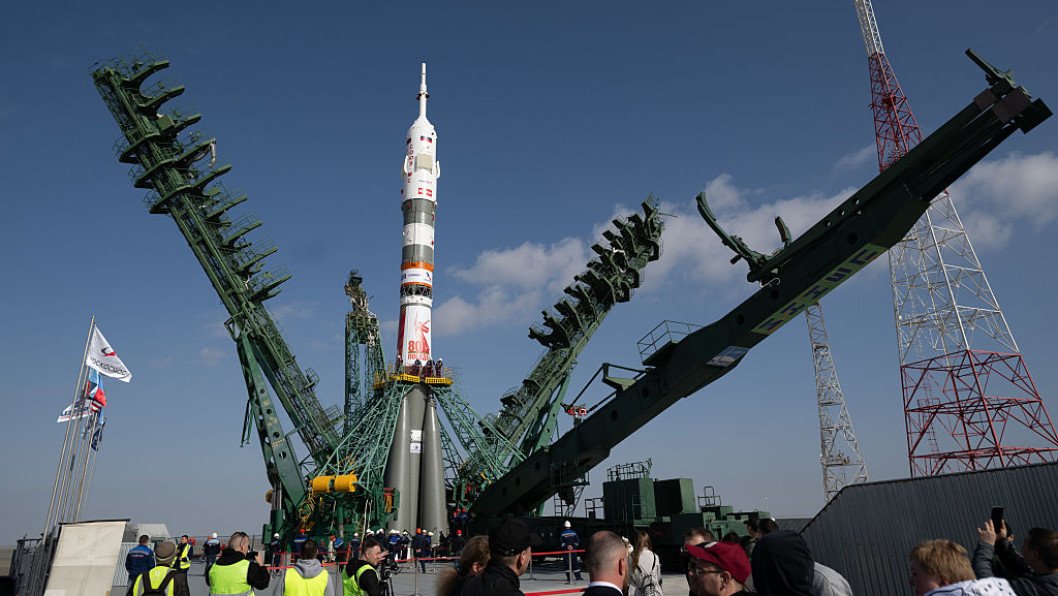
MaiaSpace has already secured a commercial customer for the upgraded site. Satellite operator Eutelsat plans to use the future Maia rocket to deploy spacecraft for its OneWeb communications constellation. The first full mission is currently scheduled for 2027.
The redevelopment project aims to reuse about 80% of the existing infrastructure, including assembly buildings, fuel storage systems, and railway access. Total investment in the upgrade is expected to remain within tens of millions of euros.
Before entering full operational service, MaiaSpace plans to conduct a suborbital demonstration flight to validate key phases of the rocket’s performance.
The timeline also calls for the first Maia rocket to be erected on the launch pad for ground testing by the end of 2026.
Earlier, speaking at the Russian Space Forum, Lev Zeleny, the scientific director of the Russian Academy of Sciences' Space Research Institute, admitted that Moscow has no plans for manned deep space or lunar missions over the next decade.
Thus, Russia has effectively fallen out of the ranks of global space leaders, with its launch rates hitting a historic low not seen since the dawn of human spaceflight.
Discuss this article: