- Category
- Latest news
Expulsion Orders for Russians in EU Reach Highest Level Since 2021
 Prefer U24 Media on Google
- Authors


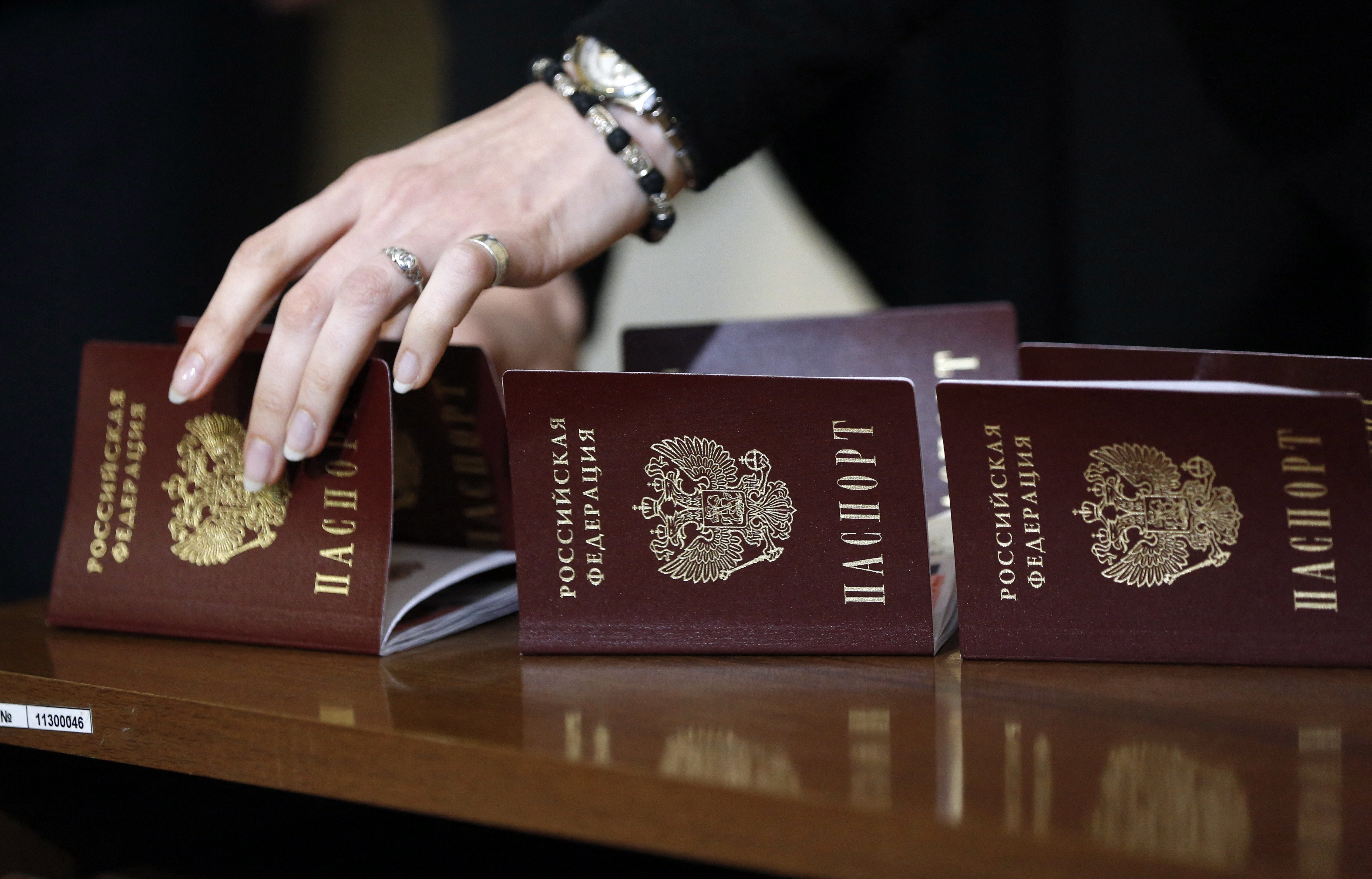
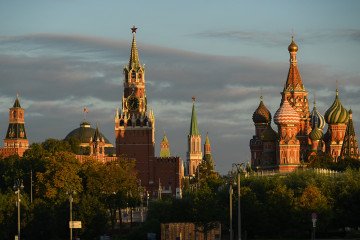
European Union member states issued 10,415 orders for Russian citizens to leave their territories in 2025. The highest figure recorded in the past five years, according to Eurostat data cited by the outlet Verstka on March 25.
The number marks a sharp increase compared to previous years. In 2021, before Russia’s full-scale invasion of Ukraine, EU countries issued 5,245 such orders.
We bring you stories from the ground. Your support keeps our team in the field.
The figure rose to 5,615 in 2022, when Russia experienced a large wave of emigration following the start of the war and the announcement of mobilization. In 2023, the number reached 7,325, followed by 7,535 in 2024, before reaching to a record level in 2025.
Germany issued the largest number of expulsion orders last year, with 3,030 directives, an increase of 22.2% compared to the previous year. The country had also led the EU in this category in the two preceding years.
Lithuania ranked second, issuing 1,795 orders, marking the sharpest increase among EU states, with expulsions rising by 190%. France placed third, with 1,130 orders, although the number represented a slight decrease of 3.4 percent compared to 2024.
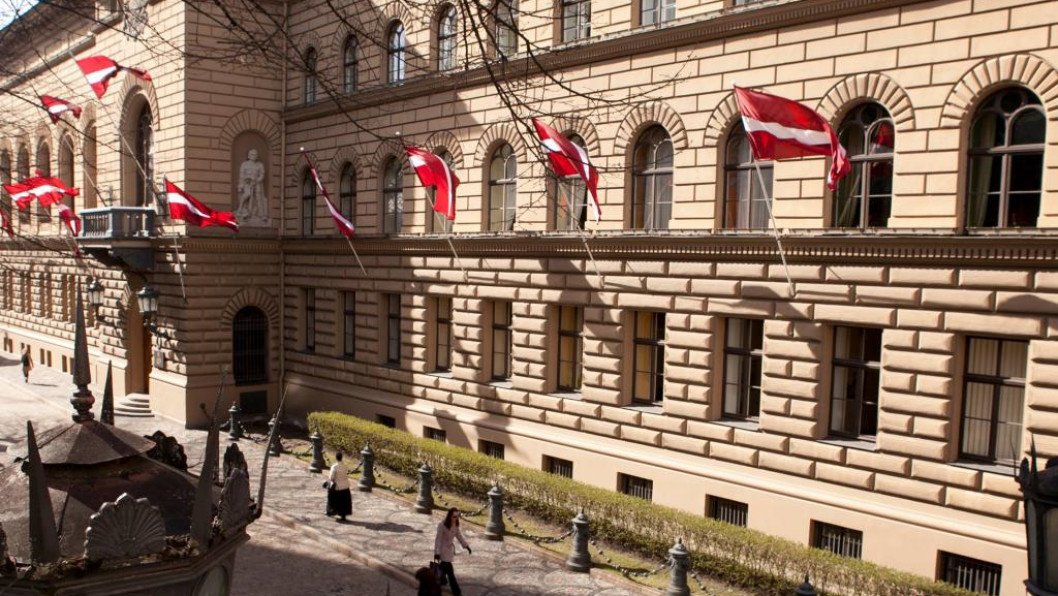
According to Verstka, citing the Eurostat data, only two EU countries—Slovakia and Malta—did not issue any expulsion orders to Russian citizens in 2025. In 2024, Portugal and Romania also recorded zero such cases in addition to those two countries.
Eurostat notes that orders to leave the EU are issued to individuals who are staying in member states illegally. This includes those who entered the EU without authorization, as well as those who entered legally but later remained in the country without valid grounds for residence.
The tightening restrictions on Russian citizens come as authorities inside Russia also continue to expand control over movement. Russia has recently begun preventing military-aged men from leaving the country after launching a digital draft registry and introducing electronic draft notices, according to the monitoring group Border Control.
One of the first reported cases occurred at Moscow’s Sheremetyevo Airport, where a 28-year-old man was stopped at passport control after receiving an electronic summons to appear at a draft office for a medical examination. The man had previously avoided military service and said the government’s online system already showed a travel restriction linked to his name, but he decided to proceed with his trip because the vacation had been booked months earlier.
“At passport control in Sheremetyevo, they immediately, without a word, called over officers who explained that the ban really does appear in their system. They said there was nothing they could do and that this was the first such case they had seen under the new system,” he said.
-39b8ad8fe20a5072e65ac372f7c0896e.jpg)
As of December 2025, since the start of Russia’s full-scale invasion of Ukraine, hundreds of Russian citizens have reportedly obtained Romanian identity documents through fraudulent schemes, allowing them to bypass sanctions and reside within the European Union.
Romanian prosecutors linked part of the operation to the northern commune of Vârful Câmpului, near the Ukrainian border, where investigators discovered that around 10,000 people from Moldova, Ukraine, and Russia had been issued Romanian documents using fictitious addresses, in some cases without the knowledge or consent of property owners.
Discuss this article:
-4a56a6b482ec132402c16ef6fcabf9a2.png)

-c439b7bd9030ecf9d5a4287dc361ba31.jpg "Photo of Katherina Popilnichenko")