- Category
- Latest news
Failure of Germany’s €2B F126 Frigate Program Threatens Baltic Security
 Prefer U24 Media on Google
- Authors

-c439b7bd9030ecf9d5a4287dc361ba31.jpg "Photo of Katherina Popilnichenko")
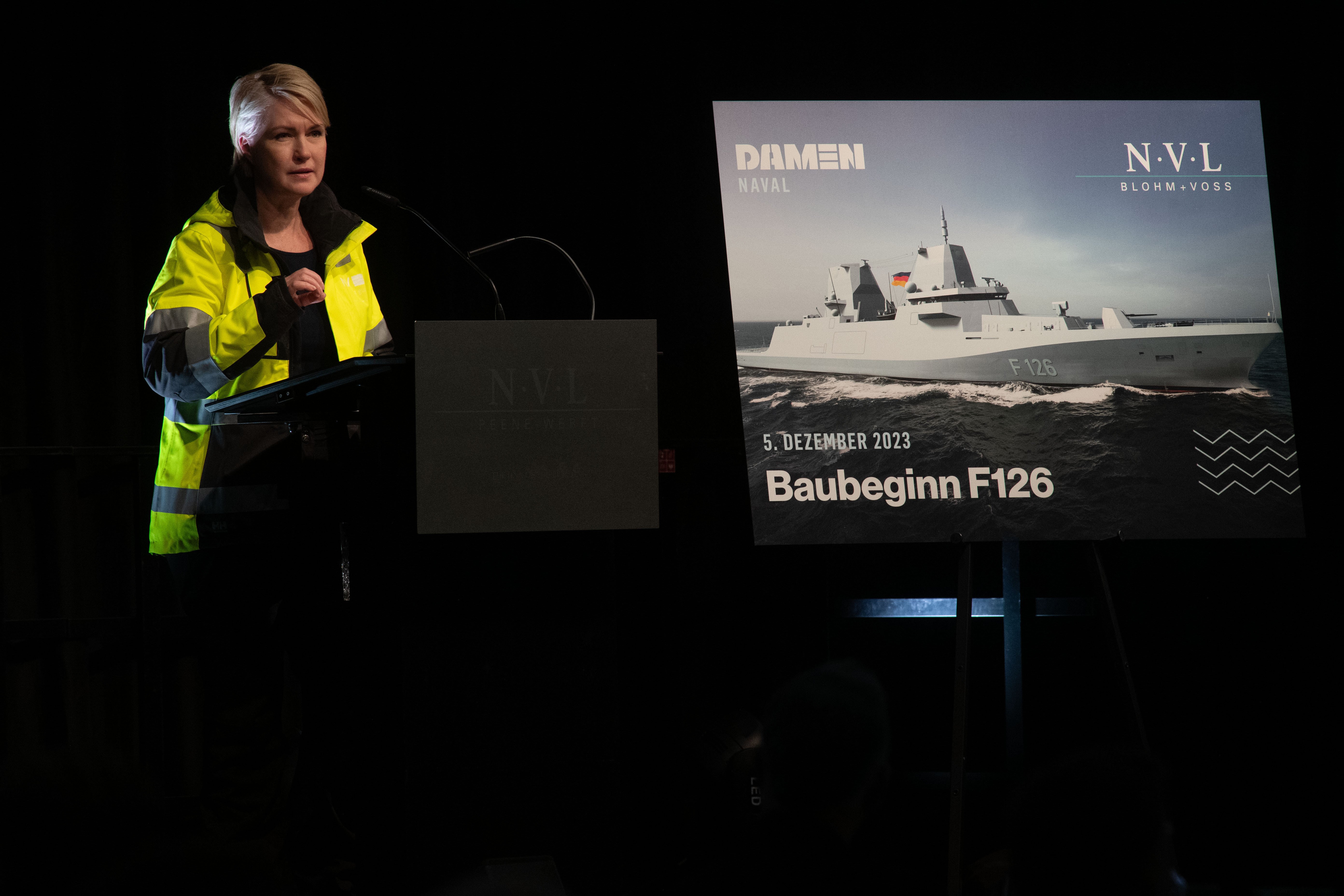
Germany’s F126 frigate program is currently facing a significant crisis that could impact security in the Baltic Sea. Administrative hurdles and construction errors have put the project at risk of failure.
This development threatens to leave the country’s naval forces without critical protection and could result in a budget loss of 2 billion euros, according to The Financial Times on April 7.
We bring you stories from the ground. Your support keeps our team in the field.
The F126 was intended to be Germany's largest naval vessel since World War II. However, the project led by the Dutch company Damen has become stalled due to legal disputes and extensive paperwork.
German officials are now reportedly considering removing the Dutch company from the project. They face a choice between transferring the remaining work to German shipyards or canceling the project entirely and losing the 2 billion euros already spent.
Maritime experts have expressed serious concern regarding the situation. Johannes Peters, head of the Center for Maritime Strategy and Security at Kiel University, noted the strategic implications of the delay.
"For Russia this is like a birthday and Christmas at the same time. We need these ships. But any decision we choose will cause a significant delay," Peters stated.
German Defense Minister Boris Pistorius has attributed the problems to the contractors. He suggested that the company struggled with new software, leading to design errors such as mismanaged cabling and incorrectly shaped steel components.
The German procurement agency, which employs 13,000 people, overwhelmed the project with specific demands. These included a refusal to accept English-language blueprints and a requirement for massive amounts of physical paperwork instead of digital files.
The failure of the project is being viewed as a concerning sign for NATO cooperation, as even close allies have struggled to complete the joint construction.
While Damen prepares to potentially hand over the project to German companies Lürssen and Rheinmetall, the German government is still weighing whether it would be more cost-effective to admit defeat and stop construction.
German authorities began barring Russian-linked ships from entering territorial waters in the Baltic and North Seas after the federal police intercepted a "zombie tanker" named Tavian.
In January 2026, law enforcement dispatched a helicopter to inspect the vessel, which was suspected of heading toward an oil terminal in St. Petersburg. The investigation confirmed that the ship had been on US sanctions lists since 2021 and was operating under a false flag with forged identification numbers.
Consequently, German officials barred the tanker from transiting their waters, forcing the vessel to turn back as the captain reportedly feared its potential confiscation.
Discuss this article: