- Category
- Latest news
Germany Bans Personal Phones in Defense Meetings Amid Russia, China Espionage Fears
 Prefer U24 Media on Google
- Authors

-c439b7bd9030ecf9d5a4287dc361ba31.jpg "Photo of Katherina Popilnichenko")
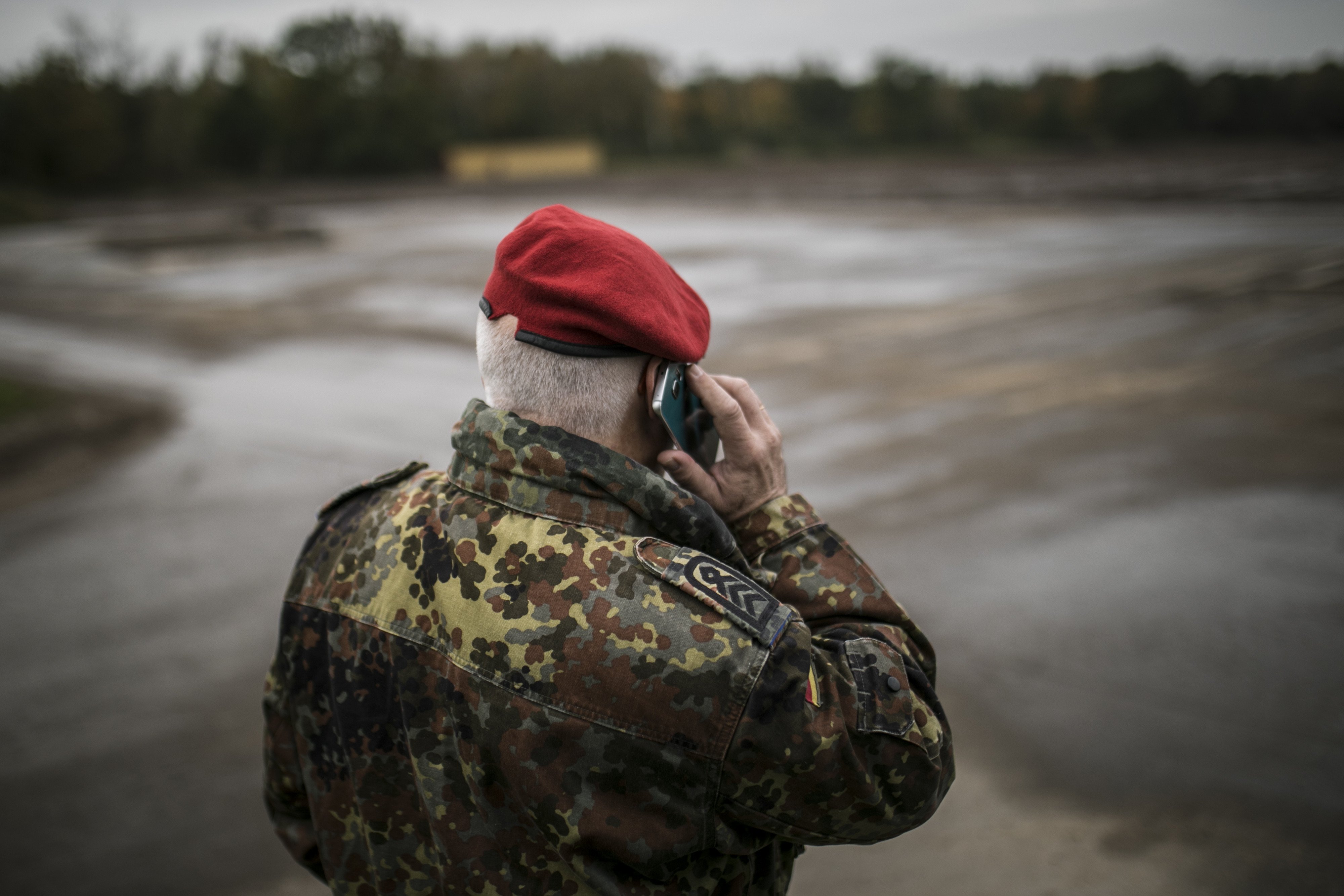
The German Ministry of Defense has implemented new restrictions on the use of personal mobile devices among its staff. This decision follows growing concerns regarding potential espionage activities linked to Russia and China.
The Bundeswehr issued security guidelines instructing employees to leave smartphones, tablets, and smartwatches out of sensitive meetings, according to Spiegel on April 16.
We bring you stories from the ground. Your support keeps our team in the field.
The ban specifically applies to sessions involving project planning, military operations, training exercises, and discussions regarding the combat readiness of the German army.
Under these rules, officials are required to lock their personal gadgets in lockers located outside meeting rooms. The defense ministry cited the risk of data leaks and espionage which could facilitate acts of sabotage as the primary reason for these measures.
Authorities believe the Bundeswehr remains a top target for foreign intelligence agencies, particularly from Russia and China. Security experts noted that personal devices are vulnerable to malware and eavesdropping through phishing attacks.
Because the ministry does not have administrative oversight of private hardware, these devices represent a significant security liability.
While most ministry employees are provided with official work phones that undergo regular security screenings, these devices often lack certain applications like instant messengers. This has led many staff members to continue using their private phones for convenience.

Despite the new restrictions, the ministry’s policy is considered less strict than those of other German agencies, such as the Federal Intelligence Service, where personal phones are prohibited from the workplace entirely.
On March 19, German domestic intelligence officials reported a sharp rise in Russian espionage and sabotage, noting that Moscow increasingly viewed Germany as a primary opponent.
Sinan Selen, head of the Federal Office for the Protection of the Constitution, warned that foreign actors were showing a greater willingness to take risks, using a broad set of methods that could even include "kill operations."
He stated that the logistics sector, the defense industry, and technology companies served as the main targets for these hostile activities. This escalation was part of a broader European pattern, with over 150 Russian-linked hybrid attacks documented across the continent since the full-scale invasion of Ukraine.
Discuss this article:




-efa69d4733b5af9f7cd0a642f85424a6.jpeg "Thick black smoke rises from the heavily damaged Proton-Electrotex plant in Orel, Russia, following a reported strike. (Source: Exilenova+)")