- Category
- Latest news
How a Czech Company Kept Russia’s Tank Factories Running During the War
 Prefer U24 Media on Google
- Authors


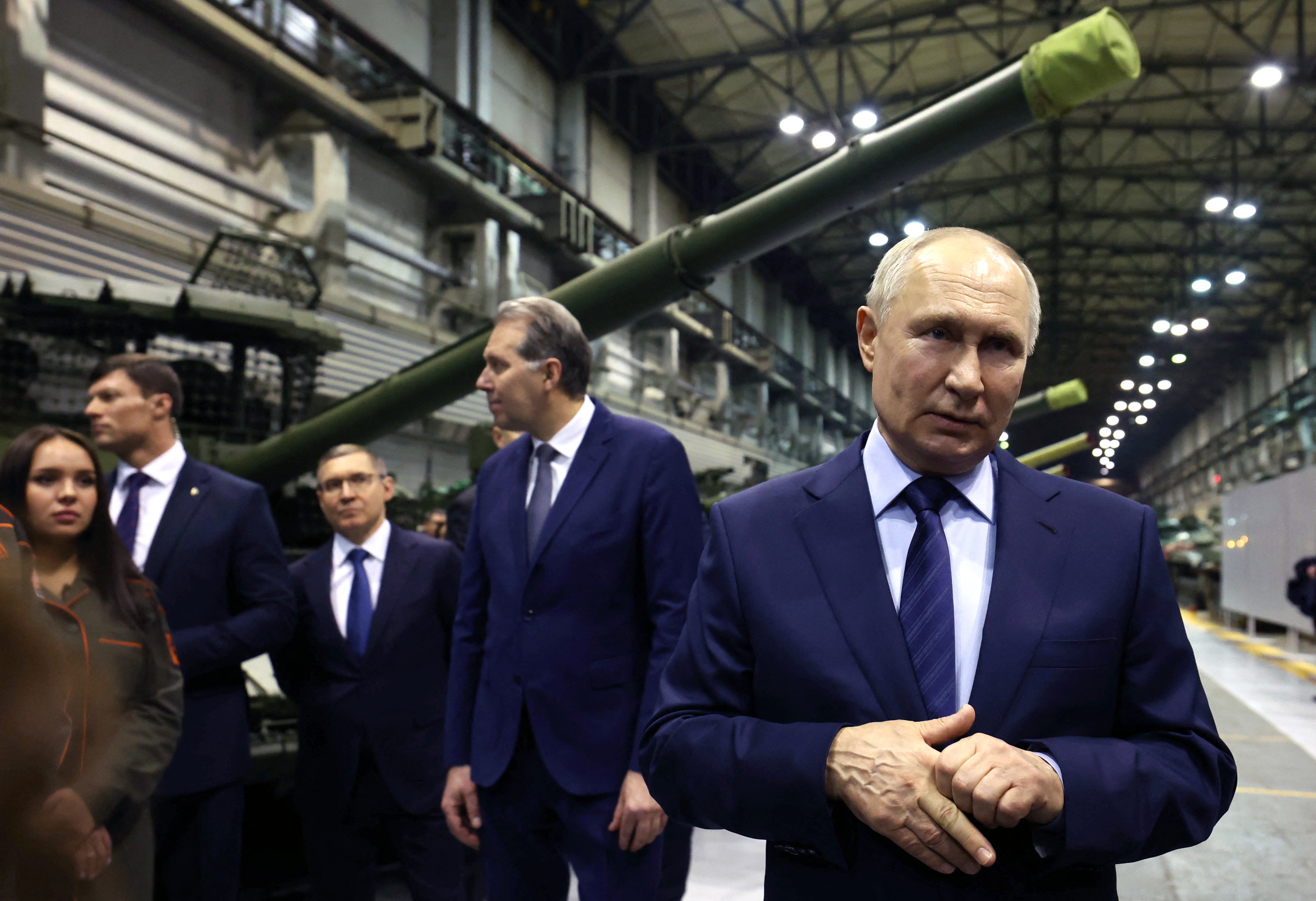
A Czech industrial group has continued servicing equipment used by Russia’s main tank and artillery producers even after the full-scale invasion of Ukraine, according to a joint investigation by The Insider and Czech outlet VoxPot on April 14.
The investigation found that the company, Alta, remains linked to facilities supporting Uralvagonzavod—Russia’s primary tank manufacturer—as well as Motovilikha Plants, a key producer of tube and rocket artillery, despite publicly scaling back parts of its Russian business.
We bring you stories from the ground. Your support keeps our team in the field.
Alta is controlled through Alta Invest and ultimately linked to businessman Vladimír Plášil, who has represented Russia’s state nuclear corporation Rosatom in Central Europe since the mid-1990s.
As reported by The Insider and VoxPot, Plášil also helped establish joint ventures tied to the export of Russian nuclear fuel into European markets.
Ties not cut
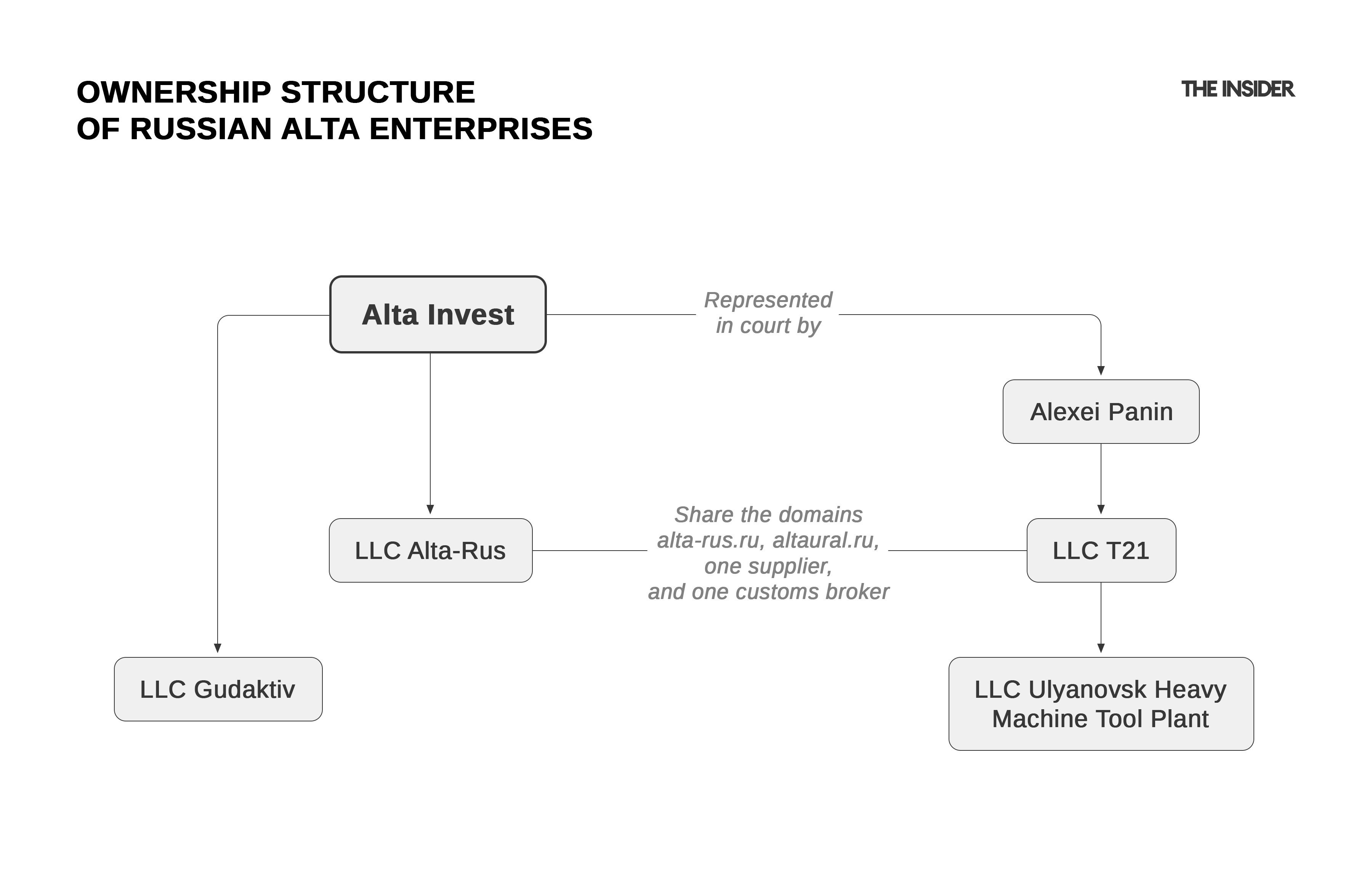
After the start of the full-scale war, Alta formally divested some of its Russian assets. However, The Insider and VoxPot found that two of its four Russian companies were transferred to a lawyer, Alexei Panin, in transactions that show signs of being nominal rather than genuine.
The supposedly independent firms continued using the same domains, suppliers, customs broker, and operational infrastructure as Alta’s entities.
Panin himself still represents Alta-linked companies in Russian courts, including as recently as March 2026, according to court records reviewed by The Insider.
Two other Russian entities remain directly under Alta’s control.
Ties to Russia’s heavy industry
Alta’s involvement in the Russian industry dates back decades. As detailed by The Insider and VoxPot, the company played a role in modernizing key industrial sites, including Uralvagonzavod, and supplied equipment to major defense-linked enterprises.
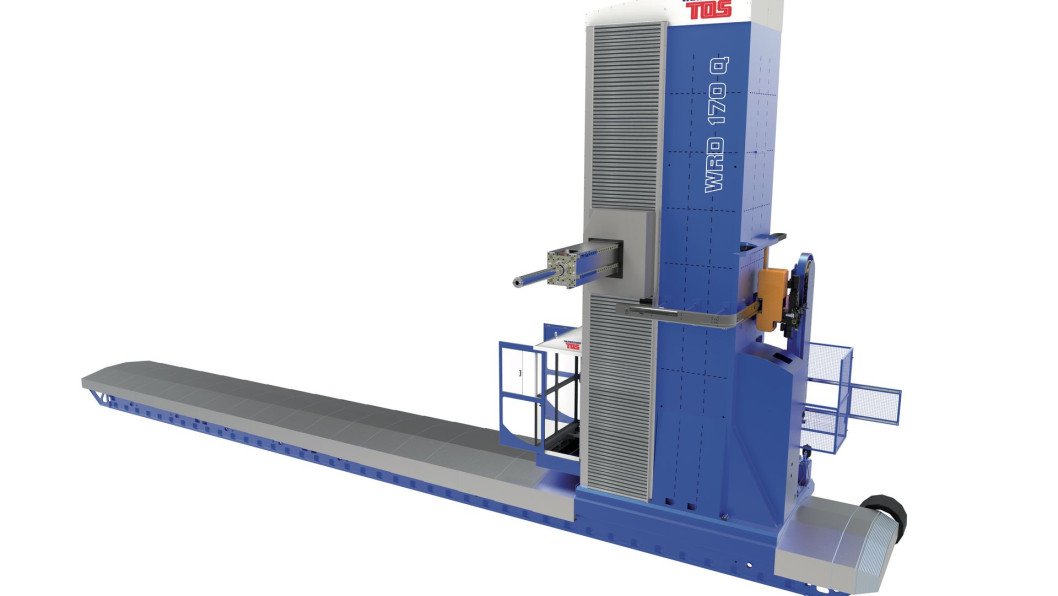
Through its Russian subsidiary Alta Rus, the group has specialized in supplying and servicing machine tools—critical infrastructure used in the production and repair of heavy military equipment.
The Insider reports that Alta-linked companies continued importing and servicing machinery from European manufacturers, including Czech industrial firms, even after 2022.
Despite US and EU sanctions on Uralvagonzavod, The Insider and VoxPot found that Alta-linked entities continued to service equipment at the facility.
Court documents show that in February 2023, the Ulyanovsk Heavy Machine Tool Plant—formally sold but still tied to Alta—signed a contract with Uralvagonzavod to carry out major repairs on a CNC machining center worth over 60 million rubles ($790,000).
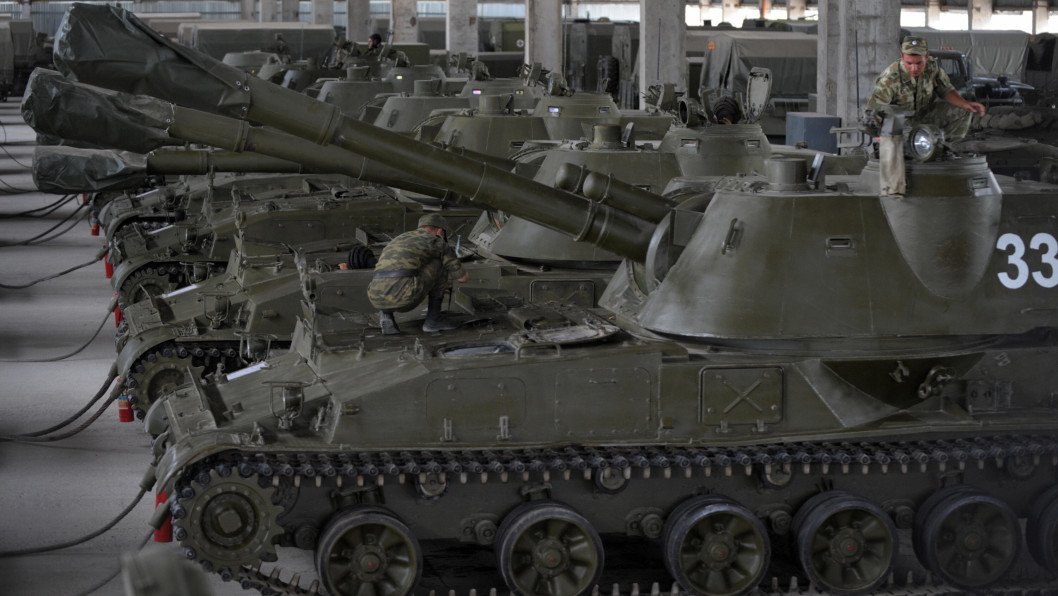
The same plant has also worked with Motovilikha Plants, a Rostec-owned enterprise that produces multiple rocket launch systems, including Grad, Uragan, and Smerch, according to findings by The Insider.
Network of suppliers and intermediaries
The Insider and VoxPot uncovered overlapping supply chains linking Alta and its supposedly independent counterparts. Both Alta-controlled and Panin-linked firms imported machine tools from the same Chinese supplier, used the same customs broker, and listed identical contact details tied to Alta domains.
Shipment records also show that equipment was routed to the same industrial sites, including the Ulyanovsk plant, suggesting coordinated activity rather than independent operations.
Despite claiming it had cut operational ties, Alta representatives told The Insider they had retained Russian entities to avoid additional tax liabilities rather than for ongoing business.
However, reporting by The Insider and VoxPot shows continued involvement by senior management. Alta executives traveled to Russia after the invasion, signed financial documents for Russian subsidiaries, and oversaw operations.
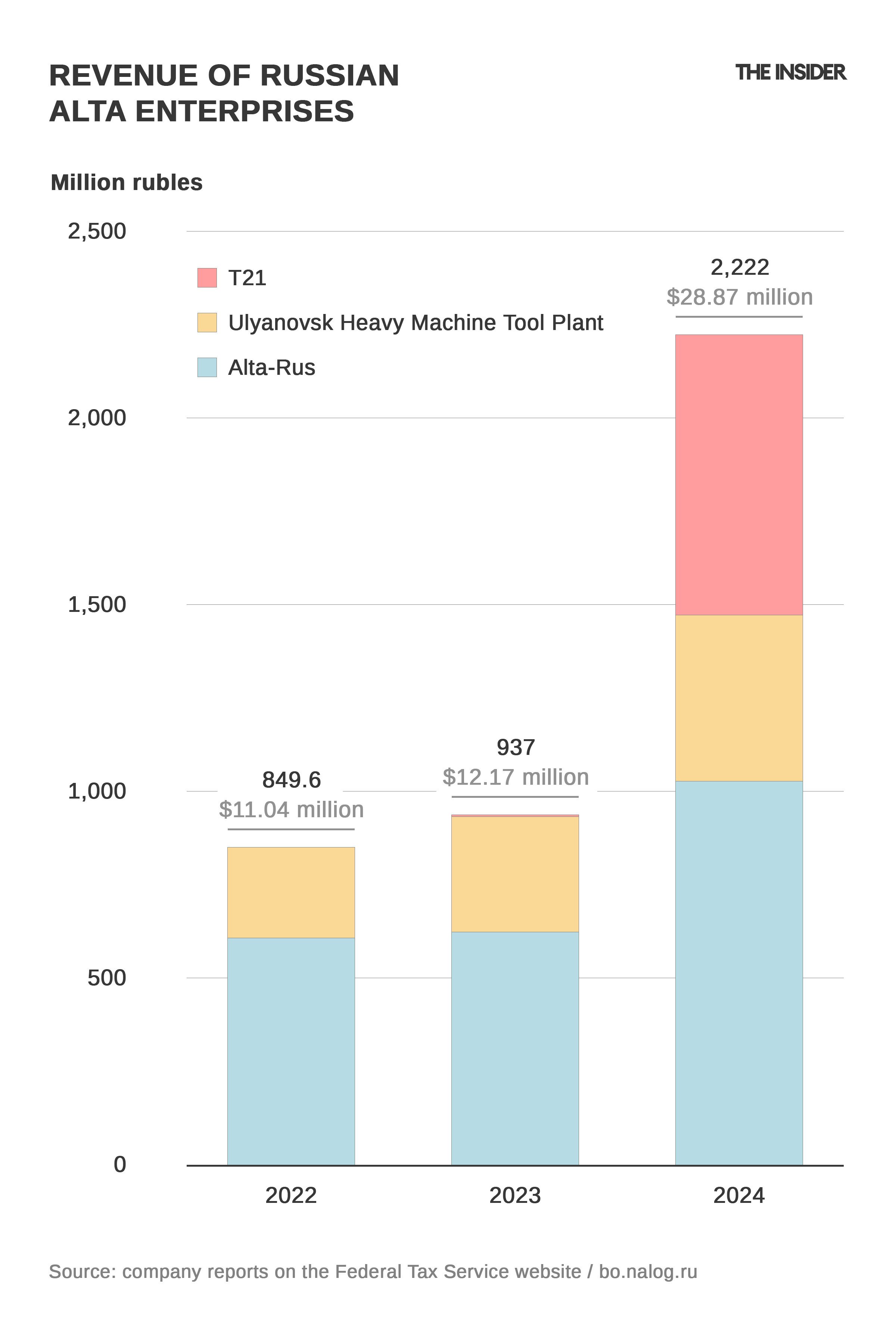
In addition, Alta directly supplied machinery after the war began, including a CNC boring machine delivered in May 2022. Between 2022 and 2024, Alta-linked entities generated approximately 4 billion rubles (about $52.5 million) in revenue, according to The Insider.
-7659cd20a14d074ef39d2b81a5a71b27.png)
Supporting the broader military-industrial chain
Alta-linked companies were also tied to other defense-related enterprises, including facilities involved in air defense systems and components for missile and aviation systems, The Insider reports.
One client, the Chelyabinsk Forging and Pressing Plant, produces components used in artillery systems and missile engines and is under both US and EU sanctions.
Another case involved legal action over equipment supplied to a Rosatom-affiliated plant producing components for nuclear submarines, according to The Insider and VoxPot.
Equipment reaches occupied territories
The investigation also found that machinery linked to Alta reached occupied Ukrainian territory. In 2025, equipment was delivered to a railway plant in occupied Luhansk now integrated into Russia’s industrial structure.
At the same time, employees of Alta-linked enterprises publicly supported Russian military efforts, including donating funds and equipment such as drones and batteries to troops, according to materials reviewed by The Insider.
Earlier, Ukraine’s Defense Intelligence published new data revealing the use of foreign-made industrial equipment in Russia’s military-industrial complex.
The list features a range of machinery, including lathes, milling and grinding machines, CNC machining centers, printed circuit board production equipment, vibration test systems, and temperature chambers. The equipment originates from manufacturers in Germany, Japan, Taiwan, Austria, Switzerland, and other countries, and is described as playing a key role in sustaining Russia’s defense production capabilities.
Discuss this article:

-c439b7bd9030ecf9d5a4287dc361ba31.jpg "Photo of Katherina Popilnichenko")