- Category
- Latest news
How Sweden’s Gripen-E Could Let Ukraine Take Its Skies Back
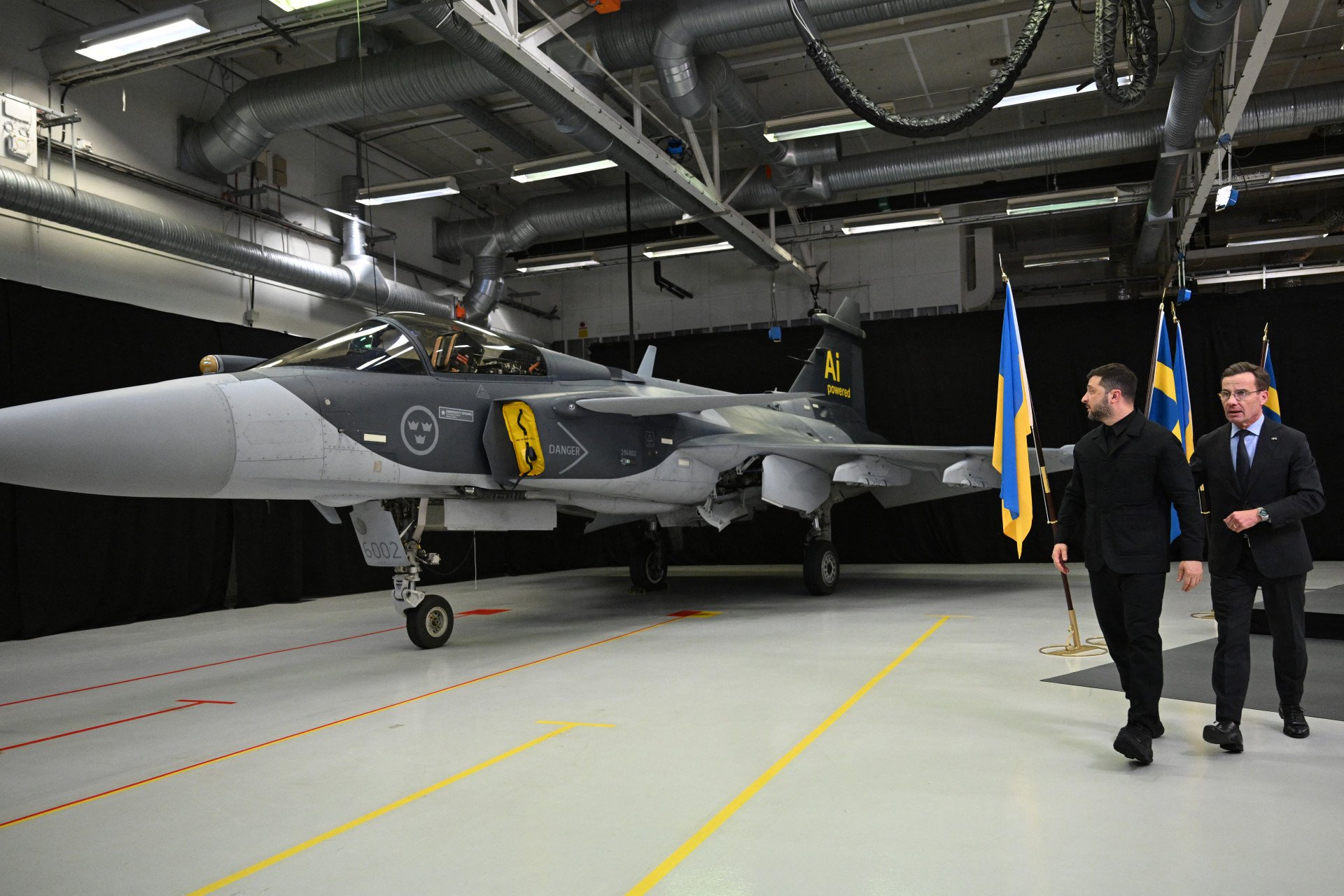
As Ukraine seeks to modernize its air force and counter Russia’s entrenched air dominance, Sweden’s Gripen-E multirole fighter is emerging as a realistic and highly survivable option. The aircraft’s agility, electronic warfare resilience, and networked combat capability could offer Ukraine the means to contest Russian airspace on more equal terms.
 Prefer U24 Media on Google
- Authors


Sweden’s Saab JAS 39 Gripen-E could emerge as the fighter Ukraine needs to contest Russian air superiority, according to Army Recognition on October 24.
The aircraft’s blend of advanced sensors, electronic warfare resilience, and rapid deployment capability makes it uniquely suited for survival and combat in one of the most dangerous airspaces in the world.
Defense analysts cited by Army Recognition note that the jet’s modern radar, beyond-visual-range weapons, and secure network links could help Ukrainian pilots challenge Russian fighters such as the Su-35S and MiG-31BM—while staying out of reach of long-range surface-to-air missile systems.
Now boarding pic.twitter.com/gPvRSk0ZZS
— Ulf Kristersson (@SwedishPM) October 22, 2025
Designed for the world’s toughest airspace
Unlike traditional fighters, the Gripen-E isn’t just an airframe—it’s a system-of-systems. Saab designed it to operate as part of a connected combat network where every aircraft, sensor, and weapon contributes to the fight.
According to Army Recognition, the Gripen-E’s effectiveness against Russia’s Aerospace Forces (VKS) rests on four core elements: advanced sensor fusion for early detection, a diverse and lethal weapons mix, a sophisticated electronic warfare suite, and an operational doctrine centered on dispersed basing and rapid turnaround. Together, they make the aircraft more than a machine—a flexible survival strategy in hardware form.
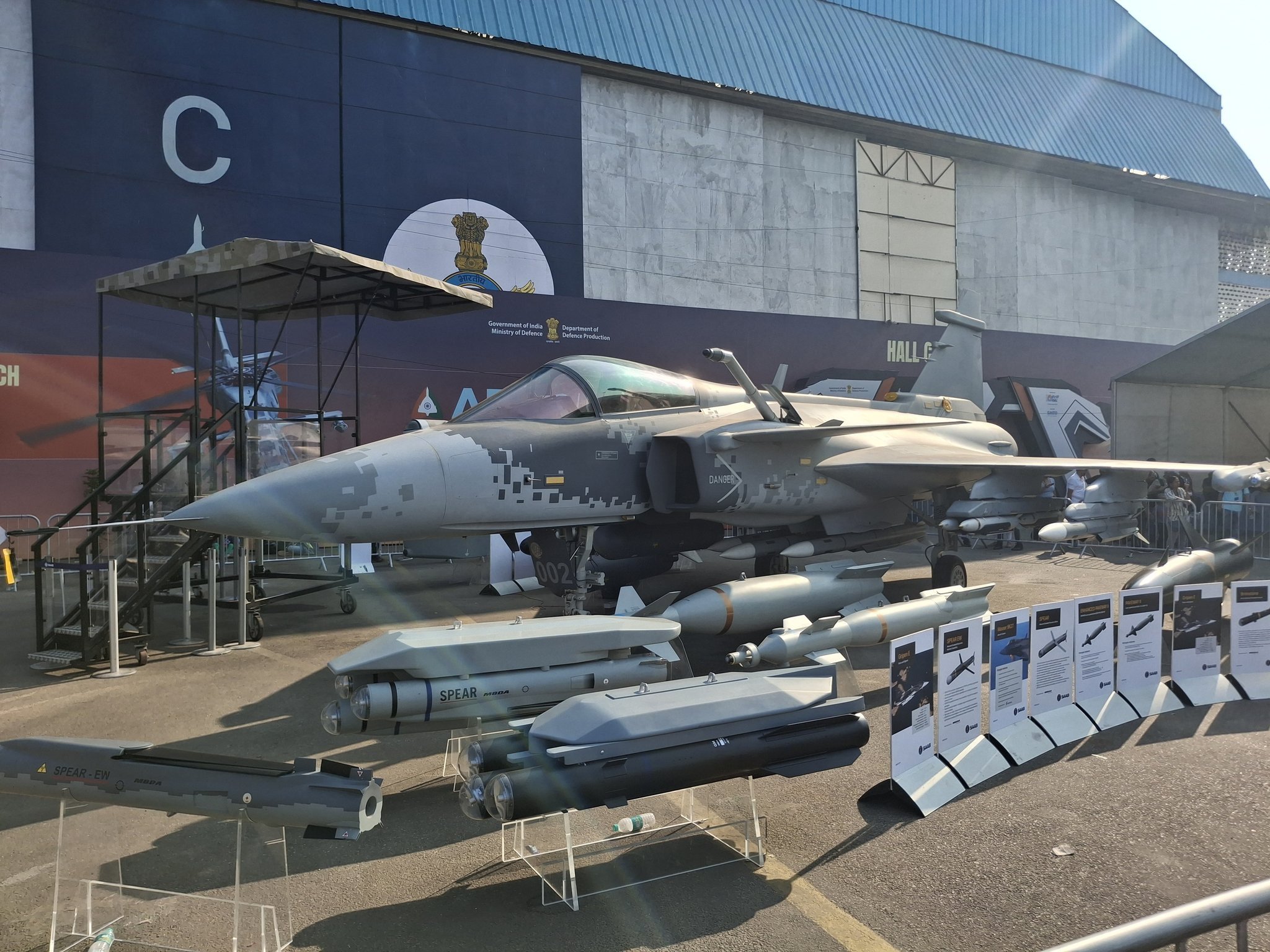
Eyes everywhere: the sensor suite
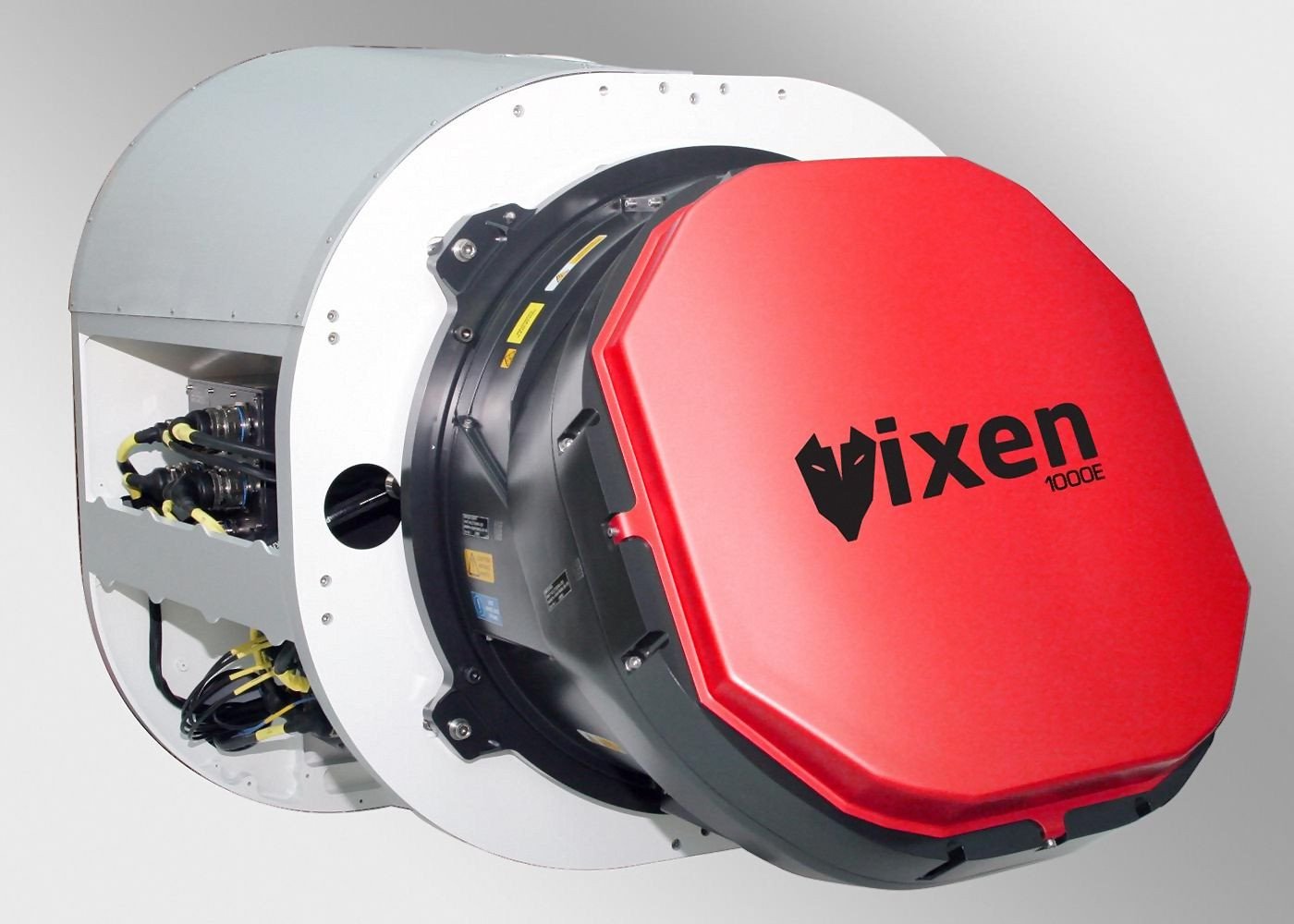
At the heart of the Gripen-E is the Raven ES-05 AESA radar, featuring a roll-repositionable antenna that widens the field of view and enables simultaneous air-to-air and air-to-ground operations. This radar is both resistant to jamming and quick to lock onto targets.
Complementing it is the Skyward-G infrared search and track (IRST) system, which can passively detect aircraft and missiles by heat signature—an edge against stealthy or radar-silent threats.
Army Recognition reports that with its fusion software and encrypted datalinks, the Gripen-E allows Ukrainian pilots to share targets between aircraft and allied systems, deciding whether to strike or remain passive to preserve stealth. This flexibility increases engagement opportunities while reducing exposure to Russia’s long-range missile systems.
Weapons that push the fight further
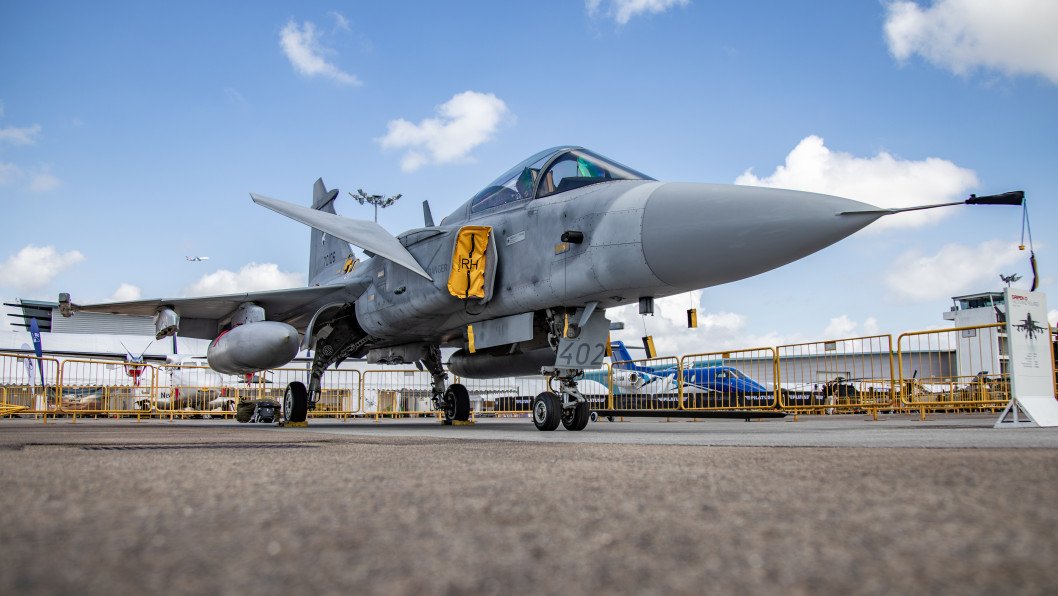
The Gripen-E can carry Meteor beyond-visual-range missiles, IRIS-T short-range missiles, and AMRAAM interceptors—a loadout giving Ukraine both reach and versatility.
The Meteor’s ramjet engine maintains speed deep into its trajectory, dramatically expanding its kill zone compared with Russian R-77 or R-37 missiles, Army Recognition notes.
JAS 39 Gripen by Saab AB. pic.twitter.com/bh56NLRny0
— Milky way (@darknet01) October 22, 2025
With ten hardpoints, the jet can mix weapons for air defense, strike, and suppression missions in a single sortie.
For Ukraine, that means fewer reconfigurations, more flight hours, and faster response to dynamic threats.
As Army Recognition notes, it’s an aircraft designed to pivot from defense to offense mid-mission—a capability Soviet-era jets can’t match.
Surviving the unseen battle: electronic warfare
Army Recognition wrote that the Gripen-E’s Arexis electronic warfare system creates a 360-degree defensive sphere.
Digital receivers, active jammers, towed decoys, and missile-warning sensors detect and counter threats automatically.
Electronic warfare (EW) is considered the battleground of the future. Here are a few things that take Gripen E's EW capability to the next level:
— Saab India (@SaabIndia) November 15, 2023
Arexis (Saab's EW self-protection system): Provides a complete picture of threats spanning the entire electromagnetic spectrum and… pic.twitter.com/PFSokAsmos
This gives Ukrainian pilots tools not just to evade Russian missiles but to shape the fight itself—forcing enemy radars to reveal their positions, degrading missile accuracy, and opening temporary safe corridors through dense SAM networks like the S-400 and S-300.
According to Army Recognition, the Gripen-E doesn’t rely on stealth coatings or invisibility. Instead, it fights by outsmarting sensors, outpacing missiles, and using electronic confusion as armor.
Built to fly anywhere, anytime
A defining feature of the Gripen-E is its dispersed operations concept. It can take off from short or damaged runways, even highways, and be refueled and rearmed in under 20 minutes by a small ground crew.
In Ukraine, where airbases are frequent targets of Russian missile strikes, this flexibility could be game-changing.
Gripen-E squadrons could relocate quickly and operate from improvised sites, ensuring continuity even during heavy bombardment. As Army Recognition observes, “mobility is survivability”—and the Gripen-E embodies that philosophy.
Swedish Gripen lands on a highway 🛣 🇸🇪 pic.twitter.com/FC95sxdylu
— Acepilot Aviation (@AcepilotAV) May 2, 2024
Power, performance, and energy management
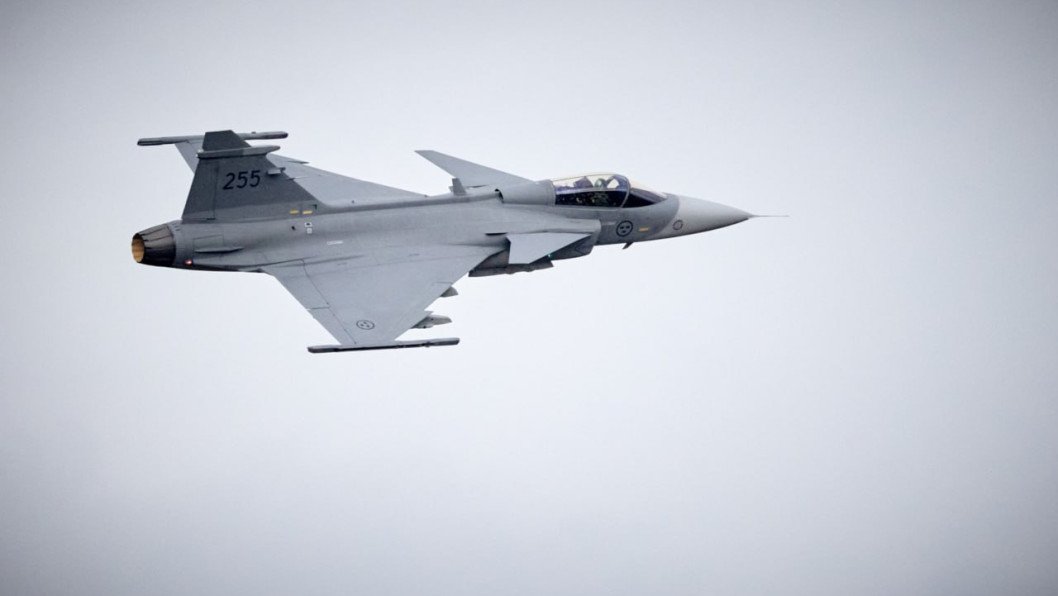
Powered by the General Electric F414G engine producing 22,000 pounds of thrust, the Gripen-E combines strong acceleration with excellent agility. It can outclimb, outmaneuver, and disengage faster than heavier fighters, according to Army Recognition.
Digital fly-by-wire controls allow high-G maneuvers with precision, letting pilots sustain energy through prolonged engagements. For Ukraine, this means greater survivability—and the ability to control when and how a fight happens.
🇹🇭 Thai #Gripen land, refuel, rearm w/ IRIS-T missiles, and takeoff at temporary #roadbase on highway 4287.
— Gripen News (@GripenNews) February 28, 2025
Royal Thai Air Force is developing new operational procedures with Saab Gripen. A big day. Feb 27, 2025.
Video: #RTAF Insider #aviation #Military #FighterFriday #Thailand pic.twitter.com/33rpTFhQPA
A True Multirole Platform
Beyond air combat, the Gripen-E can deliver precision strikes with laser- and GPS-guided bombs, anti-radiation and anti-ship missiles like the RBS-15, and even long-range standoff munitions. Its 27mm Mauser BK-27 cannon offers an additional close-combat option.
This versatility allows Ukraine to use the same jet for air defense, interdiction, and suppression of enemy air defenses (SEAD). In modern warfare, adaptability often wins wars—and the Gripen-E was designed with that in mind.
Maintenance, Endurance, and the Economics of Survival
The Gripen-E’s modular construction means reduced maintenance time and higher sortie rates. Panels open easily, systems are quick to replace, and every component is optimized for uptime.
This matters for Ukraine: fewer maintenance hours mean more jets in the air each day, less dependence on large depots vulnerable to attack, and a more resilient overall air campaign. As Army Recognition points out, “a fighter that keeps flying is a fighter that wins.”
Gripen is designed for hot pit refueling, which means the engine is still running during the process. It saves time and allows a quick re-launch for the next sortie. That makes Gripen an ideal fighter for Baltic Air Policing missions, where a high operational effect is needed. pic.twitter.com/5kklAlEJc5
— Saab (@Saab) April 24, 2024
Transforming Ukraine’s Air Power
If Sweden delivers 100 to 150 Gripen-E fighters, it would represent not just a fleet expansion but a strategic transformation. These jets would allow Ukraine to shift from reactive air defense to localized air superiority in key battle zones.
NATO interoperability would integrate Ukraine into Western data networks, targeting systems, and joint missions — effectively merging its air operations with allied doctrine.
A #SAAB 39 Gripen can be re-armed and re-fuelled within 15 minutes from touching down at the dispersal road base. Most of this job is done by conscript ground-crews.#Flygvapnet #swaf #svfm pic.twitter.com/LvlyiWPeja
— jn-photo.se 🇸🇪 🇺🇦 (@JnAviPhoto) April 20, 2024
The challenges of pilot training, maintenance infrastructure, and logistical adaptation remain significant. But as Army Recognition concludes, if properly implemented, the Gripen-E could mark “a turning point in the modern air war over Eastern Europe.”
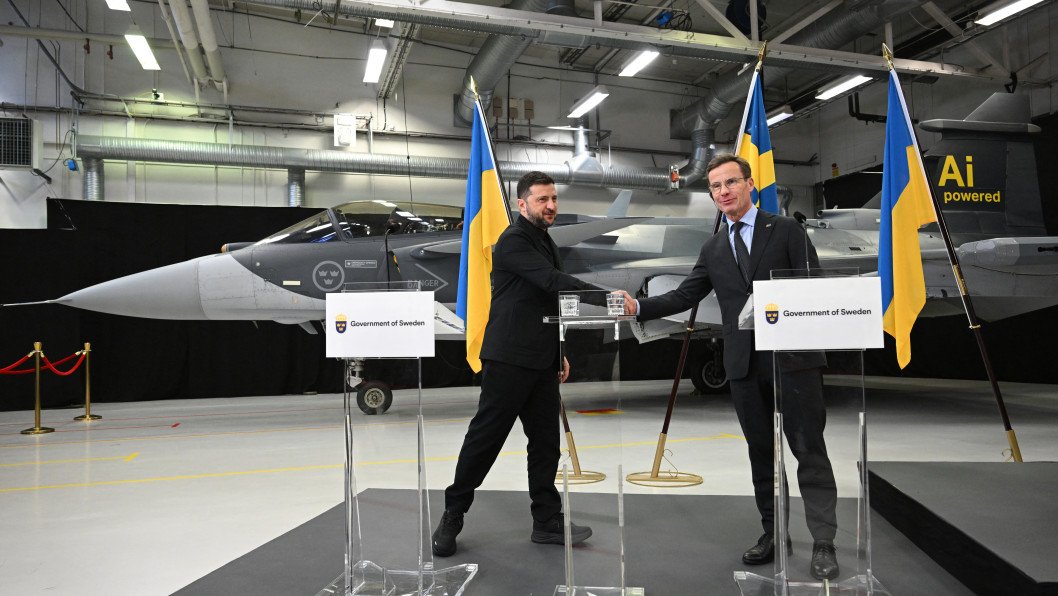
Earlier, Sweden agreed to sell modern JAS 39 Gripen E fighter aircraft to Ukraine under a newly signed defense cooperation declaration.
Under the declaration of intent, Ukraine plans to acquire between 100 and 150 Gripen E multirole fighters from Saab, one of Europe’s leading defense manufacturers.
Discuss this article:


-6ff4efaedd2092e0205aad37f9e7b98a.jpg "Illustrative image. US F-16 and Polish MiG-29 over Poland, 2005.")