- Category
- War in Ukraine
Ukraine Is Purchasing Swedish Gripen E Fighter Jets And Building Its Own Air Fleet Of 100–150 Aircraft
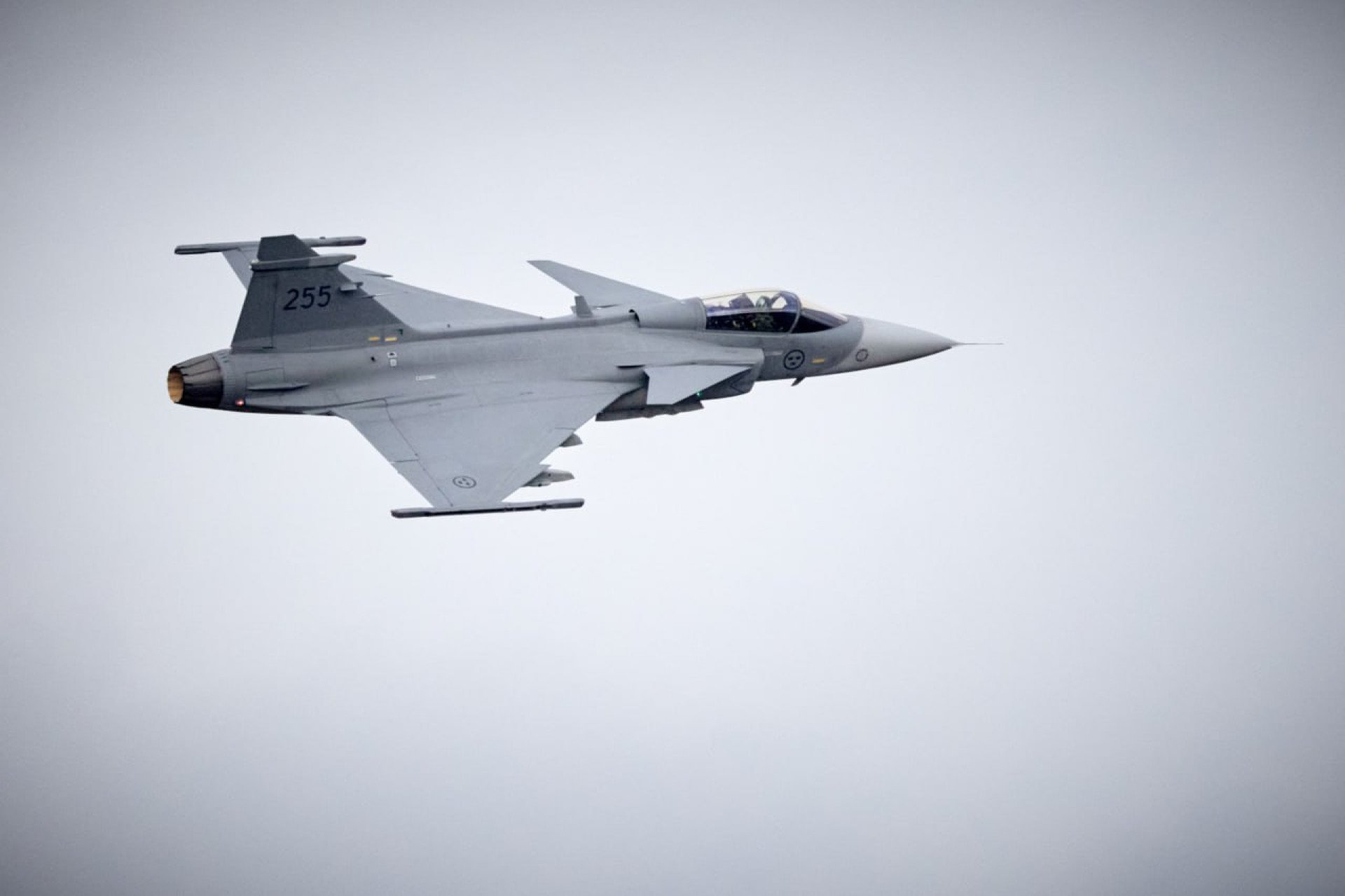
A memorandum of cooperation between Ukraine and Sweden signals a serious intent to form a fleet of the latest versions of Swedish Saab aircraft. For both countries, this marks an important step in collaboration and the strengthening of the European partnership.
 Prefer U24 Media on Google
- Authors

-29a1a43aba23f9bb779a1ac8b98d2121.jpeg "Photo of Illia Kabachynskyi")
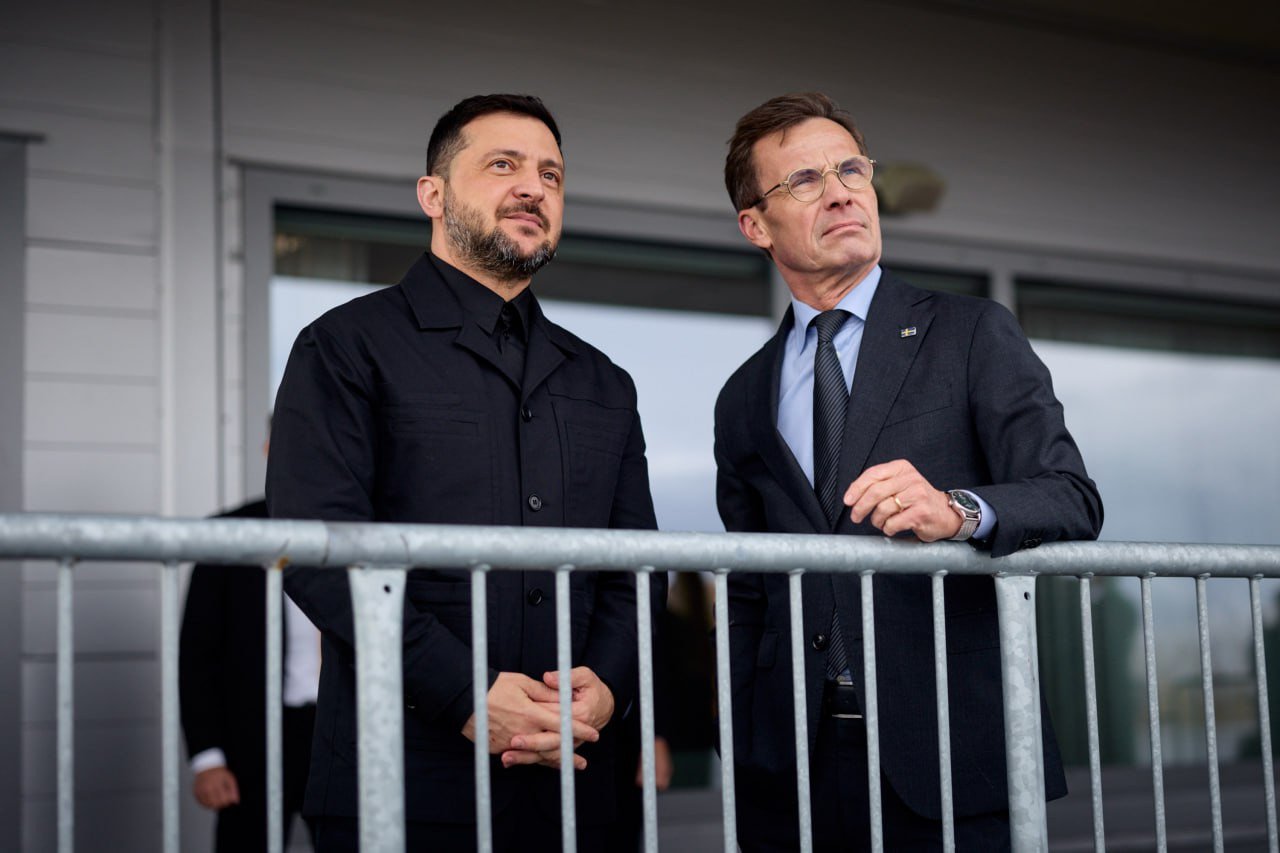
On the evening of October 22, Ukrainian President Volodymyr Zelenskyy and Swedish Prime Minister Ulf Kristersson made a joint statement: Ukraine is ordering 100–150 Gripen E fighter jets from Sweden, developed by the Swedish company Saab.
Currently, the first stage—a memorandum between the two countries—has been completed. This will be followed by more detailed preparation, contracting, and aircraft production. The plan spans the next 10 years, underscoring Ukraine’s path toward European integration. Kyiv expects to receive the first aircraft as early as 2026.
Previously, Ukraine stated that it needed at least 140–160 aircraft of a single type to adequately protect its airspace. Zelenskyy also emphasized that Ukraine continues to work with existing aircraft—the French Mirage and American F-16—supplied by its long-term European partners.
The cooperation is significant for both Ukraine and Sweden. What makes this a win-win case?
A major contract for Saab
The largest operator of Gripen aircraft is Sweden itself. As of 2025, the country operates nearly a hundred older models and has placed an order with Saab for 70 JAS 39E Gripen jets—the same model Ukraine intends to acquire.
For Saab, this represents one of its largest, if not the largest, export contracts for supplying its domestically developed fighter jets to another country. By the size of its order, Ukraine rivals India, which has also been negotiating with Sweden for 114 aircraft, though no firm contract has yet been signed. Ukraine, on the other hand, is moving decisively toward acquisition.
For Saab, this is a multibillion-dollar deal. While the exact cost has not been publicly disclosed, it is clearly a contract with many zeros.
Additionally, Ukraine will need to build new infrastructure to support the Gripen fleet—the country has never operated these aircraft before, meaning everything must be built from scratch.
It’s worth noting that Saab and Sweden are open to localizing production—a major advantage for deepening bilateral cooperation. Currently, Saab’s plant in Linköping can produce about 12 aircraft per year. Considering that the combined Swedish and Ukrainian orders exceed 200 aircraft, there is clear potential to expand production capacity.
Ukraine gains a modern air fleet
Throughout its independence, Ukraine has relied on Soviet-era fighter jets, rarely updating its fleet. Russia’s invasion left the country in a difficult position, forcing it to search the world for Soviet aircraft and spare parts.
Cooperation with Sweden offers Ukraine the opportunity to build an entirely new air fleet—one that will now be part of the European defense ecosystem. Gripen jets are multirole platforms capable of carrying a wide range of NATO-standard weapons.
Sweden, a member of both the European Union and NATO, has been a reliable supporter of Ukraine since the start of Russia’s full-scale invasion. It is well-positioned to become a long-term partner in developing Ukraine’s defense aviation sector.
Localizing production will also help develop research and development capacity in Ukraine, establish manufacturing and maintenance facilities, and foster technology exchange between the two nations. After more than three years of war, Ukraine has amassed significant experience in technological warfare—drones, robotics, and autonomous systems—that could benefit its partners as well.
What makes the Gripen so good?
“These are great aircraft, strong aviation platforms capable of performing a wide range of missions,” Zelenskyy wrote—and that’s absolutely true.
The Gripen E/F belongs to the so-called 4++ generation of fighters; it features improved stealth capabilities, additional protection, a new engine, and numerous upgrades.
There are single- and two-seat versions. The combat radius reaches up to 1,500 km, the maximum payload is 16.5 tonnes, and the aircraft has 10 hardpoints for weapons. Its top speed exceeds 2,100 km/h.
Gripen is also known for being one of the most cost-effective and durable fighter jets. An hour of flight time costs around $4,000—roughly half that of an F-16—and the aircraft is designed to take off and land on highways or other non-traditional runways.
The jet was originally conceived as a multirole aircraft, capable of performing several missions at once. That’s why its name includes the abbreviation JAS—Jakt (Fighter), Attack (Attacker), Spaning (Reconnaissance).
Starting in 2026, the JAS 39E Gripen will guard the skies of Ukraine.
Discuss this article:


-72b63a4e0c8c475ad81fe3eed3f63729.jpeg "Photo of Cyril Barabaltchouk")