- Category
- Latest news
India Integrates Meteor Missiles on Su-30MKI Jets, Boosting Long-Range Air Superiority
 Prefer U24 Media on Google
- Authors


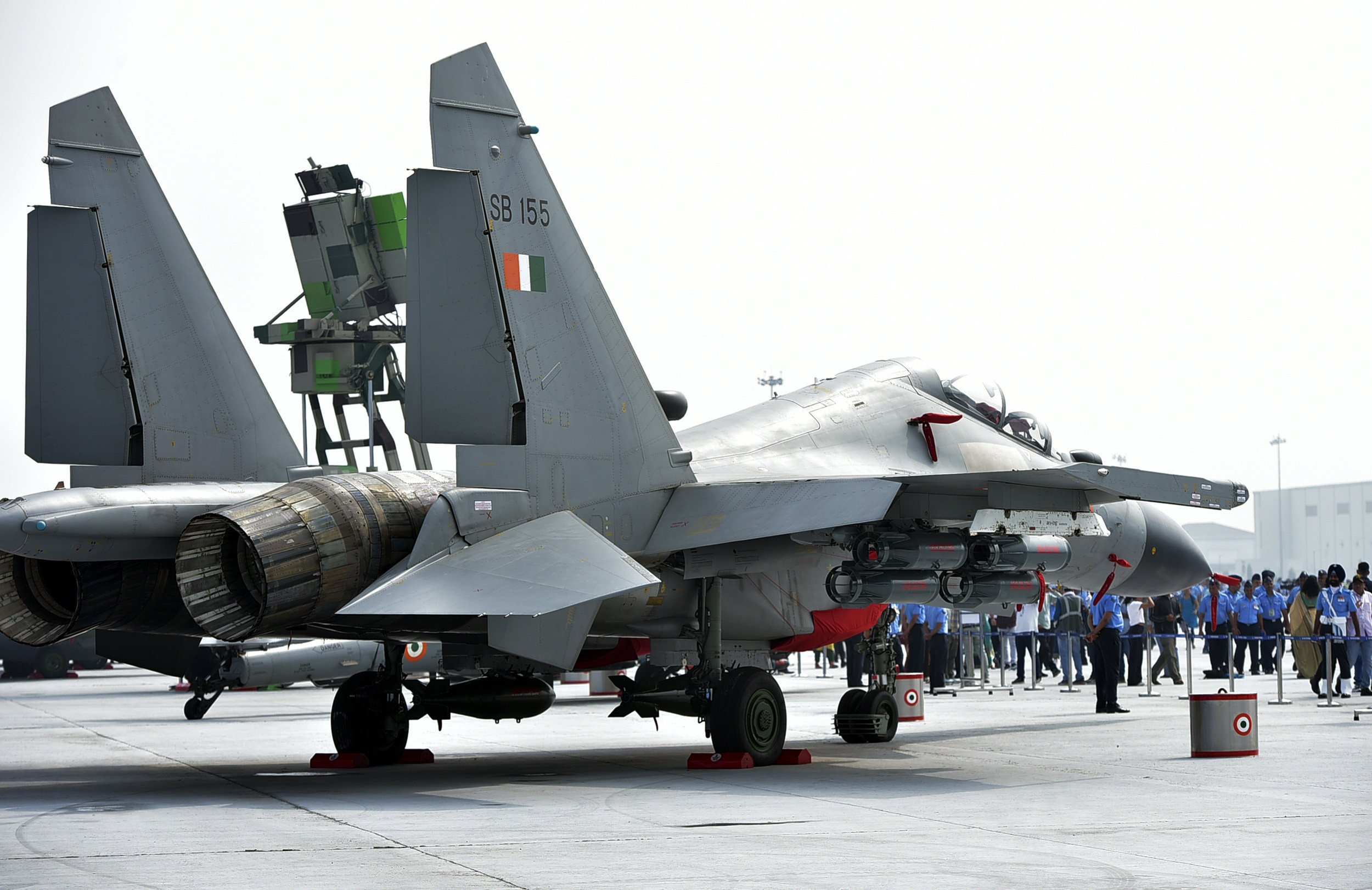
India will integrate the advanced European Meteor air-to-air missile onto its Su-30MKI fighter jets. While the modernization effort is being led domestically, Russia appears to be actively participating in the process, as reported by Defense Express on October 15.
According to Indian Defense News on October 15, European defense firm MBDA has confirmed that Meteor is technically compatible with indigenous AESA radar systems, enabling seamless integration.
The Meteors will operate alongside India’s domestically developed Astra missiles to create a balanced arsenal of foreign and homegrown weapons. Current Astra variants reach up to 110 km, with newer versions projected to extend that to 160 km.
This dual‑track strategy aims to reduce reliance on imports while leveraging advanced Western seeker and propulsion technologies to broaden engagement envelopes. The Meteor system depends on precise radar guidance and secure datalinks—capabilities now being delivered by India’s GaN‑based AESA radars, developed by DRDO.
These radars, already fielded on the Tejas MK‑1A and planned for MK‑2, support multi‑target detection and tracking, ensuring Meteor missiles can target threats effectively. Because the radar technology is indigenous, it helps bridge potential incompatibility between Western and Russian avionics systems, Indian Defense News reported.
As part of the "Super Sukhoi" upgrade plan, the IAF is fitting 84 Su‑30MKI aircraft with DRDO’s Virupaksha GaN AESA radar, which includes over 2,000 transmit/receive modules and can detect fighter-sized targets beyond 300 km.
The system is network‑aware, supports simultaneous target engagement, and integrates tightly with the aircraft’s mission computer to synchronize radar, missile avionics, and electronic warfare systems.
Pairing Meteor with Astra marks a significant advance in India’s aerial dominance doctrine. It expands engagement range, adds flexibility with mission‑tailored missile choice, and underpins self-reliance in advanced avionics and propulsion tech.
Together, these upgrades enhance deterrence, boost survivability in contested airspace, and provide precision across long‑range operations.
Given that the Su-30MKI was originally developed in Russia, it's highly likely that Russian experts will be involved in its upgrade process. In fact, reports suggest they not only helped create the modernization plan but may also be monitoring its execution, Defense Express noted.
This situation introduces a major security risk: Russian personnel could gain access to classified technical details of the European Meteor missile—or even the hardware itself. Such exposure could lead to the compromise of sensitive information about one of Europe’s most advanced air-to-air weapons.
According to Defense Express, while it’s possible that India may proceed with the integration independently or in coordination solely with European engineers, the aircraft’s Russian origin and potential technical hurdles make it doubtful that Russia can be fully excluded from the process.
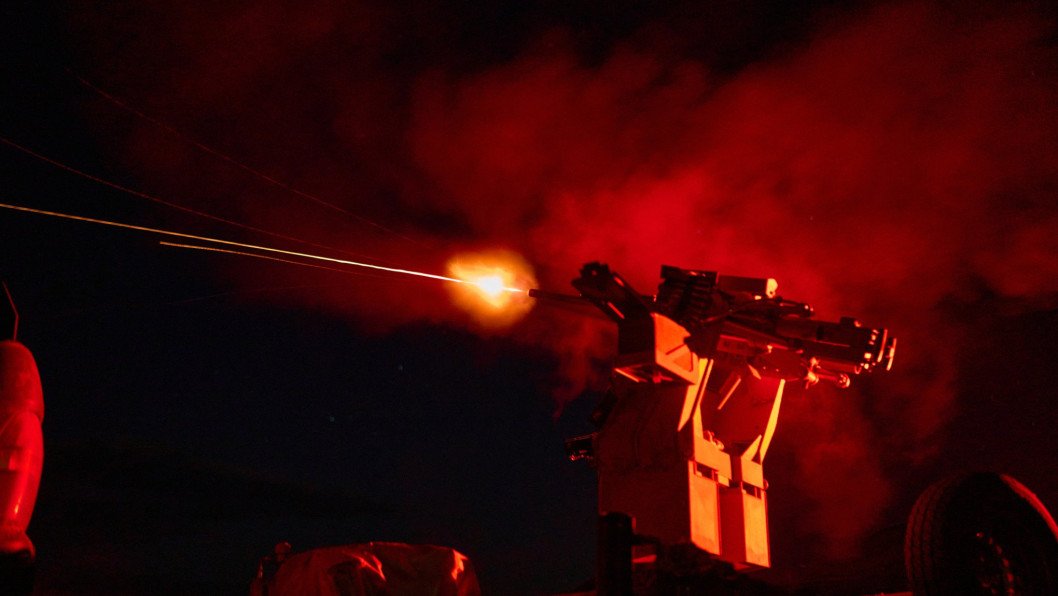
Earlier, Russia repurposed light civilian aircraft—specifically Cessna planes—into makeshift drone hunters by mounting them with machine guns in an attempt to shoot down Ukrainian UAVs.
Discuss this article:
-331a1b401e9a9c0419b8a2db83317979.png)


-c439b7bd9030ecf9d5a4287dc361ba31.jpg "Photo of Katherina Popilnichenko")