- Category
- Latest news
Is Russia About to Break the Global Nuclear Test Ban?
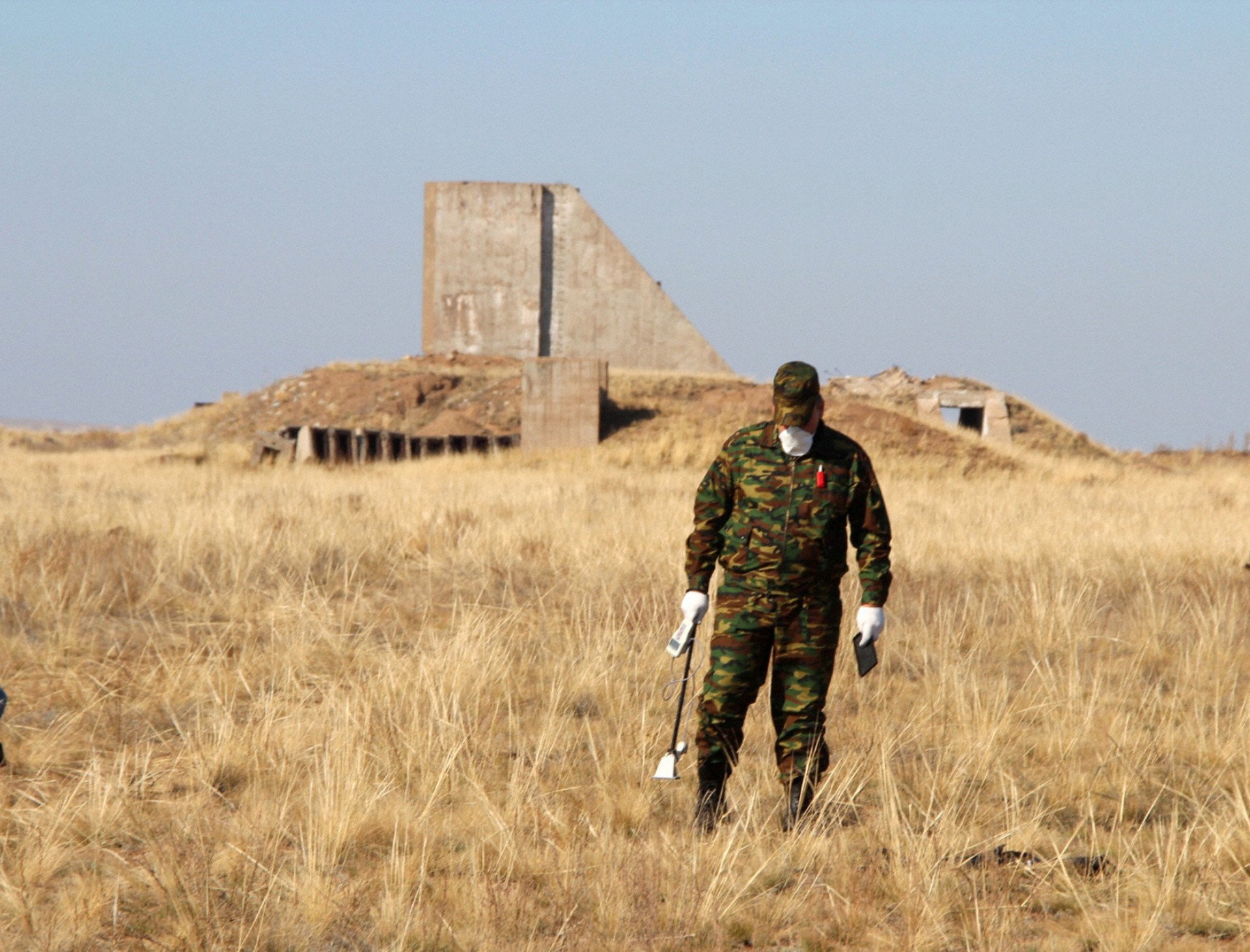
For the first time since the Cold War, Russia is moving toward the physical resumption of nuclear testing, raising questions over the future of global arms control treaties and the Kremlin’s strategic messaging.
 Prefer U24 Media on Google
- Authors


Russian leader Vladimir Putin has directed the government to begin formal preparations for potential “full-scale nuclear tests”—the first such move since Moscow withdrew its ratification of the Comprehensive Nuclear-Test-Ban Treaty (CTBT) in 2023, according to Defense Express on November 5.
The decision, which will require approval from Russia’s Security Council, signals an escalation in the Kremlin’s nuclear posture and its willingness to abandon long-standing global testing bans.
Defense Express reports that the Russian government has been instructed to “work through” possible nuclear test scenarios.
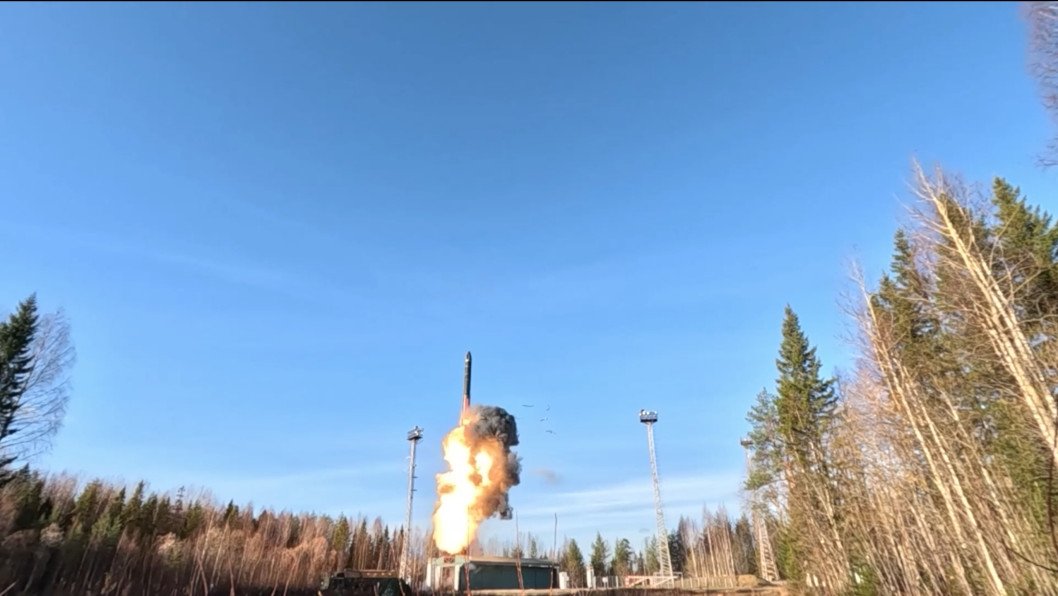
The final authorization is expected to come from the Security Council, providing collective responsibility for the move among top Russian officials.
While no official test date has been announced, the preparation reportedly began as early as 2023, following Russia’s legal withdrawal from CTBT obligations.
Where and how tests could occur
Russia’s test site is expected to be located on the Novaya Zemlya archipelago in the Arctic Ocean—the same testing ground used between 1955 and 1990 for 132 nuclear detonations, including the 58-megaton “Tsar Bomba,” the largest nuclear explosion in history. Only 42 of those tests were conducted underground, with the rest being atmospheric or underwater.
If the Kremlin proceeds, the type of test will likely depend on whether Moscow still considers itself bound by the 1963 Partial Test Ban Treaty, which prohibits nuclear explosions in the atmosphere, outer space, and underwater.
The treaty remains in force indefinitely, but any state may withdraw with three months’ notice.
Possible scenarios
Defense Express notes that a fully underground explosion would limit visual impact, offering little more than seismic data. An atmospheric detonation—the first since China’s 1980 test at Lop Nur—would produce a strong visual and political signal but risk radioactive fallout.
A submerged test, while visually dramatic, would also release limited radiation into the environment.
In most past nuclear tests, warheads were detonated independently from delivery systems. Whether Russia might test a missile-mounted nuclear charge remains uncertain and, as the outlet writes, “depends entirely on the psychological state of Putin.”
Russia’s potential return to nuclear testing would mark a significant break with three decades of restraint observed by major nuclear powers.
The United States last conducted a test in 1992. Analysts suggest that Moscow’s move aims to demonstrate strength amid geopolitical isolation, using nuclear signaling as one of its few remaining tools to influence international audiences.
Defense Express concludes that such preparations reaffirm the Kremlin’s reliance on nuclear threats as a primary form of communication with the outside world.
Earlier on October 3, the US Air Force conducted a scheduled test launch of an unarmed Minuteman III intercontinental ballistic missile from Vandenberg Space Force Base in California, sending it 7,000 kilometers to the Marshall Islands.
The Pentagon emphasized the test was routine and unrelated to global tensions. That same day, Russian officials discussed the possibility of resuming full-scale nuclear tests.
Discuss this article:
-9bd5e1532102621f8fb1c4ba871a3171.png)


-c439b7bd9030ecf9d5a4287dc361ba31.jpg "Photo of Katherina Popilnichenko")