- Category
- Latest news
Is the West Running Out of Missiles? The Multibillion-Dollar Cost of Iran’s Latest Barrage
Is the world’s most advanced air defense shield becoming its biggest financial liability? As Iran launches a historic wave of ballistic strikes across the Middle East, a new crisis is emerging—not from the impact of the missiles, but from the cost of stopping them.
 Prefer U24 Media on Google
- Authors


Iran has conducted one of the largest coordinated ballistic missile strikes in history, firing more than 771 missiles at targets across the Middle East, according to an investigation by Defense Express published on March 2.
We bring you stories from the ground. Your support keeps our team in the field.
The scale of the attack has sparked an urgent debate among Western defense analysts: Can the global industrial base keep up with a “war of attrition” where interceptors cost thirty times more than the targets they destroy?
The UAE Ministry of Defense has announced the successful interception of a second wave of ballistic missiles fired by Iran, with fragments falling on scattered areas of Abu Dhabi, including Saadiyat Island, Khalifa City, Bani Yas, Mohammed bin Zayed City, and Al Falah. pic.twitter.com/D8BjnJcnva
— OSINTdefender (@sentdefender) February 28, 2026
The numbers: 771 missiles, 8 countries, 1 goal
The strikes, which began in late February, targeted Iraq, Kuwait, Bahrain, Qatar, the UAE, Saudi Arabia, Jordan, and Israel. According to official data compiled by Defense Express:
The UAE tracked 165 ballistic missiles, intercepting 152;
Kuwait and Qatar reported a combined 162 interceptions;
Israel faced over 370 ballistic missiles, utilizing its Arrow and David’s Sling systems.
🇦🇪 NEW - Video of UAE air defences launching to intercept a missile attack in the vicinity of Al Shahama area of Abu Dhabi, UAE. pic.twitter.com/uKxp6ExVCz
— Alex Tiffin (@RespectIsVital) January 24, 2022
While the “99% interception rate” is often hailed as a success, the underlying logistics tell a more precarious story. Defense Express notes that for every incoming ballistic missile, defense doctrine typically requires launching two interceptors to ensure a hit.
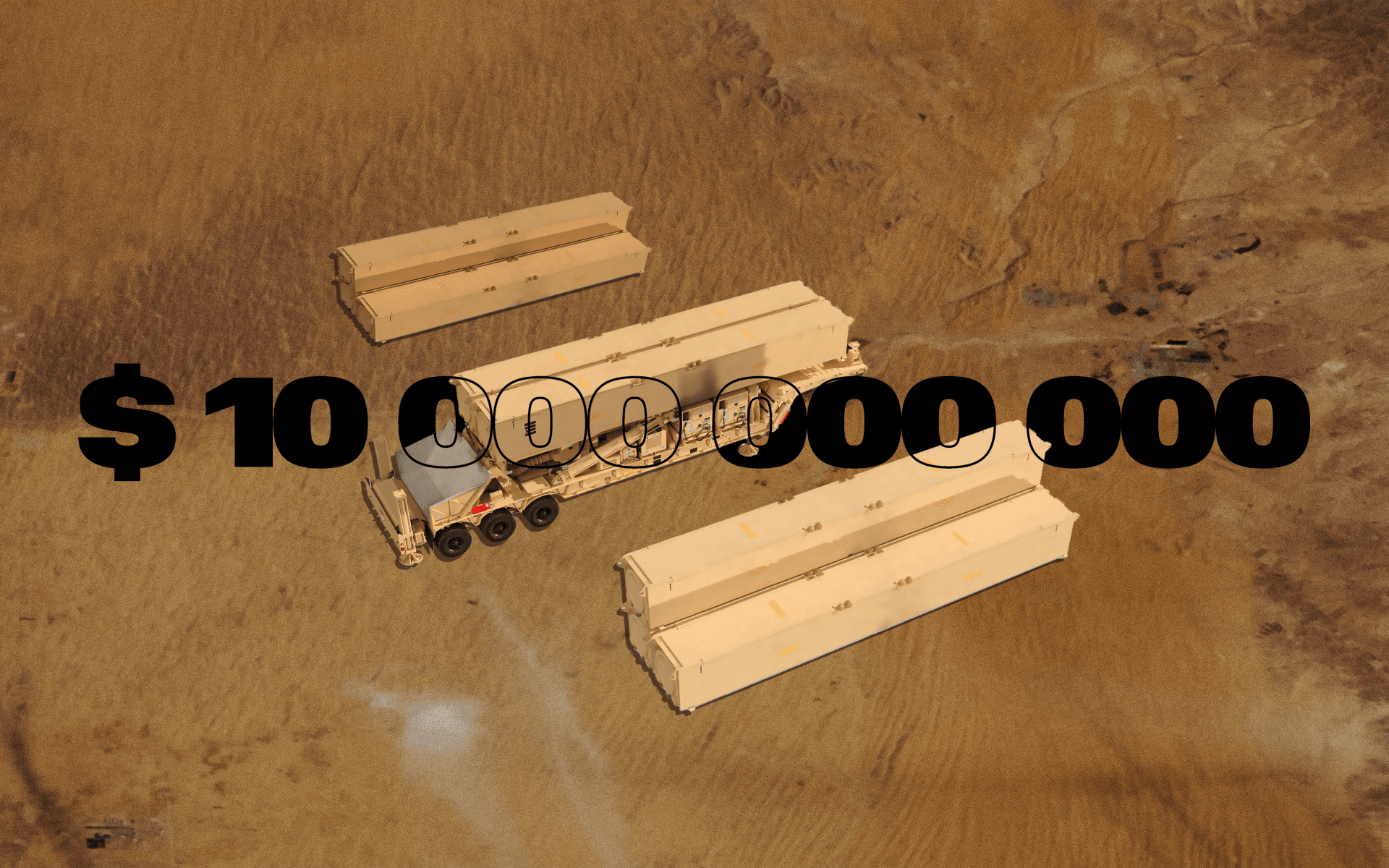
The $10 billion bill: who pays for the “Shield”?
The financial asymmetry is staggering. According to Norsk Luftvern, an Iranian Shahab-class missile costs roughly several hundred thousand dollars to produce. In contrast, the PAC-3 MSE interceptors used by Patriot systems cost:
$5.17 million per unit for the US Army;
Up to $12 million per unit for international allies like Saudi Arabia.
🇮🇱⚡️🇮🇷 Missle interception attempts in Israel. pic.twitter.com/6Z6BCqc3S9
— Commentary: Trump Truth Social Posts On X (@TrumpTruthOnX) February 28, 2026
Defense Express calculates that if 400 Iranian missiles were engaged by Patriot systems alone, the cost of defense would range between $4.1 billion and $9.6 billion.
“The economic asymmetry between attack and defense systematically favors the attacker,” states Norsk Luftvern. “A twelve-day war cost between $2 billion and $4 billion in interceptors alone… Iran’s offensive missile production costs a fraction of that.”
The “Time Gap”: 15 months to replace one week of combat
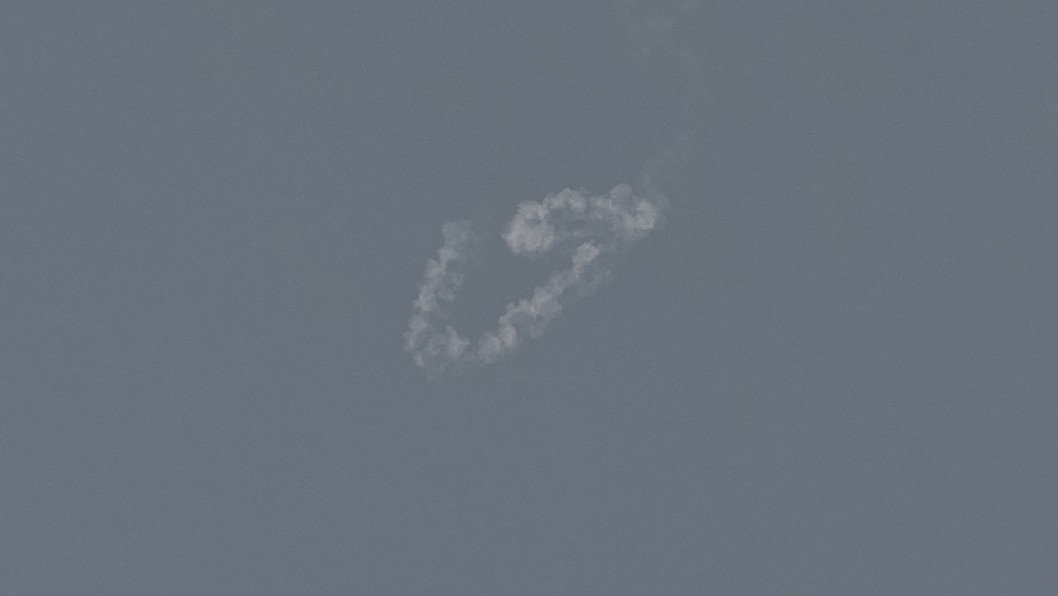
The most critical bottleneck isn’t money—it’s time. Defense Express reports that Lockheed Martin produced 620 PAC-3 MSE missiles in all of 2025.
WATCH: Patriot air defence system failed to intercept an Iranian missile over Al Udeid Air Base in Qatar. pic.twitter.com/fUV5pWmRor
— Clash Report (@clashreport) February 28, 2026
To replace the 800 missiles potentially expended in just a few days of this war, the manufacturer would need 15.5 months of non-stop production at current rates.
Although Lockheed Martin recently signed a Pentagon deal to triple production to 2,000 missiles per year, that target is not expected to be reached for several years.
The depletion of Middle Eastern stockpiles has direct implications for other global flashpoints. Ukraine has repeatedly called for the expansion of licensed Patriot missile production, arguing it is the “only option” to prevent air defense batteries from going empty.
As Defense Express warns, the world is entering an era where “magazine depth"—the literal number of missiles in the warehouse—is becoming more important than the technology itself.
Ukraine has already pioneered a solution to this economic asymmetry on its own battlefield. Facing a similar war of attrition against Russian-launched Iranian drones, Kyiv has shifted from total reliance on multimillion-dollar missiles to interceptor drones.
These low-cost, high-speed FPV and loitering munitions are designed to ram and destroy aerial targets at a fraction of the cost of a Patriot missile.
This transition from “missile-on-drone” to “drone-on-drone” combat is now seen as the primary answer to the global “magazine depth” crisis.
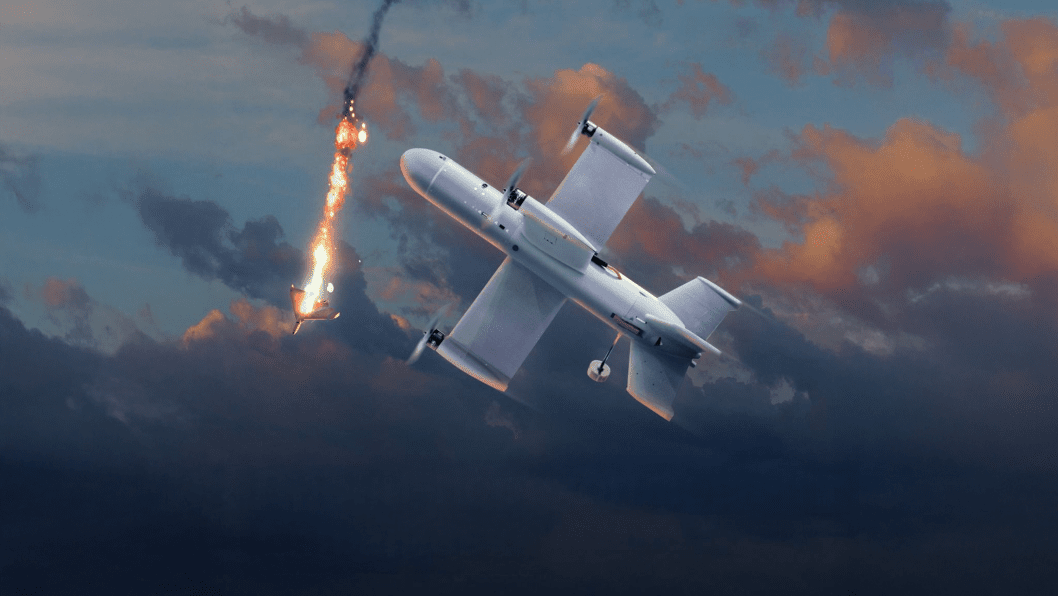
By scaling this technology, Ukraine has demonstrated how to neutralize mass aerial threats without draining strategic stockpiles—a model that Middle Eastern states are now desperate to replicate.
Earlier, UK Prime Minister Keir Starmer announced that Britain will involve Ukrainian military experts to help Gulf states strengthen defenses against Iranian drone attacks.
Drawing on Ukraine’s battlefield experience in countering UAVs during Russia’s war, the specialists will work alongside British teams to support regional partners, while London maintains it is not participating in offensive strikes against Iran.
Discuss this article:
-9a7b3a98ed5c506e0b77a6663f5727c5.png)

-72b63a4e0c8c475ad81fe3eed3f63729.jpeg "Photo of Cyril Barabaltchouk")

-111f0e5095e02c02446ffed57bfb0ab1.jpeg "Photo of Roman Kohanets")