- Category
- Latest news
Landmines Cover 139,000 km² of Ukraine—An Area Larger Than England
 Prefer U24 Media on Google
- Authors


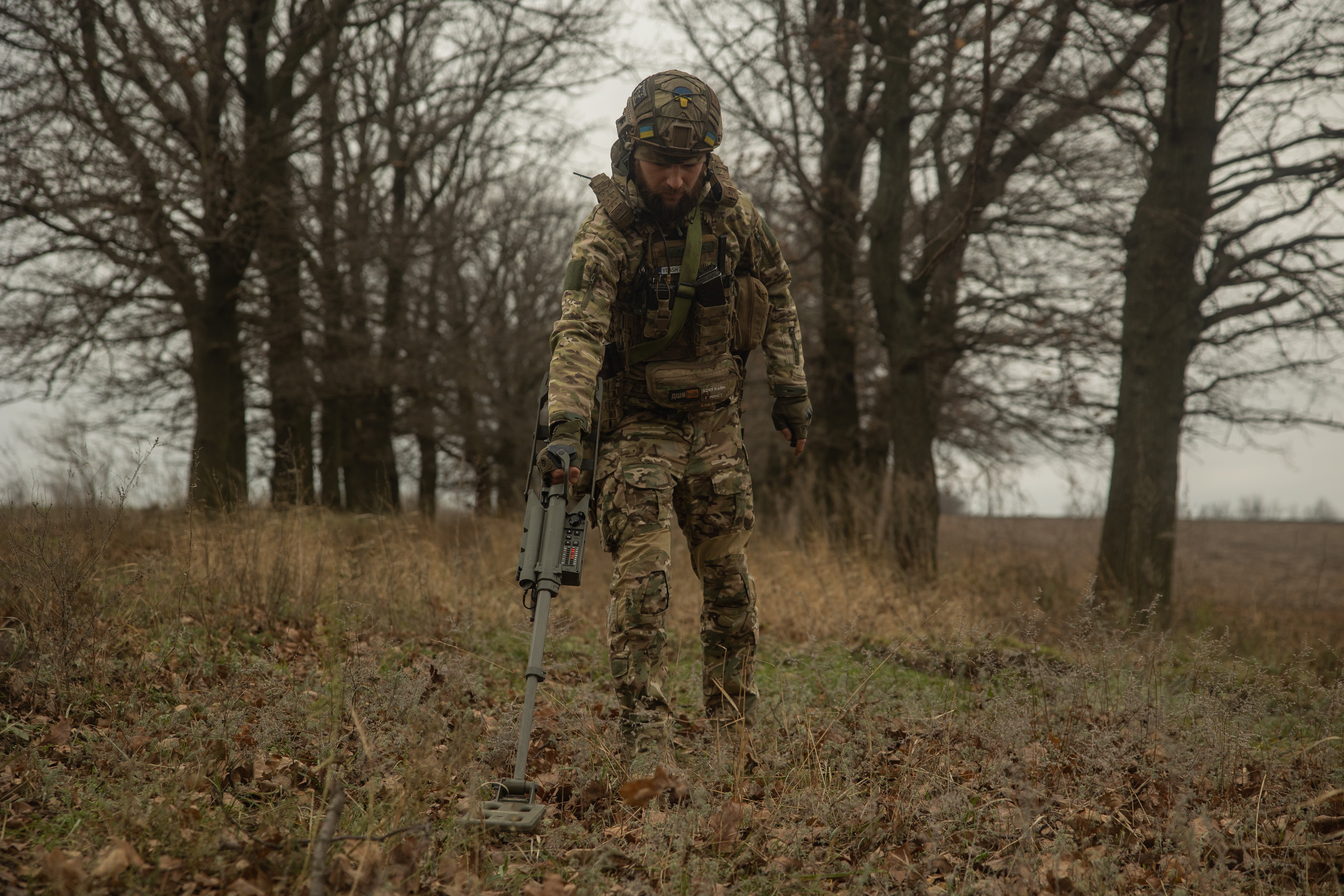
By June 2025, the territory of Ukraine contaminated with landmines and other explosive remnants of war (ERW) had reached 139,000 square kilometers—an area larger than England (130,000 km²), according to the Italian think tank Institute for International Political Studies (ISPI).
This represents almost a quarter of the country’s territory, making Ukraine the most mine-contaminated country in the world since World War II. More than 6 million Ukrainians live in or near these hazardous areas, with the agricultural heartlands of Kharkiv, Sumy, and Zaporizhzhia regions particularly affected.
Since Russia’s full-scale invasion, 359 civilians—including 18 children—have been killed by landmines or unexploded ordnance, while nearly 1,000 others have been injured, Ukraine’s State Emergency Service (SES) reported to The Guardian.
Broader humanitarian assessments indicate that the real toll is even higher: over 1,300 civilians have been killed or injured by mines and ERW since 2022.

Paul Heslop, head of the United Nations demining program in Ukraine, stressed that contamination covers “a level of complexity and scale that we have not seen before,” with over 1 million explosive devices scattered across liberated areas.
Russian troops continue to lay mines during retreats, while unexploded rockets, grenades, and artillery shells litter retaken territories, further compounding the crisis.
Farmland is among the hardest hit: only 24 million of Ukraine’s 42 million hectares remain safe, costing the economy over $11 billion in lost exports and productivity. Farmers sometimes risk clearing fields themselves, leading to further casualties.
According to ISPI, Ukraine has made significant progress, with 35,000 km² of land cleared, 107 certified demining operators, and 4,000 sappers supported by mechanical clearance machines.
Donors have pledged over $1 billion, while EU and international partners are connecting mine action to green recovery, soil restoration, and Ukraine’s EU accession efforts.
-b1fca3417299eb24d410193f353d4696.jpg)
Ukraine is utilizing AI, drones, and satellite imagery to expedite demining efforts, aiming to bring 80% of contaminated land back into economic use within 10 years. These innovations allow for faster, safer mapping and prioritization of high-value agricultural and infrastructure zones, reducing risks to human teams while accelerating economic recovery.
Report stresses that clearance must be tied to long-term land regeneration, from agriculture and biodiversity corridors to renewable energy and carbon sequestration, to ensure Ukraine rebuilds on safe and productive ground.
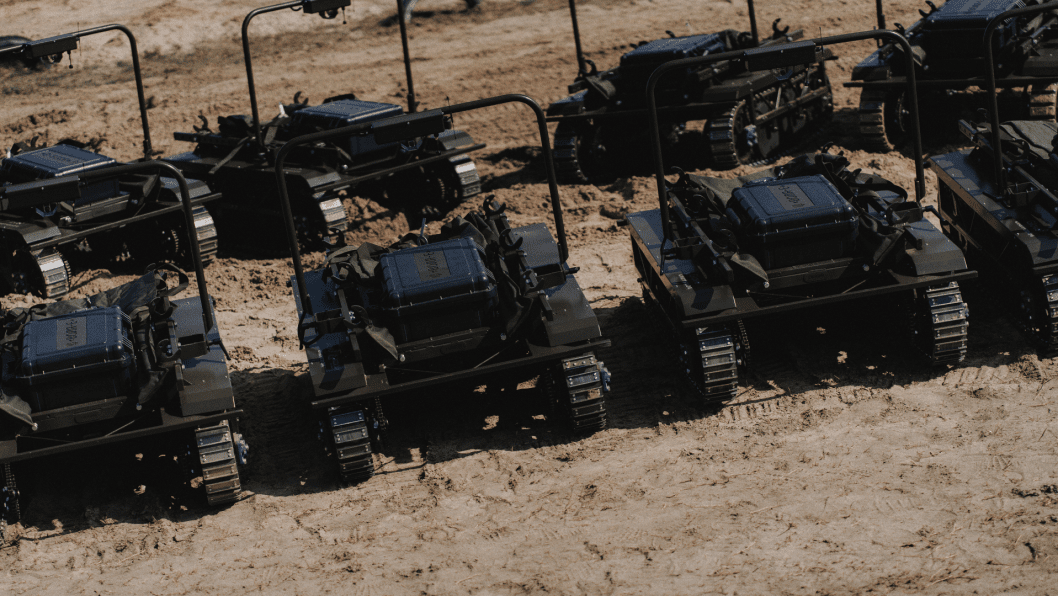
Previously, it was reported that UNITED24, the official fundraising platform launched by President Volodymyr Zelenskyy, together with the Ministry of Foreign Affairs of Ukraine, has initiated a new campaign to supply the military with ground-based robotic systems designed to operate in high-risk areas and save lives.
Discuss this article:


-c439b7bd9030ecf9d5a4287dc361ba31.jpg "Photo of Katherina Popilnichenko")