- Category
- Latest news
Missiles, Machine Guns, and Panic: Russia Builds Typhoon-PVO to Guard What’s Left
 Prefer U24 Media on Google
- Authors


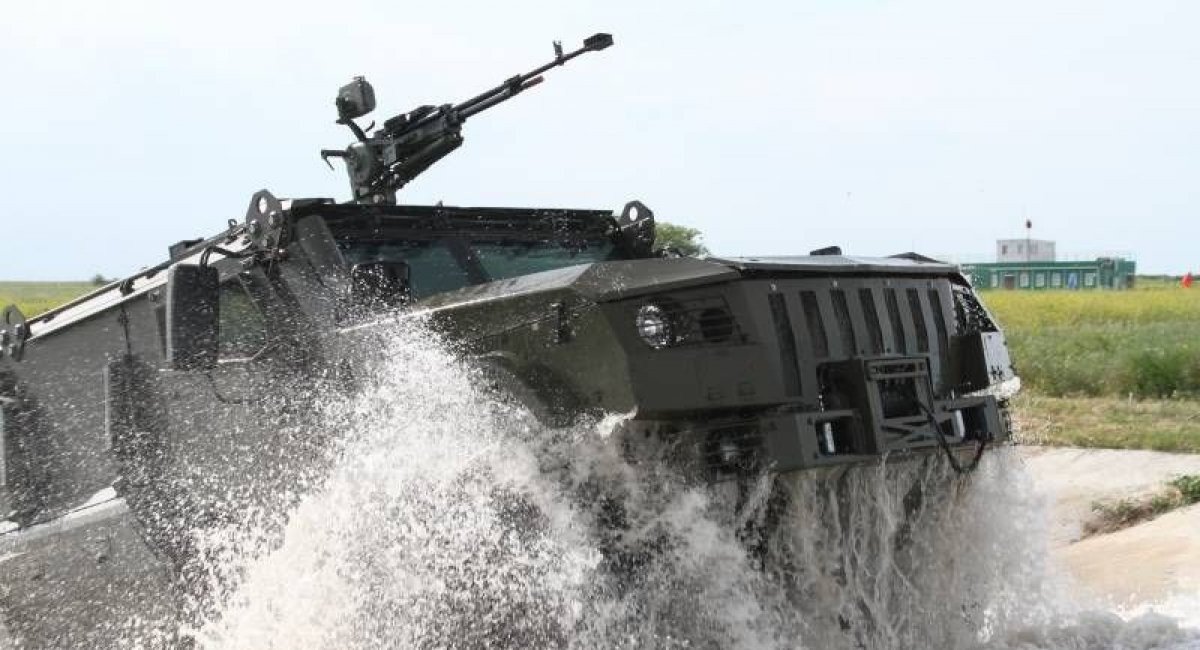
Russia has officially launched serial production of the Typhoon-PVO air defense vehicle following the completion of state trials.
The vehicle, developed by the Izhevsk Electromechanical Plant “Kupol” under the Almaz-Antey Air and Space Defense Concern, is intended to enhance battlefield mobility and protection for man-portable air defense system (MANPADS) teams.
According to Army Recognition on August 5, the Typhoon-PVO is equipped with nine shoulder-fired missiles, including Igla, Igla-S, and Verba, allowing it to engage helicopters, cruise missiles, and unmanned aerial vehicles (UAVs).
The system has entered full-scale production following qualification trials and is now being integrated into the Russian Ground Forces. Kupol self-financed the development, and the platform has previously been tested and showcased at military exhibitions and international competitions.
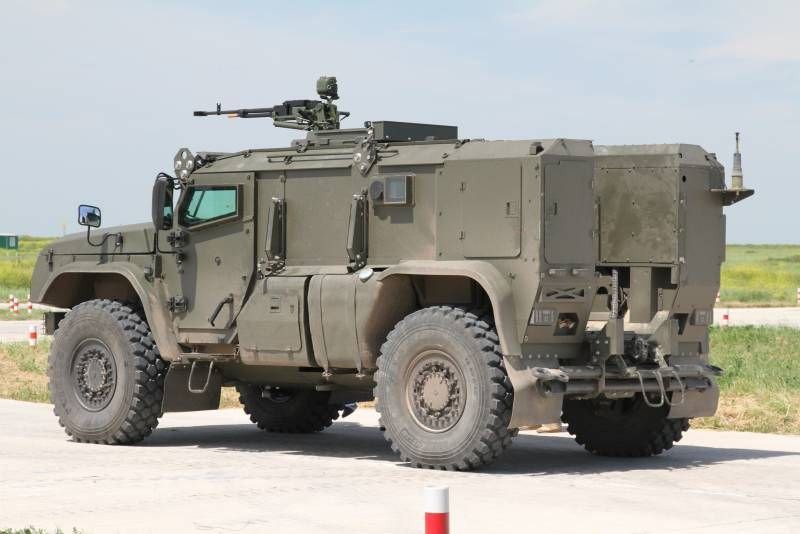
The Typhoon-PVO is built on the KamAZ-4386 4×4 armored chassis from the Typhoon-VDV family, optimized for logistical compatibility and cost-efficiency. Designed specifically for MANPADS units, it replaces earlier solutions based on unarmored or non-specialized platforms.
The vehicle carries a five-person crew and includes storage for nine missiles, radar interrogators, power units, and ammunition for its 12.7 mm Kord heavy machine gun. The Kord turret, which can be used while the vehicle is moving, was specifically developed for counter-UAV operations and low-flying targets.
The Verba missile system onboard has replaced earlier Igla-series weapons across many Russian units since 2014. The Verba’s 9M336 missile features a three-spectral seeker—ultraviolet, shortwave, and medium infrared—providing improved target acquisition and resistance to countermeasures.
It is compatible with the Barnaul-T command system and can receive external target data. According to developers, its seeker sensitivity is significantly enhanced compared to previous models.
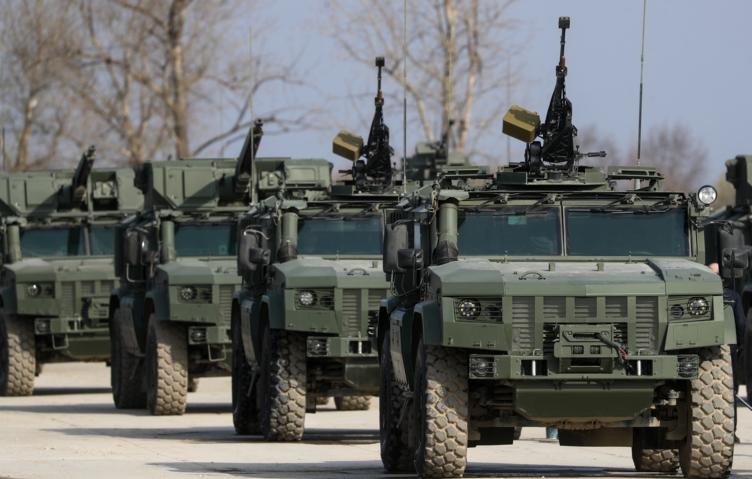
The Typhoon-PVO features STANAG 4569 Level 4 ballistic protection and Level 3b mine resistance, ensuring survivability against 14.5 mm armor-piercing rounds and 8 kg TNT explosions.
The sealed and overpressurized cabin provides nuclear, biological, and chemical (NBC) protection using an FVU-100 filtration unit. Additional features include 360-degree situational awareness via external cameras, emergency roof hatches, and a turret-mounted weapon station operable from inside.
Powered by a 350 hp KamAZ-650 diesel engine, the vehicle reaches speeds up to 100 km/h and has an operational range exceeding 1,200 kilometers. It can traverse gradients up to 30 degrees and ford water obstacles up to 1.75 meters.
Measuring approximately 6.9 meters in length and weighing about 14 tons, the Typhoon-PVO is not designed for airdrop deployment, unlike earlier Typhoon-VDV variants. A spring-based suspension version is also available for non-airborne forces.
The mass production of the Typhoon-PVO comes amid growing pressure on Russian air defense systems, which have been repeatedly targeted by Ukrainian drone operations. In recent months, Ukraine has intensified the use of long-range UAVs and precision-guided systems to strike deep into Russian territory, targeting radar stations, air defense positions, oil depots, and military airfields.
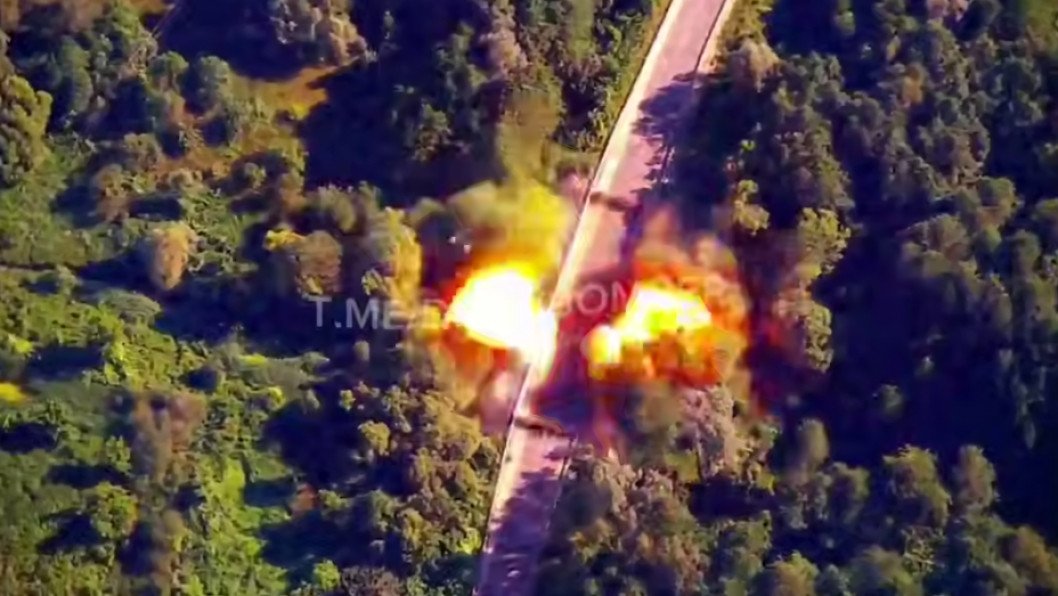
According to multiple open-source assessments, Ukrainian drones have successfully hit strategic facilities in regions such as Belgorod, Kursk, and even as far as Tatarstan.
These strikes have exposed vulnerabilities in Russia’s layered air defense network, particularly in detecting and intercepting small, low-flying, or swarming UAVs.
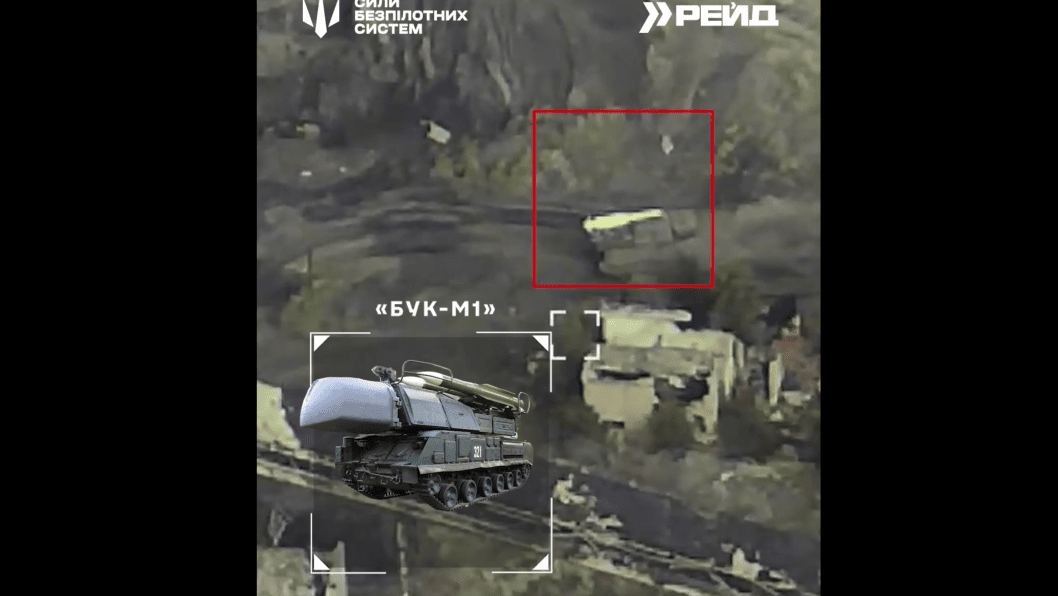
Ukraine’s expanding drone capabilities have forced the Russian military to adapt rapidly, deploying mobile air defense units to protect critical infrastructure far from the frontlines. The Typhoon-PVO appears to be part of this effort, offering a flexible platform for short-range interception and acting as a mobile shield for key logistical and industrial sites.
Earlier, Russia began constructing hardened aircraft shelters at airfields near the Ukrainian border, including Millerovo and Kursk East, after a wave of Ukrainian drone strikes damaged multiple warplanes. The UK Ministry of Defense reported that these domed, earth-covered structures are intended to shield aircraft from future aerial attacks.
Discuss this article:



-111f0e5095e02c02446ffed57bfb0ab1.jpeg "Photo of Roman Kohanets")


-72b63a4e0c8c475ad81fe3eed3f63729.jpeg "Photo of Cyril Barabaltchouk")