- Category
- Latest news
Pay or Die—How Corruption Is Reshaping Russia’s War Effort in Ukraine
 Prefer U24 Media on Google
- Authors


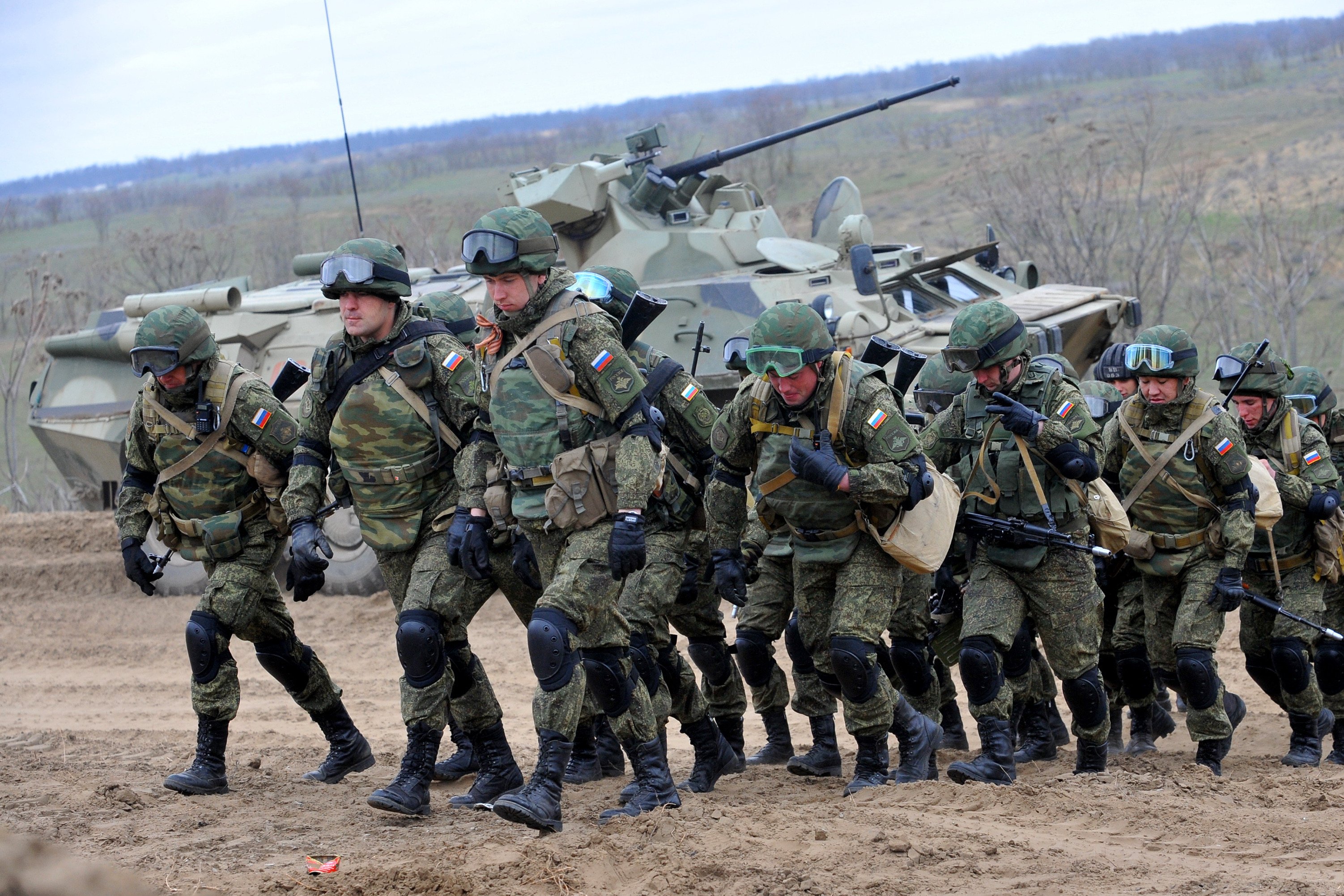
Widespread corruption, extortion, and abuse within Russian military units fighting in Ukraine were reported based on interviews with multiple contract soldiers and deserters, according to a new investigation by The Economist, published on April 1.
According to the report, some Russian commanders are using frontline units not only for combat operations but also as a source of personal enrichment.
We bring you stories from the ground. Your support keeps our team in the field.
Soldiers described a system in which they are routinely forced to pay for equipment, supplies, and even their own survival.
One deserter, identified as Maxim, said he helped construct an underground living space for a commander near Baihavka in the occupied Luhansk region.
The facility included basic comforts such as flooring, a kitchen, and a shower. He said the commander paid nothing for the project, with soldiers providing both labor and funding.
Russian soldiers nailing personal phones of military personnel.
— Clash Report (@clashreport) August 6, 2024
Soldiers caught using personal smartphones and other internet-capable devices face penalties of up to 15 days of detention. pic.twitter.com/KDfrKtgthN
Maxim also said troops were expected to cover additional unofficial expenses, including alcohol for officers. “They have four ‘corporate parties’ a week,” another soldier, Sergei, said. He added that he paid a commander more than half his salary to secure a rear position as a cook, where he worked long hours.
Interviews conducted across several regions, including Belgorod, Luhansk, and Donetsk, point to a broader system in which money determines access to safer roles, equipment, and even basic protections. Soldiers described the front as a marketplace where items such as drones, leave permits, and military awards all have a price.
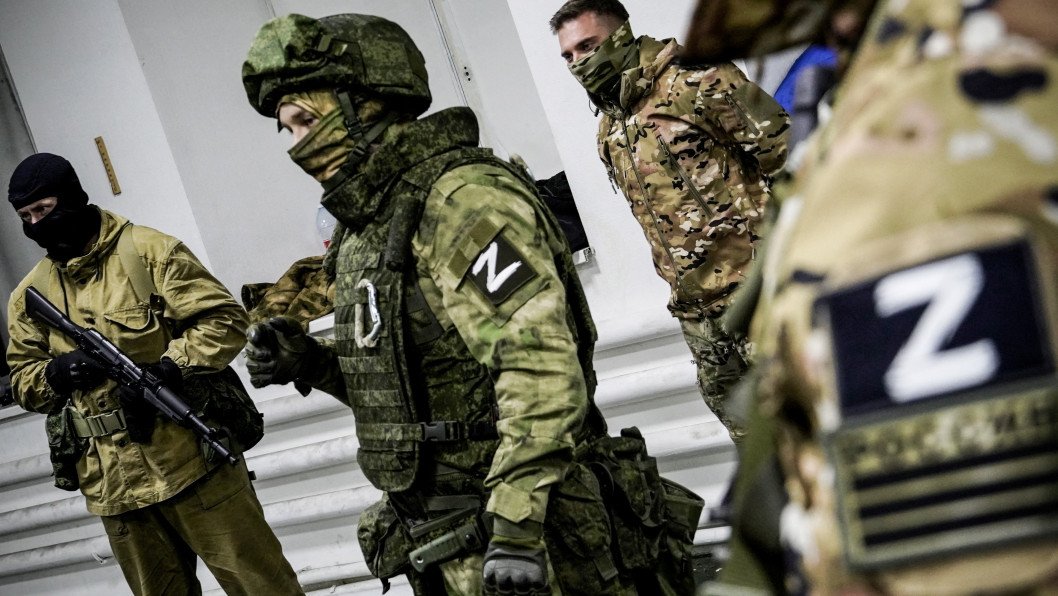
Maxim said he signed a contract in August 2024, motivated by a mix of personal circumstances and state messaging. He later discovered the agreement had no clear end date. After receiving a signing bonus of 2.5 million rubles (about $30,000), he was sent to the front without training.
He said that out of roughly 8 million rubles he received during his service, about 6 million went toward equipment purchases and payments to commanders.
While elite units are reportedly supplied with gear, many infantry soldiers must purchase their own equipment. Online retailers have become a key source of supplies in occupied areas. “If you don’t want to spend money on a good pair of boots and a decent body armor vest, you go into assault wearing trainers,” Maxim said.
Russian servicemen are stripped naked and put into pits for refusing to go into meat assault without proper equipment. To get out, they need to pay up 400k rubles. These particular men spent 4 nights in the pit completely naked.
— WarTranslated (@wartranslated) November 18, 2023
This was revealed by the wife of one of the… pic.twitter.com/t8aeqedZv5
Another soldier, Anton, said that initial requests for money are often framed as contributions for shared needs such as drones or food. However, he added that once a soldier pays, the demands continue. “You’ll pay forever so they don’t send you to the meat grinder,” he said.
The report describes a system in which survival can depend on payments. Maxim said new recruits were told bluntly that most assault troops do not survive. He added that he and another soldier each paid around 1 million rubles to be reassigned away from frontline assaults, followed by regular monthly payments.
Other accounts describe more severe abuses. Some commanders reportedly confiscate soldiers’ bank cards and PIN codes before sending them into combat. In cases where soldiers are killed, they may be listed as missing, allowing commanders to withdraw funds from their accounts.
"We mainly keep chickens here, but we got ourselves a Hamburg rooster."
— WarTranslated (@wartranslated) November 26, 2024
A soldier seconded from the 114th Separate Motorized Rifle Brigade of the Russian Armed Forces was sent to serve his punishment in a chicken coop by his new comrades.https://t.co/tTJpmbzLJE pic.twitter.com/aDZsN5X7Hs
There are also reports of a black market for medical exemptions, with soldiers paying to be declared unfit for service or to secure leave after being wounded. “I paid 100,000 for leave after a wound,” Anton said. “To get discharged they ask for a million.”
Soldiers who refuse to comply with payment demands risk punishment, including detention, beatings, or execution. One case cited in the report describes a soldier who was allegedly killed after refusing to hand over compensation payments.
Earlier, reports emerged that the Kremlin may resort to limited compulsory reserve call-ups as Russia’s army struggles to replenish battlefield losses in Ukraine.
Russia launched a recruitment campaign for its drone units in January 2026, including outreach to students, but the contracts on offer have alarmed potential recruits because they do not reliably shield them from being reassigned to assault infantry roles.
Discuss this article:
-4a56a6b482ec132402c16ef6fcabf9a2.png)


-80134f2dc17b4a887d01513a1c7bc929.png "Illustration of Russian military infrastructure targeted by Ukrainian strikes in temporarily occupied eastern Ukraine. (Source: General Staff of the Armed Forces of Ukraine)")