- Category
- Latest news
Putin Uses CSTO Platform to Tout Unverified Military “Successes” and Comment on US Peace Framework
 Prefer U24 Media on Google
- Authors

-111f0e5095e02c02446ffed57bfb0ab1.jpeg "Photo of Roman Kohanets")
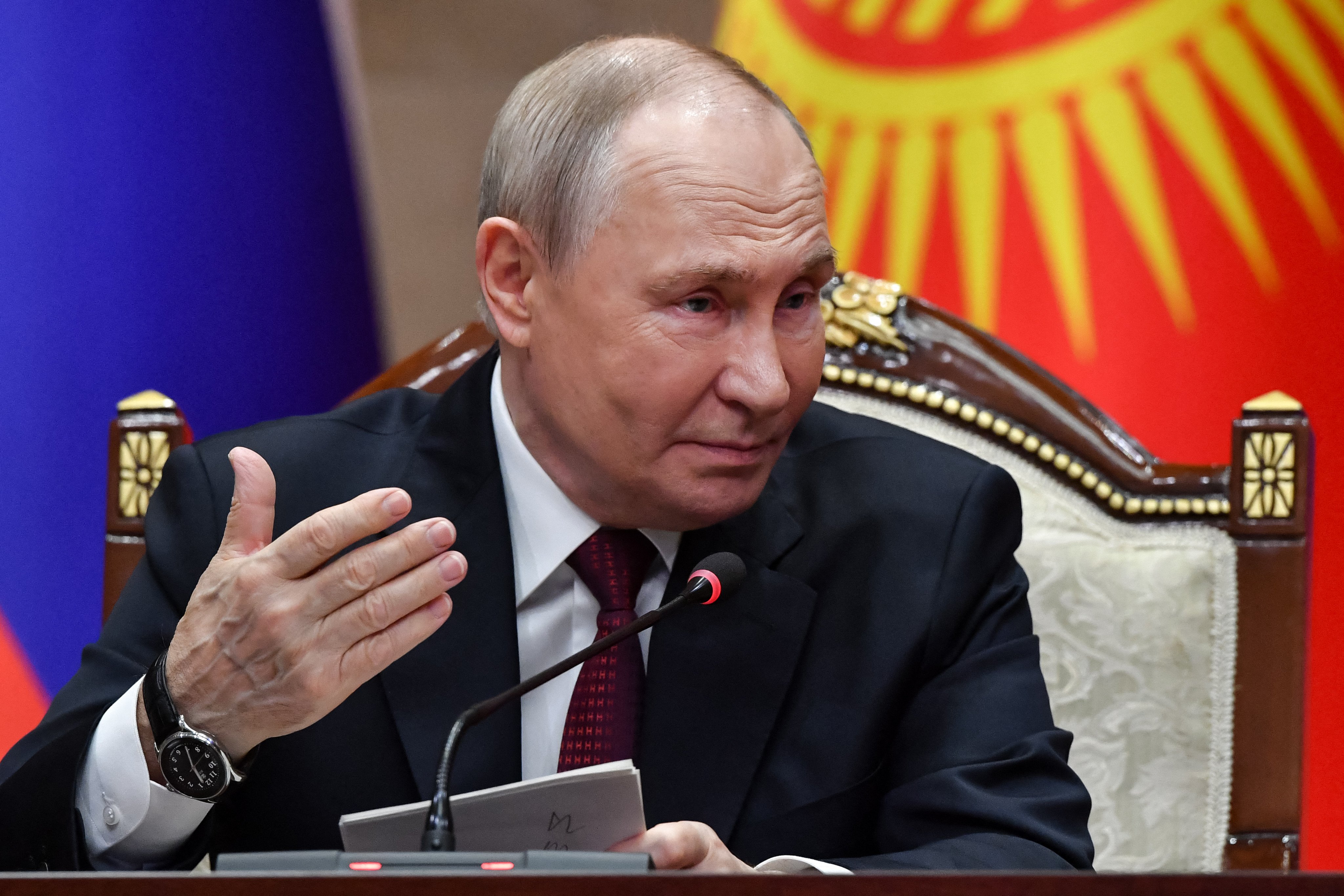
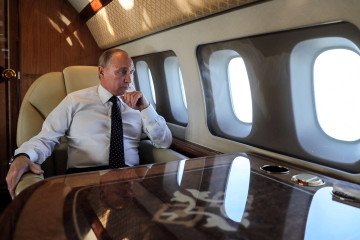
The Russian leader Vladimir Putin used a news conference in Bishkek after a summit of the Moscow-led Collective Security Treaty Organization (CSTO) to claim major battlefield gains in eastern and southern Ukraine, dismiss the legitimacy of Kyiv’s leadership and signal guarded openness to a US peace blueprint, according to Russian and international media reports on November 27.
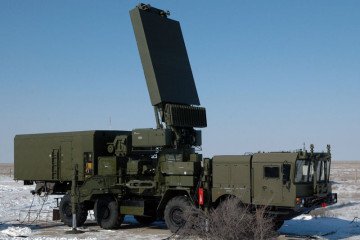
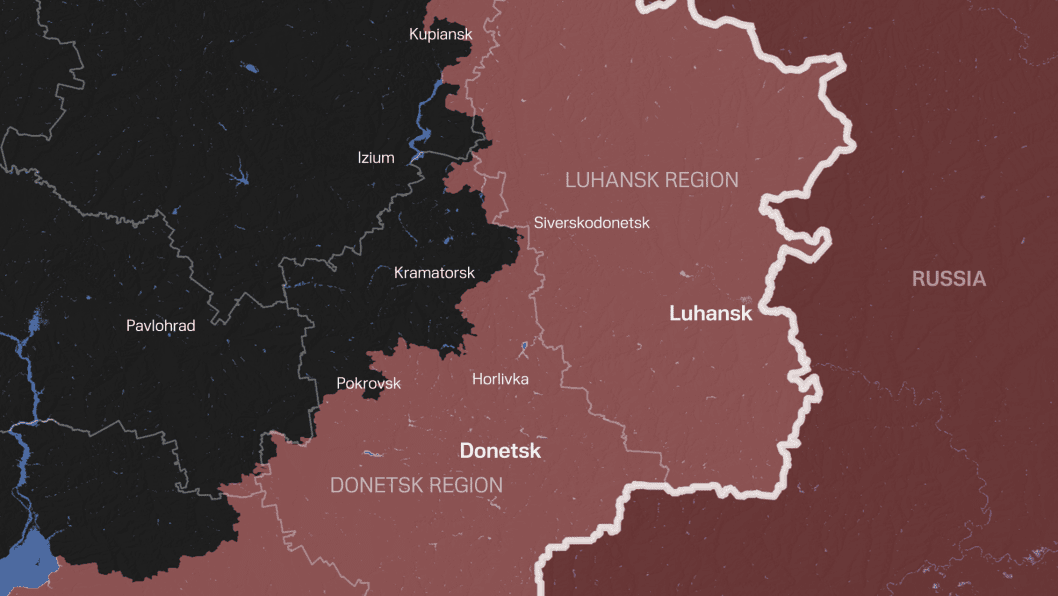
He said Russian forces had fully encircled Krasnoarmiysk and Dimitrov in the Donetsk region and taken control of Volchansk in the Kharkiv region, while advancing toward Komsmolsk and, further west, Kupyansk, Sloviansk and Siversk, and pushing rapidly in the north of the Zaporizhzhia region toward the town of Huliaipole.
We bring you stories from the ground. Your support keeps our team in the field.
State television channels and Russian news outlets quoted him as saying that the “Vostok” grouping was making fast progress in the Zaporizhzhia sector. Ukrainian officials did not immediately confirm any such developments.
On broader war aims, he reiterated that hostilities would continue unless Ukrainian troops withdraw from territories Russia claims, arguing that Kyiv’s leadership had made what he called a strategic error by declining to hold presidential elections under wartime conditions.
Russian media quoted him as saying that signing any documents with the current Ukrainian authorities was meaningless because, in Moscow’s view, they had lost legitimacy by “fearing” a vote, while stressing that Russia itself remained in a state of armed war but had still gone ahead with national elections earlier this year.
Referring to talks between the US and Ukrainian delegations in Geneva, he stated there was no fully drafted treaty text. “There was no draft peace agreement on Ukraine—only a set of issues for discussion,” he said, adding that the package had since been divided into four sections.
“The Russian President noted that Moscow agrees that the list of US provisions on Ukraine could form the basis of future agreements,” the Azerbaijani news agency APA reported, quoting him as saying that the plan must be translated into “diplomatic language,” because some points currently “sound ridiculous.” He underlined that there were no “final versions” of a deal and that each point would require detailed negotiation.
He confirmed that a US delegation is expected in Moscow in the first half of next week as part of the emerging negotiating track, following earlier meetings in Geneva and Abu Dhabi, and stated that the composition of the American team would be decided by President Trump.
Russian reports said the visitors are expected to include White House special envoy Steve Witkoff, whose trip for talks with the Kremlin was confirmed separately by US and Russian officials this week.
The Russian side at any substantive negotiations on Ukraine will be led by the Foreign Ministry along with presidential aides Vladimir Medinsky and Yuri Ushakov, he said, noting that those officials had already been involved in previous rounds of talks.
He also added that Russian and Ukrainian security services had maintained working contacts “even in the most difficult times,” portraying those channels as a practical way to manage specific issues despite the ongoing war.
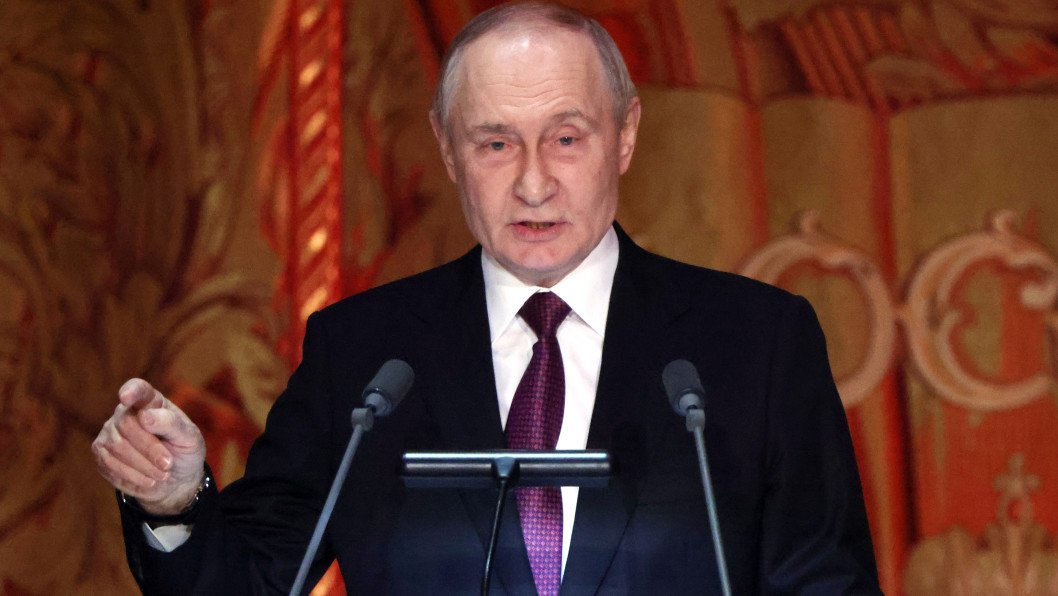
Addressing Russia’s relationship with Western powers, the Russian leader stated that his country had never sought membership in the Group of Seven or its expanded G8 format, but had been invited in by existing participants in the 1990s.
“As for G7 or G8, we did not ask to go there. We were invited there once, and we worked there,” he told reporters, adding that Moscow has not received any official invitation to rejoin and that any future contacts would depend on how the US plans on Ukraine evolves.
-17753cdeceefed101825738abba6e0d4.jpg)
He again warned European governments over proposals to use frozen Russian state assets to fund Ukraine, saying any outright seizure would damage confidence in the euro and Europe’s financial system.
Confiscation of frozen Russian assets in Europe “would be theft” of another state’s property and would inevitably have consequences, he said as the European Union continues to debate a “reparations loan” structure based on earnings from immobilized Russian reserves.
Earlier, it was reported that Kremlin aide Yuri Ushakov said a 28-point US peace plan for Ukraine contained many provisions Moscow viewed as acceptable and a basis for discussion, while a European counterproposal was completely unacceptable to Russia.
Discuss this article:
-4a56a6b482ec132402c16ef6fcabf9a2.png)