Category
Latest news

Russia Digs Up Cold War-Era S-300 Air Defenses Amid Heavy Losses, Satellite Images Show

3 min read
Authors
Photo of Ivan Khomenko
News Writer
Russia Digs Up Cold War-Era S-300 Air Defenses Amid Heavy Losses, Satellite Images Show
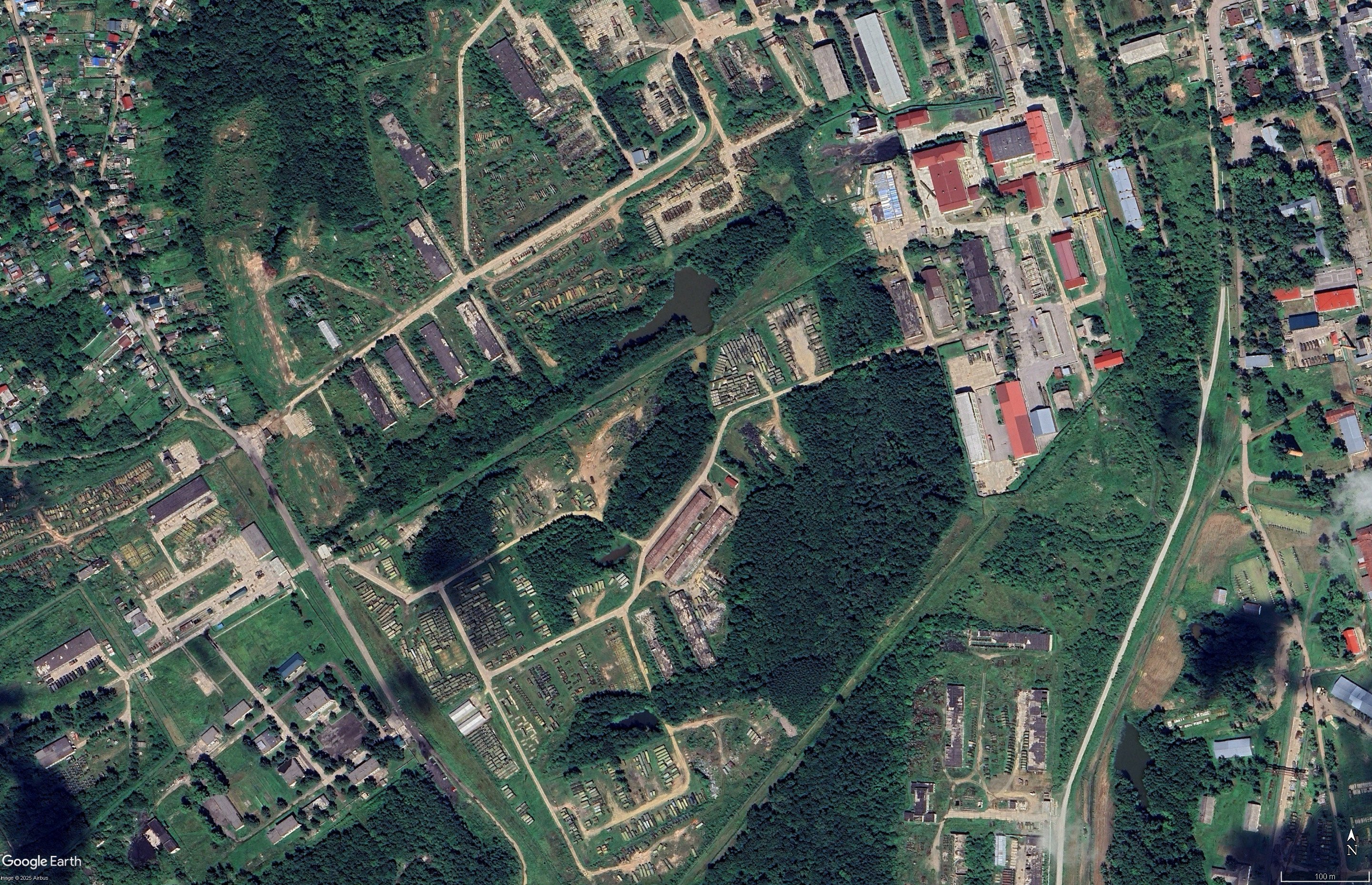
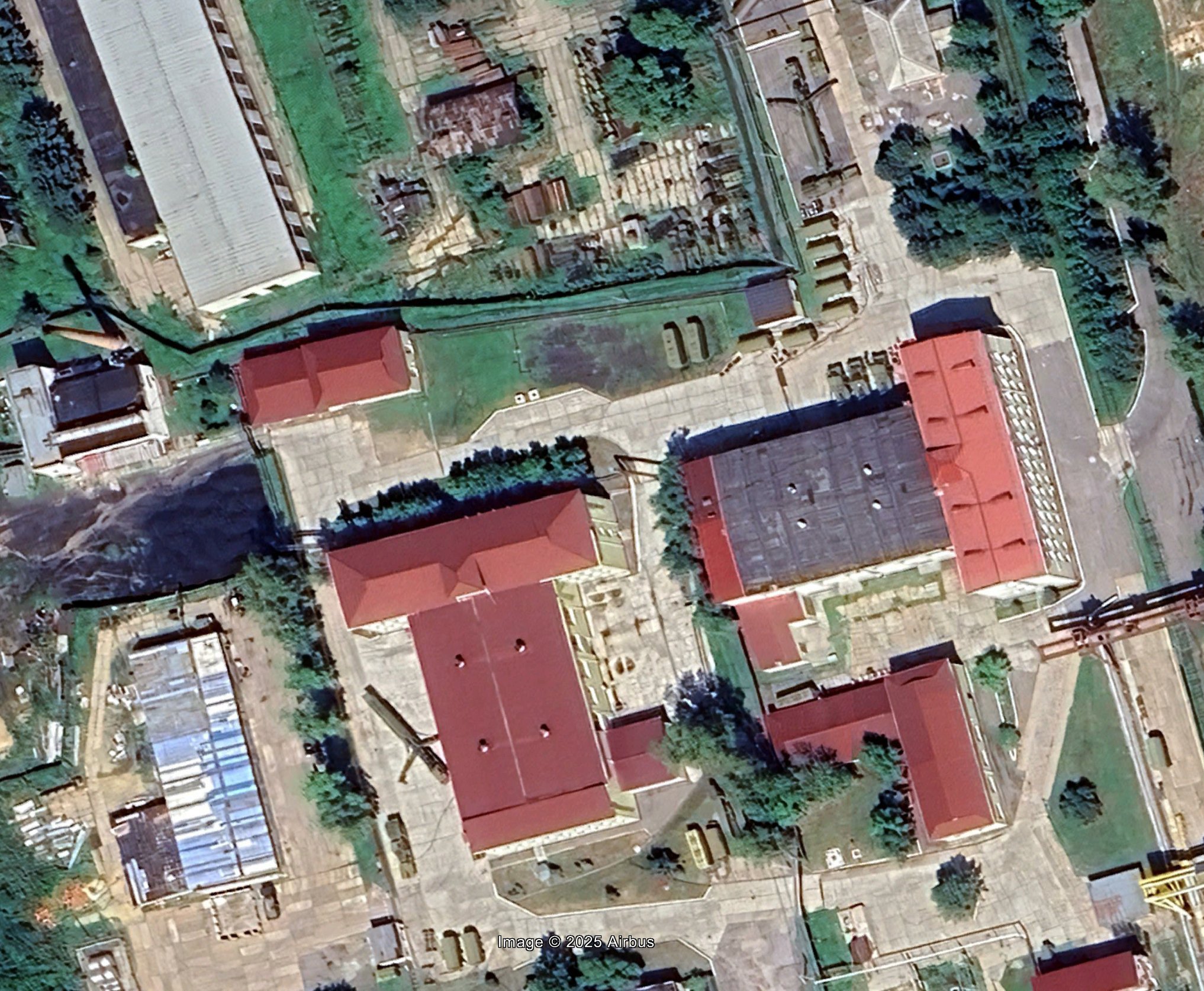
Satellite view of the Khabarovsk Radio Engineering Plant, where several S-300PS air defense components have recently been removed from storage. (Source: Google Earth / Athene Noctua)

New satellite images from the Khabarovsk Radio Engineering Plant indicate large-scale movement of air defense equipment in recent months.

According to open-source intelligence analyst Athene Noctua, the activity is primarily linked to the Soviet-era S-300PS systems, which have long been out of production.
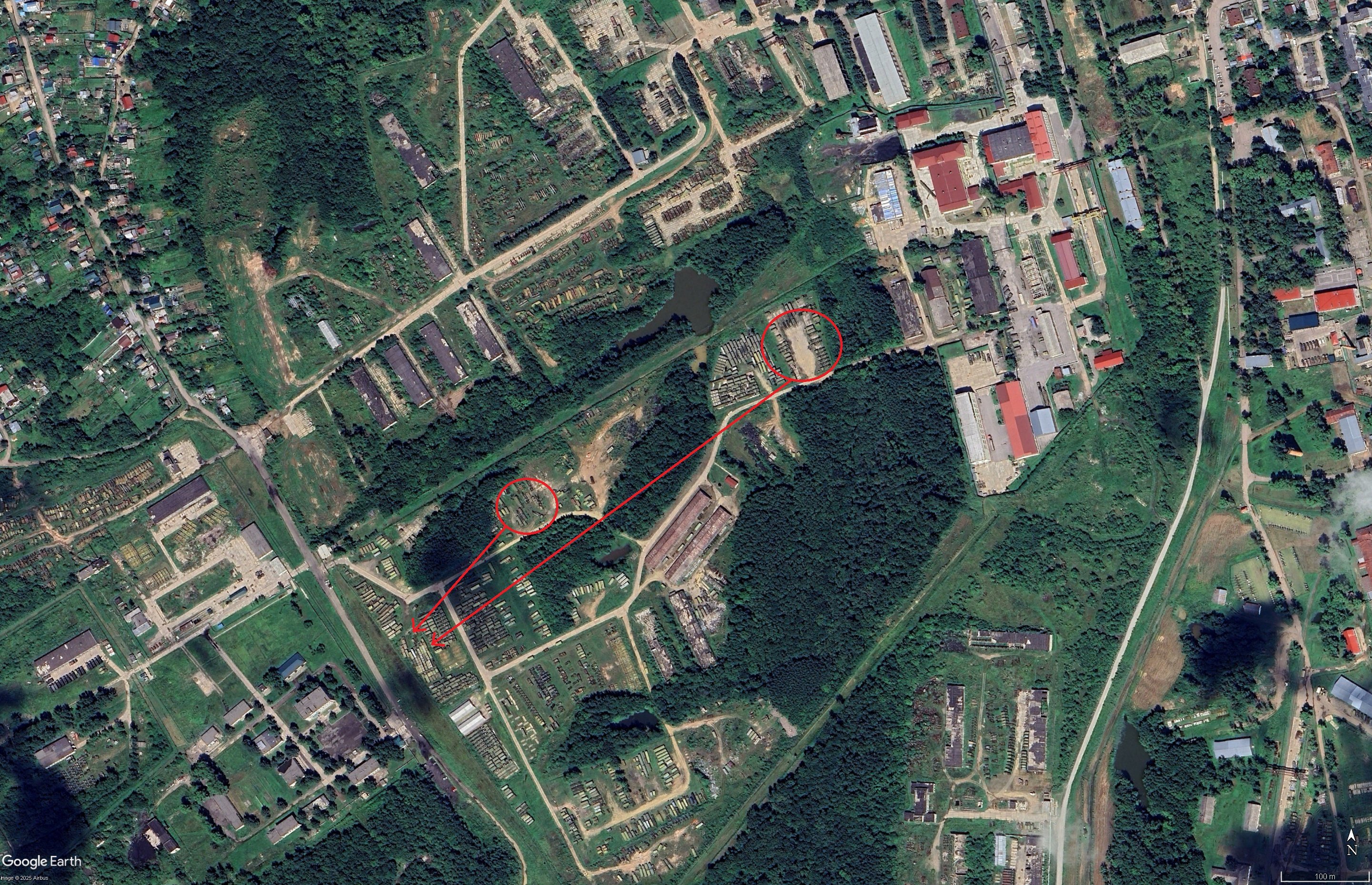
Annotated satellite imagery of the Khabarovsk Radio Engineering Plant shows that 30N6 radars were not removed but relocated within the facility, with the total number remaining at 13. (Source: Google Earth / Athene Noctua)

The photos, taken two years apart, show that numerous components of the S-300 system have been removed from the plant’s territory.

The imagery records the relocation of six 40V6MD mobile towers, three 30N6 radars, two 5N66 radars, 13 launchers, four mobile workshops, and 14 power generators.
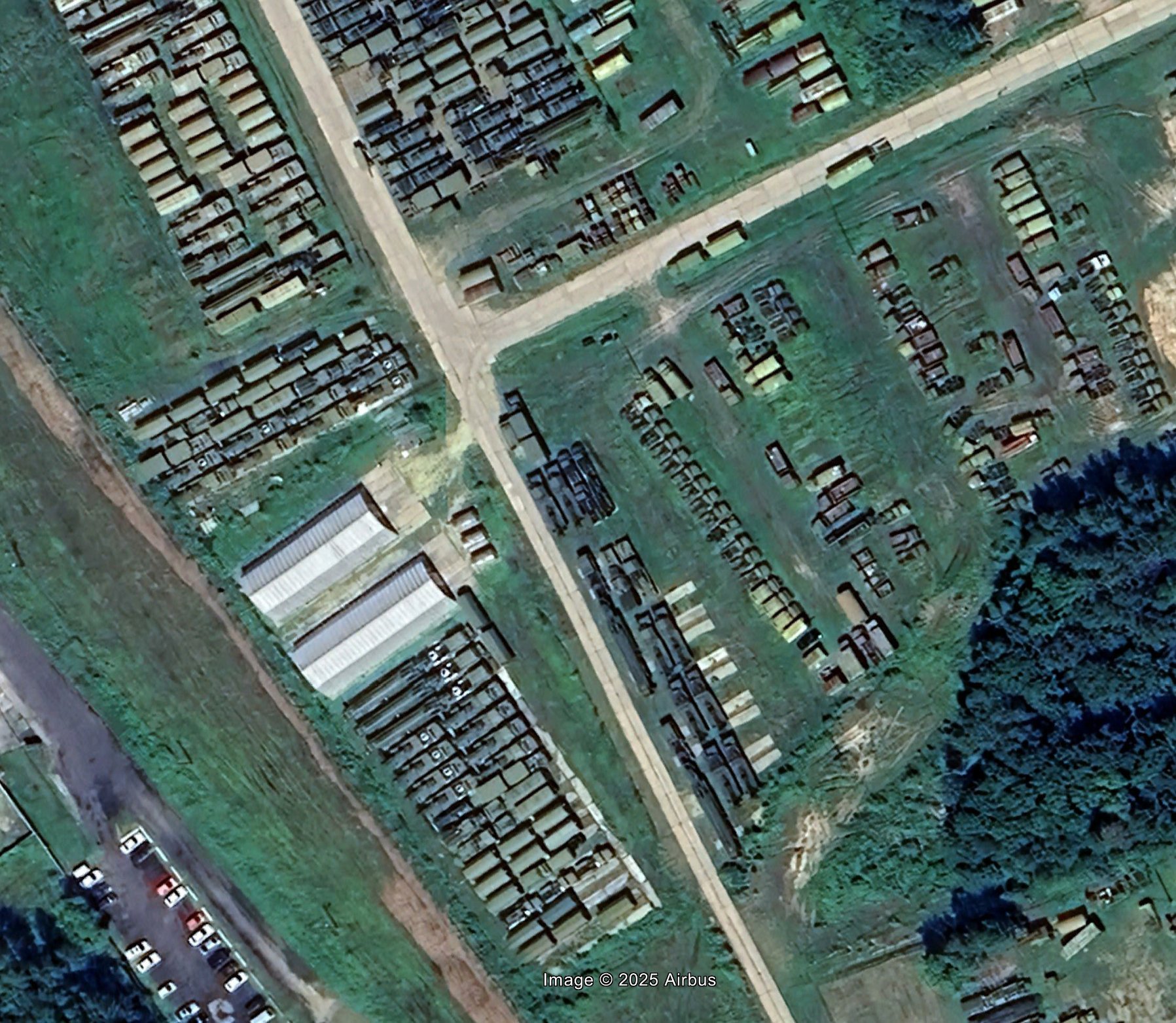
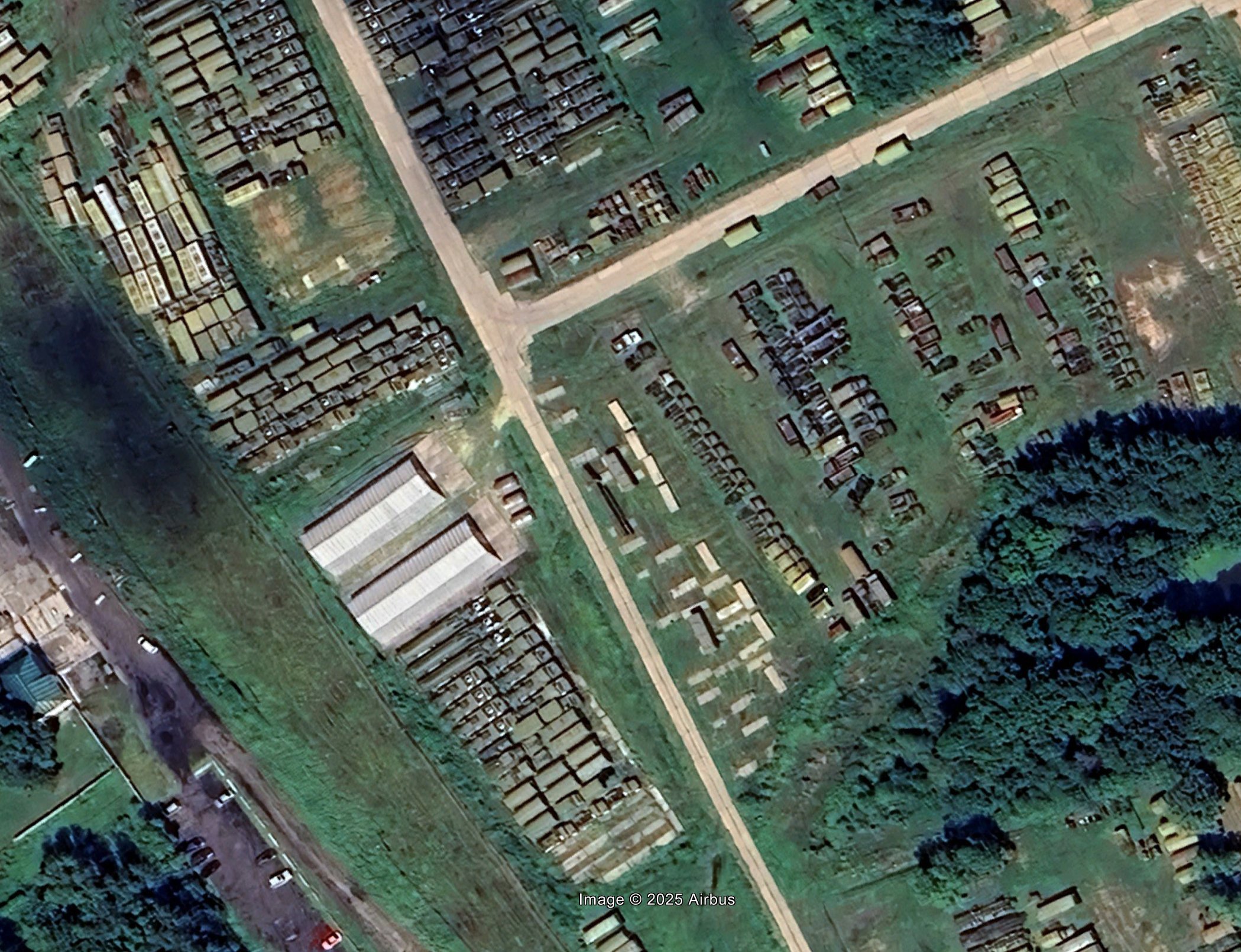
Satellite image from 2023 shows storage rows at the Khabarovsk Radio Engineering Plant filled with S-300 components. (Source: Airbus / Athene Noctua)
Satellite image from 2025 reveals noticeable withdrawals of S-300 equipment compared to two years earlier. (Source: Airbus / Athene Noctua)

However, closer examination reveals that the 30N6 radars were not fully removed but repositioned within the plant. The number of such radars remains at 13, which suggests Moscow is drawing from existing reserves rather than newly manufactured systems.
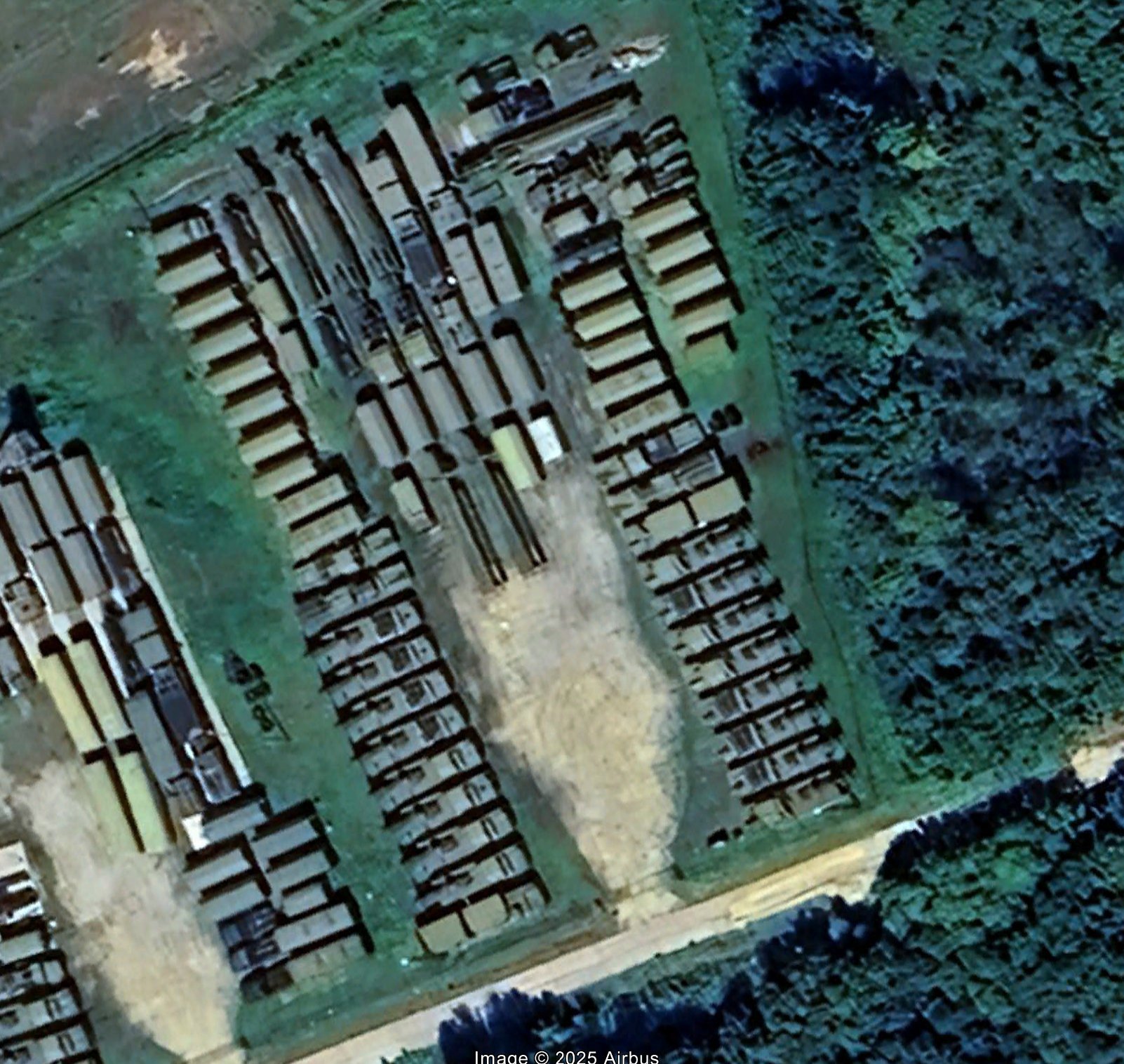
Satellite image from 2023 shows rows of stored S-300 components at the Khabarovsk Radio Engineering Plant. (Source: Airbus / Athene Noctua)
Satellite image from 2025 shows multiple S-300 units withdrawn from storage areas. (Source: Airbus / Athene Noctua)

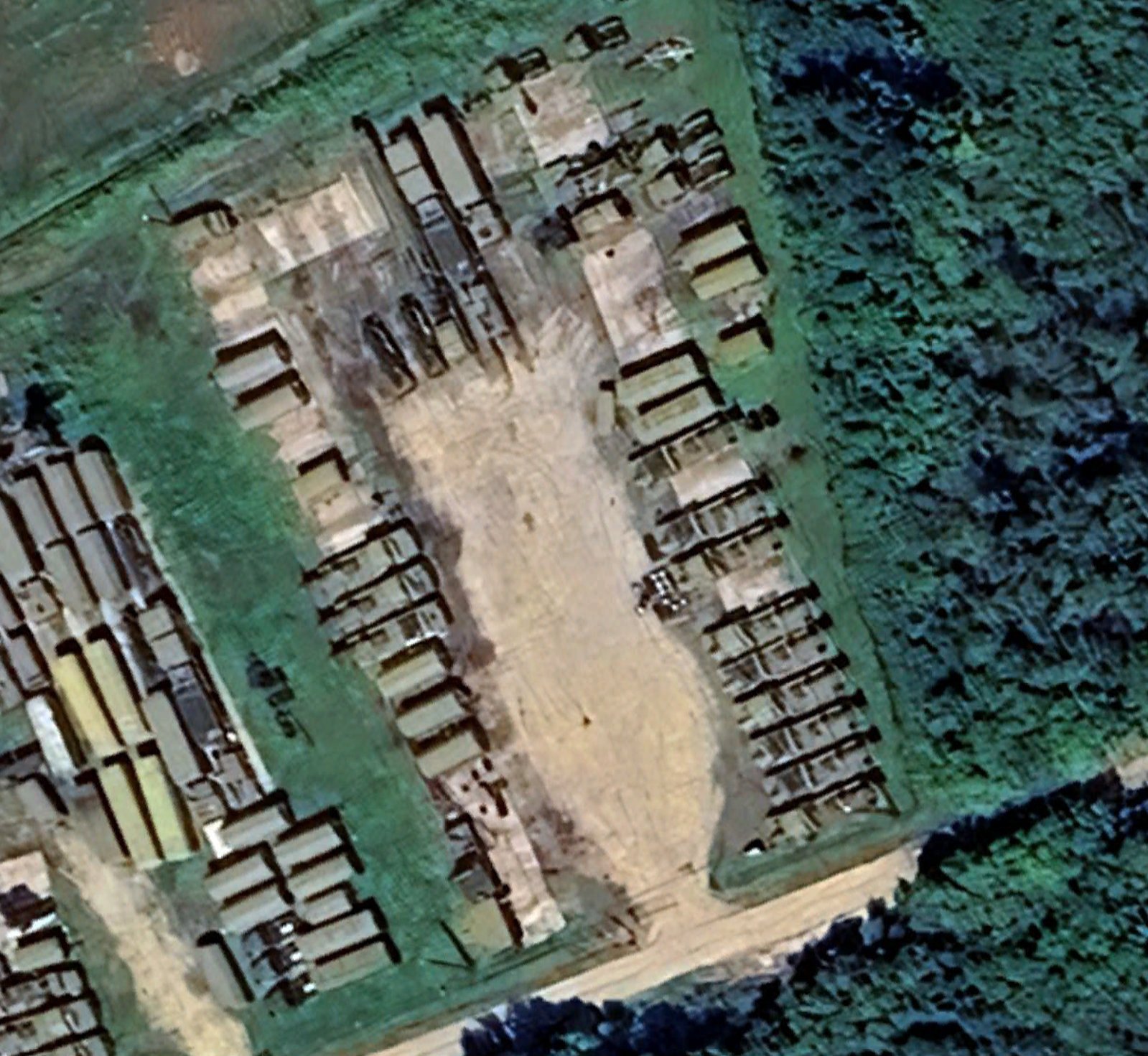
Athene Noctua assessed that these units are being used more as a source of spare parts than as fully operational combat batteries. Some of the equipment may be undergoing testing before being returned to service, as signs of activity on the plant grounds suggest.
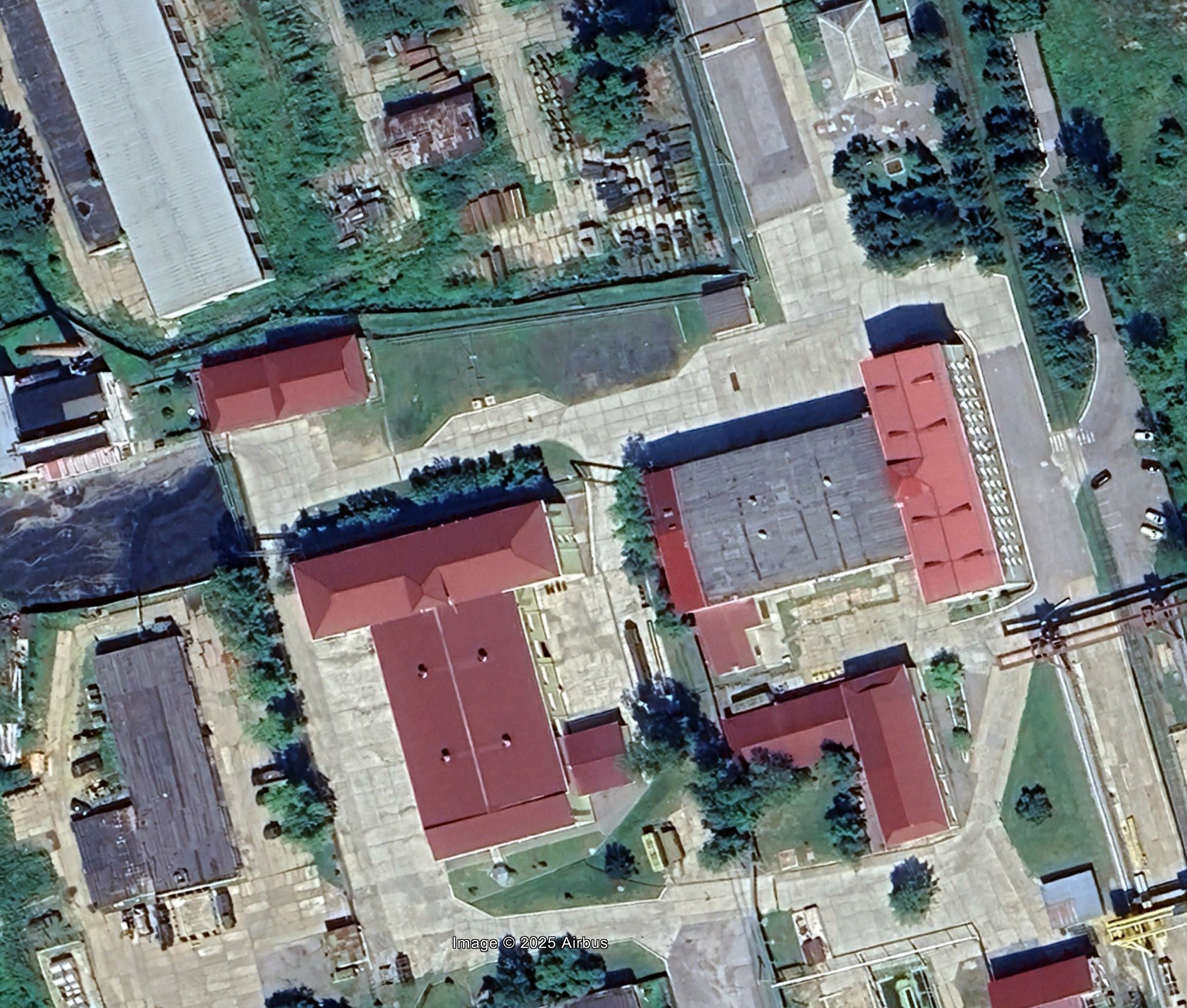
Radar equipment positioned near test areas at the Khabarovsk plant, September 2025. (Source: Airbus / Athene Noctua)
Satellite image shows signs of radar testing ahead of planned reactivation. (Source: Airbus / Athene Noctua)

Available information points to Russia attempting to restore only two S-300 batteries out of eight currently stored.

This effort comes after Ukraine’s recent strikes, including the attack on the “Baltimore” airbase in Voronezh in mid-August, which disabled an S-300 division and reportedly damaged two Su-24 bombers.

Earlier, OSINT analysts reported that Russia had quietly removed or relocated dozens of radar systems, including Kasta-2E2 and Podlet-K1, from its Central and Eastern Military Districts.

Satellite images showed many positions abandoned, prompting speculation that the equipment was either destroyed in Ukraine or redeployed to cover critical sites such as occupied Crimea and the Alabuga drone factory.

See all

Help Us Break Through the Algorithm

Your support pushes verified reporting into millions of feeds—cutting through noise, lies, and manipulation. You make truth impossible to ignore.