- Category
- Latest news
Russia Expands Global “Compatriot” Network as Moscow Deepens Diaspora Outreach
 Prefer U24 Media on Google
- Authors

-111f0e5095e02c02446ffed57bfb0ab1.jpeg "Photo of Roman Kohanets")
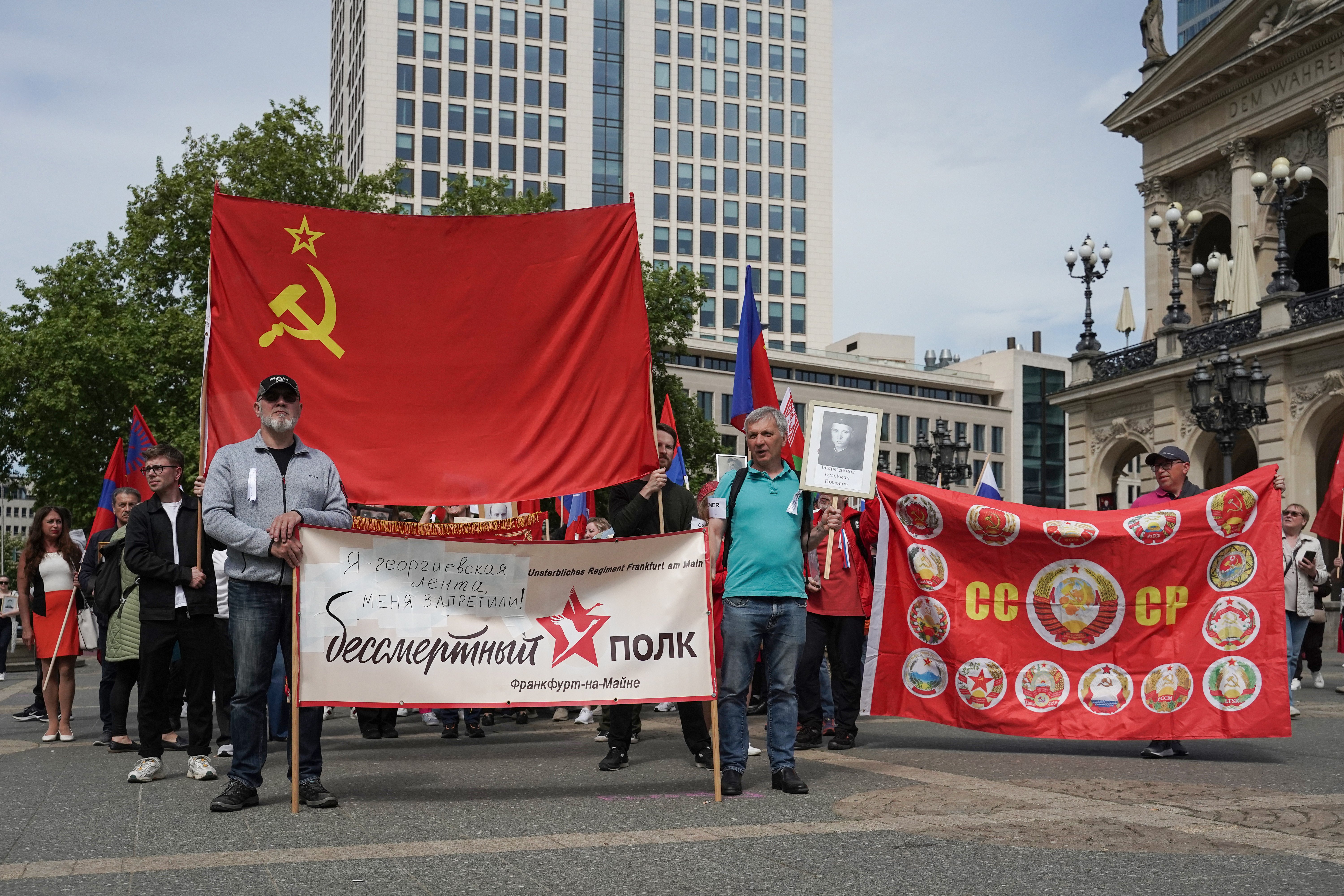
Russia's Foreign Ministry has announced an expansion of its work with "compatriots" living abroad, drawing a sharp response from Ukrainian officials who say the initiative is part of Moscow's wider hybrid influence strategy against the West, Ukraine's Center for Countering Disinformation reported.
We bring you stories from the ground. Your support keeps our team in the field.
In an interview with state news agency TASS, Gennady Ovechko, head of the Russian MFA's department for work with compatriots abroad, said Russian communities abroad should know that Moscow "will not abandon them in difficult times."
He framed the expanded outreach as a response to what he described as external pressure and attempts "to sow discord" among Russians living overseas.
"Only unity, backed by concrete steps, is the most reliable answer to pressure from outside," Ovechko said, adding that diaspora members of different nationalities and faiths were "united in their love for the historical Motherland."
He said the ministry was scaling up legal assistance and consolidation efforts for communities abroad.
-d0b1f7087c2cbf2215e28d6355365fba.png)
Ukraine's Center for Countering Disinformation (CCD), a body under the National Security and Defense Council, offered a markedly different reading of the announcement.
In a statement issued the same day, the CCD argued that the Kremlin treats Russian-speaking communities worldwide as "a strategic instrument of influence," aiming to cultivate a loyal constituency capable of shaping public opinion in host countries and amplifying narratives favorable to Moscow.
Beyond information operations, the CCD warned that such communities can serve as an environment for hybrid activity. Under the cover of "cultural consolidation," it said, networks may be built that the Kremlin could use for destabilization, organizing protest actions, or even preparing sabotage.
The policy of working with "compatriots"—Russian speakers and people with cultural or ancestral ties to Russia living abroad—has been a long-standing strand of Moscow's foreign policy, channeled through structures such as Rossotrudnichestvo and the Russkiy Mir Foundation.
Western governments and several EU member states have in recent years restricted or shut down some of these organizations, citing concerns about political interference.
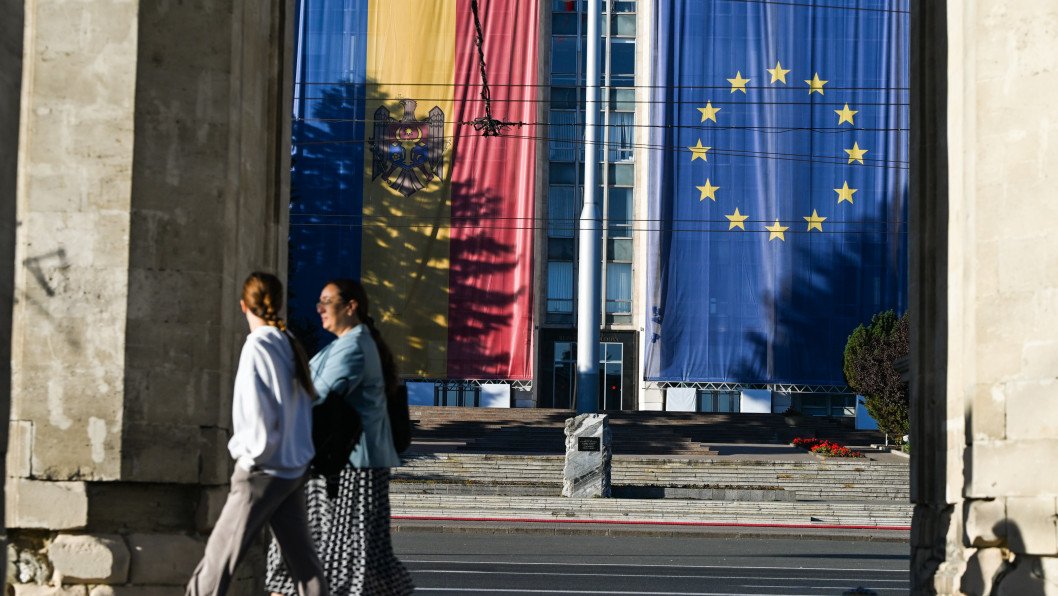
Diaspora outreach is only one of several civilian-coded channels through which Moscow has been accused of projecting influence abroad. Ukrainian monitors have flagged a similar pattern in cultural diplomacy, humanitarian aid, and—most strikingly—religion, where structures presented as purely spiritual have grown in lockstep with the Kremlin's geopolitical priorities.
In February, the Center for Countering Disinformation reported that the Russian Orthodox Church had expanded its official presence in Africa from 4 to 34 countries in under three years.
The growth followed the Holy Synod's December 2021 decision to establish a Patriarchal Exarchate of Africa, a separate church structure created to support Moscow's activities on the continent. Since then, roughly 350 parishes and more than 270 clergy have reportedly been registered under the exarchate.
According to the Center, Moscow used religious outreach alongside broader Kremlin activity in Africa, including anti-Western messaging and recruitment efforts targeting African nationals.
Discuss this article:
-9a7b3a98ed5c506e0b77a6663f5727c5.png)