- Category
- Latest news
Russia Faces Economic Meltdown as War Enters Fourth Winter—Inflation and Industry in Freefall
 Prefer U24 Media on Google
- Authors


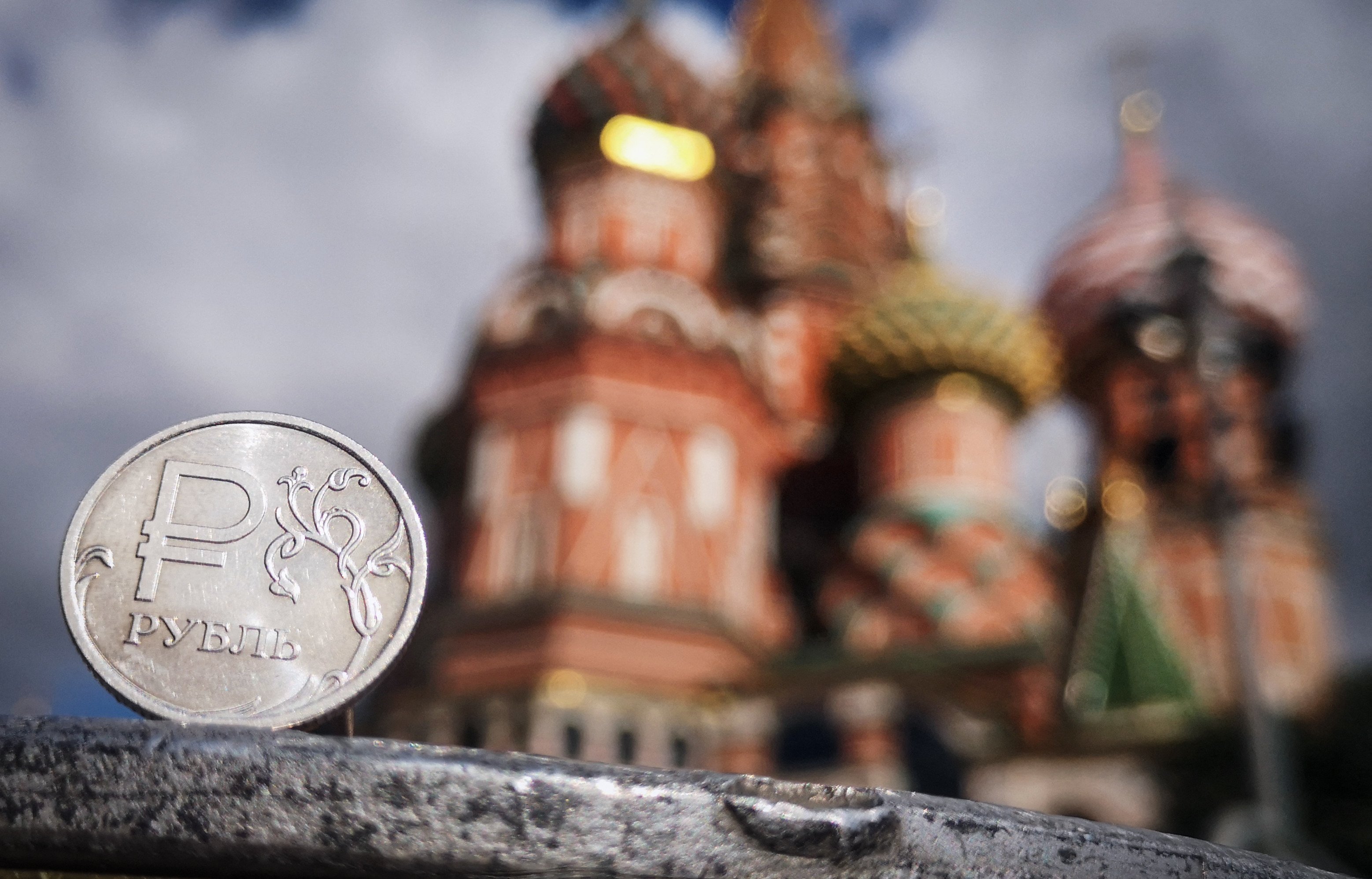
As Russia’s war on Ukraine enters its fourth winter, the effects on daily life in Russia are becoming more pronounced. According to Bloomberg on November 26, several regions, especially in central and southern Russia, are feeling the war’s proximity, with drones and missiles striking energy facilities and residential buildings.
Beyond the frontlines, Russia's economy is showing signs of significant strain. Households are cutting back on spending, particularly on food, and key industries such as steel, mining, and energy are facing difficulties. The earlier economic resilience, bolstered by fiscal stimulus and record energy revenues, is now being tested.
We bring you stories from the ground. Your support keeps our team in the field.
The economic fallout is being compounded by increased international pressure, as reported by Bloomberg. The United States has intensified efforts to curb oil and gas revenue flowing into Russia, implementing sanctions targeting major Russian energy companies like Rosneft and Lukoil.
These actions are part of a broader push for a ceasefire, with growing momentum for peace talks. While many analysts expect modest economic growth in Russia over the next year, there are increasing signs of an impending recession, with industrial output declining across more than half of the country’s sectors.
According to Bloomberg, inflation is a growing concern, with prices rising faster than wages. Consumers are feeling the squeeze, and retail sales, especially in fashion and electronics, have sharply decreased. The steel industry is in crisis, with consumption dropping 14% this year, while coal mining is facing its worst situation in a decade.
Russia’s financial position is also weakening, with corporate debt rising and oil and gas revenue falling by more than 20% in 2023. Even trade with China, a key partner, has slowed. While a systemic financial crisis has not yet occurred, experts warn that economic conditions are steadily worsening.
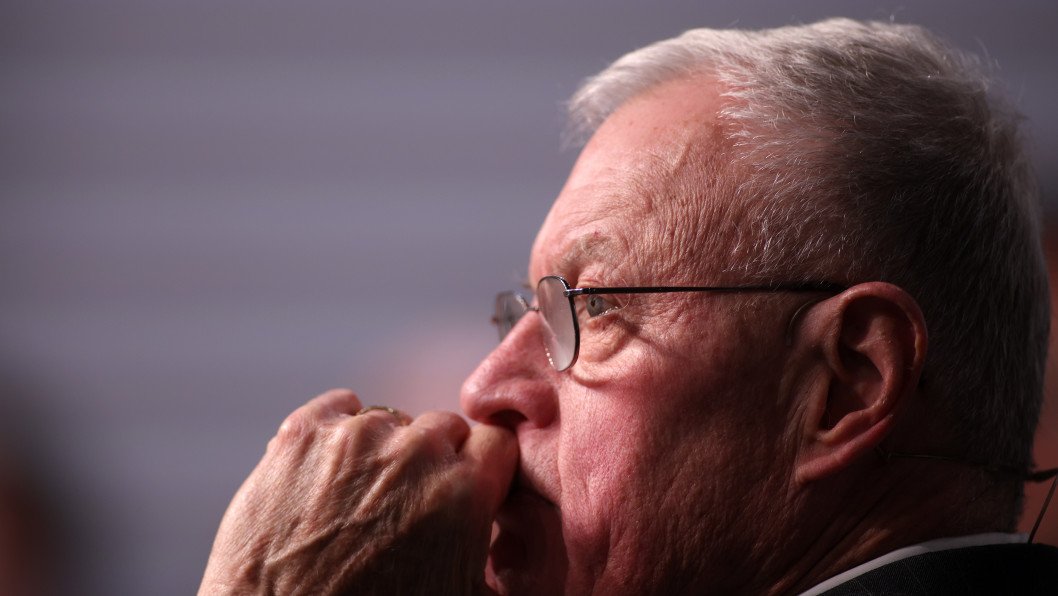
In response to these growing fiscal challenges, the Russian government has increased its debt through costly domestic sales and plans to introduce new taxes, such as a rise in VAT and a technology levy on electronics. These measures are expected to generate more revenue but will likely place additional financial pressure on small businesses and consumers.
Despite these mounting challenges, Putin has shown no sign of altering his course. Experts, including Oleg Buklemishev, head of the Center for Economic Policy Research at Moscow State University, argue that for Russia’s economy to stabilize, the ongoing military operations must be reduced. However, there is no clear indication that Russian authorities are ready to make that decision.
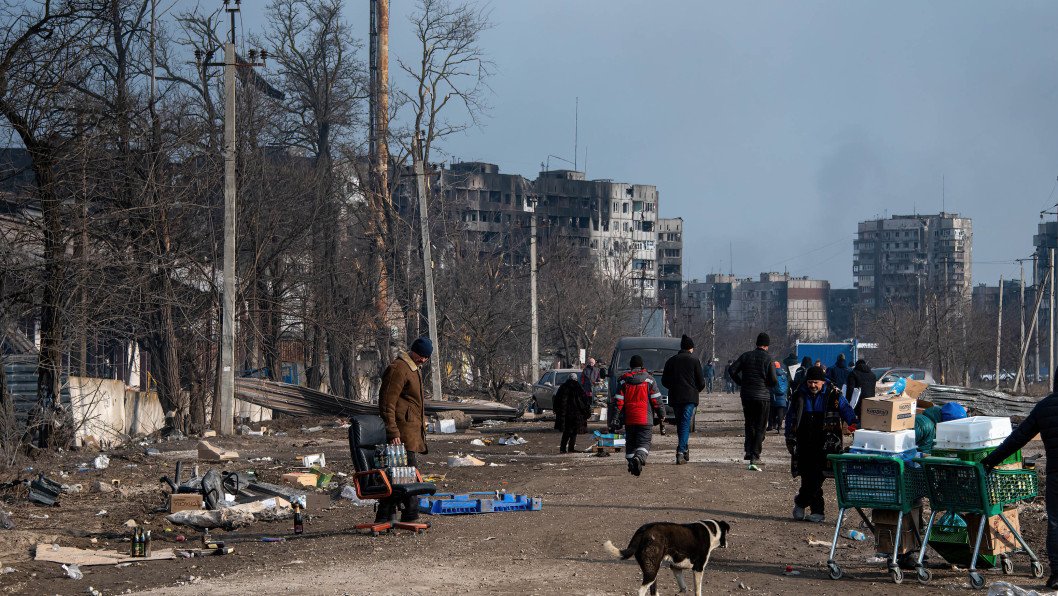
“The immunity of the Russian economy has been severely weakened,” said Oleg Buklemishev, head of the Center for Economic Policy Research at Lomonosov Moscow State University. “A systemic crisis may not occur in 2026, but a steady deterioration in economic conditions will continue,” Buklemishev stated, according to Bloomberg.
Earlier, it was reported that Russia's oil and gas revenue is projected to fall by approximately 35% in November compared to the previous year, totaling around $6.6 billion. This decline is attributed to lower crude prices and a stronger ruble, which are impacting Moscow’s primary source of budgetary income.
Discuss this article:
-4a56a6b482ec132402c16ef6fcabf9a2.png)

-c439b7bd9030ecf9d5a4287dc361ba31.jpg "Photo of Katherina Popilnichenko")