- Category
- Latest news
Russia Halts Wealth Fund Spending After Burning Through Two-Thirds of Pre-War Reserves
 Prefer U24 Media on Google
- Authors


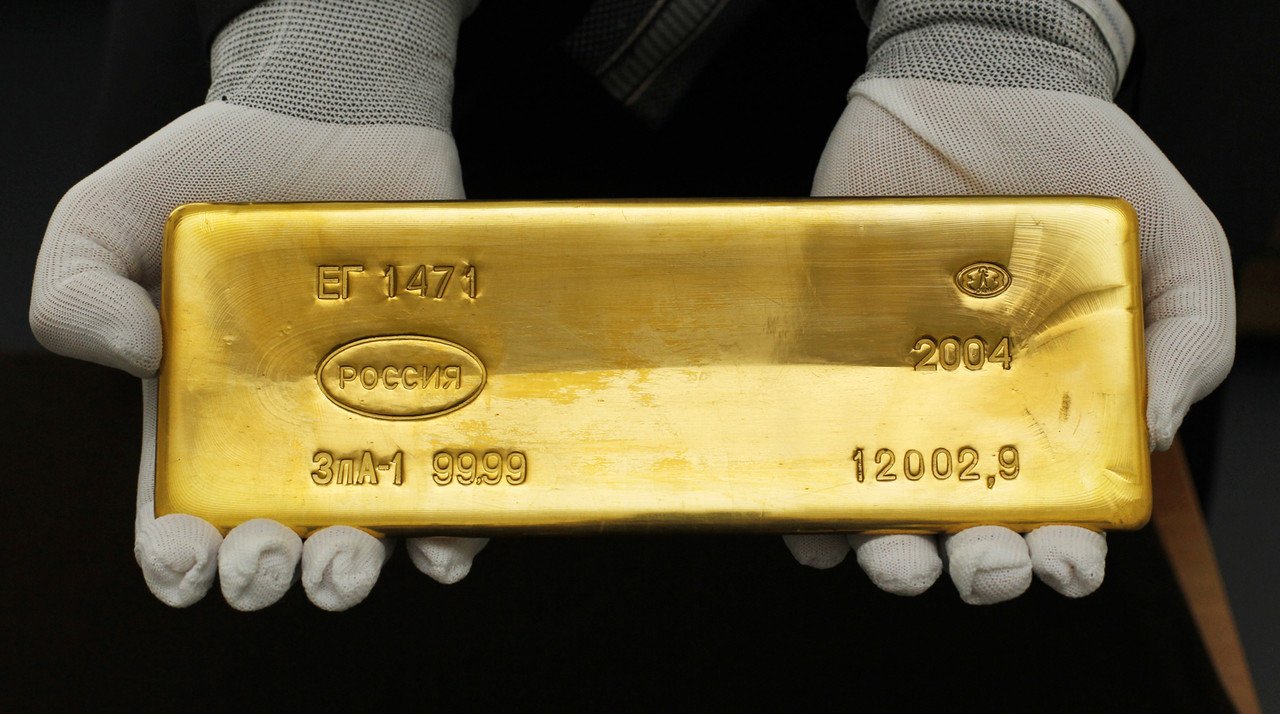
The Russian government has decided to halt large-scale spending from its National Wealth Fund, which it had been using to patch growing budget gaps, according to The Moscow Times on October 8.
Since the start of the full-scale invasion of Ukraine, Moscow has depleted nearly two-thirds of the fund’s liquid assets.
Budget documents show that in 2026, the Finance Ministry plans to withdraw just $462 million from the fund while adding $940 million.
In 2027, no spending or replenishment is planned, and by 2028, the fund is expected to grow by $4.1 billion through oil and gas revenues.
-ed051fb1853bcb98ed81f53fa31bd834.png)
Before the war, the Kremlin had amassed $113.5 billion in liquid assets in the National Wealth Fund—foreign currency and gold equal to 7.3% of Russia’s GDP.
Originally intended to co-finance pensions, the fund was later repurposed to cover ballooning budget deficits. Since then, its value has shrunk 2.5 times to just $50.3 billion, or about 1.7% of GDP.
The decision to stop drawing from the fund signals a desire to preserve what’s left of Russia’s “rainy day” reserves, says Andrei Yakovlev, an associate researcher at Harvard University’s Davis Center.
“Apparently, the Kremlin—perhaps Putin personally—believes the situation will only get worse. That’s why the reserves must not be touched,” Yakovlev explained.
With the reserve fund nearly exhausted, the burden of financing the war is now shifting to ordinary Russians.
“The population has been presented the bill” through new taxes, said Alexandra Prokopenko, a researcher at the Carnegie Russia Eurasia Center. In 2026, the government will raise the VAT rate to 22%—the highest level since 1992—bringing in an estimated $14.4 billion annually. Additional hikes are planned for small businesses, along with a new 5% tax on bookmakers.
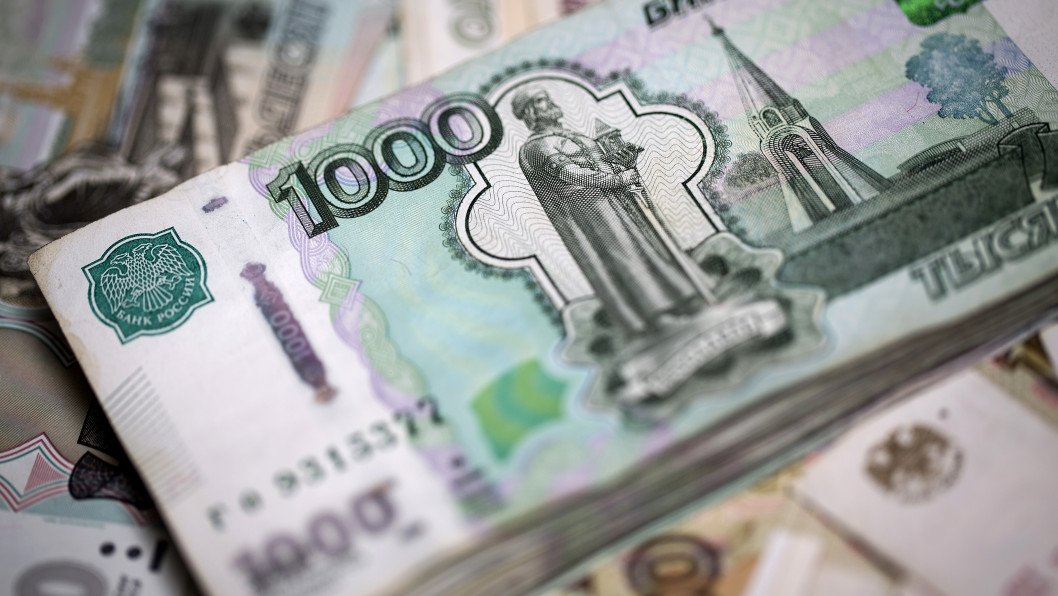
Despite these measures, the 2026 budget will still face a deficit of $45.6 billion, followed by another $80.4 billion in 2027–2028. The government plans to cover these shortfalls entirely through borrowing, which will nearly double the national debt within the next few years.
Russia aims to issue $47.8 billion in debt next year, $45.5 billion in 2027, and $54.8 billion in 2028—a total of $212 billion over four years. Including state guarantees, the country’s total domestic debt is expected to rise by $284 billion between 2025 and 2028, according to budget documents.
Earlier, reports emerged that the Russian government allocated record funding for state media and propaganda in its draft 2026 budget.
Discuss this article:



-c439b7bd9030ecf9d5a4287dc361ba31.jpg "Photo of Katherina Popilnichenko")