- Category
- Latest news
Russia Mounts Fighter Jet Missiles on Trucks to Counter Ukrainian Drones
 Prefer U24 Media on Google
- Authors


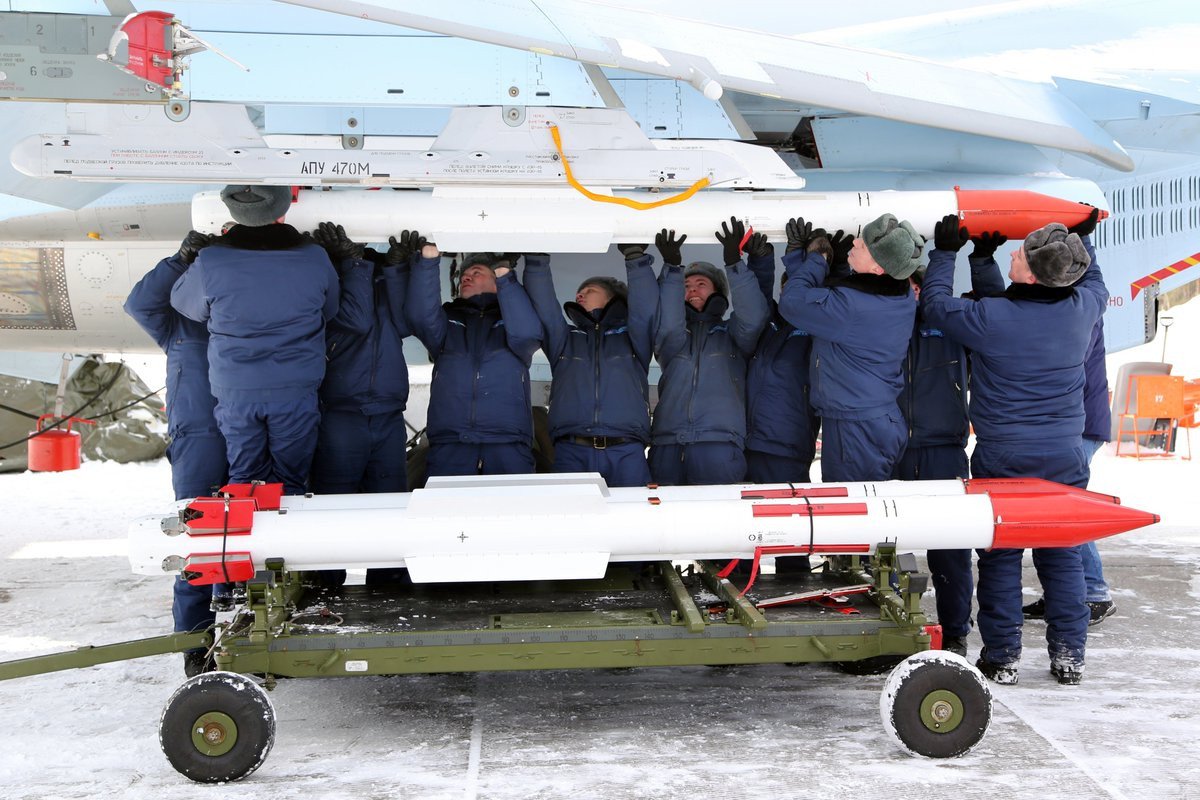
Russia has been observed deploying an improvised surface-to-air missile system using R-77 air-to-air missiles mounted on a Ural truck chassis, as imagery circulating online suggests the system was recently spotted in the city of Oryol.
We bring you stories from the ground. Your support keeps our team in the field.
According to Defense Express on April 13, the appearance of this system reflects ongoing Russian efforts to adapt air-to-air missiles for ground-based air defense roles, reviving earlier Soviet-era concepts that were never fully implemented.
The system appears to be a continuation of attempts to create a domestic equivalent to Western platforms such as NASAMS, using air-launched missiles in a surface-to-air configuration.
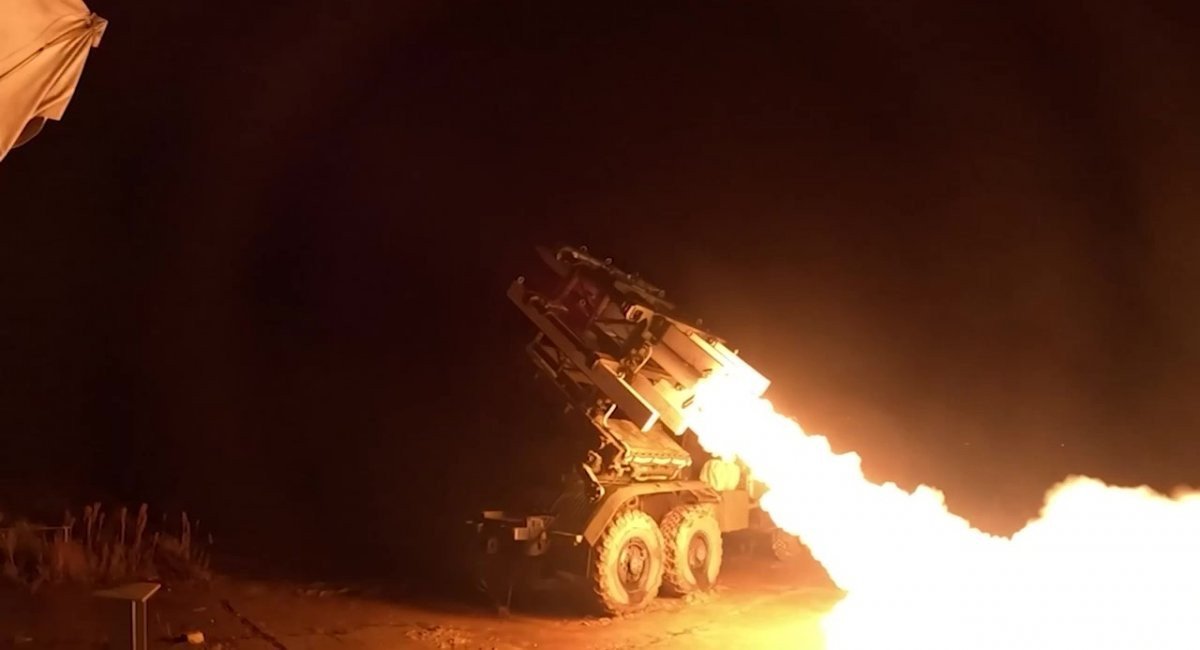
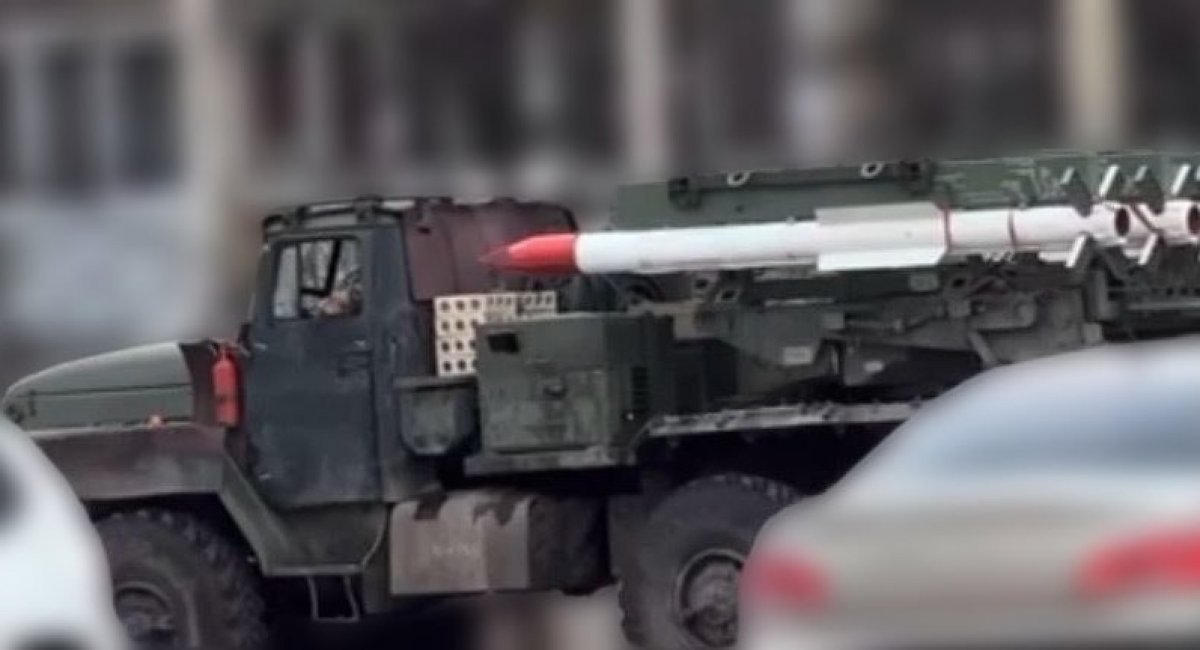
Similar experimental setups were first noted in 2024, including launchers based on the BM-21 Grad platform. The latest version, observed in Oryol, appears to feature additional modifications, although its exact capabilities remain unclear.
According to Defense Express, the concept resembles the earlier R-77-based RVV-AE-ZRK project developed in the 1990s. That program proposed using R-77 missiles without significant redesign in a surface-to-air role, which resulted in major limitations.
In particular, the engagement range dropped to approximately 12 kilometers when launched from the ground, compared to up to 110 kilometers in an air-to-air configuration.
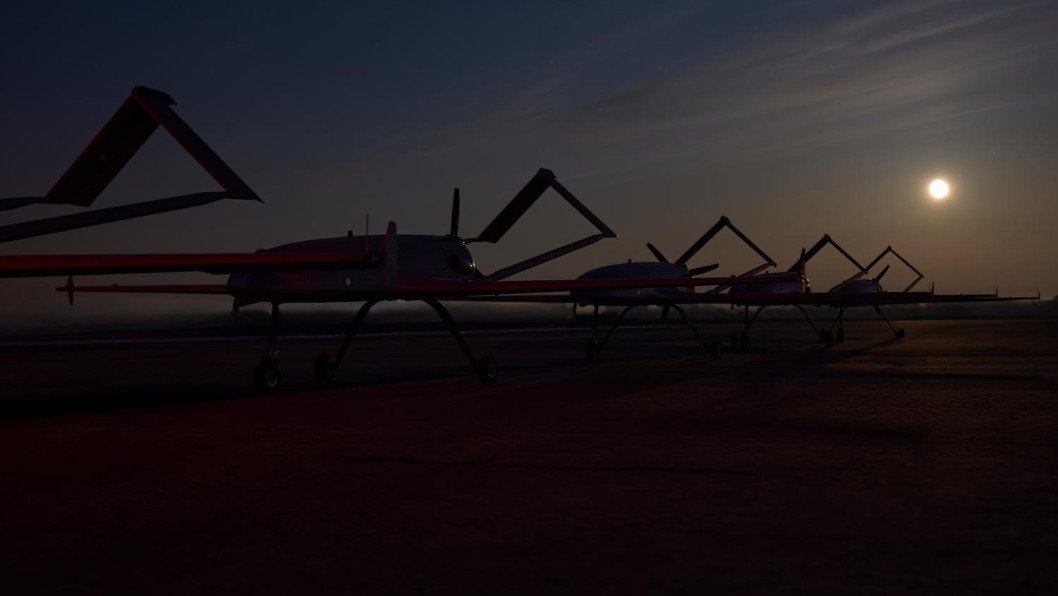
Technical details about the new system remain limited. It is not known how targeting data is provided, how many personnel are required to operate the system, or whether it is intended for large-scale production. The use of a modified Grad launcher suggests a focus on rapid adaptation using available components rather than purpose-built air defense infrastructure.
According to Defense Express, the emergence of such systems may indicate ongoing pressure on Russia’s air defense resources amid increased Ukrainian long-range drone operations.
Previous reports have documented the use of legacy missiles, including 9M33 from the Osa system, suggesting a broader pattern of adapting older or non-standard munitions for air defense tasks.
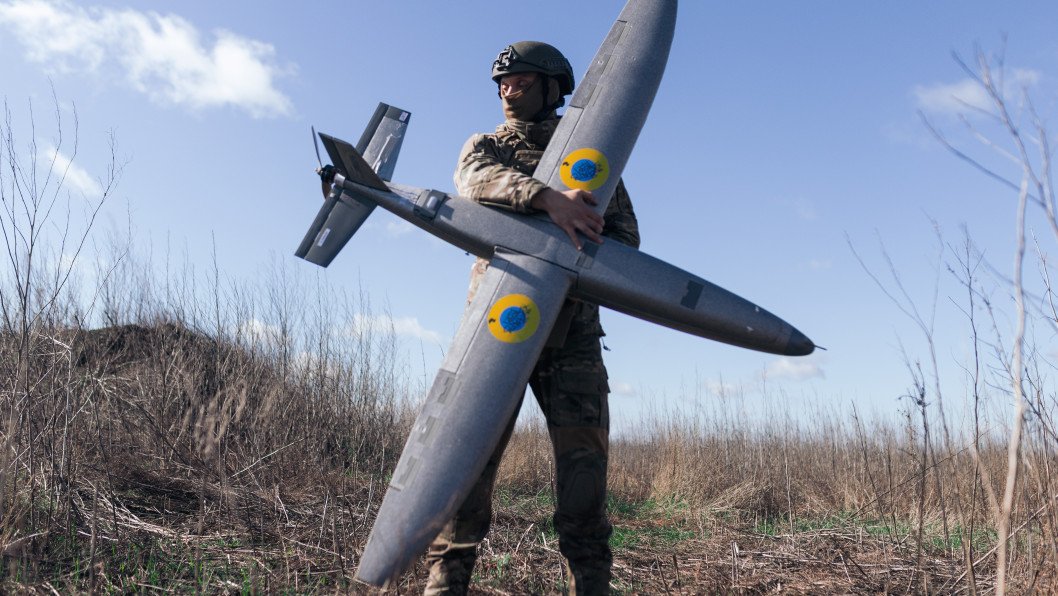
At the same time, the use of ground-based launchers for R-77 missiles may reflect operational considerations. Deploying aircraft such as Su-30 or Su-35 to intercept drones carries risks, including potential damage from nearby detonations. A ground-based solution could reduce exposure of aviation assets while maintaining the ability to engage aerial targets.
Earlier, Russian forces were reported to have mounted a North Korean Type 75 107mm rocket launcher onto a Courier unmanned ground vehicle, creating a crewless rocket artillery system capable of firing salvos remotely.
Discuss this article:
-9a7b3a98ed5c506e0b77a6663f5727c5.png)