- Category
- Latest news
Ukraine Outpaces Russia in Drone War, Deploying 30% More Strike UAVs
 Prefer U24 Media on Google
- Authors


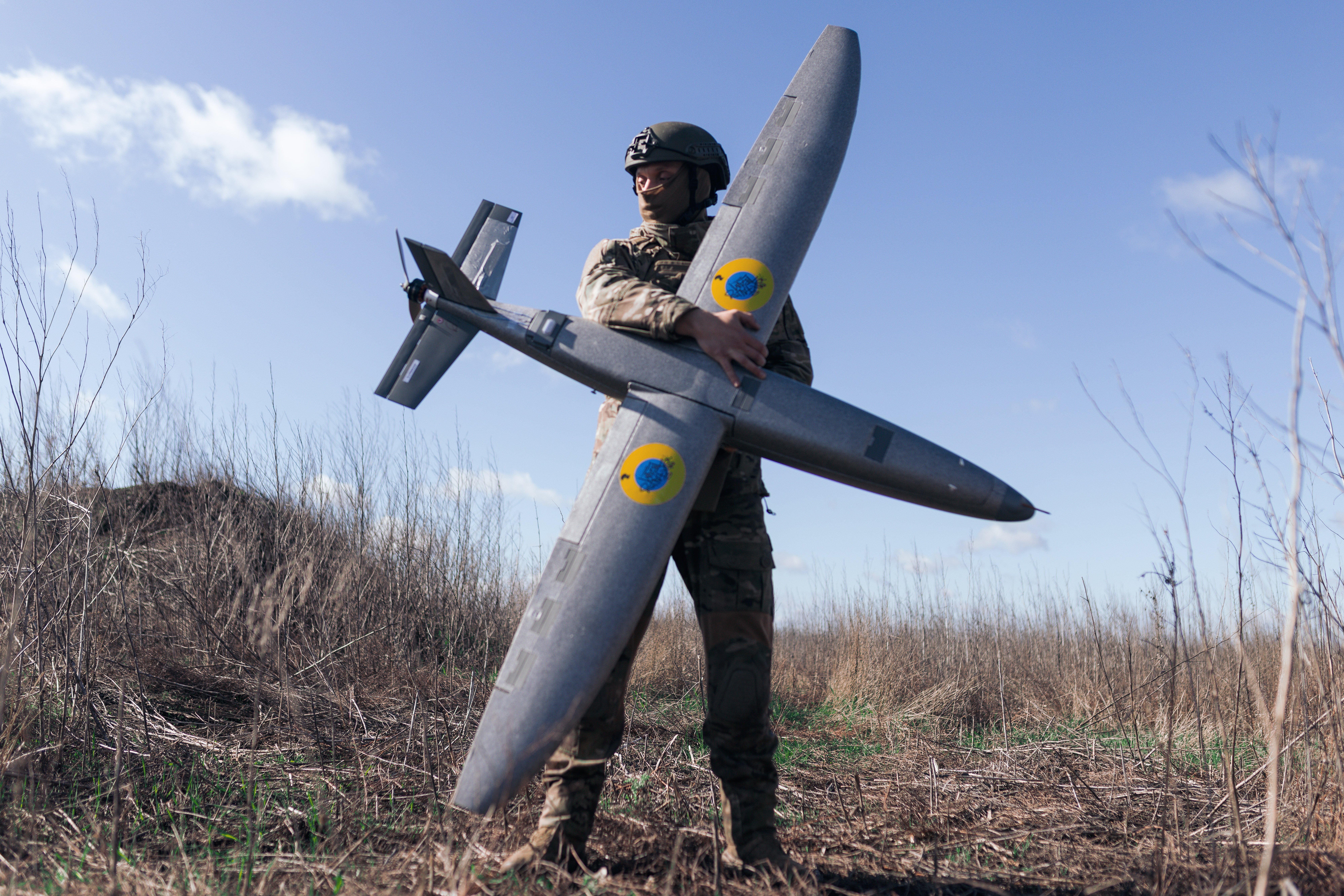
Ukraine’s Defense Forces are currently deploying more strike drones than Russian troops across the front line, marking a shift in the balance of drone warfare.
We bring you stories from the ground. Your support keeps our team in the field.
According to RBC-Ukraine on April 8, Deputy Head of the Office of the President and Brigadier General Pavlo Palisa said Ukrainian forces now use approximately 30% more strike drones than Russia.
“The ratio of strike drone usage (front-strike) between us and the enemy is now different—1.3 to 1 in our favor. That is, we are using 30% more strike drones than the enemy. And this is producing results,” Palisa said.
-0ad4bc8b1ddfcc0f0f3af7c35316ee87.jpg)
Palisa noted that this represents a significant change compared to earlier phases of the war, when Ukraine was far from parity with Russia, particularly in the use of FPV drones, which affected the pace of Russian advances.
According to RBC-Ukraine, Palisa also highlighted the growing role of fiber-optic-controlled drones. He said these systems now account for 32% of Ukraine’s daily strike drone usage, compared to 24% on the Russian side, despite ongoing challenges related to materials, procurement, and contracting.
“And here the issue is not only quantity, but also quality. It must be honestly stated that the quality is the same as the enemy’s, because it is also improving its systems, but we have made a very noticeable leap,” Palisa added.

According to RBC-Ukraine, the official stressed that the data reflects the overall situation along the entire line of contact. However, he acknowledged that in certain sectors Russian forces still maintain localized advantages in drone deployment.
“There are areas where the Russians are concentrating efforts and trying to create an advantage in the ‘small sky’ to ensure, first of all, the possibility of tactical success for their ground units,” he said.
Palisa also referred to earlier stages of the war, noting that during Russia’s counteroffensive operations in the Kursk direction, Russian forces had a significant advantage in fiber-optic drones, which partially contributed to their results.
This shift is also reflected in Ukraine’s growing ability to penetrate Russian air defenses. Ukraine’s Security Service (SBU) reported that its Alpha Unit alone destroyed Russian air defense systems worth $4 billion in 2025, including S-300, S-400, Buk, and Pantsir systems, as well as key radar infrastructure.
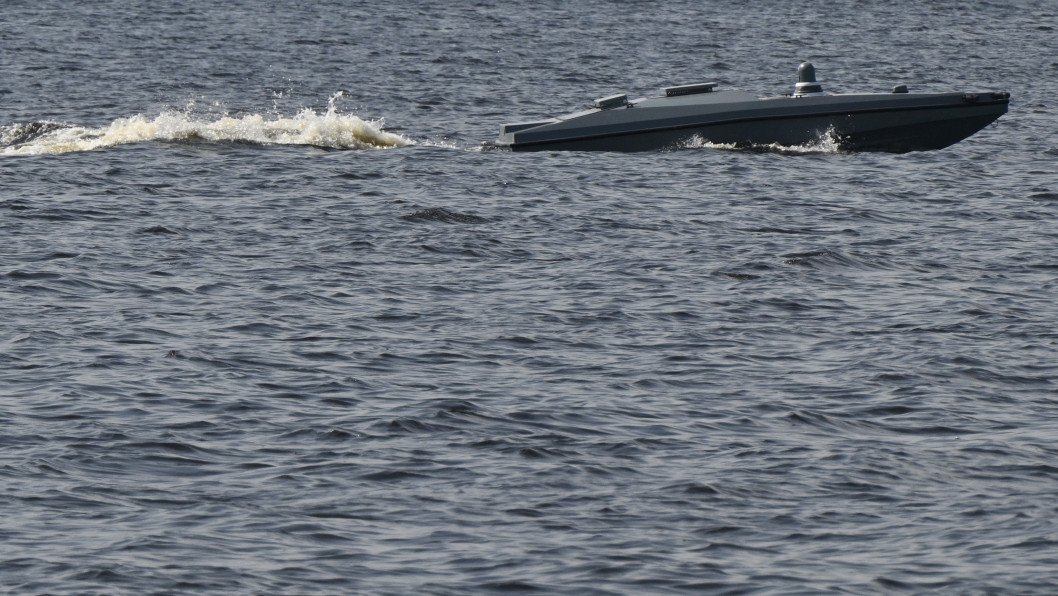
These strikes have had a systemic effect, degrading Russia’s layered air defense network and creating operational corridors for Ukrainian long-range drones. “This work produced a systemic effect: corridors were punched through Russia’s layered air defense, enabling safe passage for Ukrainian long-range drones deep into enemy rear areas—targeting military bases, depots, airfields, and other military facilities,” the SBU said.
Earlier, according to ABC News on April 6, Ukraine launched more long-range attack drones than Russia in March for the first time since 2022, signaling a shift in the aerial balance of the war.
The data, based on reports from both the Ukrainian Air Force and the Russian Ministry of Defense, suggests Ukraine’s expanding domestic drone production is beginning to narrow—and in some areas reverse—Russia’s previous advantage in long-range strikes.
Discuss this article:
-9a7b3a98ed5c506e0b77a6663f5727c5.png)

-c439b7bd9030ecf9d5a4287dc361ba31.jpg "Photo of Katherina Popilnichenko")