- Category
- Latest news
Russia Never Intended Real Peace Talks at Istanbul Negotiations, Ukraine’s Deputy FM Says
 Prefer U24 Media on Google
- Authors


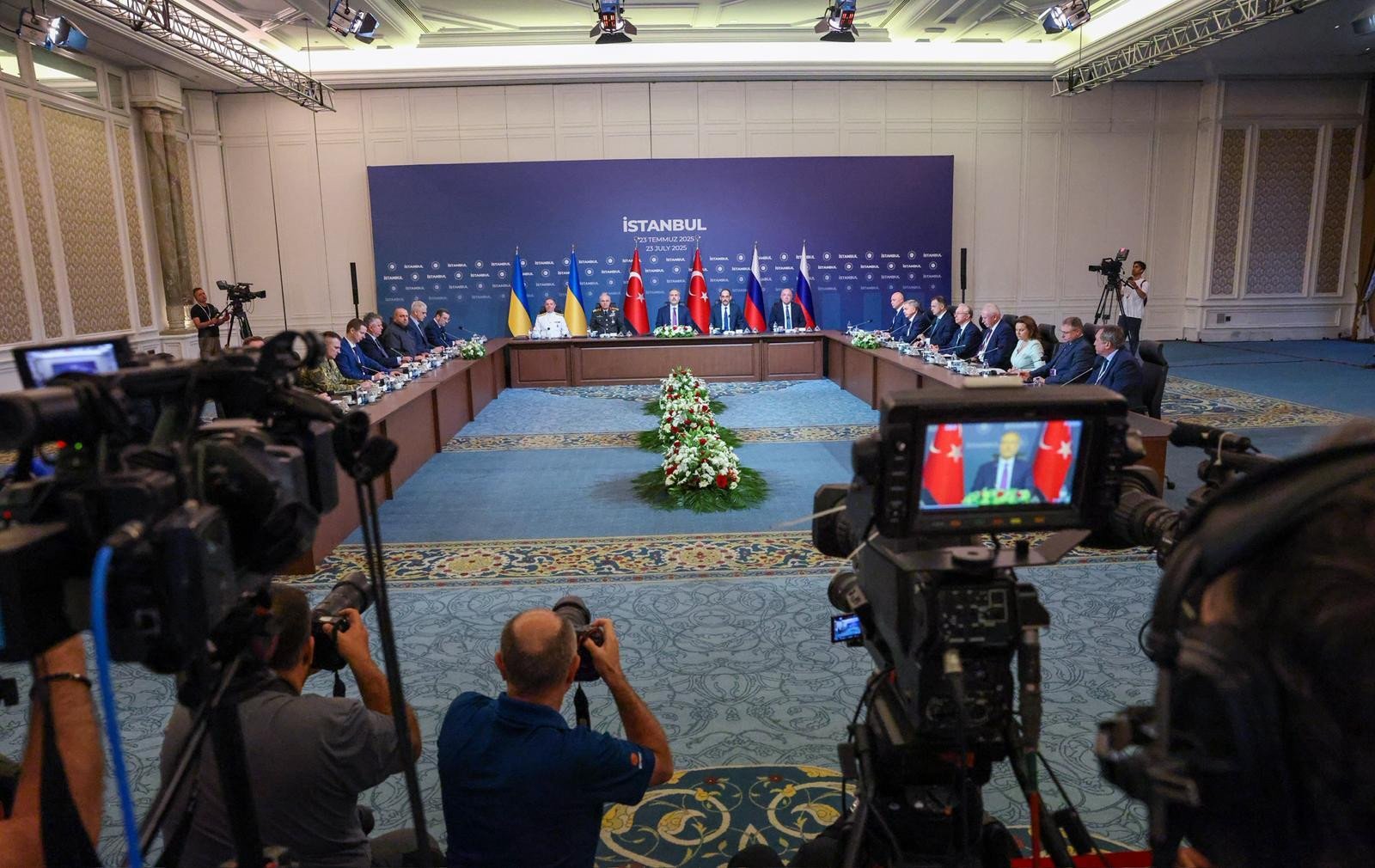
The Russian delegation at the Istanbul negotiations never intended to discuss peace, according to Ukraine’s Deputy Foreign Minister Serhiy Kyslytsia. Kremlin representatives, he said, denied Ukraine’s national identity, suggested creating WhatsApp chats, and arrived with detailed dossiers on every member of the Ukrainian delegation.
As Kyslytsia told The Times on November 11, the Russian side came to the meetings with extensive background information on each Ukrainian negotiator.
“They know very well the background of every one of us and sometimes they do say provocative things and quite nasty,” he noted.
Even when facing former defense ministers, generals, and diplomats, Russian delegates denied Ukraine’s nationhood and attempted to divert discussions toward historical disputes. The Ukrainian side, Kyslytsia said, chose to focus strictly on the agenda to avoid falling into provocations.
He added that Russia’s representatives had no real intention of negotiating—their objective was to create the illusion of a constructive process in order to avoid tougher US sanctions. To that end, they proposed forming “working groups” and even creating WhatsApp chats.
“You have to put your arguments on the desk too, then the other side also puts their arguments on the desk. Then you try to figure out, where is the common ground? What is a grey zone? Where is the batch of the arguments that are totally unacceptable? We never reached that point,” Kyslytsia emphasized.
The only proposal Russia agreed to discuss was a two-hour pause to collect the bodies of fallen soldiers. Any other issues, including a temporary ceasefire, were dismissed.
-314683458ab1fea008a33b8e7f8942cd.png)
Kyslytsia concluded that the Russian delegation operated strictly under orders from the Kremlin.
“It’s important to understand that in a dictatorship, you can’t have creative discussions with negotiation teams representing the dictator. They come with a very rigid mandate and they have to defend whatever positions they were given. On top of that, you had people controlling each other and then they report on each other, how tough they were in presenting their position” he said.
Earlier, Russian Foreign Minister Sergey Lavrov once again claimed that the “demilitarization and denazification” of Ukraine are prerequisites for ending the war. However, observers note that Moscow’s actual objective remains the dismantling of Ukraine’s statehood.
Discuss this article:
-331a1b401e9a9c0419b8a2db83317979.png)