- Category
- Latest news
Russia Offers to Mediate US-Iran War, Citing “Extensive Experience”
 Prefer U24 Media on Google
- Authors

-72b63a4e0c8c475ad81fe3eed3f63729.jpeg "Photo of Cyril Barabaltchouk")
Russia has expressed its readiness to mediate the war with Iran, The Moscow Times reported on March 5, citing Russian media.
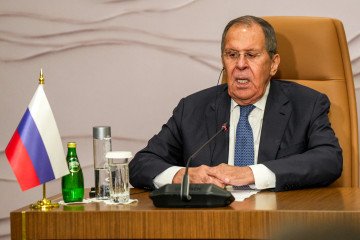
Russia’s permanent representative to international organizations in Vienna, Mikhail Ulyanov, stated: “Russia is ready to provide mediation services when required. We have the relevant experience”. He further suggested that Tehran would likely be open to Russia’s mediation efforts, given the current situation in the Middle East.
We bring you stories from the ground. Your support keeps our team in the field.
However, Ulyanov also pointed out that the United States has shown little interest in involving third-party mediators in the conflict. He claimed that Washington believes it can handle the situation independently, although, according to him, the US has not been successful in doing so.
Moscow’s sudden posturing as a global peacemaker stands in stark contrast to its actions closer to home. While Russian diplomats publicly tout their “mediation experience,” the Kremlin has consistently demonstrated a complete lack of desire to end its own unprovoked war against Ukraine.
Repeated attempts at bilateral negotiations have collapsed, largely due to Russia’s maximalist territorial demands and its relentless daily bombardment of Ukrainian cities.
Ulyanov recalled Russia’s role in facilitating negotiations during the 2021-2022 Vienna talks aimed at restoring the Iran nuclear deal, where, he said, Russia played a crucial role in helping Western countries and Tehran find common ground.
The idea of Russia acting as a mediator in the Middle East is contentious, with some skepticism from Israel’s diplomatic community. Israel’s ambassador to Russia, Oded Yosef, expressed doubts about Moscow’s ability to play a significant role in resolving the conflict.
He argued that Russia’s potential as a mediator would depend on whether it could distance itself from its one-sided public support for Iran’s position. Yosef also criticized Russia’s statements regarding the escalation of violence in the Middle East, pointing out that they have lacked condemnation of attacks on Israeli civilians, The Moscow Times wrote.
In response, Russia’s Foreign Ministry spokeswoman, Maria Zakharova, defended Russia’s stance, stating that the country’s position is objective.
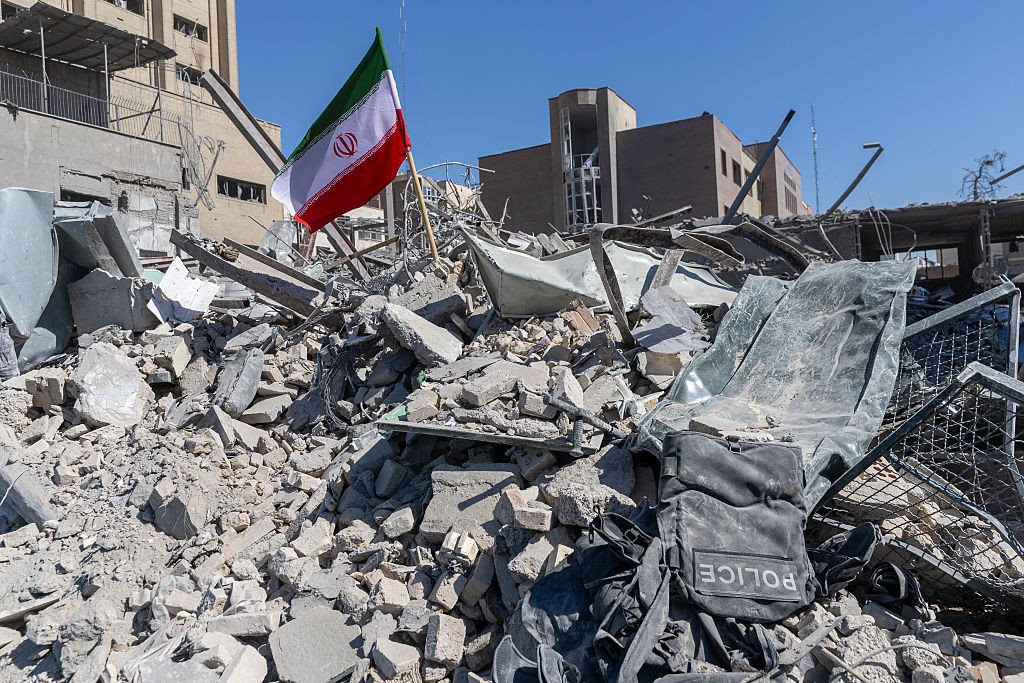
The situation in the Middle East has rapidly escalated since February 28, when the US and Israel launched joint airstrikes on Iranian territory. The strikes resulted in the killing of Iran’s Supreme Leader, Ali Khamenei.
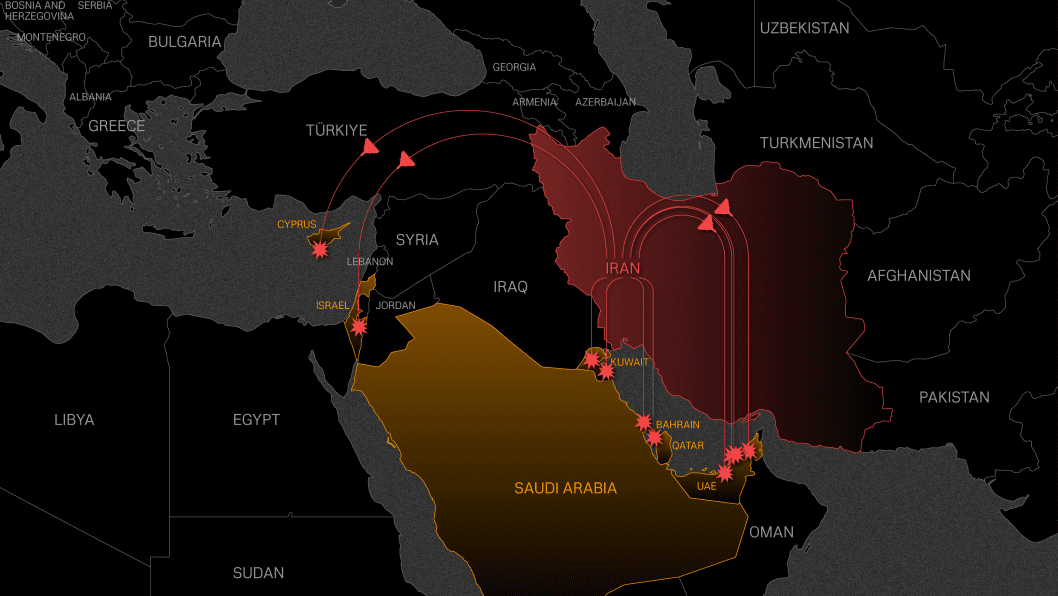
In retaliation, Iran launched a barrage of rockets and drones targeting Israel and several US military bases in the Middle East, including those in Bahrain, Iraq, Qatar, Kuwait, the UAE, and Saudi Arabia. The ongoing conflict has significantly disrupted air travel in the region and led to a sharp increase in energy prices.
Ukrainian President Volodymyr Zelenskyy had previously announced Kyiv’s readiness to help Middle Eastern and Gulf nations counter the severe threat of Iranian drone attacks. Highlighting Iran as a primary driver of regional instability, Zelenskyy noted that the regime’s actions have practically halted shipping through the Strait of Hormuz.
As part of a diplomatic push to secure global stability, the Ukrainian leader has already initiated security consultations with leaders from the UAE, Qatar, Jordan, and Bahrain, with talks with Kuwait to follow.
Discuss this article:
-9a7b3a98ed5c506e0b77a6663f5727c5.png)

-c439b7bd9030ecf9d5a4287dc361ba31.jpg "Photo of Katherina Popilnichenko")