- Category
- Latest news
Russia Plans Domestic Encryption Rule for 5G That Could Block Foreign Smartphones
 Prefer U24 Media on Google
- Authors



Russia plans to require the use of domestic encryption algorithms for all devices connecting to future 5G networks, a move that could limit compatibility with foreign smartphones, according to a draft order prepared by the Ministry of Digital Development, Izvestia reported on March 19.
Under the proposal, Russian telecom operators will be required to use the domestic NEA-7 encryption algorithm, known as “Kuznechik,” when deploying 5G base stations. Foreign encryption standards, including SNOW (Europe), AES (US), and ZUC (China), would be allowed only until 2032.
We bring you stories from the ground. Your support keeps our team in the field.
Industry representatives told the outlet that encryption requirements remain one of the main obstacles to launching 5G in Russia. They warned that relying solely on domestic algorithms could make it difficult to deploy the network and even harder to ensure compatibility with widely used smartphones.

The global 5G standard was developed about a decade ago without the participation of Russian companies, said Leonid Konik, a partner at ComNews Research, according to Izvestia.
“You can demand as much as you like that foreign manufacturers of network and consumer equipment add encryption based on Russian GOST standards , but it is unlikely anyone will do so. Russia accounts for no more than 2% of the global market for mobile communications services and devices, and no one will make the effort for such a small share,” the expert said.
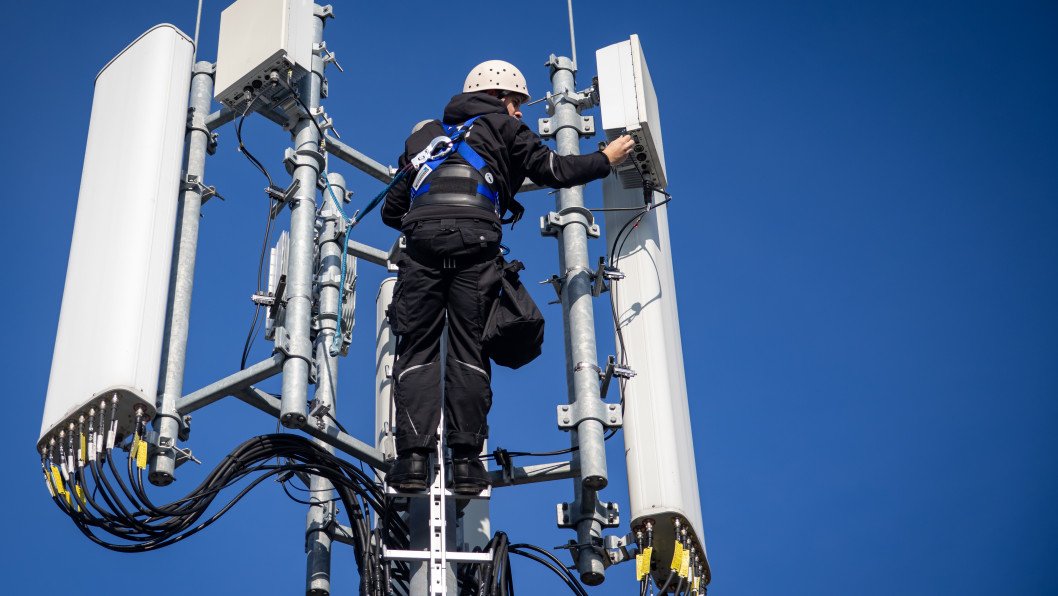
Experts noted that Russia accounts for a small share of the global mobile market, reducing incentives for foreign producers to adapt their devices. As a result, consumers may be forced to continue using older 3G or LTE networks if compatible 5G smartphones are not available.
As reported by Izvestia, Denis Kuskov, head of TelecomDaily, said the lack of suitable devices could limit access to high-speed internet and affect future applications designed specifically for 5G networks.
The Ministry of Digital Development noted that the use of domestic encryption is necessary for security reasons, but confirmed that it is discussing with law-enforcement agencies the possibility of temporarily allowing foreign cryptographic standards in order to accelerate the rollout of 5G. Officials added that Russian encryption technologies should remain the long-term priority.
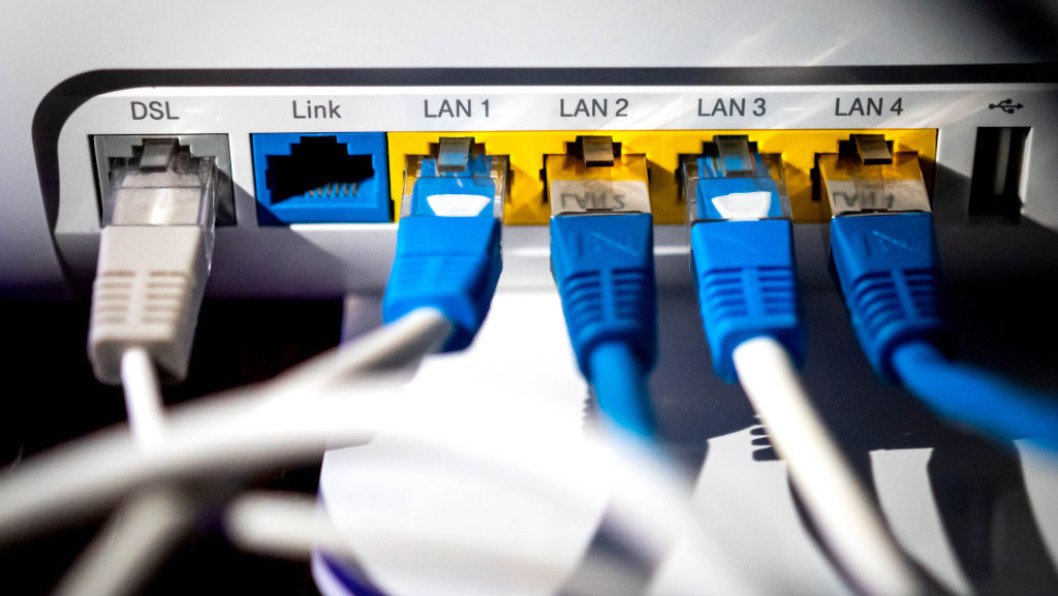
The debate over 5G restrictions comes as Russian officials also explore alternative ways to maintain communication during outages. A Russian lawmaker has proposed bringing back street payphones in a modernized form with internet access for use during communications shutdowns.
The idea was put forward by Igor Antropenko, a member of the State Duma committee on industry and trade, as mobile internet and phone disruptions continued in central Moscow.
Antropenko said public payphones, once widespread across Russian cities, could again serve as a backup communication tool when mobile networks are restricted.

He also added that the return of payphones was “long overdue,” but should come in an updated format that would also allow users to connect to the internet.
Following widespread internet outages in Moscow, demand has risen sharply for alternative means of communication, including pagers, radios, and landline phones.
According to The Moscow Times, citing data from the online marketplace Wildberries, these devices are increasingly being used by both businesses and private users seeking reliable ways to stay connected.
Discuss this article:



-111f0e5095e02c02446ffed57bfb0ab1.jpeg "Photo of Roman Kohanets")


-72b63a4e0c8c475ad81fe3eed3f63729.jpeg "Photo of Cyril Barabaltchouk")