- Category
- Latest news
Russia Sentences 190 Ukrainians for “Treason” and “Espionage” on Occupied Regions, Investigation Finds
 Prefer U24 Media on Google
- Authors


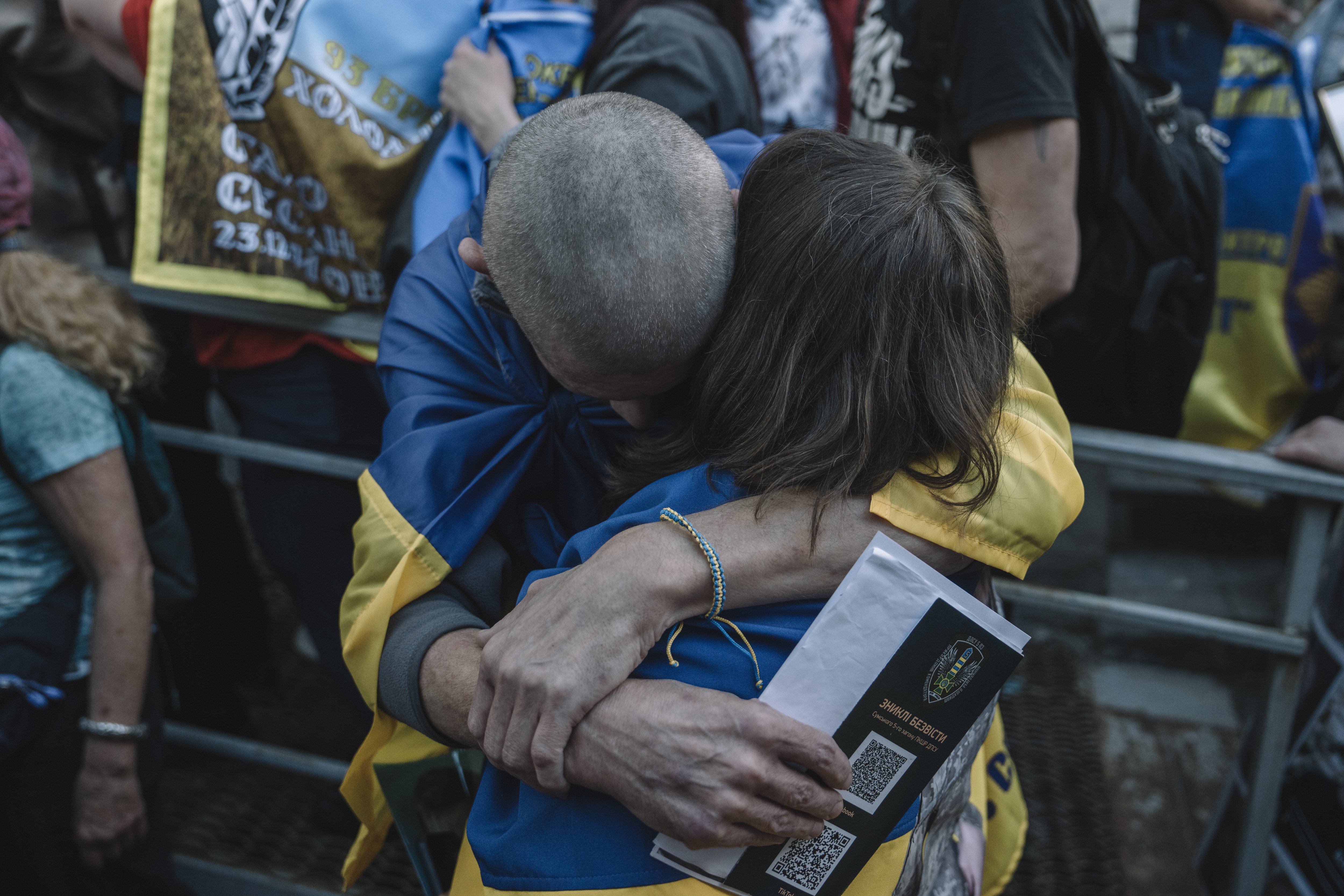
Over the three years since Russia staged so-called “referendums” on the annexation of the occupied parts of Donetsk, Luhansk, Zaporizhzhia, and Kherson regions, courts established by the occupation authorities have issued at least 190 convictions for “state treason,” “espionage,” and “confidential cooperation with foreigners,” according to Vazhnyye Istorii on October 13.
Key findings
Sentences under these charges are becoming more frequent: from July to September 2025, new verdicts were issued roughly every three days. Before the full-scale invasion, Russian courts handed down no more than 16 such convictions per year.
The average prison term handed to those convicted now stands at 13.5 years, with at least two life sentences confirmed. Women make up 28% of those sentenced on occupied territories—nearly five times the national average of 6%.
The study also identified at least eight minors convicted under these articles. Civilians remain largely excluded from prisoner exchanges: for every 23 Ukrainian soldiers returned home, only one civilian has been released.
At least five abducted Ukrainians are known to have died in captivity, and no fewer than 654 civilians have faced criminal prosecution or persecution in occupied territories and within Russia since the start of the full-scale invasion.
-e0d2fbd2e85029e4ee202bd757979320.jpg)
Legal context and trends
Two-thirds of convictions fall under espionage charges—a category used in Russia to prosecute foreign citizens or stateless persons, in this case holders of Ukrainian passports. Over the past year, the number of convictions for “treason” has also grown. Occupation authorities systematically force residents of the “new regions” to take Russian citizenship, without which it is impossible to work, receive pensions, or access medical care.
Human rights defenders told Vazhnyye Istorii that in practice, Ukrainian citizens without Russian passports are also being charged with treason — in violation of Russian law. In some cases, people holding dual citizenship are tried simultaneously for both “treason” and “espionage.”
In 2022, Russia introduced Article 275.1 of its Criminal Code—“Confidential cooperation with a foreign state or organization”—carrying three to eight years in prison. According to data analyst Kyrylo Parubets, Vazhnyye Istorii reported, between the start of the invasion and July 2025, a total of 774 people have been convicted under these three articles in Russia and the occupied territories.
-21212ab08090f2219ba39a94d91fa548.png)
Pattern of abductions and prosecutions
Many convictions involve people who were abducted months or even years before being formally charged. Abductions have become a key method of intimidation and control on occupied territories. Families are often denied any information, while trials are held behind closed doors, and names are hidden in court databases.
According to Vazhnyye Istorii, one such case is that of Iryna Horobtsova, abducted from Kherson in May 2022. She was held in a Crimean pre-trial detention center for more than two years with no contact with her family. In August 2024, the occupation court sentenced her to 10.5 years for “espionage.”
In some cases, even small financial transactions have resulted in lengthy prison terms. A woman from Enerhodar received 14 years for transferring the equivalent of $80 to Ukrainian volunteers. Seventy-three-year-old Oleksandr Markov, also from Zaporizhzhia region, was sentenced to 14 years for sending about $400 to what investigators called “foreign bank accounts used by Ukrainian intelligence.”
The average sentence for Ukrainians convicted of “espionage” in occupied territories is 13 years and 3 months; for “treason,” 13 years and 8 months. At least two life sentences have been issued by the occupation’s “Zaporizhzhia Regional Court.”
Deaths in captivity
Dozens of detainees have died in Russian custody. Seventy-three-year-old Oleksandr Markov died in June 2025 during transfer to Krasnodar Krai. Memorial lists at least five other civilians abducted after the invasion who were later confirmed dead.
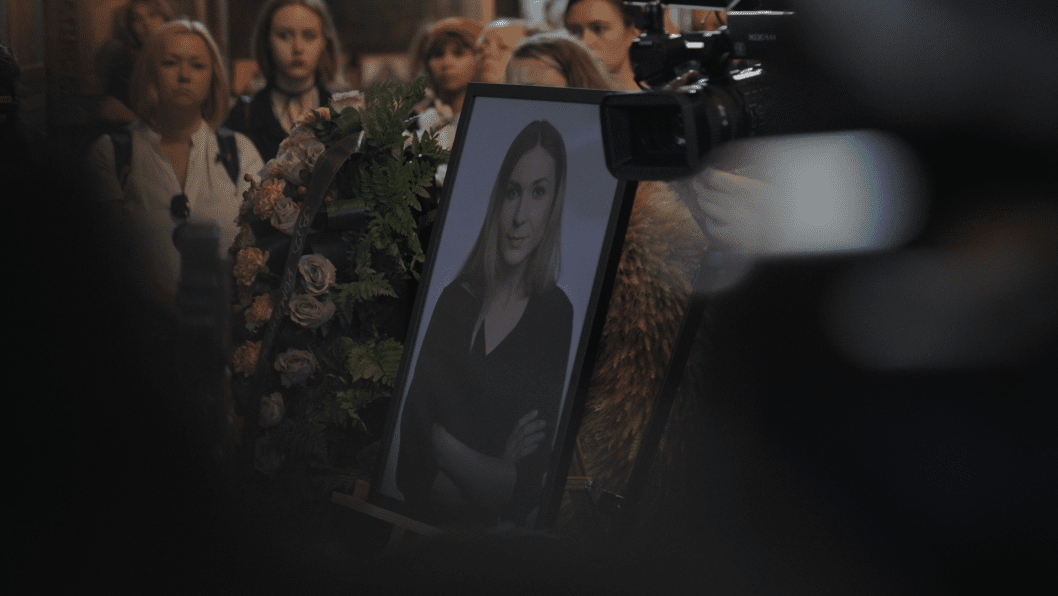
Among them is Ukrainian journalist Viktoria Roshchyna, who went missing in 2023 while investigating detention sites for abducted Ukrainians. Her body, bearing signs of torture, was returned in late 2024.
Scale of abductions and persecution
In Melitopol and surrounding areas alone, 358 people have been abducted since 2022—11 in the last six months, Vazhnyye Istorii reported. Of those, 144 remain in captivity, and only 31 have reached trial. Human rights groups estimate that between 7,000 and 16,000 people have been abducted from occupied territories, with about 1,800 confirmed to be held in Russia.
Those detained are often held incommunicado, denied access to lawyers or contact with their families. Russia refuses to provide information about detainees or allow international organizations access to them.
Civilian exchanges
According to Vazhnyye Istorii, citing Ukraine’s Ombudsman Dmytro Lubinets, 6,235 Ukrainians have been returned since the start of the full-scale invasion, but only 372 were civilians. Of these, 120 were prisoners deported from Ukraine before 2022. Excluding them, only one civilian is exchanged for every 23 military personnel.
Earlier, in the first half of 2025, Russian courts issued a record 224 convictions on charges of state treason, espionage, and collaboration with foreign states—the highest number recorded in the country’s modern history.
Discuss this article:


-c439b7bd9030ecf9d5a4287dc361ba31.jpg "Photo of Katherina Popilnichenko")
-111f0e5095e02c02446ffed57bfb0ab1.jpeg "Photo of Roman Kohanets")
-72b63a4e0c8c475ad81fe3eed3f63729.jpeg "Photo of Cyril Barabaltchouk")