- Category
- Latest news
Russia Starts Selling Off Its Gold Reserves to Fund the War Budget, Breaking a Long-Held Taboo
 Prefer U24 Media on Google
- Authors


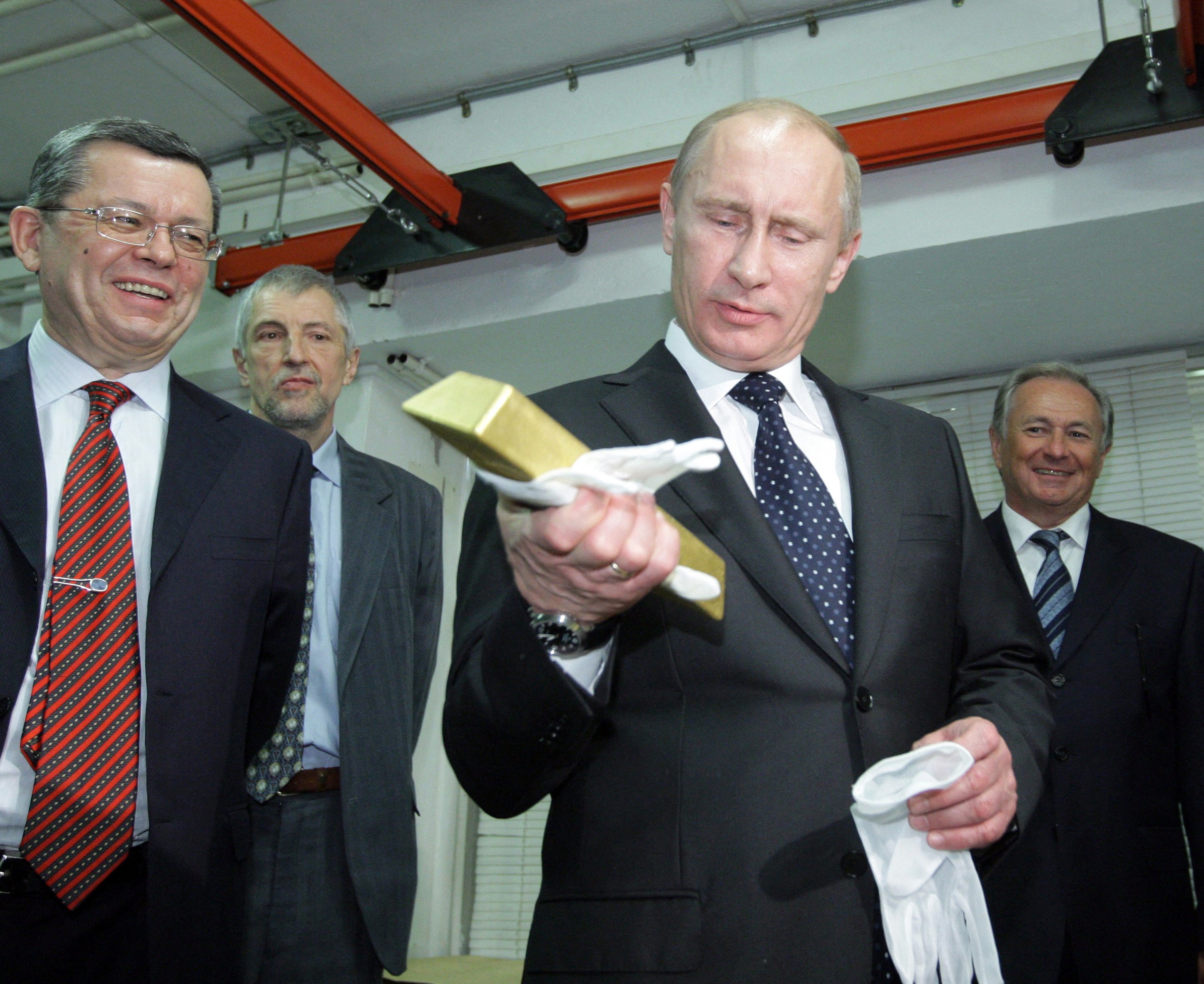
Russia has begun selling physical gold from its reserves for the first time to help cover widening budget needs, the country’s Central Bank confirmed to Russian media outlet Interfax on November 20.
The move marks a significant shift in how Moscow is tapping its financial buffers to sustain government spending during the war against Ukraine.
According to the Central Bank’s press office, the regulator has started “mirroring” the Finance Ministry’s transactions within the National Wealth Fund—specifically, sales of state-held bullion. Until recently, these operations were mostly accounting maneuvers: the government would “sell” gold from the sovereign fund directly to the Central Bank, meaning the bars never left national reserves and the metal effectively moved only on paper.
-ed051fb1853bcb98ed81f53fa31bd834.png)
Now, the Russian Central Bank is conducting real sales of physical bullion on the domestic market, similar to the way it already trades Chinese yuan assets from the fund. The regulator did not say when the gold sales began or how much metal has been released so far.
The National Wealth Fund held 405.7 metric tons of gold before the full-scale invasion of Ukraine. Since then, the Finance Ministry has liquidated around 57% of that stash—about 232.6 tons—to shore up the budget.
As of November 1, 2025, the fund’s gold holdings have fallen to 173.1 tons. Combined liquid assets, including yuan holdings, have dropped from $113.5 billion before the war to just $51.6 billion today. As a share of Russia’s GDP, unspent reserves have shrunk fourfold.
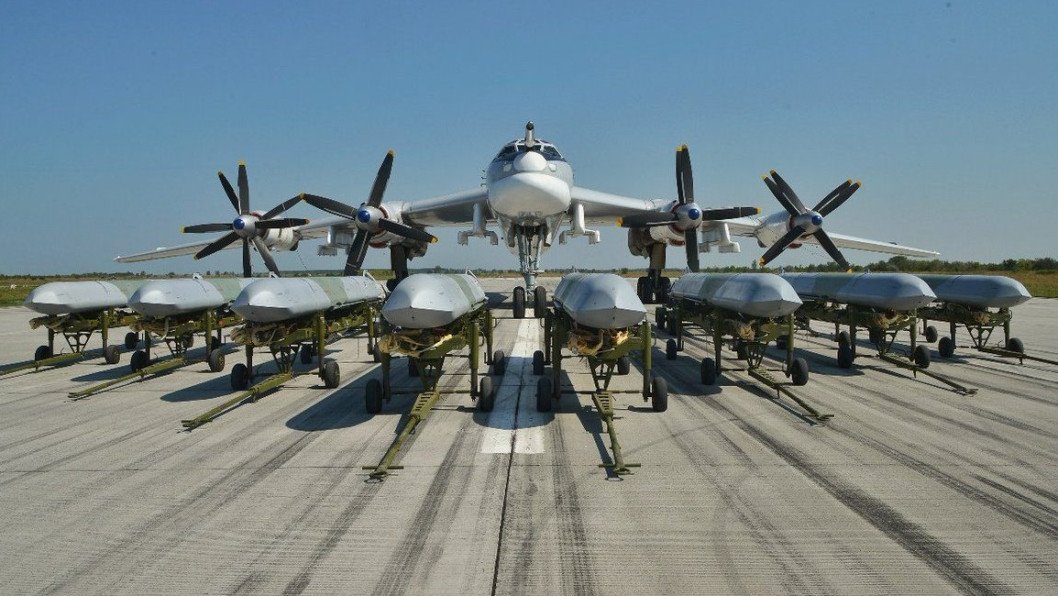
Economists say the new “mirror” operations serve a broader goal: injecting foreign currency into the domestic market to stabilize the ruble. Vladimir Chernov, an analyst at Freedom Finance Global, noted that similar transactions involving yuan have amounted to roughly $30 billion this year, with another $15 billion expected in 2026.
Russia currently maintains more than 2,300 tons of gold in total national reserves—the fifth-largest stockpile in the world—but the new sales underline how heavily the Kremlin now leans on its sovereign buffers to keep its wartime economy afloat.
Earlier, Russia’s federal revenues from oil and gas collapsed, dropping 27% year over year as sanctions tightened, global crude prices softened, and the ruble regained strength.
Discuss this article:
-4a56a6b482ec132402c16ef6fcabf9a2.png)


-c439b7bd9030ecf9d5a4287dc361ba31.jpg "Photo of Katherina Popilnichenko")