- Category
- Latest news
Russia Uses Border Raids as “Cognitive Warfare” to Shape Peace Talks, ISW Warns
 Prefer U24 Media on Google
- Authors




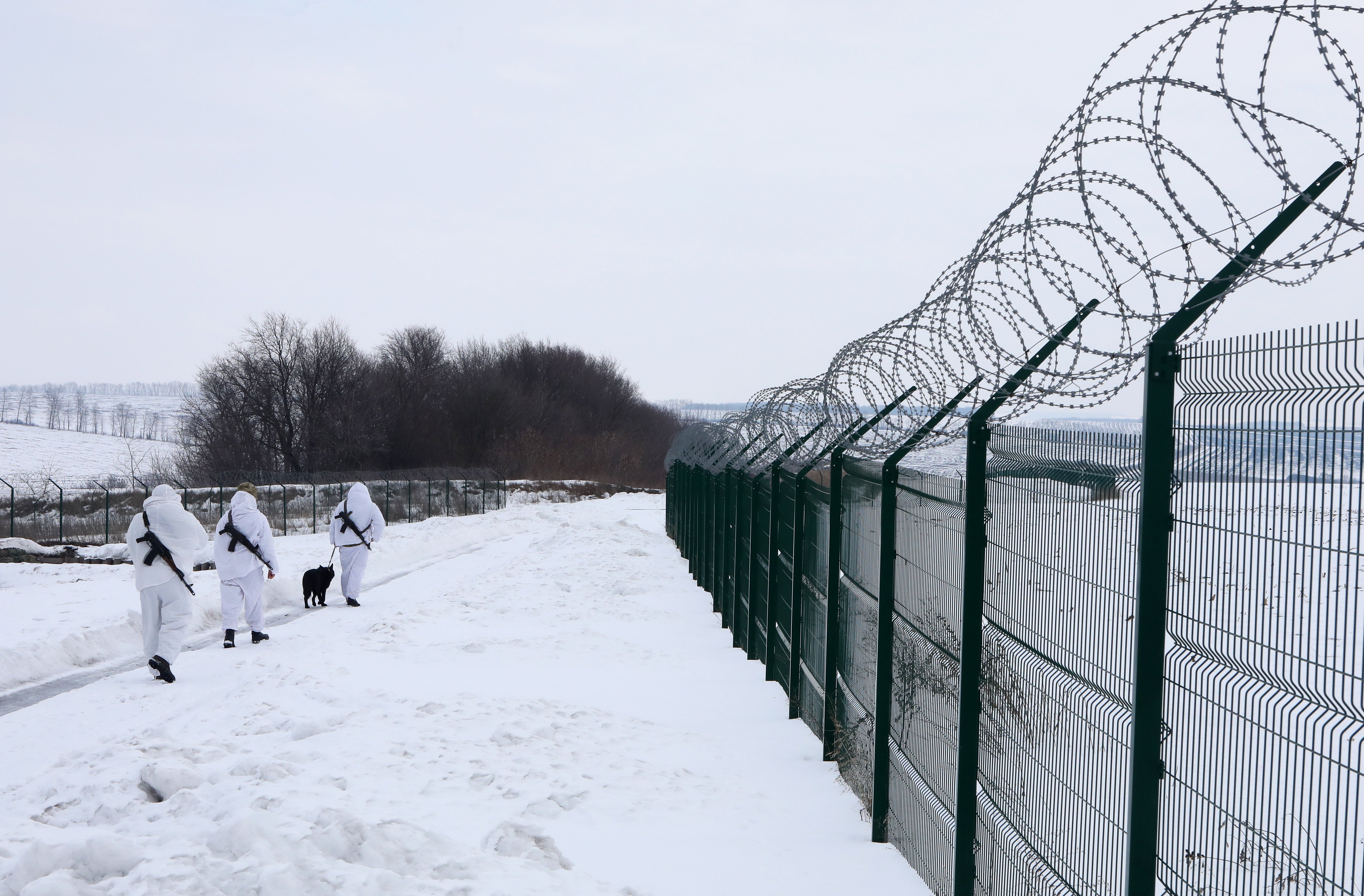
Russian forces are conducting what analysts describe as a “new cognitive warfare campaign” by launching limited cross-border attacks in Ukraine’s Sumy and Kharkiv regions, likely aimed at shaping Western perceptions during ongoing peace negotiations rather than achieving battlefield gains, according to a new assessment by the Institute for the Study of War (ISW) published on December 21.
We bring you stories from the ground. Your support keeps our team in the field.
In its report, the Washington-based think tank examined recent Russian activity near the village of Hrabovske in the Sumy region and Sotnytskyi Kozachok in the Kharkiv region, concluding that the operations appear designed to amplify an information effect rather than signal a genuine escalation.
“The Kremlin likely intends to portray these limited cross-border attacks on small border villages in inactive areas of the international border as part of a new large-scale Russian offensive,” ISW analysts wrote. The goal, they said, is to reinforce a false narrative that Ukraine’s front lines are collapsing across the entire theater of war.
Russian forces entered the village "Hrabovske" in the Sumy region and abducted around 50 civilians, most of them elderly women. Ukraine's Foreign Minister, Andrii Sybiha made following statement:
— (((Tendar))) (@Tendar) December 21, 2025
"We demand our civilian hostages to be returned home. These fifty people and… pic.twitter.com/ZUlDycDIKx
ISW stressed that, based on current indicators, Ukraine’s defensive lines are not facing imminent collapse and that a Russian victory is far from inevitable.
“Russian forces have not set conditions for launching a new offensive across the international border in northern Ukraine,” the report states. “ISW has observed no evidence that Russian forces are preparing for or capable of conducting a significant cross-border offensive operation.”
According to the analysis, large portions of the border areas in Sumy and Kharkiv regions—including the Hrabovske sector—have remained relatively quiet since late summer 2025. The front line near Sotnytskyi Kozachok, ISW noted, has been largely static since the summer of 2024.
Russian forces resumed offensive operations in northern Sumy region for the first time since late summer 2025 fighting near Demydivka in Belgorod region, though the scale of renewed activity remains unclear, ISW reported. pic.twitter.com/AThh87clHl
— WarTranslated (@wartranslated) December 21, 2025
ISW warned that Moscow may continue to stage additional small-scale attacks in the coming days or weeks as part of this broader cognitive warfare effort, particularly to influence diplomatic dynamics. Russian officials and state media, the analysts added, are likely to exaggerate such incidents by framing them as evidence of a renewed Russian offensive.
Commenting on the narrative battle, former US congresswoman Tulsi Gabbard described such claims as “lies and propaganda” by “warmongers” seeking to “undermine President Trump’s relentless efforts to end this bloody war.”
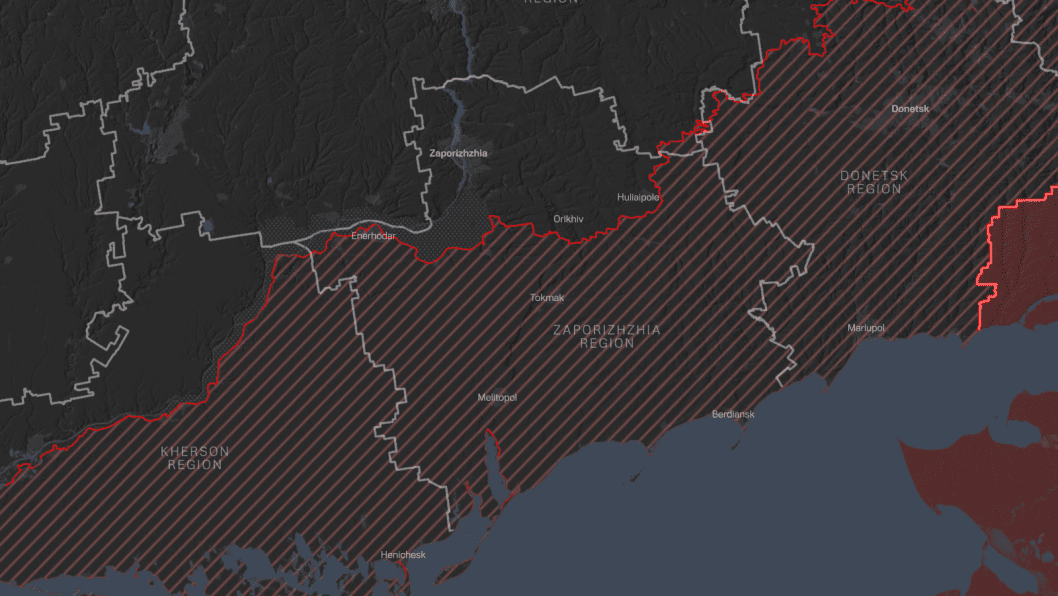
ISW emphasized, however, that isolated tactical engagements and intensified information messaging do not amount to a real large-scale ground offensive.
“The primary purpose of these tactical attacks is to generate an information effect rather than to seize territory as part of a broader operation,” the analysts concluded.
The think tank cautioned that its assessment would change if Russia began redeploying or reinforcing units under its Northern Group of Forces—a development ISW says has not occurred so far.
-c42261175cd1ec4a358bec039722d44f.jpg)
On the ground, Ukrainian forces continue to resist. Earlier this week, the State Border Guard Service of Ukraine’s “Strix” drone unit reported disrupting a Russian assault near Sotnytskyi Kozachok. Separately, Ukraine’s Joint Forces Command said on December 21 that fighting is ongoing near Hrabovske as Ukrainian troops attempt to push Russian forces out of the area.
“At the same time, despite some reports circulating in the media space, Russian forces are currently absent from the neighboring settlement of Riasne,” Ukrainian military officials said.
Earlier, Russian forces forcibly detained and deported about 50 Ukrainian civilians from the village of Hrabovske in Ukraine’s eastern Sumy region.
Discuss this article:


-72b63a4e0c8c475ad81fe3eed3f63729.jpeg "Photo of Cyril Barabaltchouk")
-c439b7bd9030ecf9d5a4287dc361ba31.jpg "Photo of Katherina Popilnichenko")

-190980de852660335650f69af6d832a6.jpg "Ukrainian servicewoman Kateryna “Ptashka” Polishchuk receives Lord Ashcroft Award for Courage in Warsaw, Poland. (Source: Ministry of Foreign Affairs)")
