- Category
- Latest news
Russian Corporate Losses Hit Record $97 Billion Amid Economic Stagnation and Sanctions
 Prefer U24 Media on Google
- Authors

-c439b7bd9030ecf9d5a4287dc361ba31.jpg "Photo of Katherina Popilnichenko")
Russian corporations have recorded an unprecedented surge in financial losses as of late 2025. Between January and November, 18,200 organizations reported total losses of 7.5 trillion rubles (approximately $78.2 billion), according to The Moscow Times on February 13.
We bring you stories from the ground. Your support keeps our team in the field.
This figure marks a historic record, surpassing the $73 billion lost in 2024 and nearly doubling the $41.7 billion recorded in 2023. Furthermore, the proportion of unprofitable companies has climbed to 28.8%, representing the highest rate since the pandemic-driven disruptions of 2020.
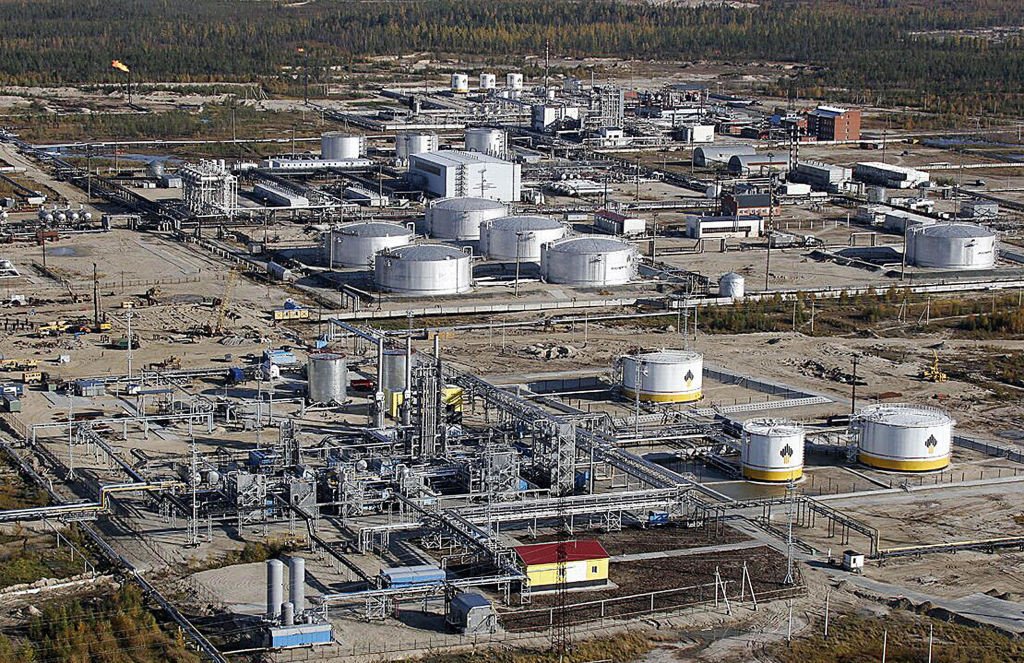
The highest losses are concentrated in manufacturing—specifically oil refining and metallurgy—as well as wholesale trade and mineral extraction, including coal, oil, and natural gas. Challenges also persist for developers, transport engineering, and light industry, according to Moscow Times.

A primary factor in these figures is the slowing of the economy. “A large role in the growth of the number of loss-making companies was played by the slowing of the economy: if in 2024 GDP grew by 4.3%, then in 2025, by 1%,” commented Natalia Milchakova, lead analyst at Freedom Finance Global.
Economist Akhmed Yusupov noted that mineral extraction is affected by sanctions and a stronger ruble, impacting exporters. In the trade sector, Milchakova observed that high inflation “led to a reduction in consumer demand, especially in the first half of 2025.”
“Mass unprofitability of enterprises is fraught with the deepening of the sectoral decline, an increase in the number of defaults on debt obligations, and even bankruptcies. Against this backdrop, the quality of products may deteriorate, and their competitiveness may decrease both on the domestic and on foreign markets,” Milchakova stated.
The decline in profit tax revenues also limits regional budgets. Consequently, authorities are left with “fewer resources for the financing of national projects and social obligations, investments in the construction and repair of infrastructure, as well as the development of healthcare and education,” the expert concluded.
Earlier, it was reported that the Russian federal budget deficit had climbed to $63 billion, surpassing the peak set during the 2020 pandemic.
Although there have been attempts to limit outlays, government spending continues at record levels, driving up inflation and necessitating higher taxes. Ukrainian intelligence reports suggest that Russia is entering an extended phase of economic instability.
Discuss this article:
-ee9506acb4a74005a41b4b58a1fc4910.webp)