- Category
- Latest news
Russian Firms May Begin Large-Scale Layoffs This Summer Amid Economic Pressure
 Prefer U24 Media on Google
- Authors


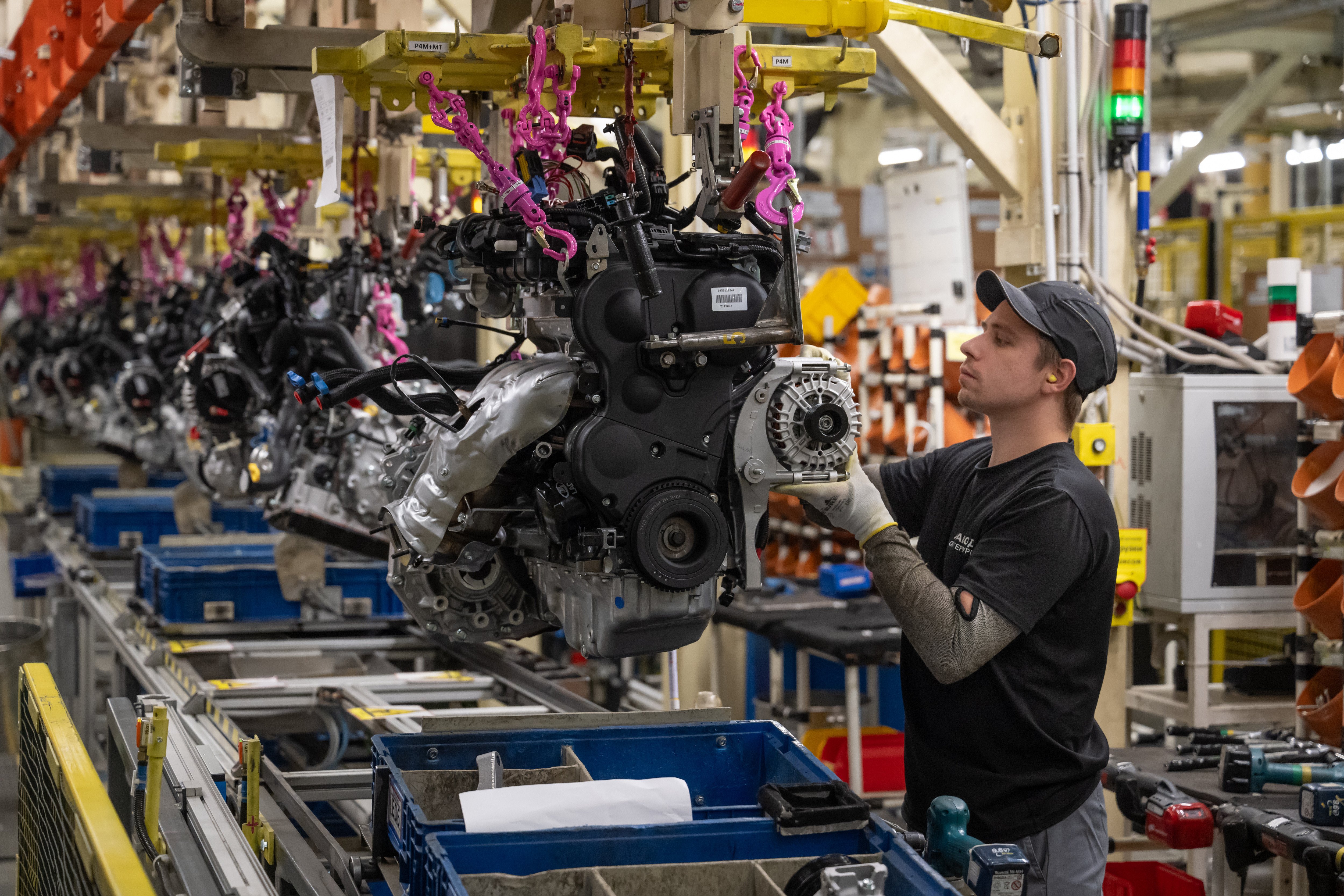
A significant number of state-owned and private enterprises in Russia may begin large-scale staff reductions as early as this summer, as reported by Ukraine’s Foreign Intelligence Service on April 26.
Labor market analysts warn that growing financial strain on businesses is driving the trend. According to the service, key factors include rising tax burdens, limited access to credit due to high interest rates, and declining company revenues amid weakening consumer purchasing power and a broader economic slowdown.
We bring you stories from the ground. Your support keeps our team in the field.
“At present, some employers are trying to avoid mass layoffs by reducing the workweek to three or four days. However, such measures are temporary and cannot offset deeper structural problems,” the statement read.
Without signs of economic recovery, businesses are likely to resort to more drastic steps, including workforce cuts.
Seasonal factors may further accelerate the situation, the servuce noted. A typical slowdown in business activity during the summer months is expected to intensify pressure across multiple sectors, increasing the risk of rising unemployment in Russia in the near term.
-0a5cbbb9c4bbf50b0374bd541b58ba00.jpg)
Against this backdrop of mounting economic pressure, the Kremlin is also considering additional fiscal measures targeting large businesses. According to Ukraine’s Foreign Intelligence Service on April 19, Russia is preparing to introduce a new windfall tax as it seeks to offset the financial strain caused by its war against Ukraine.
While some oligarchs had previously proposed voluntary contributions to support the state budget, authorities are now moving toward a compulsory “excess profits tax” on major companies.
The proposed measure would be based on companies’ financial performance in 2025, with the rate potentially reaching up to 20%, twice as high as the levy introduced in 2023. The tax would apply to profits exceeding the average levels recorded between 2018 and 2019, which also served as the benchmark for earlier windfall taxes covering 2021–2022.
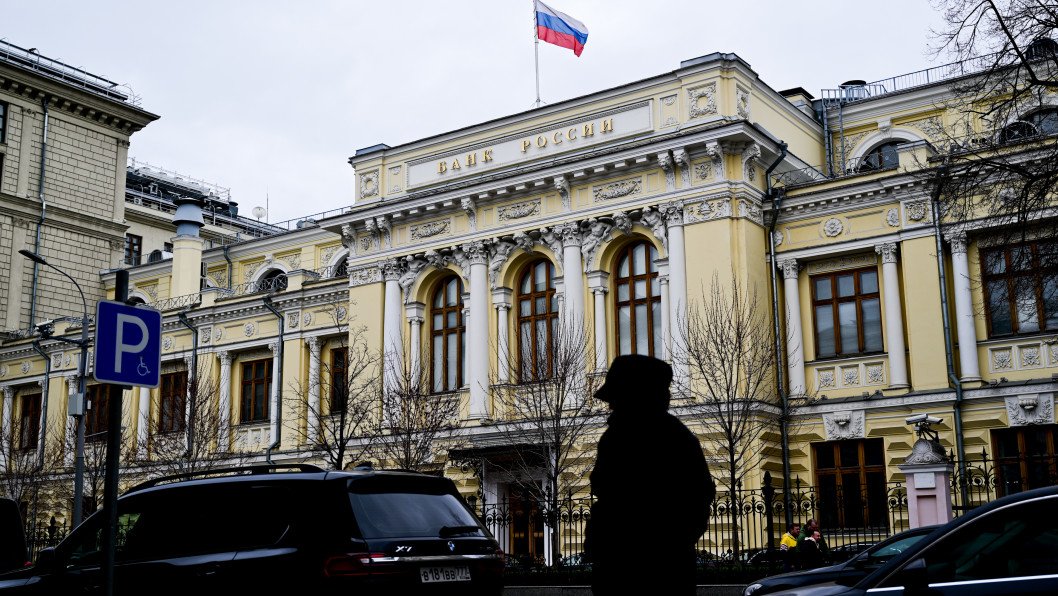
“The previous windfall tax brought approximately 318.8 billion rubles into the Russian budget. At the same time, oil, gas, and coal companies were exempt from paying it, with the main burden falling on enterprises involved in mining ores, rare metals and phosphorites, as well as the production of pig iron, rolled steel, pipes, non-ferrous metals, and businesses operating in the trade sector,” the statement read.
The mounting economic pressure is also evident in proposals from Russian business elites, who are advocating for harsher labor measures.
Russian billionaire Oleg Deripaska has called for the introduction of a 12-hour, six-day work week as a way to accelerate the country’s economic restructuring, The Moscow Times reported on March 30, 2026.
In comments posted on social media, Deripaska argued that Russia is operating under limited resources and that overcoming the current crisis will require a sharp increase in labor intensity. He proposed an “8-to-8” schedule—from 8 a.m. to 8 p.m., including Saturdays—stating that such steps are necessary for the country’s economic survival.
Discuss this article:
-9a7b3a98ed5c506e0b77a6663f5727c5.png)


-c439b7bd9030ecf9d5a4287dc361ba31.jpg "Photo of Katherina Popilnichenko")