- Category
- Latest news
Russian Forces Use Drones to Plant Explosives on Roads in Ukraine’s Sumy Region
 Prefer U24 Media on Google
- Authors


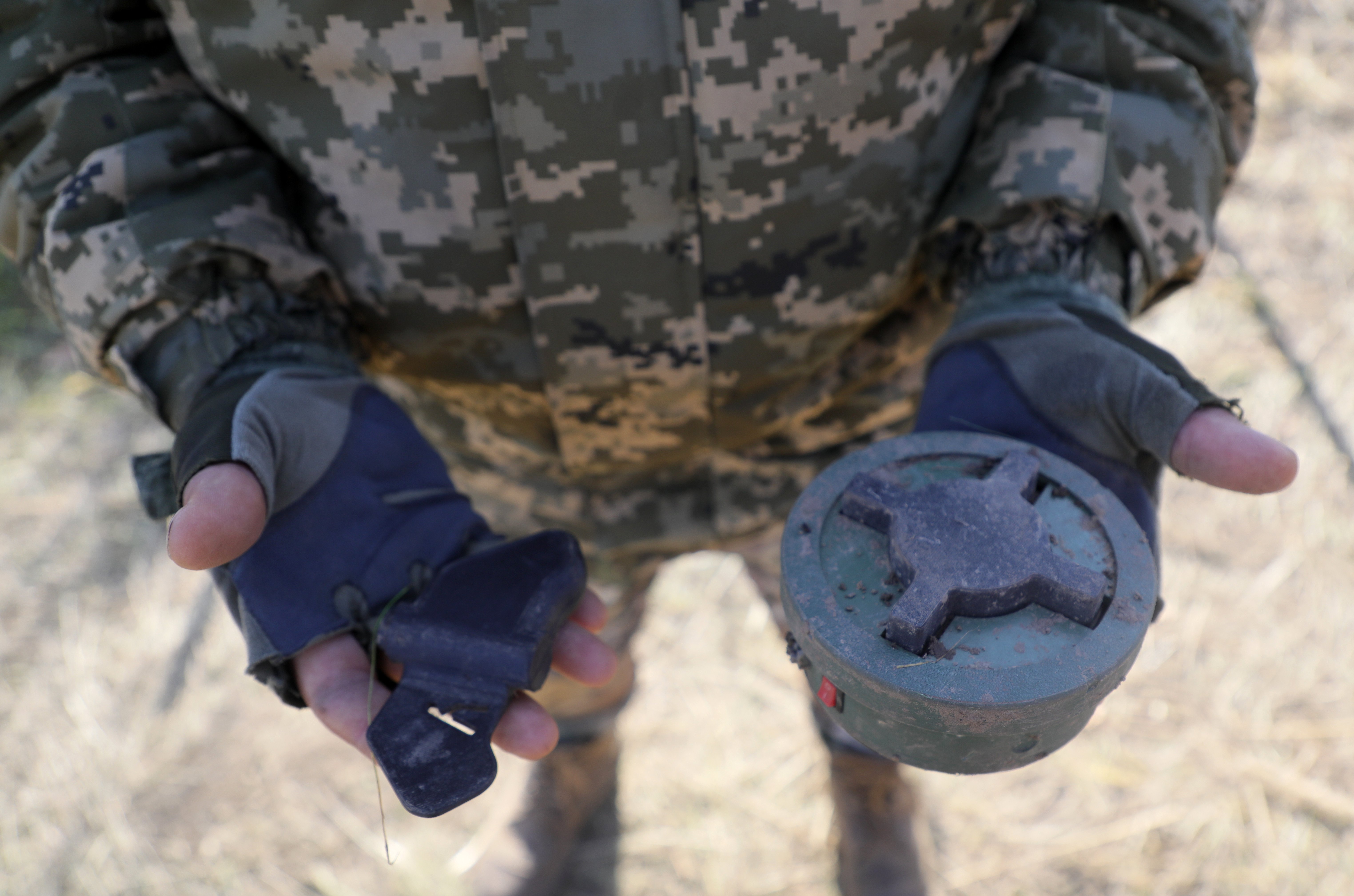
Russian troops are using drones to remotely plant explosive devices on roads in Ukraine’s Sumy region, dropping small bags from the air, local authorities said.
This was reported by by Oleh Hryhorov, head of the Sumy Regional Military Administration on January 26.
We bring you stories from the ground. Your support keeps our team in the field.
According to him the devices are concealed in light-colored bags and can detonate when pressed or when someone comes close.
Hryhorov said similar cases of drone-based mining have been recorded in areas bordering the Sumy region. He urged residents to remain particularly cautious while traveling on roads, especially near border communities, and to avoid approaching any suspicious objects.
In November 2025, similar tactics have also been recorded in South of Ukraine. Russian forces have again begun dispersing PFM-1 “butterfly” mines across the streets of Kherson, releasing the explosives from drones.
Kherson Regional Administration said the mines are particularly hard to spot due to their small size and distinctive shape, which allows them to blend into grass and fallen leaves. The devices are also highly unstable and may detonate spontaneously or from minimal contact.
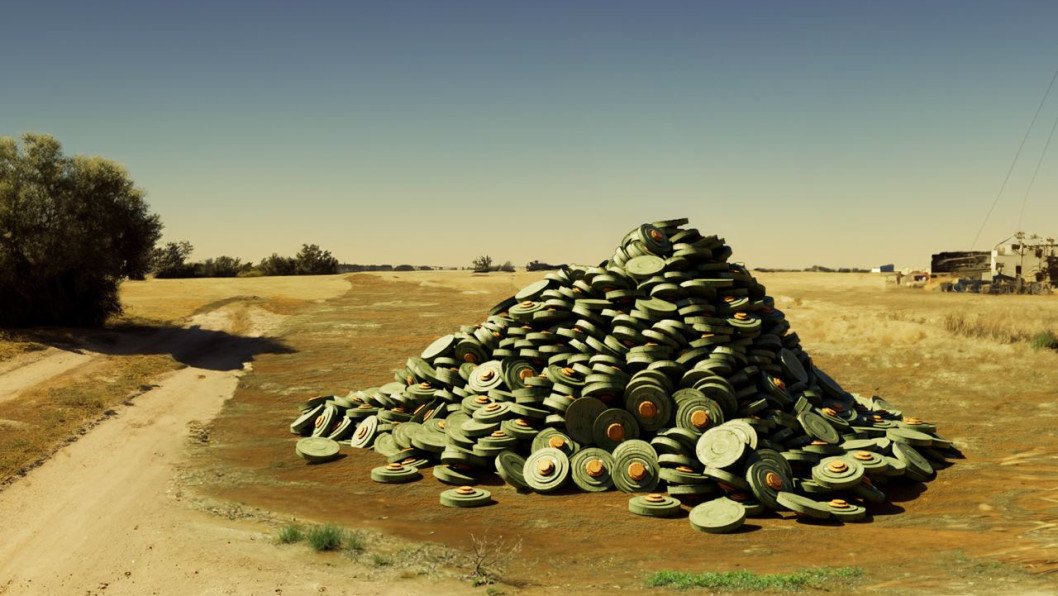
“Therefore, if you encounter a PFM-1 butterfly mine, do not touch it, move it, or try to neutralize it yourself,” the administration warned.
Residents were urged to move to a safe distance, mark the location of the device, and immediately contact emergency services. According to the statement, two ambulances were damaged by Russian “butterfly” mines in Kherson’s Dnipro district.
Additionally, by June 2025, landmines and other explosive remnants of war had contaminated about 139,000 square kilometers of Ukrainian territory—exceeding the size of England, which covers roughly 130,000 square kilometers—according to the Institute for International Political Studies.
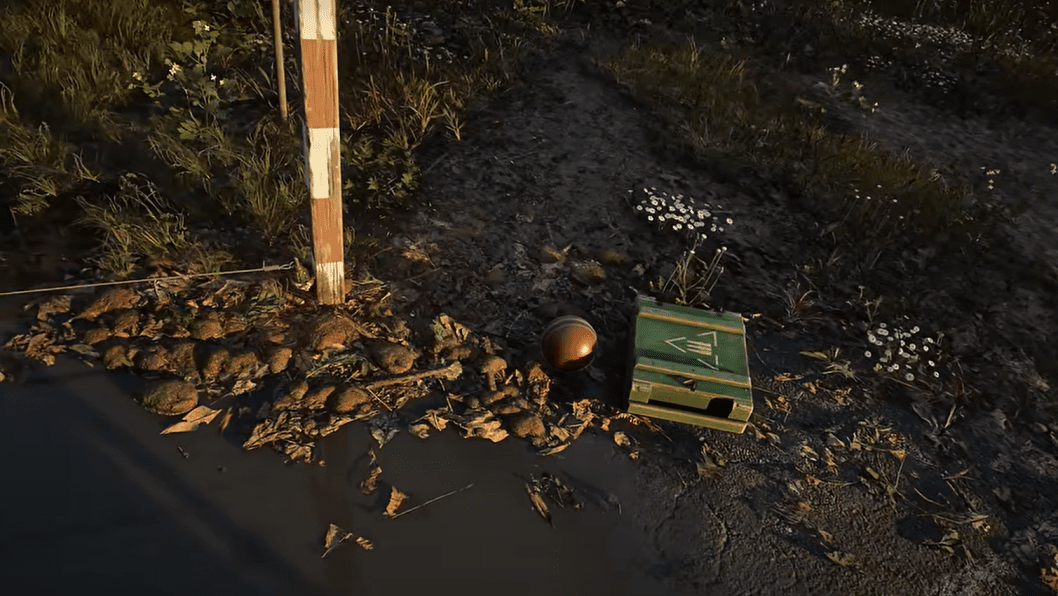
The affected area amounts to nearly one quarter of Ukraine’s territory, making it the most heavily mine-contaminated country in the world since World War II. More than six million people are estimated to live in or near dangerous zones, with the agricultural regions of Kharkiv, Sumy, and Zaporizhzhia among the hardest hit.
Ukraine’s State Emergency Service of Ukraine told The Guardian that since Russia’s full-scale invasion, landmines and unexploded ordnance have killed 359 civilians, including 18 children, and injured nearly 1,000 others.
Earlier, Russian troops kept up attacks on the Sumy region, injuring seven civilians, among them two children.
Shelling was recorded in 36 settlements, with the most intense strikes hitting the Sumy and Shostka districts, leaving civilians wounded and causing damage to residential buildings and vehicles.
Discuss this article:
-9bd5e1532102621f8fb1c4ba871a3171.png)