- Category
- Latest news
Russian FSB Claims It Foiled Plot to Hijack MiG-31K Armed With Kinzhal Missile
 Prefer U24 Media on Google
- Authors


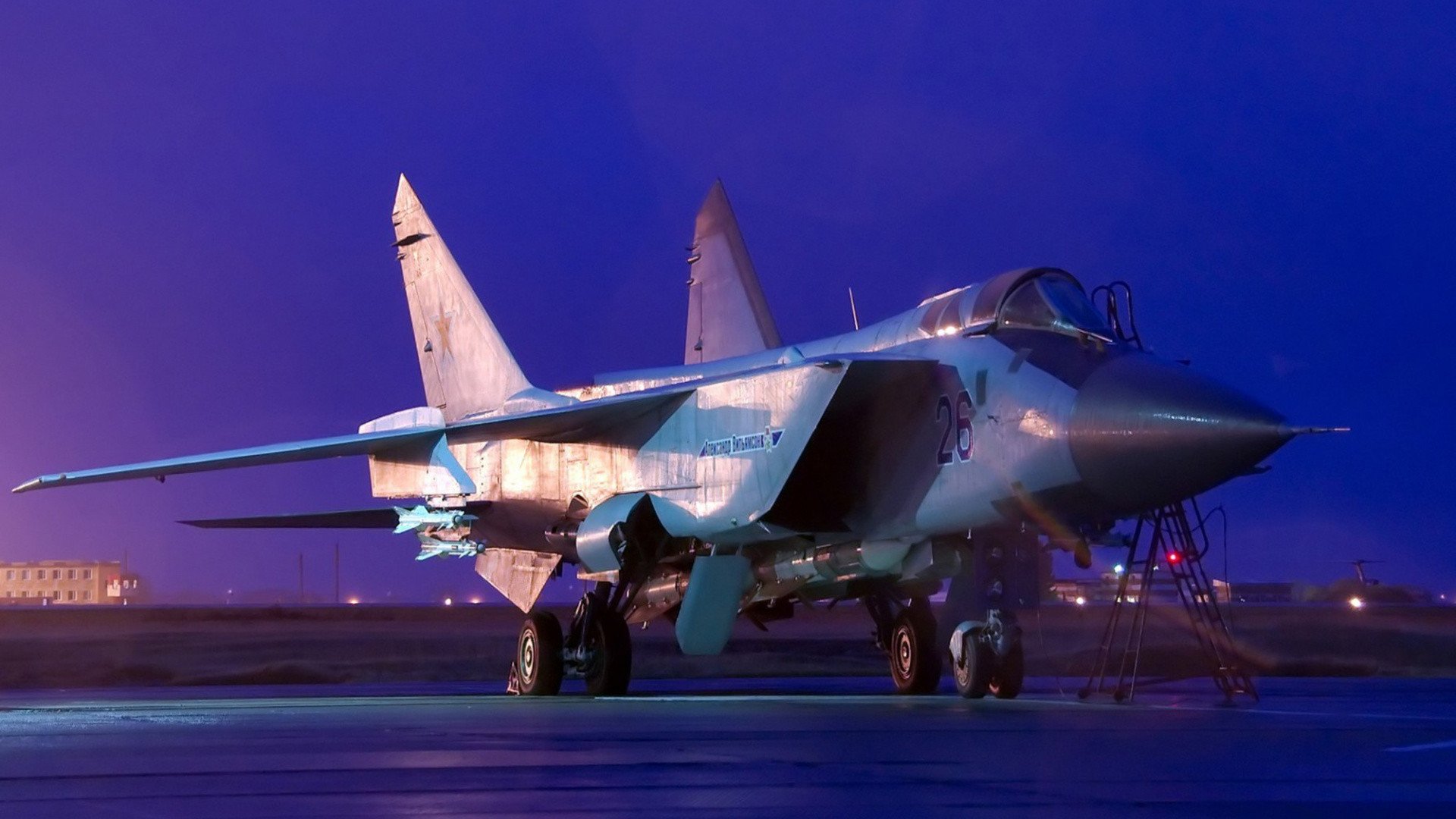
Russian security services said they foiled an alleged Ukrainian operation to recruit pilots and seize a MiG-31K interceptor carrying a Kinzhal aeroballistic missile—a claim Moscow presented as a narrowly averted provocation against NATO, according to Moscow Times, citing Russian state-controlled outlet TASS on November 11.
The Federal Security Service (FSB) said that Ukrainian intelligence officers tried to recruit Russian aircrews by offering cash incentives that initially amounted to $1 million and were reportedly increased to $3 million if the pilots handed over the jet together with its Kinzhal weapon. The FSB also alleges that one of the crew was promised Western citizenship as part of the inducement.
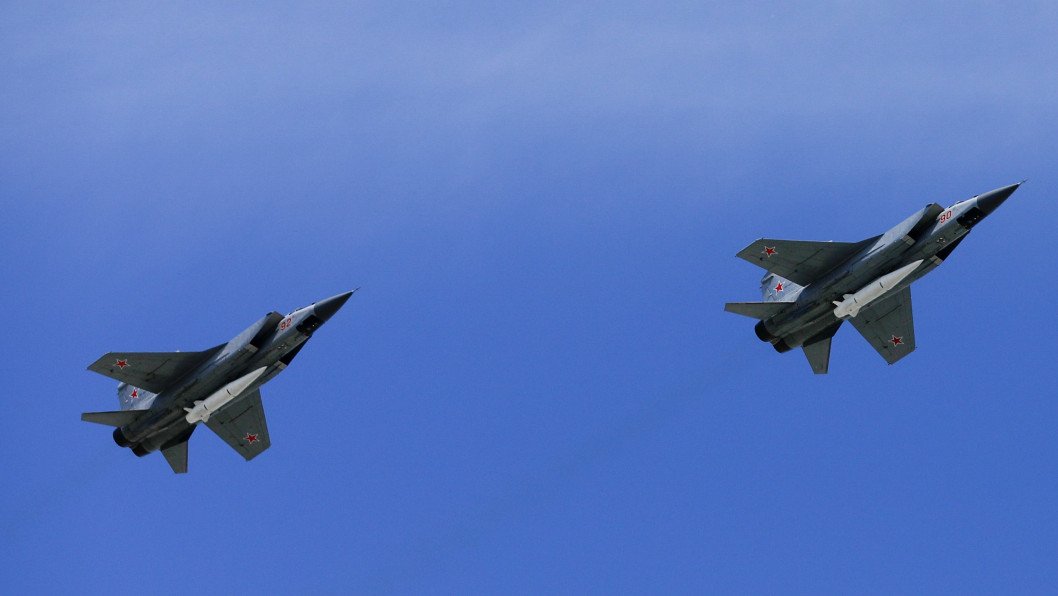
Moscow’s version of events claims the stolen aircraft would have been flown over the Black Sea and then staged to appear to crash near a major NATO air base in Romania—an operation it says was intended to produce a politically explosive “provocation.”
The FSB further asserted that investigators uncovered a plan that involved killing a MiG-31 commander with poison to force the navigator to defect with the jet.
The MiG-31K is a two-seat, supersonic interceptor adapted to carry the Kh-47M2 Kinzhal, a rocket Russia has used in strikes on Ukrainian infrastructure since 2022.
Russian sources describe the Kinzhal as able to be carried to roughly 25 km altitude and released at speeds around 3,000 km/h; published open-source estimates put its strike range at roughly 1,500–2,000 km.
The missile’s conventional variant is reported to carry a heavy, penetrating warhead; analysts note it can also be fitted with a nuclear payload. Each Kinzhal is widely reported to cost about $4.4 million per missile.
The FSB said Western investigative outfit Bellingcat was involved in elements of the plot, naming the group as part of the network Moscow says helped approach the flight commander.
-8ff74eb427048fb43a21b623ab814c0b.png)
“By the measures taken, the plans of Ukrainian and British intelligence to arrange a large-scale provocation have been foiled,” the FSB concluded, according to Russian state reports.
Earlier, Russian authorities claimed to have thwarted a supposed Ukrainian operation involving the alleged hijacking of the Mi-8 helicopter. The Russian Federal Security Service (FSB) stated that it had disrupted the operation, which they said was orchestrated by Ukraine’s Main Intelligence Directorate.
The Ukrainian HUR dismissed claims as a fabrication.
Discuss this article:
-4a56a6b482ec132402c16ef6fcabf9a2.png)