- Category
- Latest news
Russian Missile Strike Hit Ukrainian International Legion Training Camp, New York Times Reports
 Prefer U24 Media on Google
- Authors


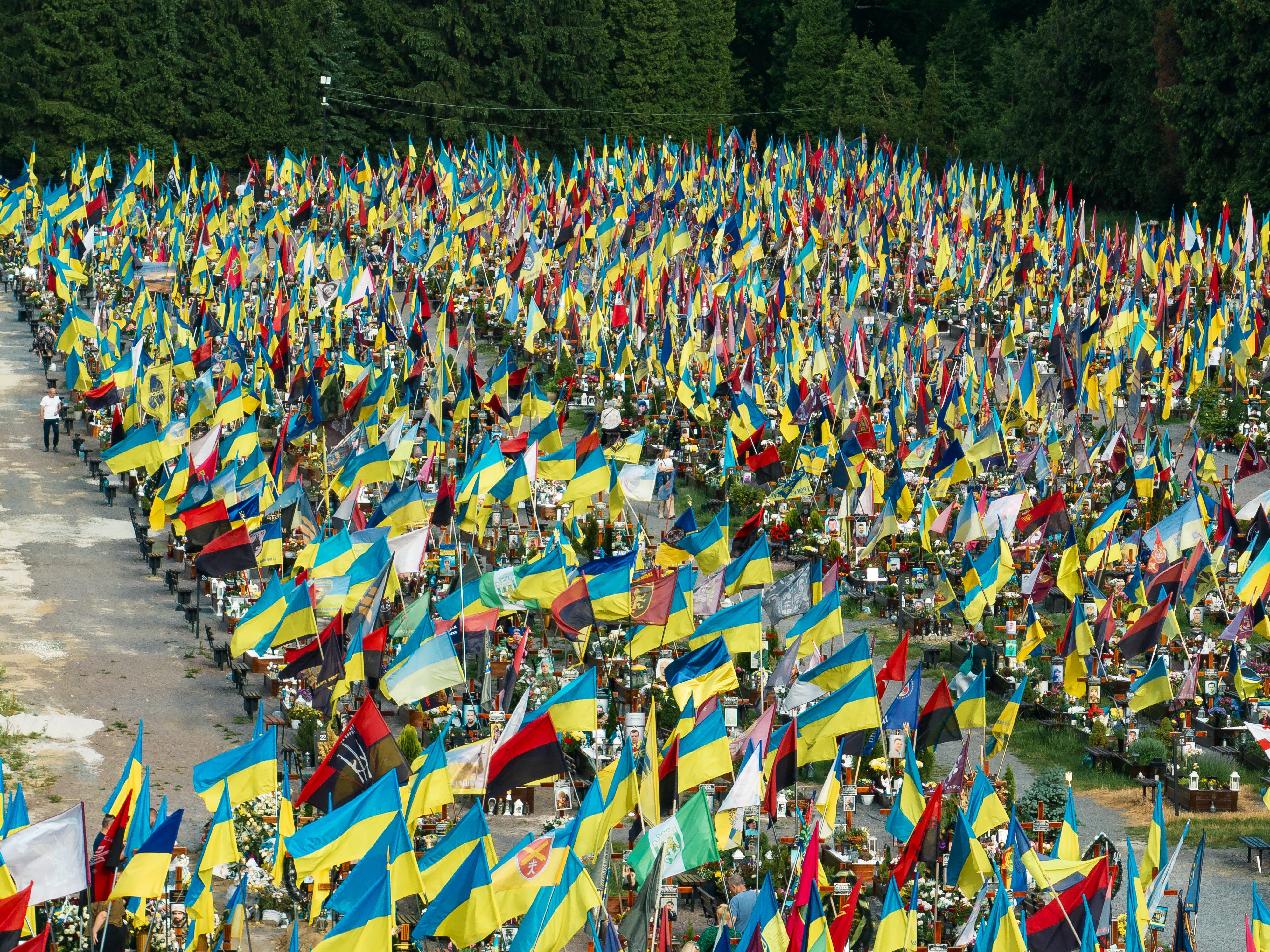
At least a dozen foreign volunteers serving in Ukraine’s military were killed last month when a Russian missile struck a training camp mess hall during lunchtime, in one of the deadliest attacks on international fighters since the war began, according to soldiers familiar with the incident and reported by The New York Times on August 12.
The Ukrainian Army reportedly confirmed the missile attack had caused casualties but declined to provide further details.
Three soldiers, including one eyewitness, described the harrowing assault that hit fresh recruits from the United States, Colombia, Denmark, and other countries.
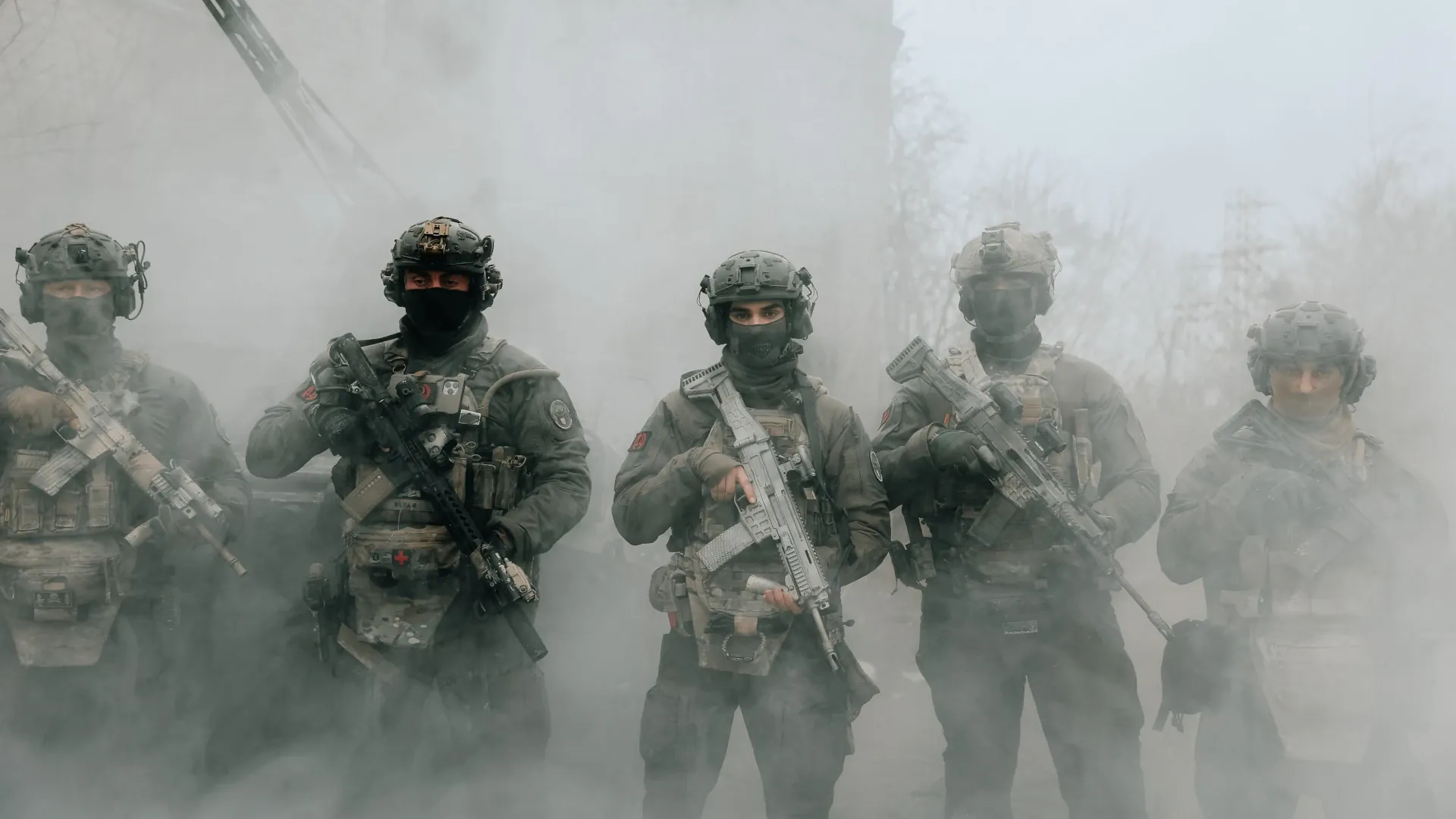
The strike highlighted the persistent dangers Ukraine faces when assembling troops at vulnerable locations such as military academies, barracks, and parade grounds—regular targets of Russian attacks.
Ukraine has increasingly deployed foreign volunteers to strengthen its forces against Russia’s larger and more heavily armed military, which continues daily bombardments even as Russian leader Vladimir Putin prepares to meet with US President Donald Trump in Alaska this Friday to discuss an end to the Russian war against Ukraine.
The missile attack on the camp near the central Ukrainian city of Kropyvnytskyi took place on July 21, timed precisely as recruits were gathered for lunch outdoors, soldiers said.
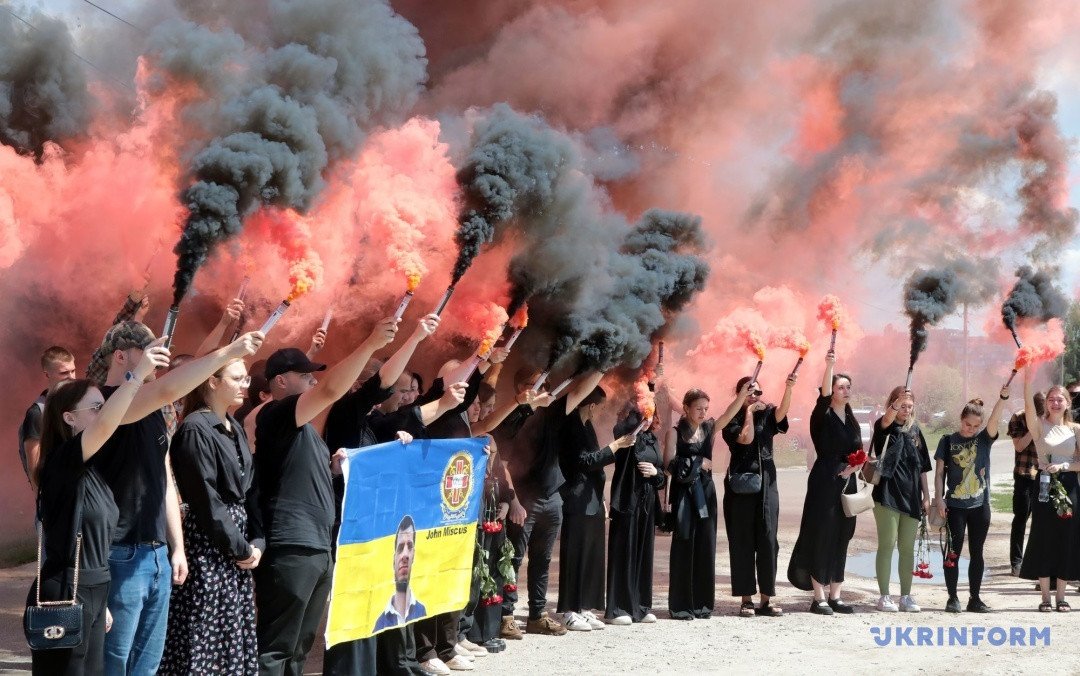
An American recruit from Florida, speaking anonymously, described the explosion as the loudest he had ever heard. In a phone interview with The New York Times, he recalled debris flying around him and the blast shaking nearby trees.
Afterward, he saw at least 15 dead soldiers and more than 100 wounded lying near the mess hall. The strike also ignited a nearby ammunition depot, triggering secondary explosions and sending shrapnel flying, as survivors rushed to aid the injured.
“I applied tourniquets to some gravely wounded soldiers and helped carry them to ambulances, trucks, and private cars racing to hospitals,” the recruit said.
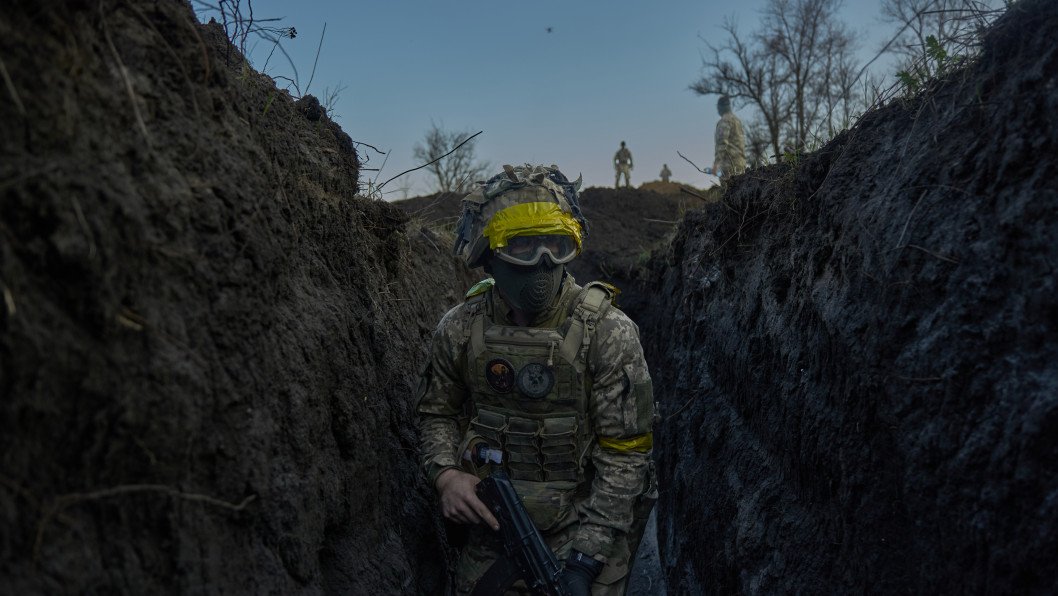
He added that no air raid alarm sounded before the strike, and first aid kits were noticeably absent around the mess hall.
Volodymyr Kaminskyi, a spokesman for the international legion of the Ukrainian military intelligence agency—which oversees the site—said an investigation was underway but declined to reveal casualty figures while it continued, The New York Times noted.
Foreign volunteers serve in both regular Ukrainian Army units and two international legions, one under the army and the other under military intelligence (HUR).
-513811ca56e3ac81269697b10a3df64f.jpg)
Early in the war, veterans from the US conflicts in Iraq and Afghanistan joined Ukrainian forces inspired by their staunch resistance.
More recently, many recruits have come from South America, drawn by salaries much higher than those at home despite the risks of frontline combat.
Foreign soldiers earn base pay between $1,000 and $1,750 per month, with combat bonuses that can push total earnings above $3,000 monthly. Russia has also recruited foreign fighters, including thousands from North Korea.
-41ec8e967c06e15bb05586dc83d0dff3.png)
Ukrainian soldiers have also been victims of strikes on training facilities. Recently, Russian troops launched a missile strike on the territory of one of the training units of the Ukrainian Armed Forces' Ground Forces.
One person is known to have died, and 11 were wounded to varying degrees. Another 12 soldiers sought medical help with complaints of acoustic trauma and acute stress.
Such attacks on assembled troops have raised concerns and calls for investigations into whether soldiers were placed at unnecessary risk.
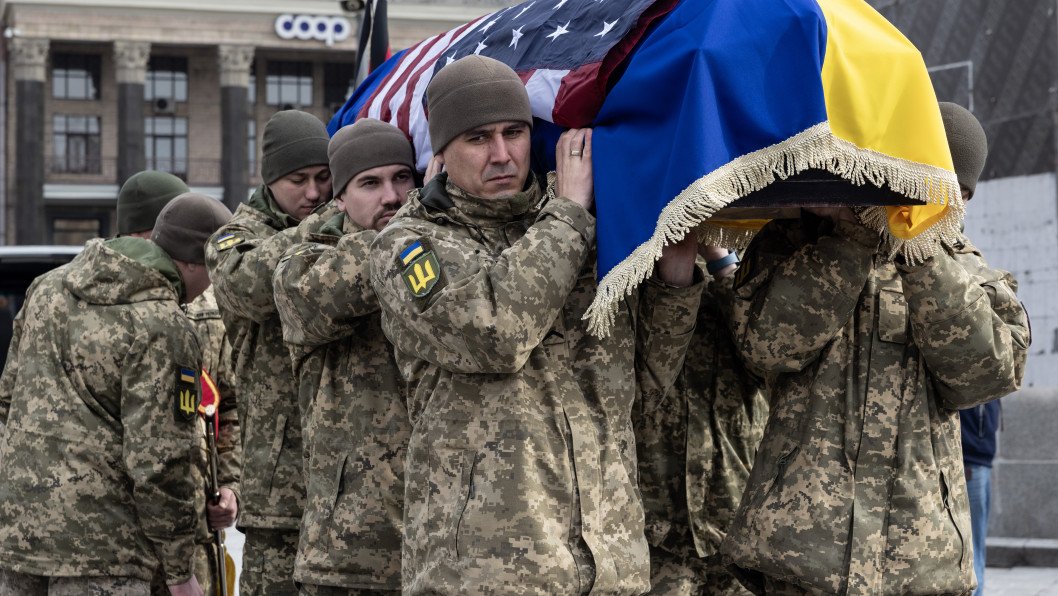
The American recruit from Florida had been at the base less than a week and had not yet been issued a rifle when the strike occurred. He said he had felt safe at the camp, set amid sunflower fields and forests.
“I accepted the risks of joining Ukraine’s military out of a desire to support a struggling democracy, but I never expected people to be killed during training,” he said.
Earlier, the Commander-in-Chief of the Armed Forces of Ukraine, Oleksandr Syrskyi, called for military training activities to be relocated underground where possible, citing ongoing risks from missile and drone attacks across the country.
Discuss this article:


-111f0e5095e02c02446ffed57bfb0ab1.jpeg "Photo of Roman Kohanets")

-7647a088f8ed2b81f52ab779f3a93cd0.png "Equipment and personal gear belonging to Ukrainian troops from the 425th Separate Assault Regiment “Skelya” are transported on a small wagon through an underground gas pipeline near Kupiansk. (Source: 425th Separate Assault Regiment “Skelya”)")
-72b63a4e0c8c475ad81fe3eed3f63729.jpeg "Photo of Cyril Barabaltchouk")