- Category
- Latest news
Russian Oil Deliveries to Hungary and Slovakia Resume After Ukrainian Attack on Druzhba Pipeline
 Prefer U24 Media on Google
- Authors

-72b63a4e0c8c475ad81fe3eed3f63729.jpeg "Photo of Cyril Barabaltchouk")
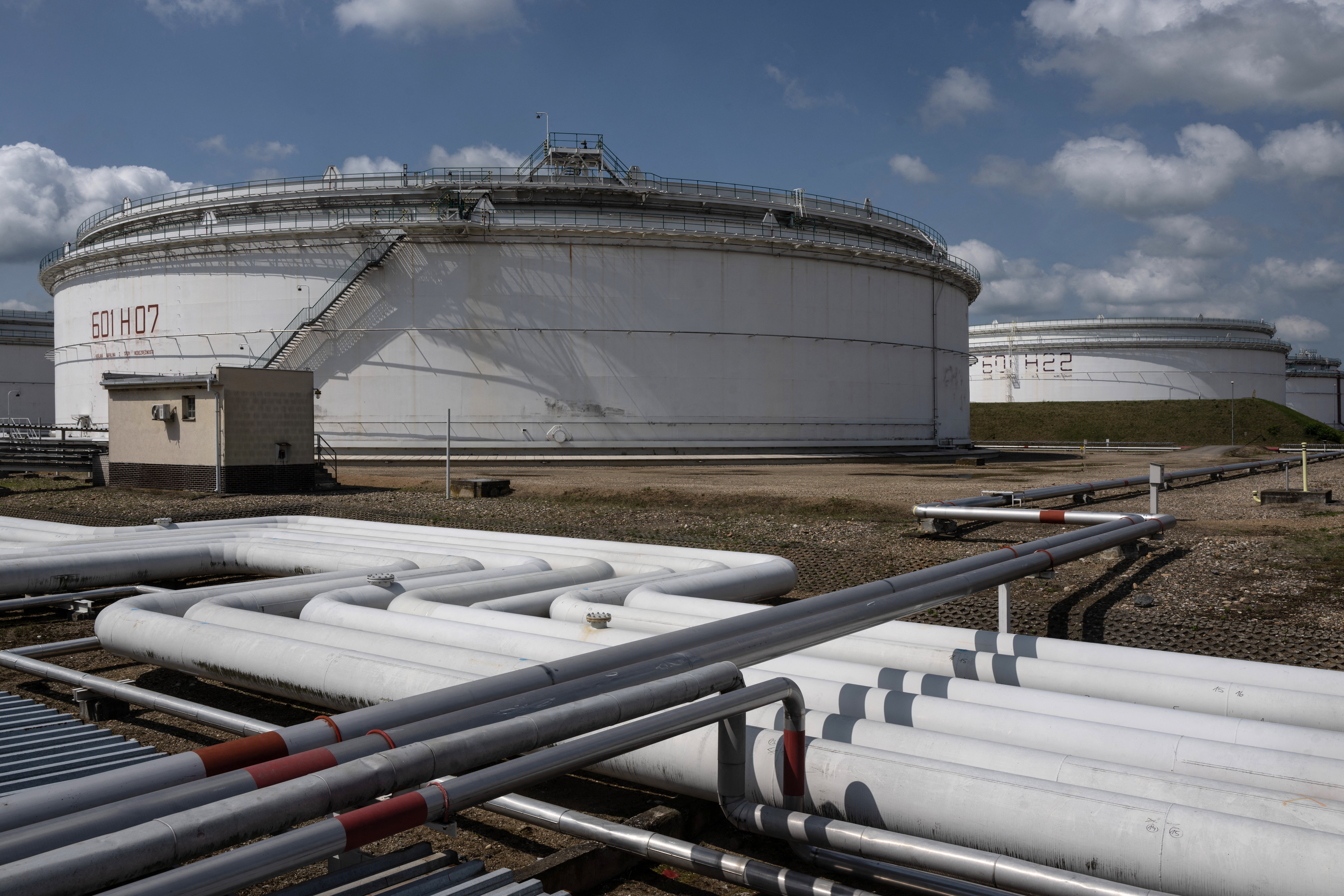
Slovakia and Hungary have restored Russian oil deliveries through the Druzhba pipeline following a temporary shutdown caused by a Ukrainian strike on a pumping station in Russia, according to a DW report on August 20.
The interruption occurred after Ukrainian forces targeted the Nikolskoe station in Russia’s Tambov region on the night of August 18. Slovakia’s Ministry of Economy and Hungarian Foreign Minister Péter Szijjártó confirmed the pipeline had resumed operations by the evening of August 19.
Szijjártó thanked Russian Deputy Energy Minister Pavel Sorokin for the swift restoration and expressed hope that Ukraine would avoid further attacks on the pipeline, calling Russian invasion of Ukraine “not our war.” Slovakia’s Economy Minister Denisa Sakova said oil flows to Slovakia are now “standard” and that any adjustments to the delivery schedule in the coming days are expected to be minimal, given the quick resumption of operations, according to DW.
The strike by Ukrainian forces had fully halted oil transit through Druzhba, an export route supplying Russian crude to Central Europe. The General Staff of Ukraine confirmed the attack, noting it targeted Russian energy infrastructure. Moscow said it was working to restore the transformer substation essential for pipeline operations.
The European Commission said on August 19 that it does not see the temporary shutdown as a threat to EU energy security and continues to coordinate with Hungarian and Slovak authorities.
The Druzhba pipeline stretches roughly 8,900 kilometers and splits in Mozyr, Belarus, into a northern branch, which runs through Belarus, Latvia, Lithuania, Poland, and Germany, and a southern branch, running through Ukraine, Hungary, Slovakia, and the Czech Republic.
Currently, only Hungary and Slovakia receive Russian oil via the southern branch, while the northern branch primarily transports Kazakh oil, which has not been disrupted by the strike, according to Kazakhstan’s Energy Ministry.
This is not the first disruption of the Druzhba pipeline since Russia’s full-scale invasion of Ukraine. In July 2024, Ukraine halted Lukoil’s oil transit over sanctions, sparking protests in Budapest and Bratislava. The pipeline has also faced interruptions from attacks or technical problems, including previous strikes by Ukrainian forces targeting Russian infrastructure, DW reported.
Previously, it was stated that Russian oil refining capacity has fallen by more than 13 percent in August following a series of Ukrainian drone strikes on key facilities, leaving several major plants offline.
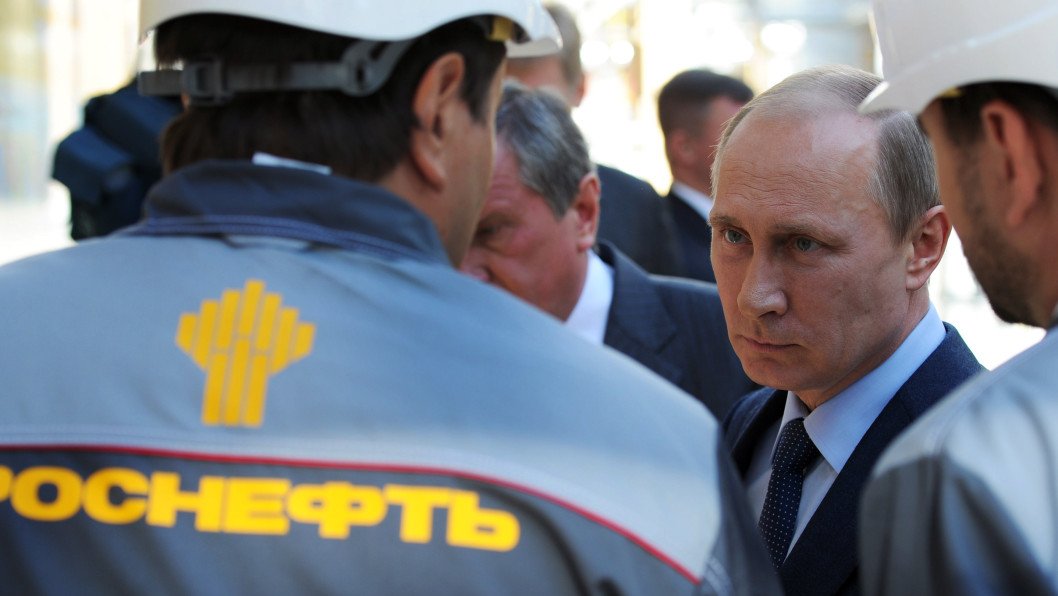
According to The Moscow Times, drone attacks forced at least four large refineries to halt operations in the past three weeks. Rosneft’s Novokuibyshevsk refinery, with an annual capacity of 8.3 million tons, was shut down.
Discuss this article:



-c439b7bd9030ecf9d5a4287dc361ba31.jpg "Photo of Katherina Popilnichenko")