- Category
- Latest news
Russian Real-Time Guided Drones Destroy Home of Ukrainian EW Expert “Flash,” Photos
 Prefer U24 Media on Google
- Authors

-72b63a4e0c8c475ad81fe3eed3f63729.jpeg "Photo of Cyril Barabaltchouk")
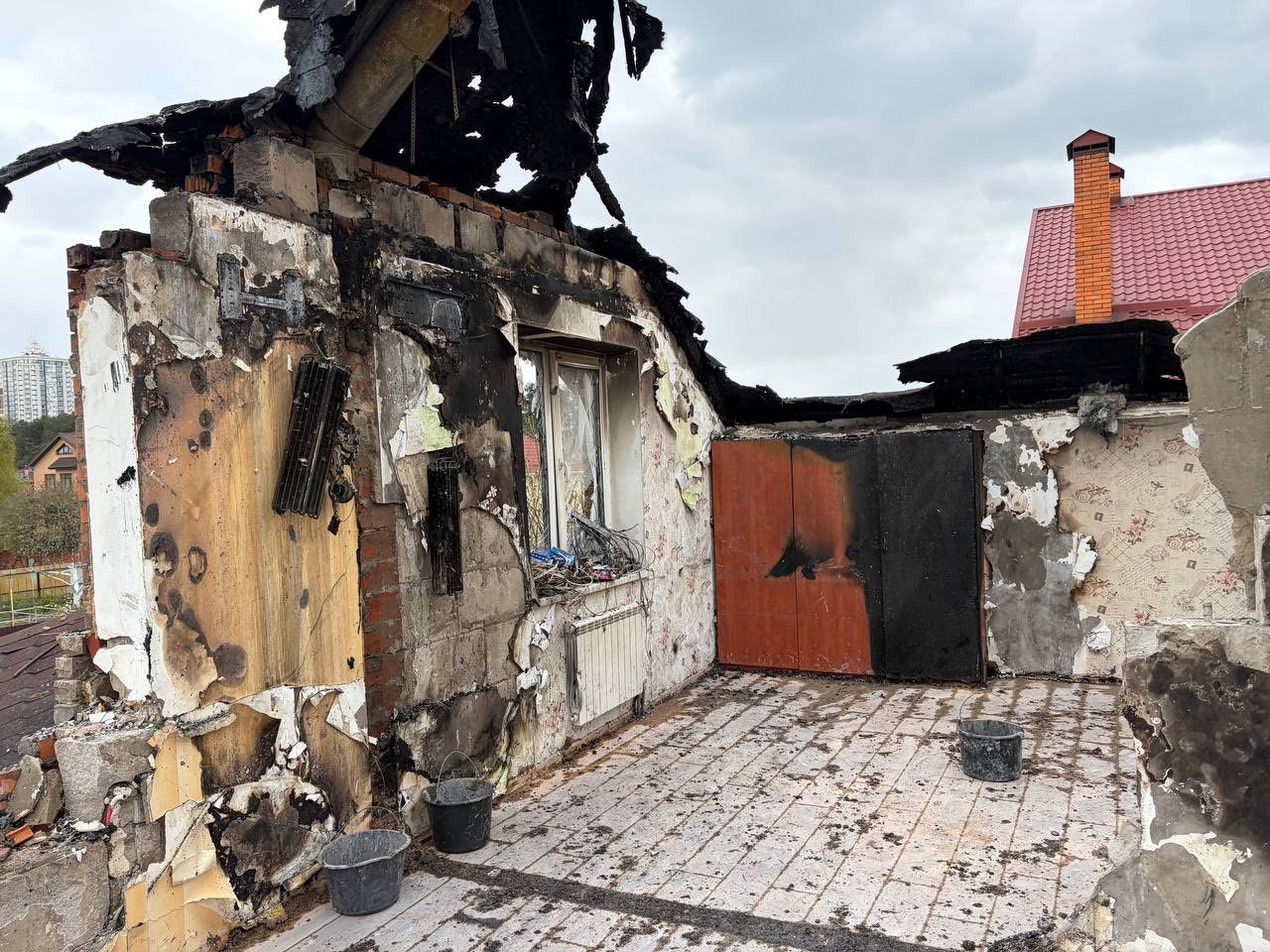
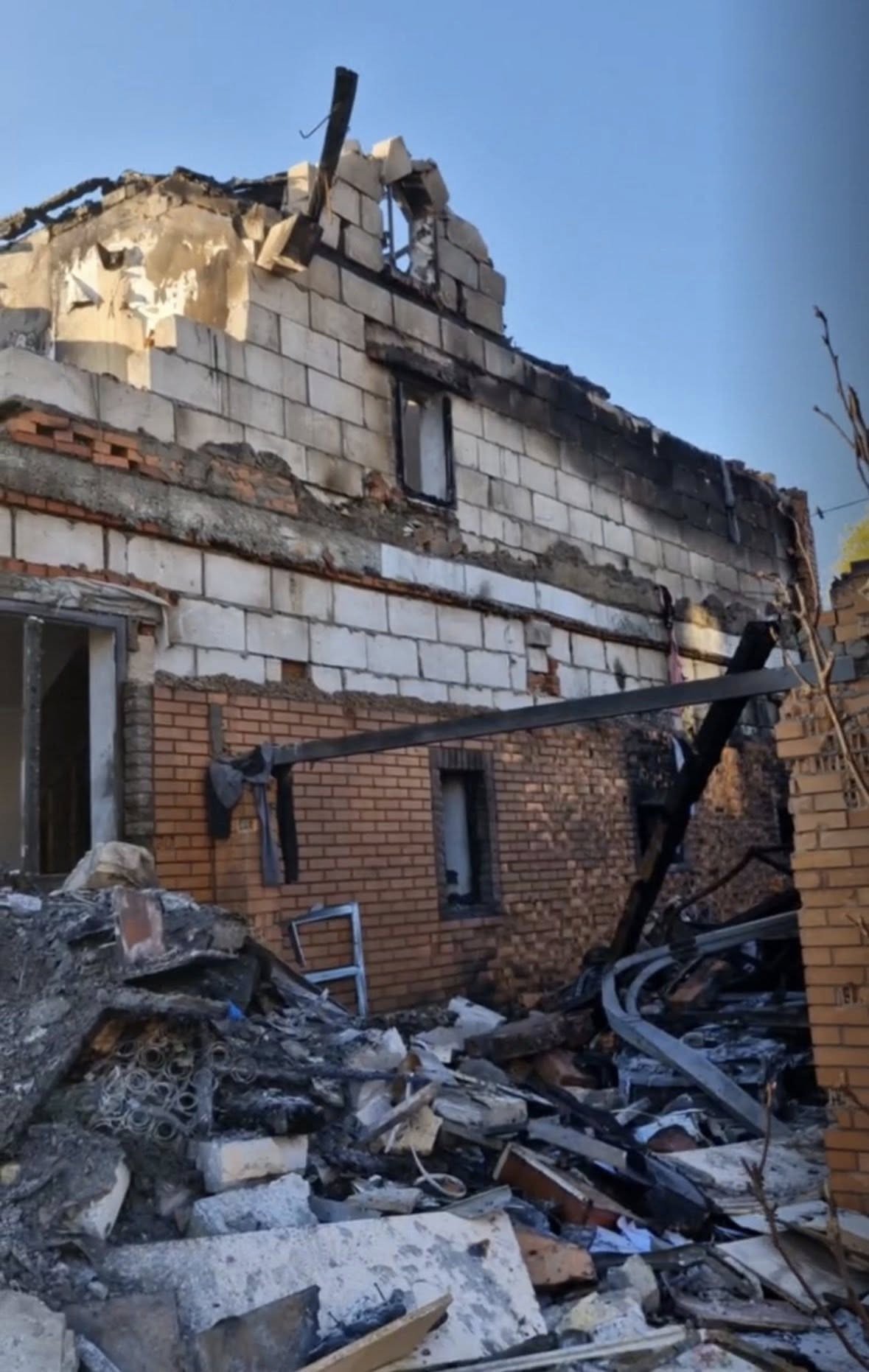
Serhiy “Flash” Beskrestnov, a prominent radio-electronic warfare expert and advisor to Ukraine’s Defense Ministry, lost his home in a targeted Russian drone strike on the night of April 20, he wrote on his Facebook page.
We bring you stories from the ground. Your support keeps our team in the field.
Beskrestnov shared photos of his burned house and destroyed vehicles on Facebook on April 21. “In an instant, I was left without everything I had accumulated over 20 years. No home, no cars, no clothes,” he wrote. “I’m lying in a cast and it looks like I will be for a long time.”
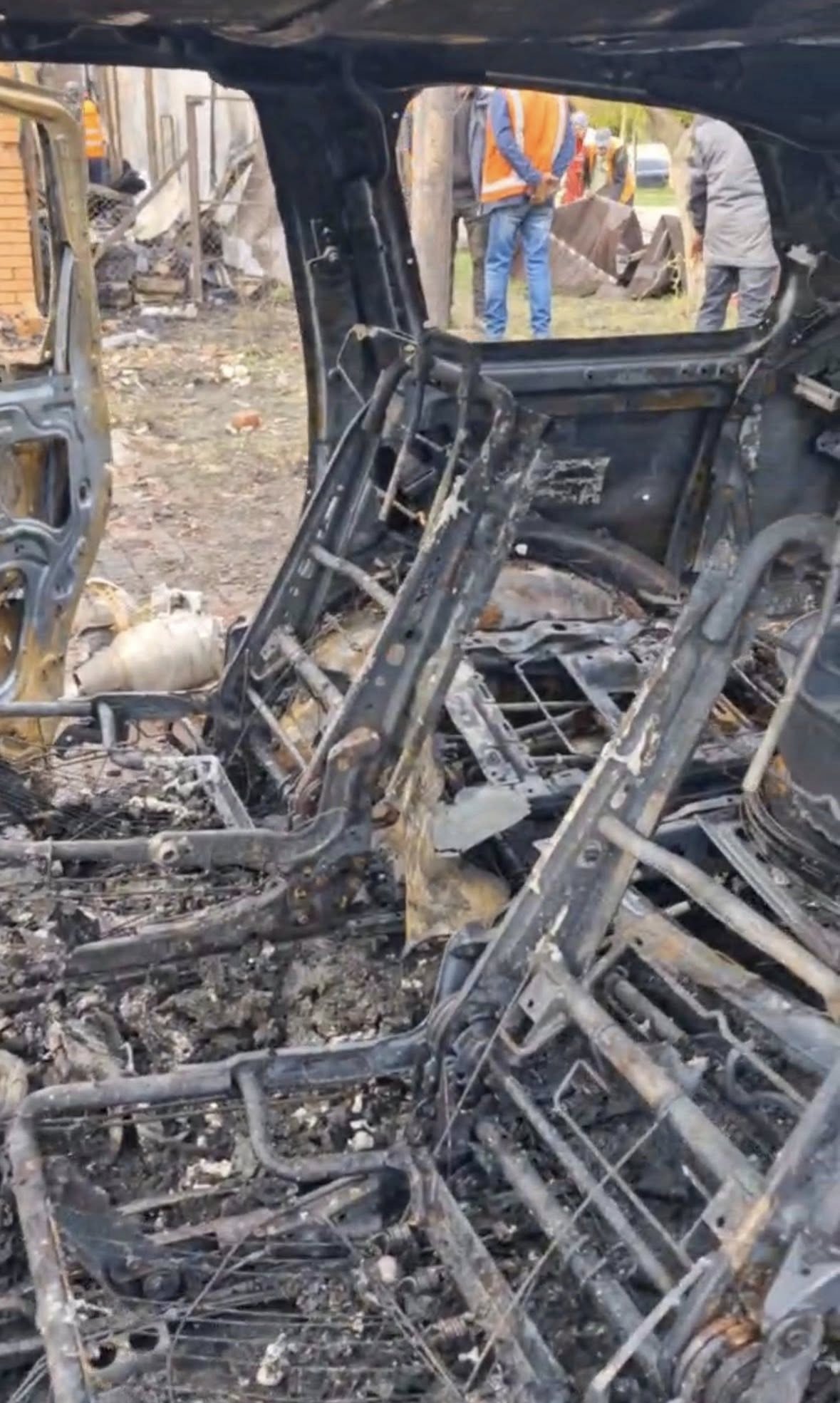
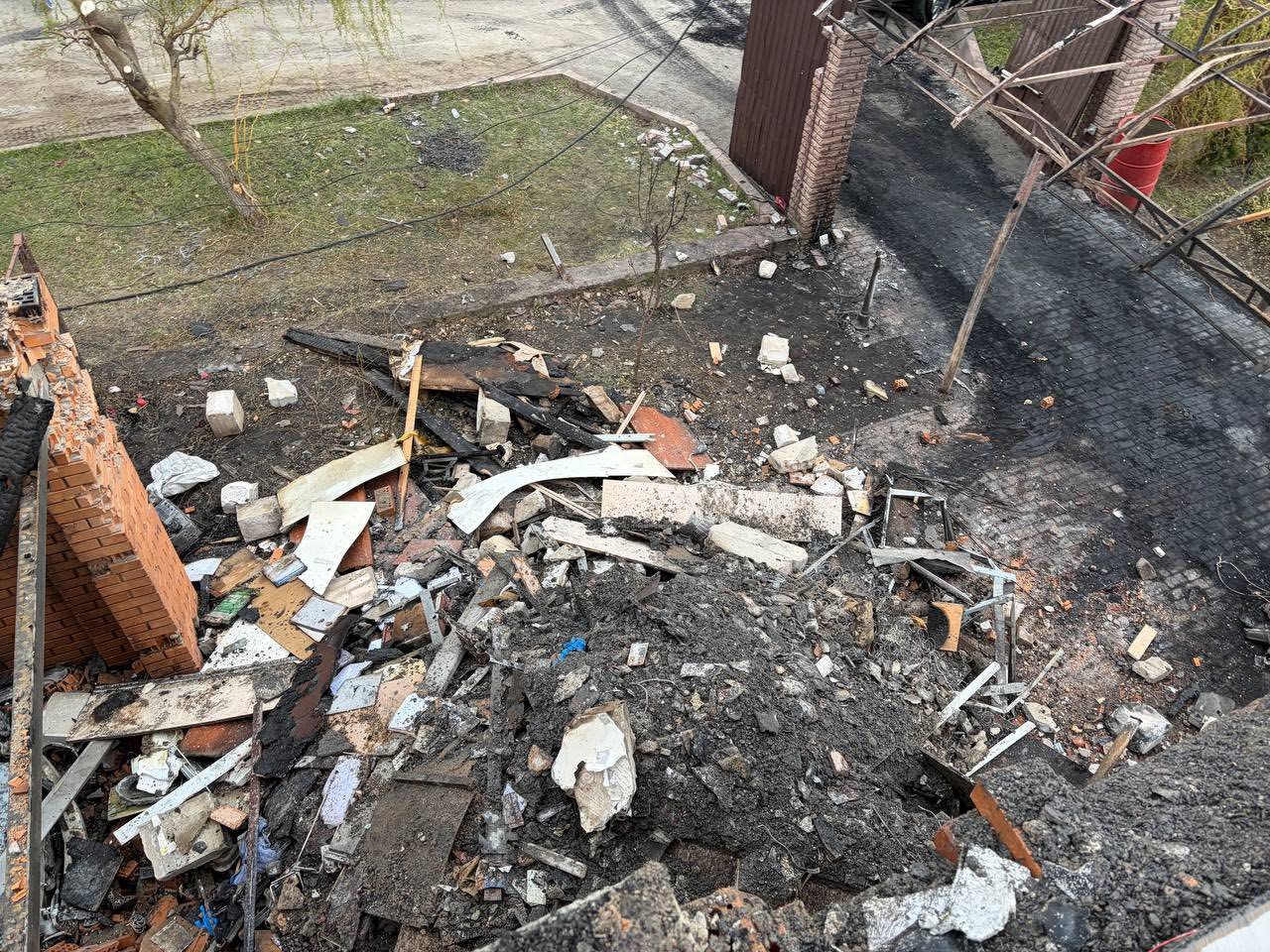
Serhii “Flash” Beskrestnov has been advising Ukraine’s Defense Ministry on technology since January 2026. Defense Minister Mykhailo Fedorov has previously described him as “one of the strongest practical experts” when it comes to electronic warfare, drones, and analyzing Russian tech.
Specializing in radio communications and neutralizing Russian UAVs, Beskrestnov frequently breaks news on emerging frontline weapons. He was among the very first to publicly flag Russia’s deployment of jet-powered Shaheds and FPV drones equipped with machine vision.
According to the advisor, Russian forces launched five jet-powered Shahed drones specifically aimed at his family’s residence in an apparent assassination attempt. Ukrainian air defenses intercepted two of the incoming drones, while another two reached the outskirts of Kyiv.
The strike was directed in real-time by an operator in Russia. Ukrainian Air Force Command spokesperson Yuriy Ihnat confirmed the attack utilized a mesh network, a system where drones communicate and act as signal relays for one another.
This technology allows Russian operators to maintain a connection over long distances and conduct highly precise strikes against specific individuals or moving targets.
The mesh network technology used to target Beskrestnov allows Russian operators to control multiple Shahed drones simultaneously over long distances. The drones use radio modems to act as communication relays for one another. This means if one drone is shot down, the signal simply reroutes through the remaining drones to maintain a live connection. To link this decentralized network back to operators in Russia via the internet, the system relies on powerful directional antennas mounted on 70 to 90-meter towers near the border.
Recently, Ukraine managed to disrupt this exact guidance system by locating and eliminating several of these starting-point relay stations that had been secretly set up inside Belarus.
Discuss this article:
-9a7b3a98ed5c506e0b77a6663f5727c5.png)