- Category
- Latest news
Ukrainian Interceptor Drones Tear Through Russian Shahed Swarms With 95% Kill Rate
 Prefer U24 Media on Google
- Authors


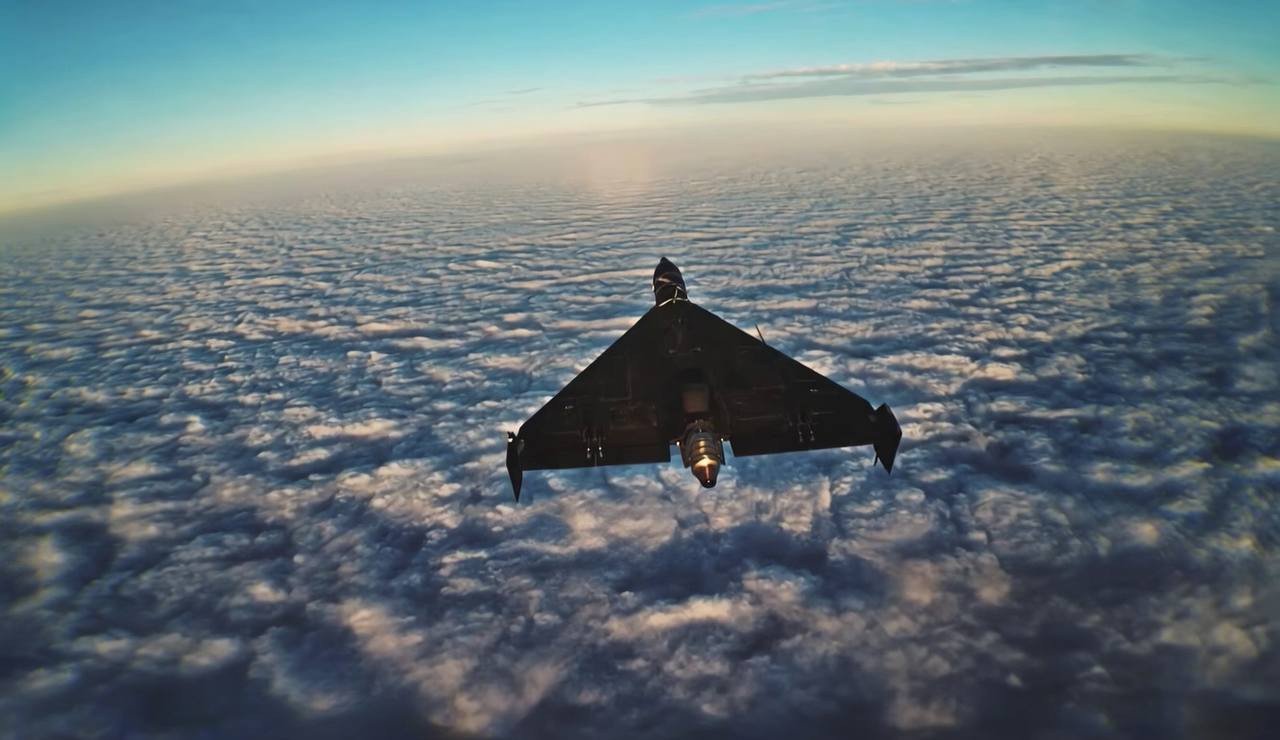
Interceptor drones became a critical layer of Ukraine’s air defense, proving highly effective in destroying Russian Shahed attack drones. A Ukrainian drone pilot, who recently set a world record by downing 2 Russian Shahed drones from 500km, stated in an exclusive interview released by Army Media on April 17.
A pilot with the callsign “Hulk” said his crew has been actively operating since November, while the unit itself has been in action since the summer of 2025. Since then, the unit destroyed around 200 targets, including 184 Shaheds.
We bring you stories from the ground. Your support keeps our team in the field.
The crew’s record stands at 20 Shahed drones eliminated in a single day, with 17 of those intercepted in just an hour and a half.
“It’s extremely difficult to achieve that kind of number now. You have to approach the warhead with precision to destroy it in the air, so that at most only the engine reaches the ground, which basically doesn’t detonate,” the pilot explained.
According to the operator, about 90% of successful engagements involve detonating the drone’s warhead mid-air to minimize debris falling on populated areas. Avoiding civilian casualties remains a top priority.
“A Shahed might not detonate; it could fall and hit someone or a house. That’s why we also try to let it pass populated areas,” the crew said.
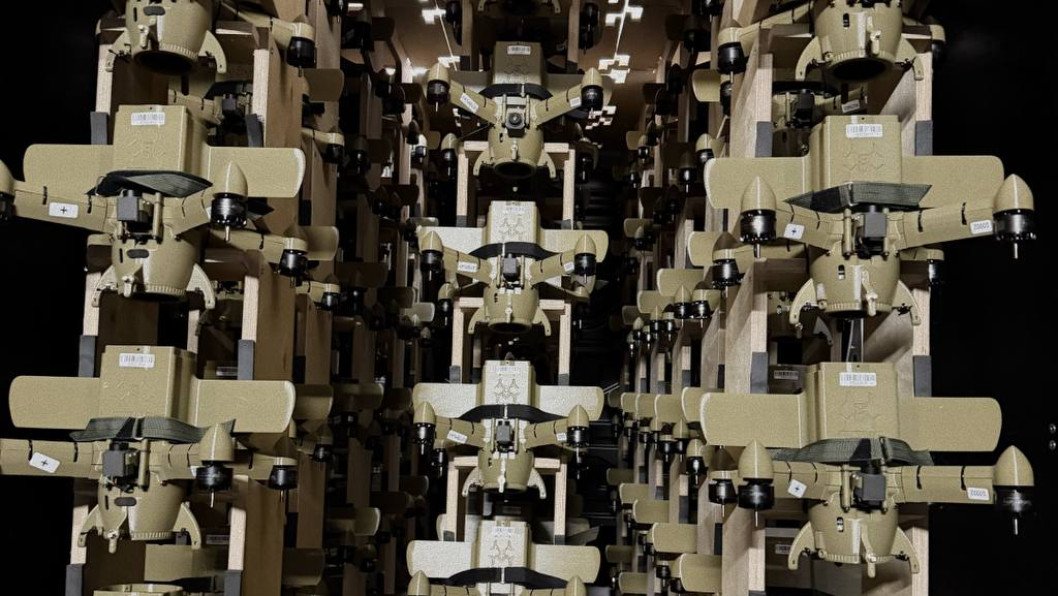
The system’s responsiveness is another key advantage. Launching an interceptor takes roughly 30 seconds, after which operators conduct target search, tracking, and real-time reporting while airborne.
Shahed drones typically fly at altitudes of 4 to 5 kilometers, sometimes higher. The crew has also successfully intercepted at least one jet-powered Shahed variant capable of speeds up to 550–600 km/h.
The operators highlighted the performance of Sting interceptor drones, noting their reliability even in extreme conditions.
“They’ve proven themselves exceptionally well. We have no complaints at all. We’ve flown them in minus 30 degrees. Out of ten sorties, we achieve about a 95% success rate. At most, we lose one drone out of ten,” the crew said.
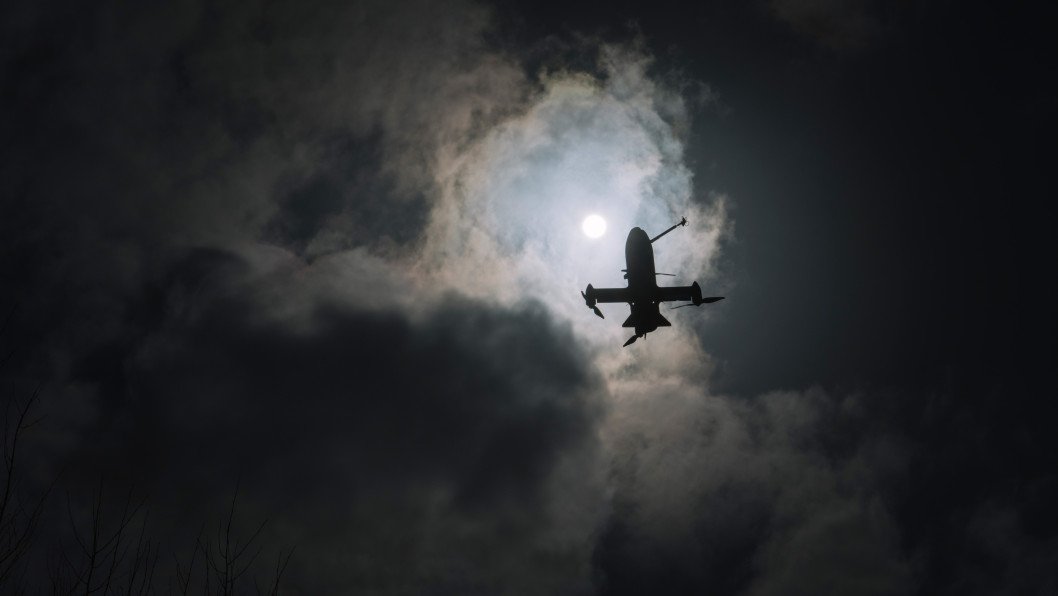
Despite their threat, Shahed drones are considered easier targets compared to smaller reconnaissance UAVs due to their size and limited maneuverability.
“It’s not as agile, it’s big. It can’t maneuver much. If I see a Shahed in front of me, that’s it—I know it’s not going anywhere, it’s ours. Do I feel like a superhero? Yes, because I understand that the lives of many civilians depend on me and my brothers, on our actions and results. That’s what motivates you, that’s what makes you love your job,” “Hulk” said.
Earlier reporting highlighted another long-range success, when the same pilot destroyed two Shahed drones while operating an interceptor from a distance of around 500 kilometers, underscoring the growing reach and capability of Ukraine’s drone-based air defense.
Discuss this article:
-9a7b3a98ed5c506e0b77a6663f5727c5.png)


-c439b7bd9030ecf9d5a4287dc361ba31.jpg "Photo of Katherina Popilnichenko")


-58027ba3c731b844e3279bf1086a8d0b.jpg "Ukrainian DJ KOROLOVA. (Source: @korolova.dj/Instagram)")
-111f0e5095e02c02446ffed57bfb0ab1.jpeg "Photo of Roman Kohanets")