- Category
- Latest news
Russia’s A-235 and S-500 Systems May Challenge British and French Nuclear Deterrence
 Prefer U24 Media on Google
- Authors


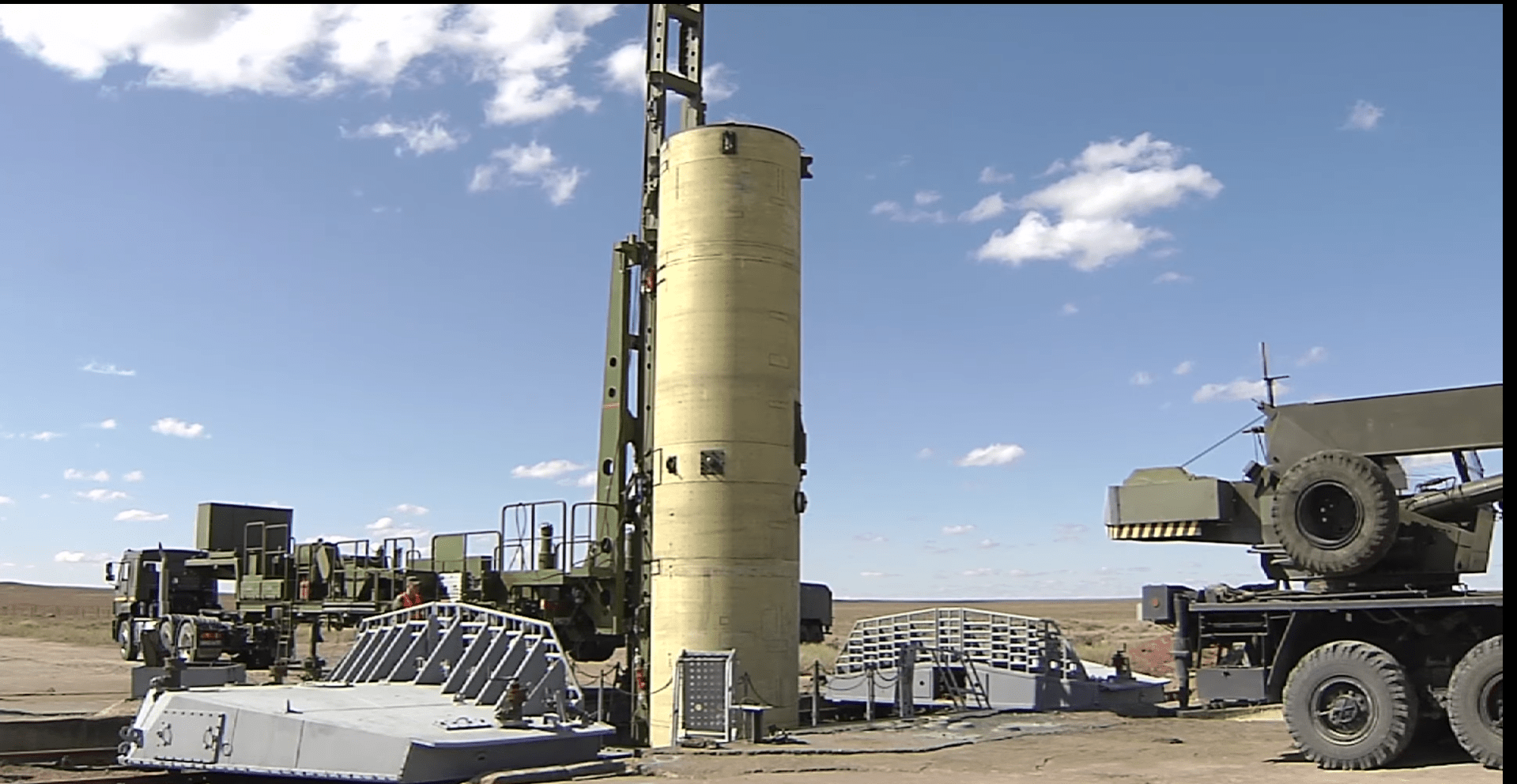
Russia’s expanding missile defense network around Moscow could significantly weaken the effectiveness of Britain and France’s nuclear deterrents, according to a new analysis published by the Royal United Services Institute (RUSI), according to BFBS Forces News on February 26.
The report argues that increasingly sophisticated Russian systems—including the A-235 missile defense complex and the S-500 air defense system—may be capable of intercepting a meaningful portion of ballistic missiles launched toward the Russian capital.
We bring you stories from the ground. Your support keeps our team in the field.
For decades, European nuclear deterrence planning relied on a simple assumption: even if some incoming missiles were destroyed, enough would penetrate Russian defenses to guarantee devastating retaliation. That logic helped underpin the independent nuclear arsenals maintained by both the United Kingdom and France.
But researchers now warn that this assumption may be growing less reliable.
Authored by Dr. Sidharth Kaudal and Juliana Suess, the study suggests Moscow’s upgraded defenses could alter the strategic balance by reducing the probability that a limited European nuclear strike would successfully reach its targets.
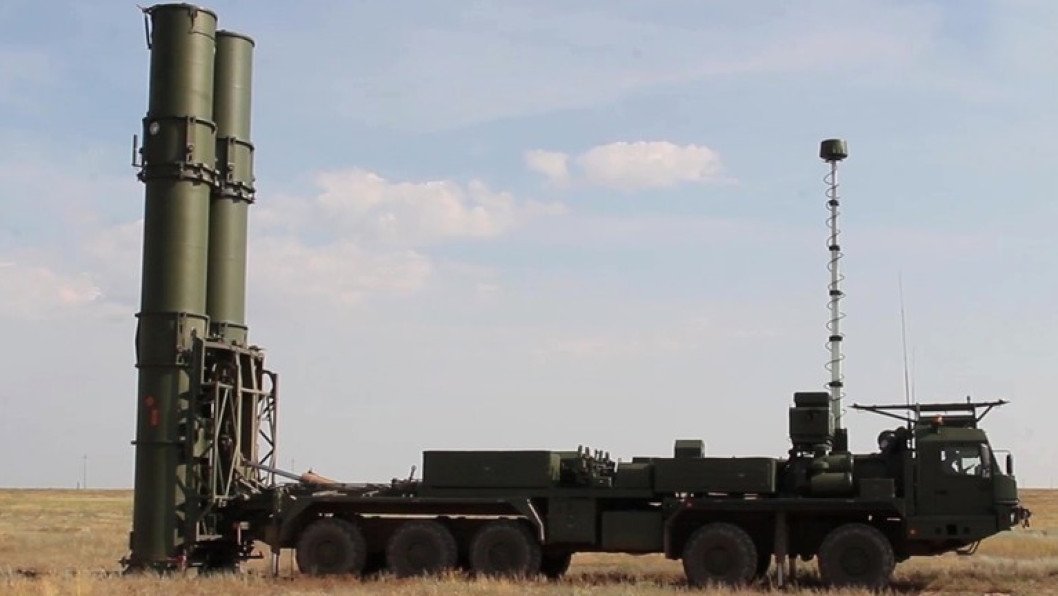
Russia has constructed a dense, multi-layered ballistic missile defense architecture around its capital, designed to counter a small to medium-scale missile attack. According to the report, the system integrates multiple interception layers capable of engaging incoming threats at different stages of flight.
The authors note that Moscow’s defenses were long expected to intercept only part of an incoming salvo, leaving enough warheads to ensure deterrence remained credible. However, continued modernization may now challenge that assumption.
“The qualities of speed and manoeuvrability would serve as a means of maximising probability of effect against a small but very well-defended target set,” the report states.
-a163287344d111be7286b1d419b901a9.png)
Unlike the United States, which possesses a vastly larger nuclear arsenal capable of overwhelming missile defenses through sheer volume, European powers operate much smaller stockpiles. The report concludes that this numerical limitation could make it harder for the UK or France to guarantee penetration of Moscow’s defenses during a crisis.
As a result, analysts recommend expanding investment beyond traditional nuclear delivery systems.
The study highlights the importance of conventional prompt-strike capabilities, including weapons launched from stealth naval platforms, medium-range ballistic missiles, and hypersonic glide vehicles capable of maneuvering at extreme speeds.
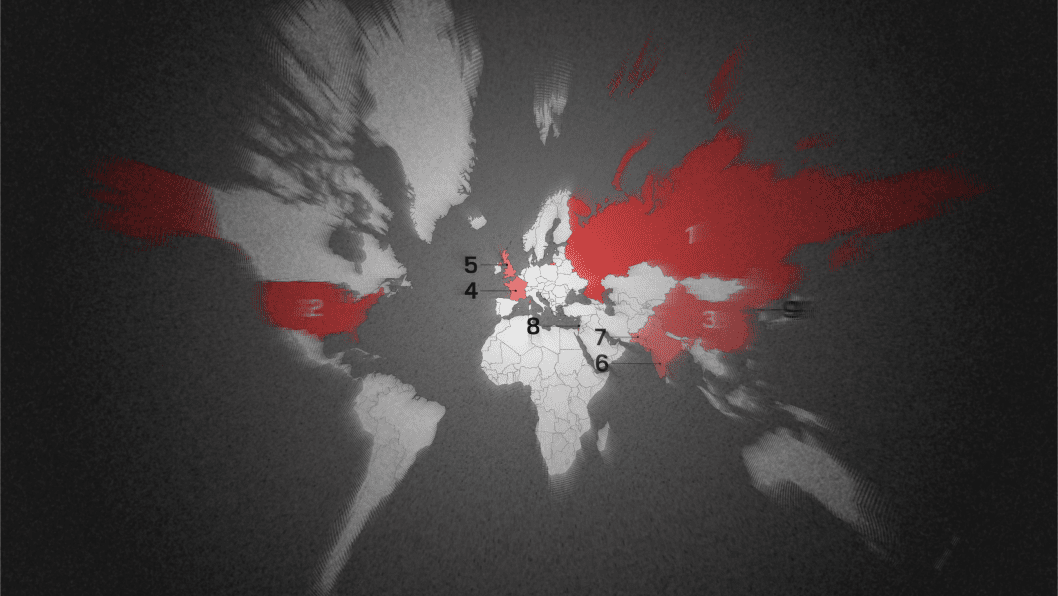
According to the authors, combining different strike technologies may offer a more effective approach than relying on a single weapon category.
“Ballistic missiles and HGVs should be viewed as mutually reinforcing capabilities rather than alternatives,” the report said.
The analysis further argues that prioritizing such capabilities could become increasingly logical if missile costs and intelligence, surveillance, and reconnaissance resources remain stable.
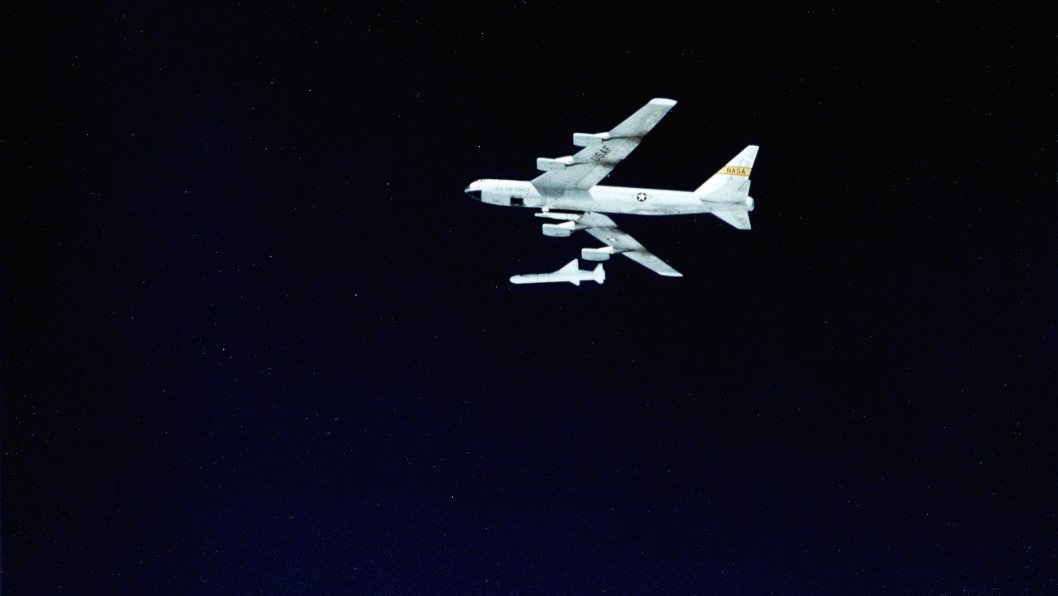
Ultimately, the report warns that Europe’s independent nuclear deterrents could gradually lose credibility if no reliable method exists to overcome Moscow’s air and missile defenses.
It concludes that without a proven ability to defeat Russian defensive systems through rapid, precision strike options, Europe risks seeing the strategic value of its nuclear forces diminished over time.
Earlier, Russia announced that it no longer considers itself bound by nuclear weapon restrictions following the expiration of the New START (SNO-3) treaty.
“In the current circumstances, we proceed from the assumption that the parties to the New START treaty are no longer bound by any obligations or symmetrical declarations in the context of the Treaty, including its central provisions, and are, in principle, free to choose their subsequent steps,” the statement read.
Discuss this article:
-4a56a6b482ec132402c16ef6fcabf9a2.png)

-c439b7bd9030ecf9d5a4287dc361ba31.jpg "Photo of Katherina Popilnichenko")