- Category
- Latest news
Russia’s Oil Output Falls to Lowest Level Since 2009 as Sanctions Bite
 Prefer U24 Media on Google
- Authors


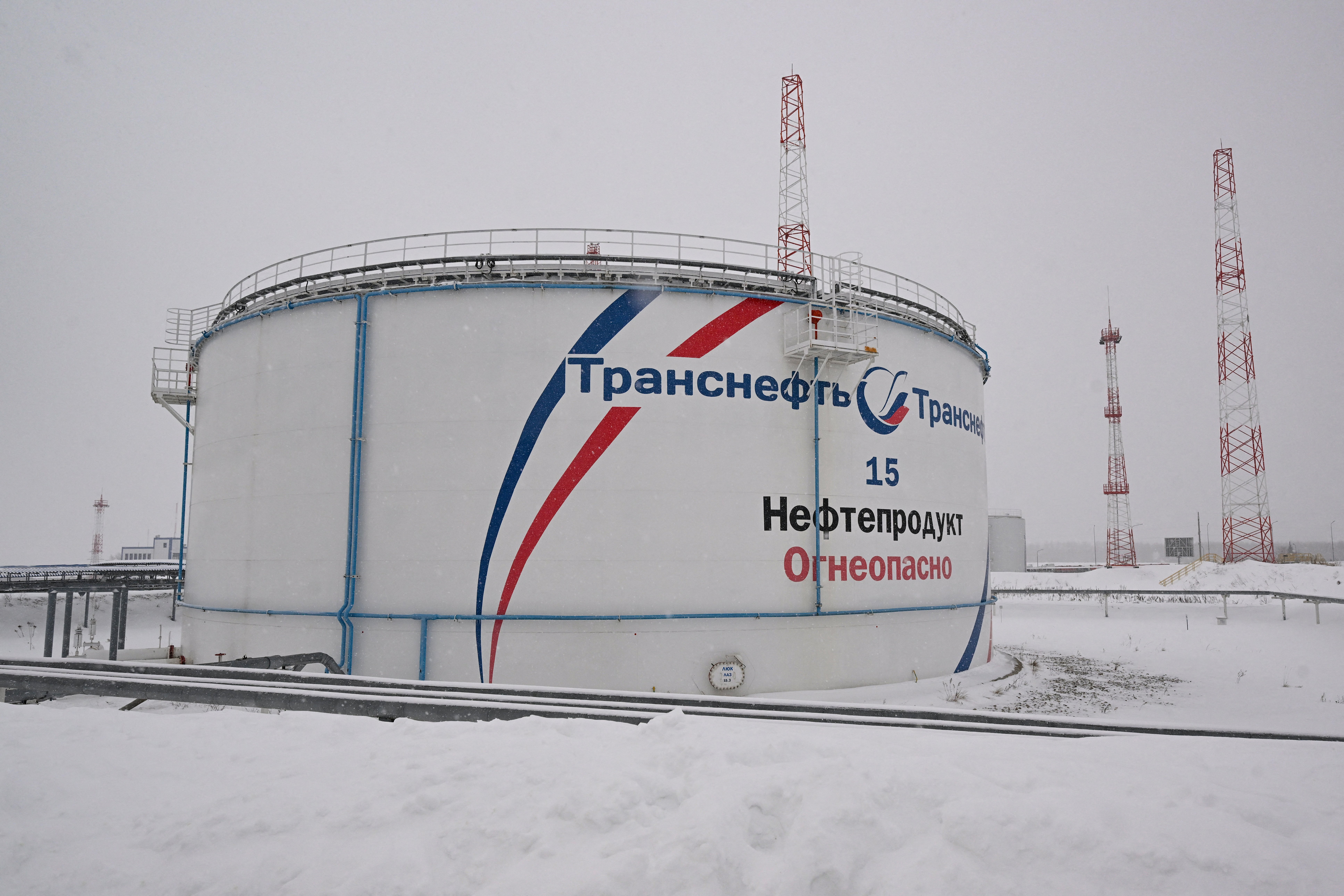
Russia's oil production in 2025 amounted to 512 million tons, as reported by Vice Prime Minister Alexander Novak in an article for the Energy Policy journal, according to The Moscow Times on January 22.
According to Novak’s figures, oil extraction has dropped for the third consecutive year: it was 516 million tons in 2024, 530 million tons in 2023, and 535 million tons in 2022.
We bring you stories from the ground. Your support keeps our team in the field.
This has resulted in the lowest production levels since 2009, when Russia produced 494.2 million tons. Even during the pandemic in 2020, production was slightly higher, at 512.7 million tons, The Moscow Times reported.
The government had originally planned to increase output to 520 million tons for the year. The OPEC+ deal also allowed for an increase in Russia's quota, raising it from 8.98 to 9.57 million barrels per day.
However, by the end of the year, Russian oil companies were only producing 9.33 million barrels per day. In December, production unexpectedly and sharply declined by 250,000 barrels per day instead of rising, the outlet reported. This drop in output is attributed to US sanctions on Rosneft and Lukoil, which disrupted exports to India and China, as noted by Janis Kluge, an expert at the German Institute for International Security Affairs.
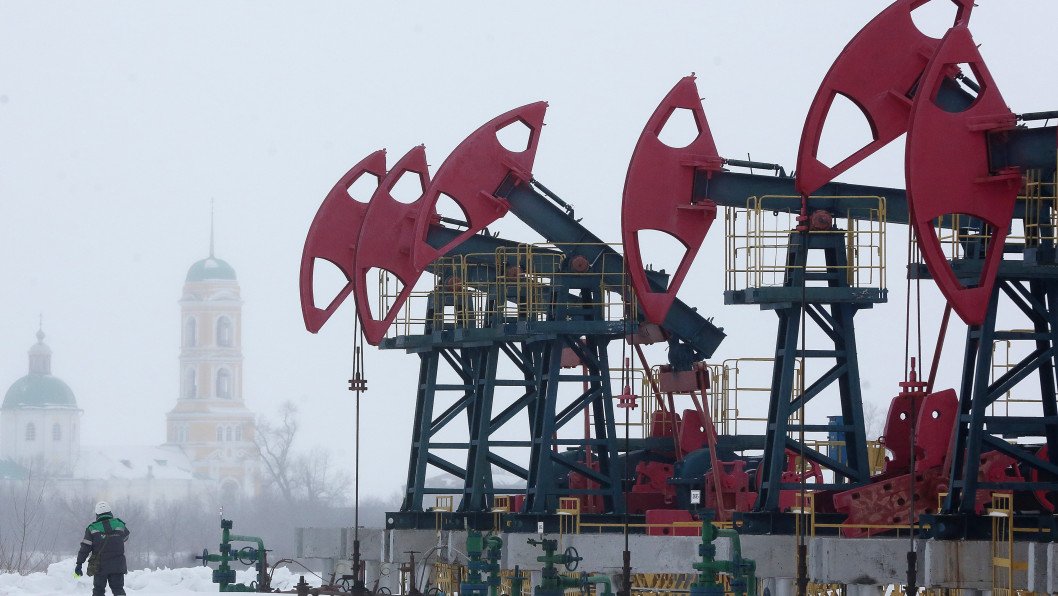
“The upstream oil industry is sliding into a crisis, and the most recent sanctions are going to accelerate that,” said Kennedy in a comment to The Wall Street Journal.
Since the sanctions were imposed in late November, 35 million unsold barrels have been stuck on tankers at sea. Kluge also suggests that there is simply no more storage space for the unsold oil.
The price of Russian Urals oil, which now sells for $35-37 per barrel—nearly half the price of Brent—has made production at several oil fields in Russia unprofitable.
Earlier, it was reported that India's state-owned Bharat Petroleum Corp granted one-year import contracts for Iraqi Basrah Medium crude and Oman crude to Trafigura, as Indian refineries shift their feedstock sourcing from Russia to the Middle East.
Discuss this article:


-c439b7bd9030ecf9d5a4287dc361ba31.jpg "Photo of Katherina Popilnichenko")