- Category
- Latest news
Russia’s Tourism Slumps—Even St. Petersburg Is Losing Visitors
 Prefer U24 Media on Google
- Authors


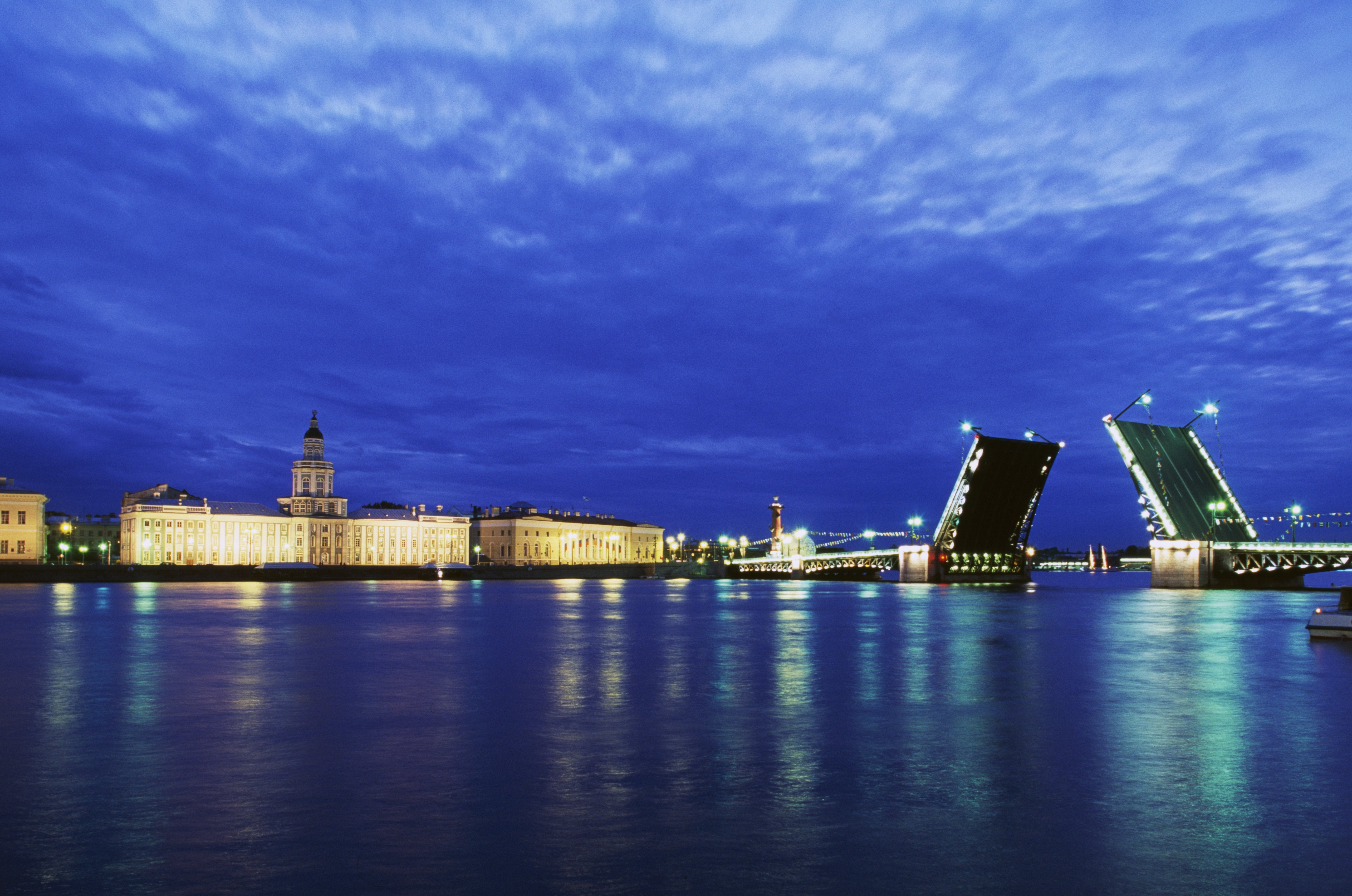
Russia’s domestic tourism sector is losing momentum after a brief rebound in 2023–2024, with demand declining even in traditionally popular destinations such as St. Petersburg.
We bring you stories from the ground. Your support keeps our team in the field.
According to Ukraine’s Foreign Intelligence Service on April 7, growth in domestic travel across Russia fell sharply in 2025 to minimal levels, with only marginal expansion expected in 2026. The assessment indicates that Russian travelers are increasingly opting out of internal trips or reducing travel frequency altogether.
St. Petersburg—historically one of the country’s primary tourism hubs—is seeing a noticeable decline in visitor demand. Travelers are reportedly shifting toward alternative options or choosing not to travel domestically at all.

According to Ukraine’s Foreign Intelligence Service, several structural issues are affecting the sector, including high prices, underdeveloped infrastructure, and low service quality. The tourism offering is also described as outdated and misaligned with current consumer expectations, limiting its competitiveness.
As a result, even those who continue to travel within Russia are cutting costs and limiting trips, often reducing travel to a single annual journey. This trend is placing additional pressure on the broader tourism market.
Declining demand is also linked to broader economic constraints, including rising travel costs and reduced disposable income among the population. These factors are expected to further challenge the sector if economic conditions deteriorate.
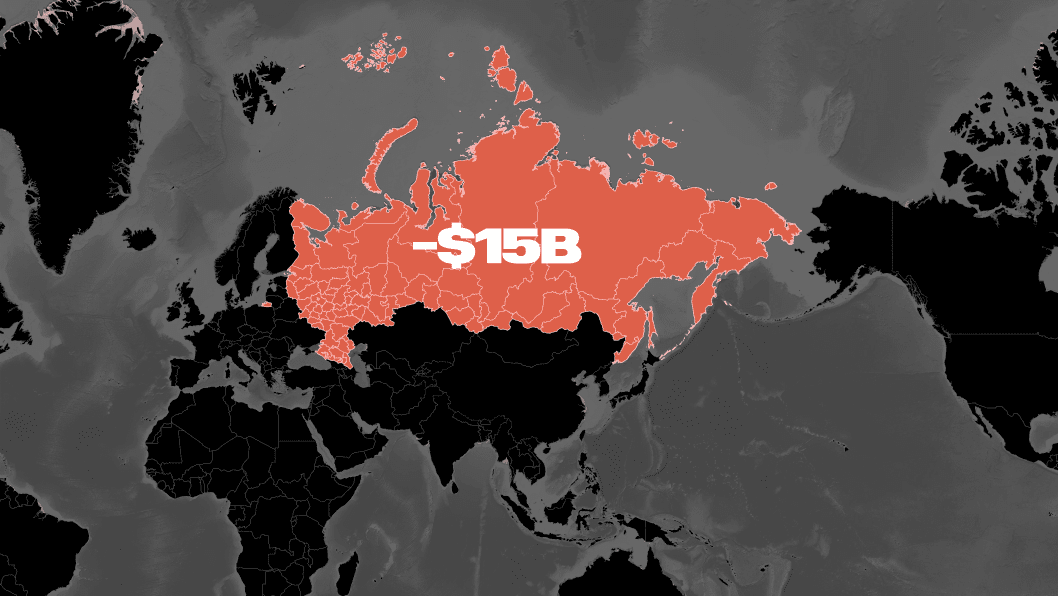
The downturn follows earlier signs of weakening interest in traditional excursion-based tourism, particularly in cities such as St. Petersburg, where demand for museum-focused travel has declined in favor of more flexible and experience-driven formats.
Earlier, Russia’s State Duma backed a proposal to introduce a special fee on citizens traveling abroad. Lawmaker Sangadzhi Tarbayev said the measure is intended to redirect spending into the domestic tourism sector, arguing that money spent overseas could instead support the local economy and create jobs.
Discuss this article:
-9a7b3a98ed5c506e0b77a6663f5727c5.png)