- Category
- Latest news
Sanctions Back in Full Flow as US Turns Off the Valve on Russian Oil
 Prefer U24 Media on Google
- Authors

-111f0e5095e02c02446ffed57bfb0ab1.jpeg "Photo of Roman Kohanets")
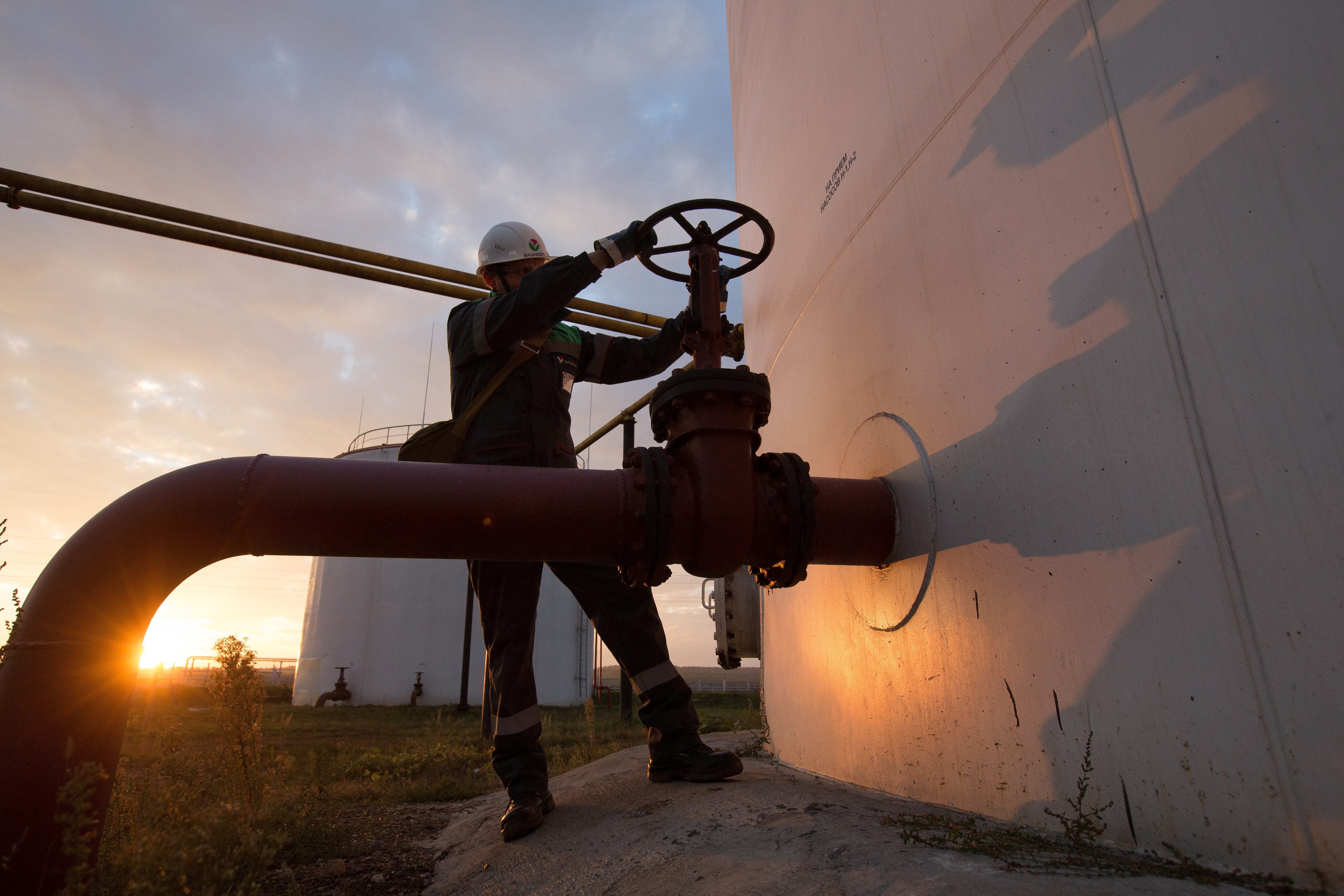
The United States has allowed a sanctions waiver covering Russian oil shipments at sea to expire, as Washington also lets a similar waiver on Iranian oil lapse, according to Reuters on April 14.
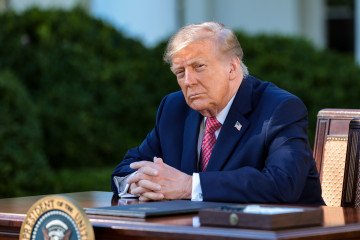
The Russian waiver expired over the weekend without renewal, ending a temporary measure the Trump administration had used to keep more crude on the market and cushion global energy prices during heightened turmoil in the Middle East.
We bring you stories from the ground. Your support keeps our team in the field.
Reuters reported that the move marks a shift away from earlier efforts to ease supply pressure while maintaining broader sanctions on Russia over its war against Ukraine.
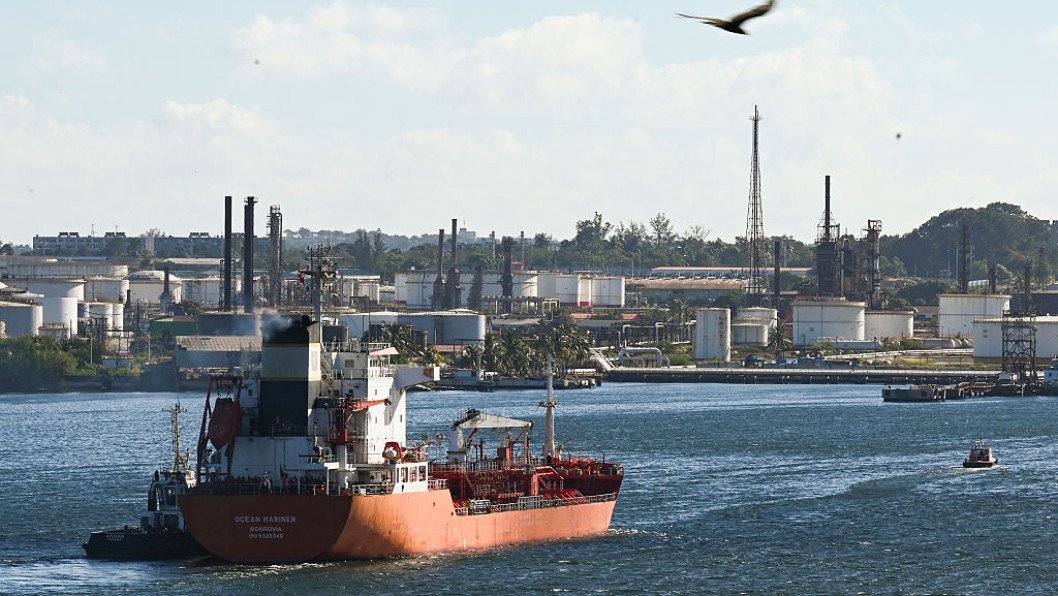
The waiver had been part of a short-term effort to stabilize oil flows as conflict involving Iran disrupted the market. Reuters noted that the easing measures, covering both Iranian and Russian oil, helped around 140 million barrels reach global buyers.
Their expiration now raises the prospect of tighter supply and renewed pressure on major importers that had relied on sanctioned crude to offset price shocks.
One administration official told Reuters that Treasury is now going “full force on Economic Fury” against Iran, but the decision also underscores a parallel hardening toward Russian exports.
The report added that the White House had considered whether to preserve some flexibility for Russian flows to prevent another spike in oil prices, but ultimately allowed the waiver to expire.
Reuters separately reported this week that Chinese state firms had turned to Russian crude under the temporary relief, highlighting how even limited waivers can quickly reshape trade flows and give Russian oil a wider route to market.
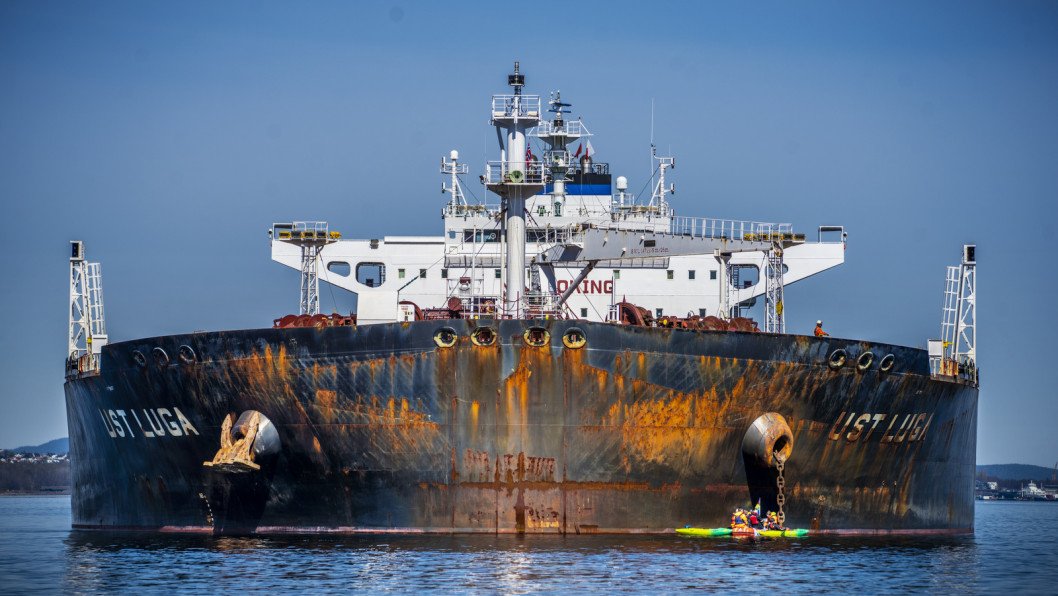
The policy shift also comes after Moscow used the waiver period and the Middle East crisis to boost oil earnings, with Russian oil revenues climbing to a record high during the crisis, according to the latest report, as higher global prices boosted Moscow’s export earnings.
The increase came while a US waiver remained in place, giving Russia additional room to benefit from the market shock.
The surge followed a period when pressure on Russia’s energy income had weighed on the federal budget and on expectations in the more expansive oil sector.
Discuss this article:
-9a7b3a98ed5c506e0b77a6663f5727c5.png)

-c439b7bd9030ecf9d5a4287dc361ba31.jpg "Photo of Katherina Popilnichenko")