- Category
- Latest news
Satellite Images Offer First Clear Evidence of Destroyed $500M US THAAD Radar
 Prefer U24 Media on Google
- Authors


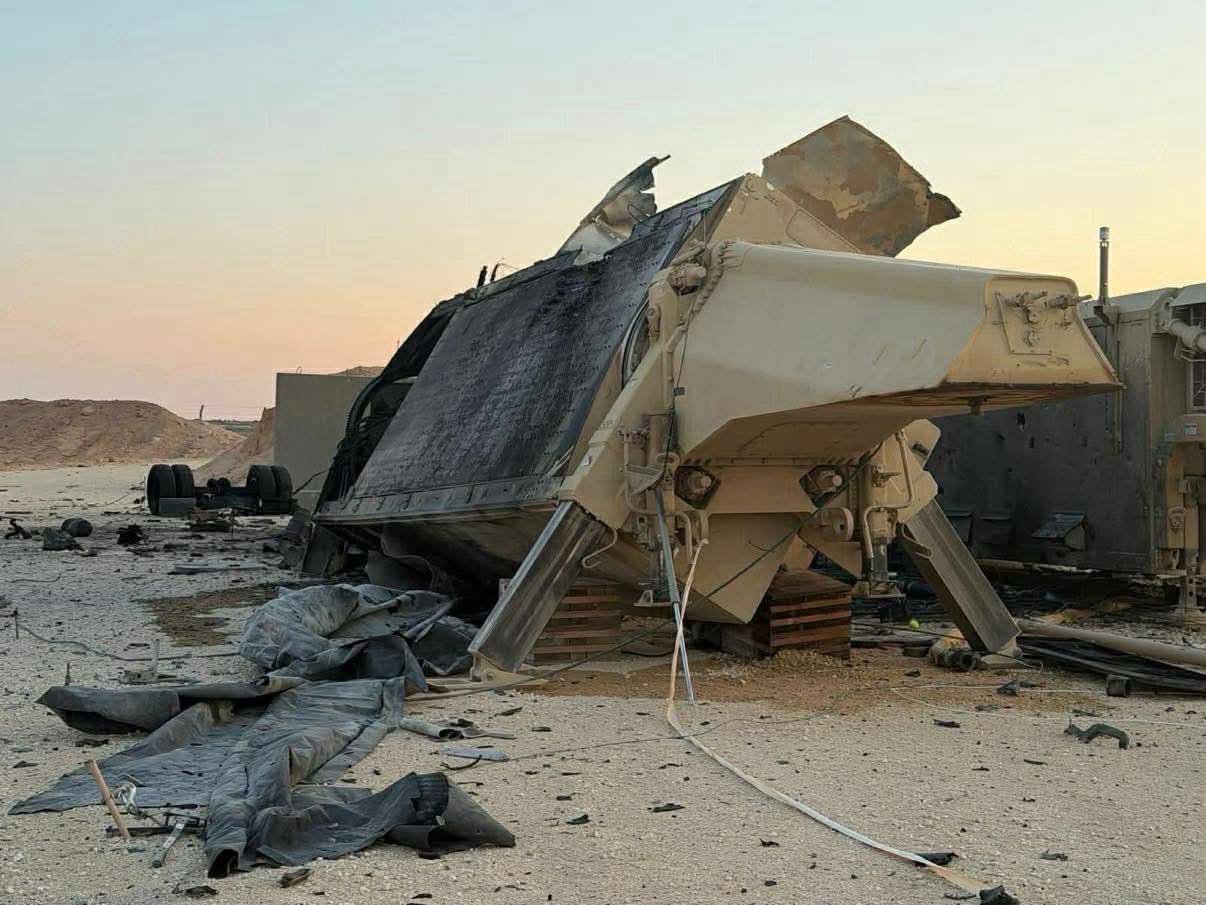
New high-resolution satellite imagery indicates that a US AN/TPY-2 radar—an essential component of the THAAD missile defense system—was likely destroyed at Prince Sultan Air Base in Saudi Arabia.
We bring you stories from the ground. Your support keeps our team in the field.
According to Defense Express on April 3, the newly surfaced images show visible damage at the radar’s deployment site, including a burned-out shelter that previously housed key system components such as generators and command units.
The outlet reports that in early March, the position had been struck, but the extent of the damage remained unclear due to a lack of detailed imagery.
A new satellite image reveals the destruction of a modern radar system installed in the UAE’s al-Ruwais area as part of the THAAD network, after it was struck by a drone last night.
— Press TV 🔻 (@PressTV) April 2, 2026
Follow: https://t.co/mLGcUTS2ei pic.twitter.com/NZM8mGzXGj
The latest satellite data, cited by Defense Express, suggests that the radar system itself may have been critically damaged. Equipment typically associated with the AN/TPY-2 appears to have been moved away from the impact site, likely as part of post-strike recovery efforts.
The radar array—visible in the imagery—shows signs of fire damage, raising the likelihood that the system is no longer operational.
According to Defense Express, the relatively limited blast effects visible in the imagery may indicate the use of a drone rather than a larger missile. The outlet notes that disabling the AN/TPY-2 would significantly reduce the effectiveness of the THAAD system protecting the airbase from ballistic threats.
🇺🇸🇸🇦 🛰 Another satellite image has been released, showing the AN/TPY-2 radar of the THAAD system that was destroyed on the third day of the war at Prince Sultan Air Base (Al‑Kharj) in Saudi Arabia. #Iran #US #Saudi pic.twitter.com/mECzvTaWJR
— IWN (@A7_Mirza) April 2, 2026
The AN/TPY-2 is a high-value and relatively rare radar system, with an estimated cost ranging from $500 million to $1 billion per unit, according to Defense Express.
Fewer than two dozen such systems have been produced. The radar operates in the X-band and uses gallium nitride (GaN) technology, enabling high-resolution tracking of ballistic targets at ranges reportedly exceeding 1,000 kilometers.
According to Defense Express, the potential loss of this radar may have broader operational implications. The outlet reports that following the strike, additional US assets at the same base—including an E-3G Sentry airborne early warning aircraft and a KC-135 aerial refueling aircraft—were reportedly destroyed or damaged.
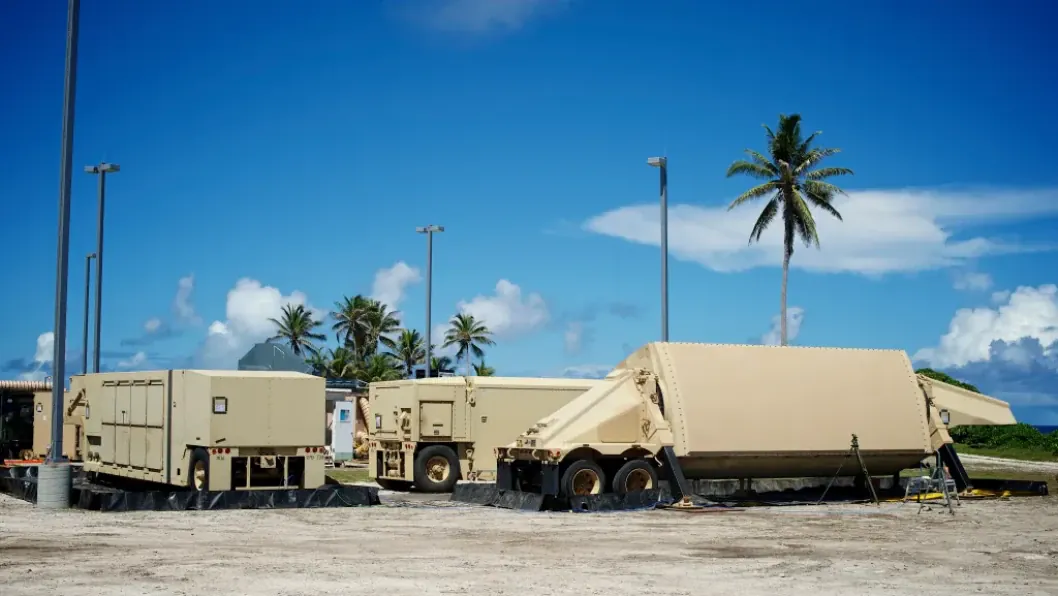
Defense Express also reports that Iran may have targeted multiple AN/TPY-2 systems during its recent operation, including units operated by both the US and the United Arab Emirates.
Earlier, an Iranian strike on Prince Sultan Air Base in Saudi Arabia may have damaged two US EC-130H Compass Call electronic warfare aircraft, potentially affecting a significant portion of the remaining fleet.
Discuss this article:
-9a7b3a98ed5c506e0b77a6663f5727c5.png)